COPD: how can respiratory physiotherapy help?
Shortness of breath that makes walking, stairs or daily activities difficult.
With COPD what is missing most isn’t strength but air - avoiding activity out of fear of breathlessness actually weakens the body further; pulmonary rehabilitation is a recognized, evidence-based treatment for improving quality of life.
Many people with COPD say that the thing they lack most isn’t strength - it is air. Simple actions such as getting dressed, climbing stairs or going out for a short walk can become a significant effort. I hear quite a few people who start avoiding activity out of fear of breathlessness - and paradoxically, that is exactly what weakens the body further and makes things harder in the long run.
Although the disease can’t be “cured”, you can certainly learn to cope with it better and improve your quality of life - and that is exactly where respiratory treatment comes into the picture.
What is COPD?
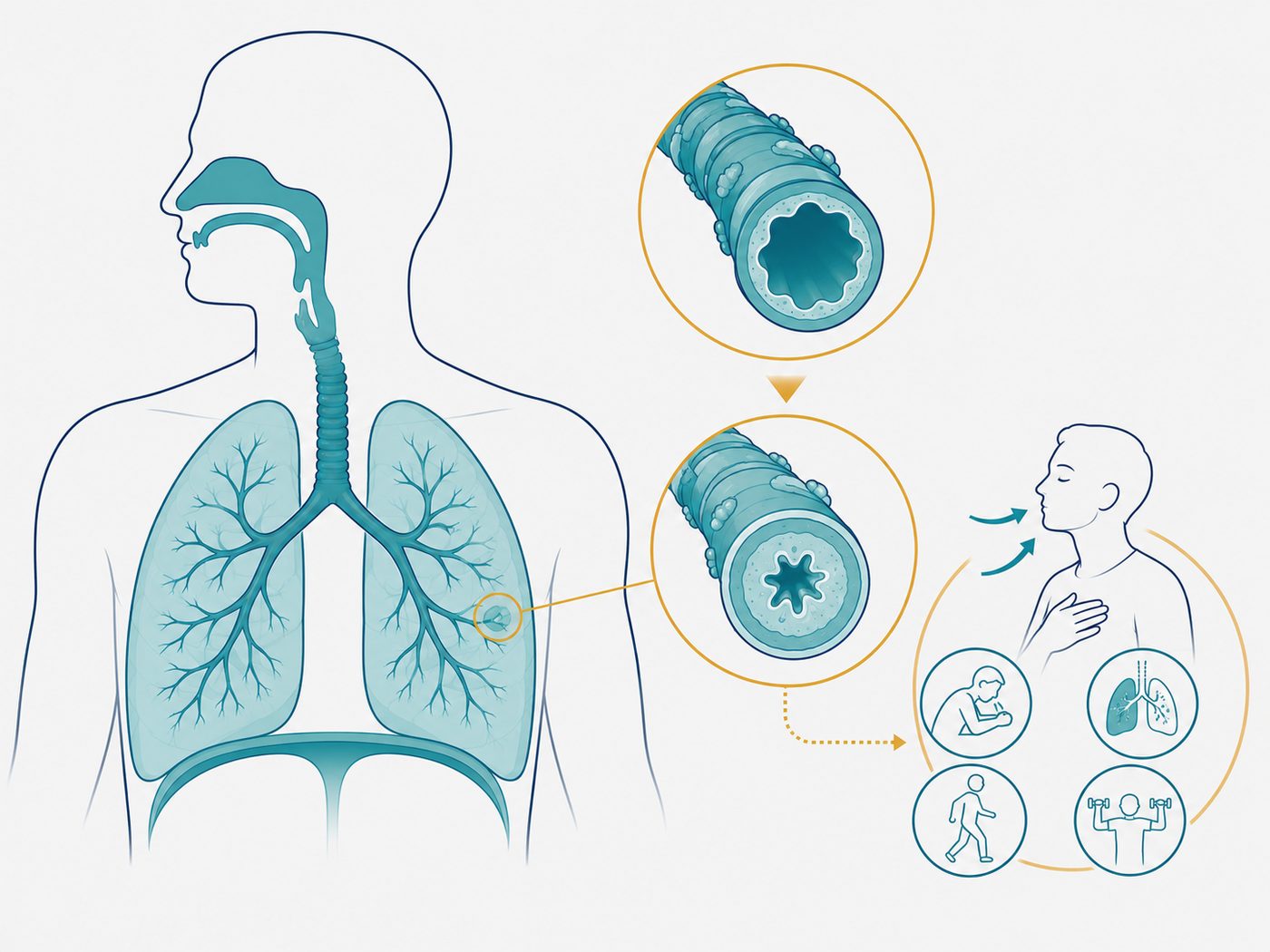
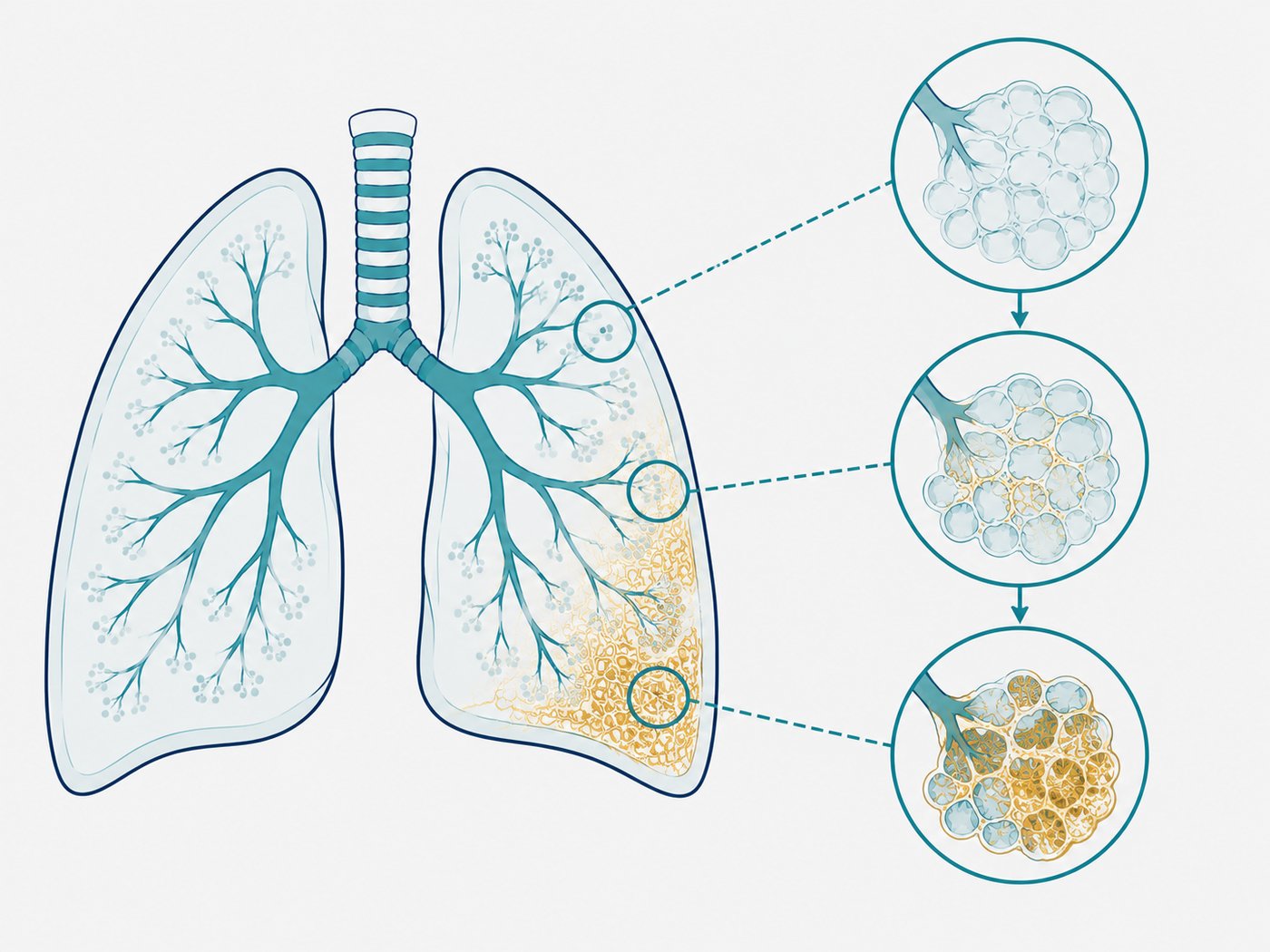
COPD is a chronic lung disease that causes narrowing of the airways and limitation of airflow. As a result, shortness of breath, coughing and mucus can appear, particularly on exertion - the symptoms usually develop gradually over time, and aren’t always easy to notice in the early stages.
The “pursed-lip breathing” technique (like gently blowing on a candle) can bring immediate relief from the sensation of breathlessness on exertion - this is a simple technique I teach almost every patient with COPD, and its effect is felt from the very first time.
How does it usually feel?
- Shortness of breath on exertion.
- A persistent cough.
- A lot of mucus.
- Tiring quickly.
- Difficulty climbing stairs.
- Severe, unusual shortness of breath at rest
- Lips or nails with a bluish tinge
- Difficulty speaking in full sentences because of the breathing
- Confusion or unusual drowsiness
How can respiratory physiotherapy help?
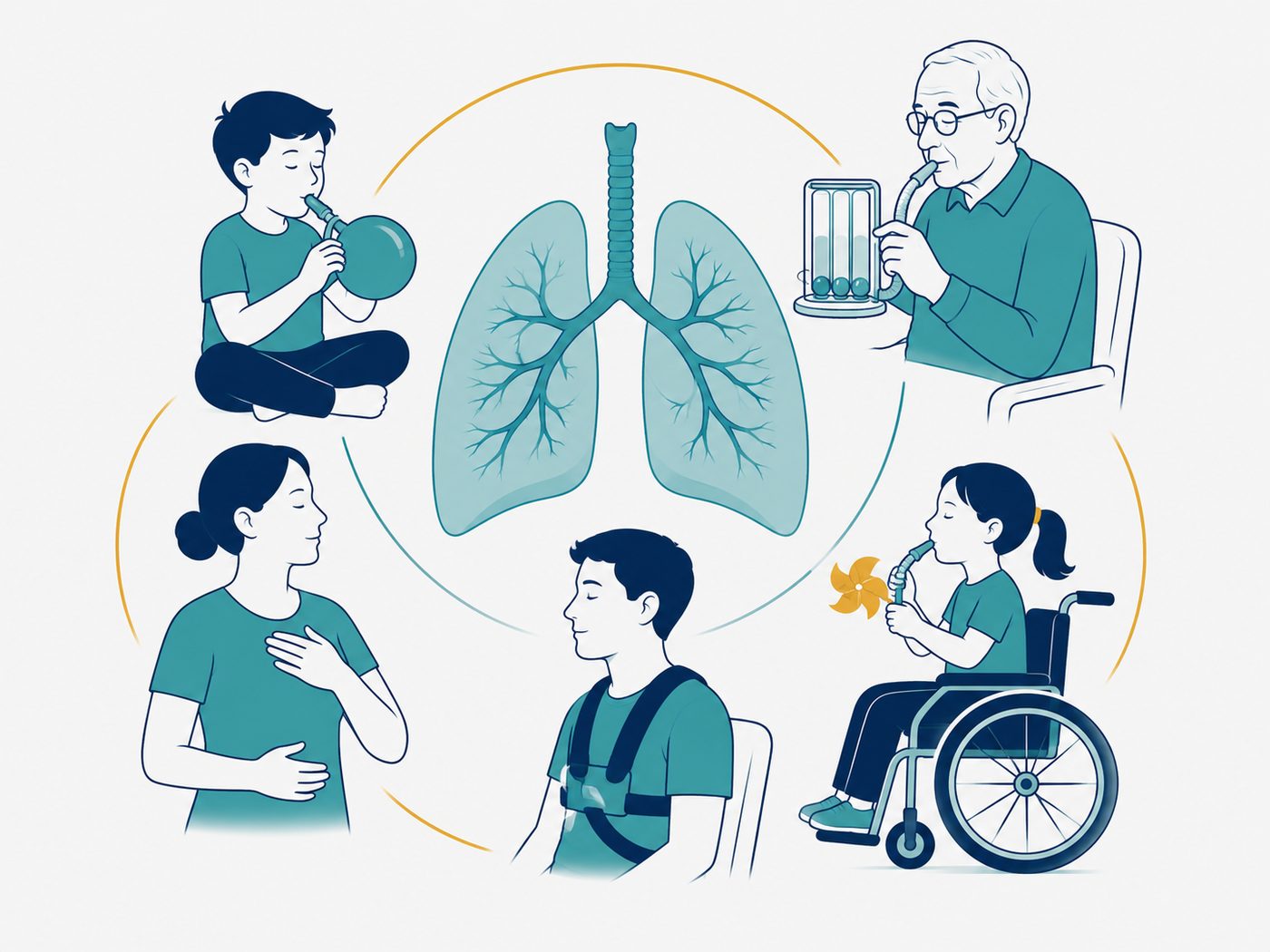
Respiratory physiotherapy focuses on improving breathing patterns, adapted physical training, improving endurance and learning techniques for clearing mucus where this is needed. The aim is to allow you to do more daily activities with less effort - always in combination with medical treatment, not instead of it.
Frequently asked questions
Quite the opposite. When activity is personally tailored, it can improve fitness and the capacity to cope with exertion - completely avoiding activity actually weakens the muscles and worsens the sensation of breathlessness over time.
Yes. Certain breathing techniques can ease the sensation of breathlessness in various situations, and you can learn and apply them gradually until they become natural.
No. Significant benefit can be gained even in the early stages of the disease - in fact, the earlier you start, the better the function you can preserve over time.
What’s worth remembering?
Even with COPD you can maintain a more active way of life. A combination of medical treatment, adapted activity and respiratory physiotherapy can help improve function and quality of life.
- COPD causes narrowing of the airways and limitation of airflow, with symptoms that develop gradually and aren’t always apparent in the early stages.
- Pulmonary rehabilitation is recognized in international guidelines as one of the most effective treatments for improving exercise tolerance and quality of life in COPD.
- Pursed-lip breathing can bring immediate relief from breathlessness on exertion; severe breathlessness at rest or a bluish tinge to the lips require immediate medical care.
Not sure if this is your situation? I’d be happy to give you a professional assessment and build a treatment plan that fits you.
Book a consultation callYou might also be interested in:
 Pain somewhere else?
Return to the interactive body map and pick an area
←
Pain somewhere else?
Return to the interactive body map and pick an area
←