← Knowledge Center
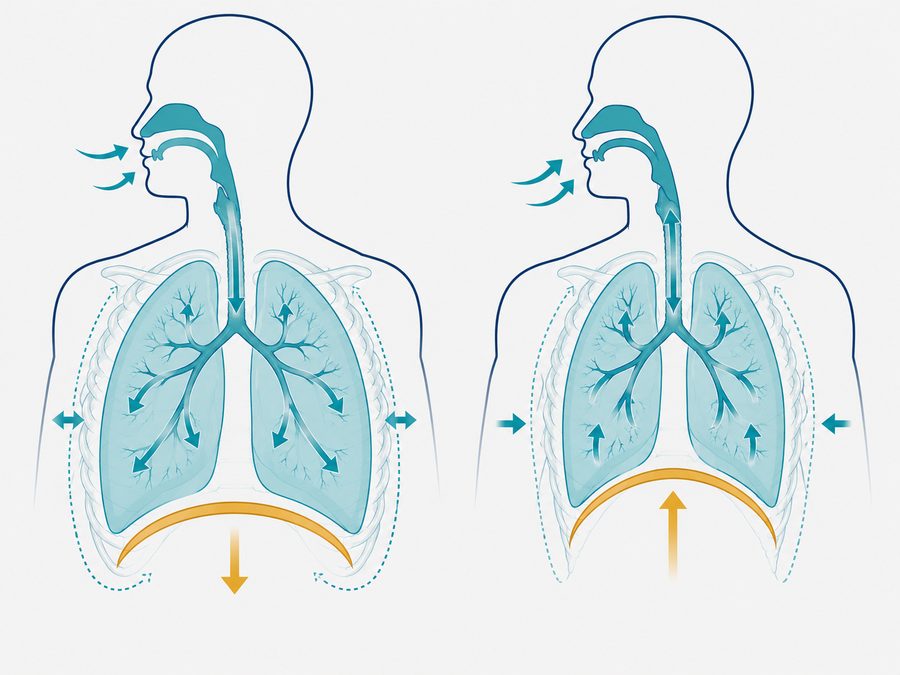
Breathing exercises for an easier life
Simple exercises that can improve the quality of your breathing day to day.
What’s important to know?
Simple breathing exercises such as diaphragmatic breathing and pursed-lip exhalation can significantly improve the quality of your breathing - with no special equipment needed.
Breathing exercises for an easier life
In the previous article we introduced the world of respiratory physiotherapy. Now it is time to dive (or exhale!) deeper and get to know the exercises and techniques I teach most in the clinic - ones you can start practising today, without special equipment.Why is it important to practice?
The lungs, like every muscle in the body, need training. People with lung conditions or breathing difficulties can improve their quality of life with simple exercises tailored to their needs. Beyond that, regular practice can reduce mental stress, improve the flow of oxygen through the body and help with recovery from respiratory illnesses.Popular exercises in respiratory physiotherapy
- Diaphragmatic breathing (belly breathing)
- What do you do?: Lie on your back, place one hand on your abdomen and the other on your chest. Breathe in deeply so that the abdomen fills with air while the chest stays still. Breathe out slowly through the mouth.
- Why is it good?: This method helps improve the function of the diaphragm, the central muscle of breathing.
- Pursed-lip breathing
- How?: Breathe in deeply through the nose, then breathe out slowly through pursed lips (as though you were whistling).
- Benefits: Reduces pressure in the lungs, improves the flow of oxygen and brings relief to people with COPD.
- Using simple devices
- A balloon or a training spirometer: Blowing up balloons or using breathing training devices (such as a spirometer) helps expand the lungs and clear them.
- Who is it suitable for?: Patients after chest surgery, people with asthma and anyone needing to improve lung capacity.
- A breathing recovery position
- What do you do?: Sit in a chair, lean forward with your elbows on your knees and breathe deeply.
- Aim: To ease breathing and release tension from the breathing muscles.
How do you fit exercises into daily life?
A professional tip
- A set time: Set aside 10-15 minutes a day for practice.
- Combine it with other activities: You can practice while watching television or while resting.
- Consistency is the key: As with any physical activity, results come with time.
When is it worth seeing a specialist?
When to get checked
If you’re dealing with chronic breathing difficulties, consult a qualified physiotherapist - they’ll build you a personal program, guide you through the exercises, and follow your progress.
In summary
Respiratory physiotherapy is far more than a medical treatment: it is a way to improve quality of life, one breath at a time. Whether you are coping with a chronic difficulty or looking to improve your lung function, start practising and see the difference!Not sure if this is your situation? I’d be happy to give you a professional assessment and build a treatment plan that fits you.
Book a consultation call
The content on this page is for general information and guidance only, doesn’t constitute a medical diagnosis, and isn’t a substitute for professional examination by a doctor or licensed physiotherapist.
You might also be interested in:
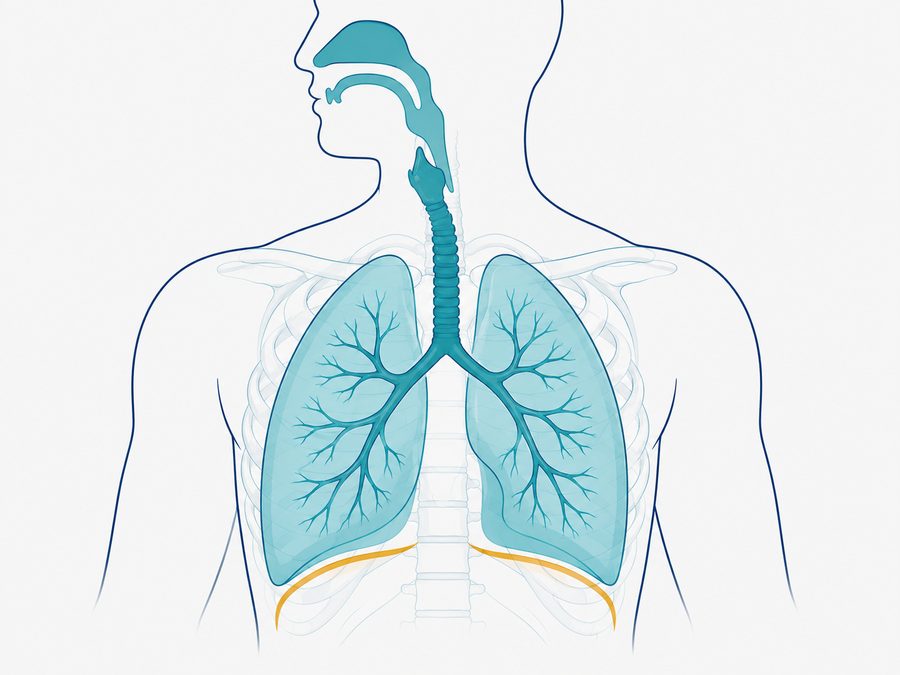
Feel your breathing is limited?
Shortness of breath, mucus, or difficulty clearing the airways.
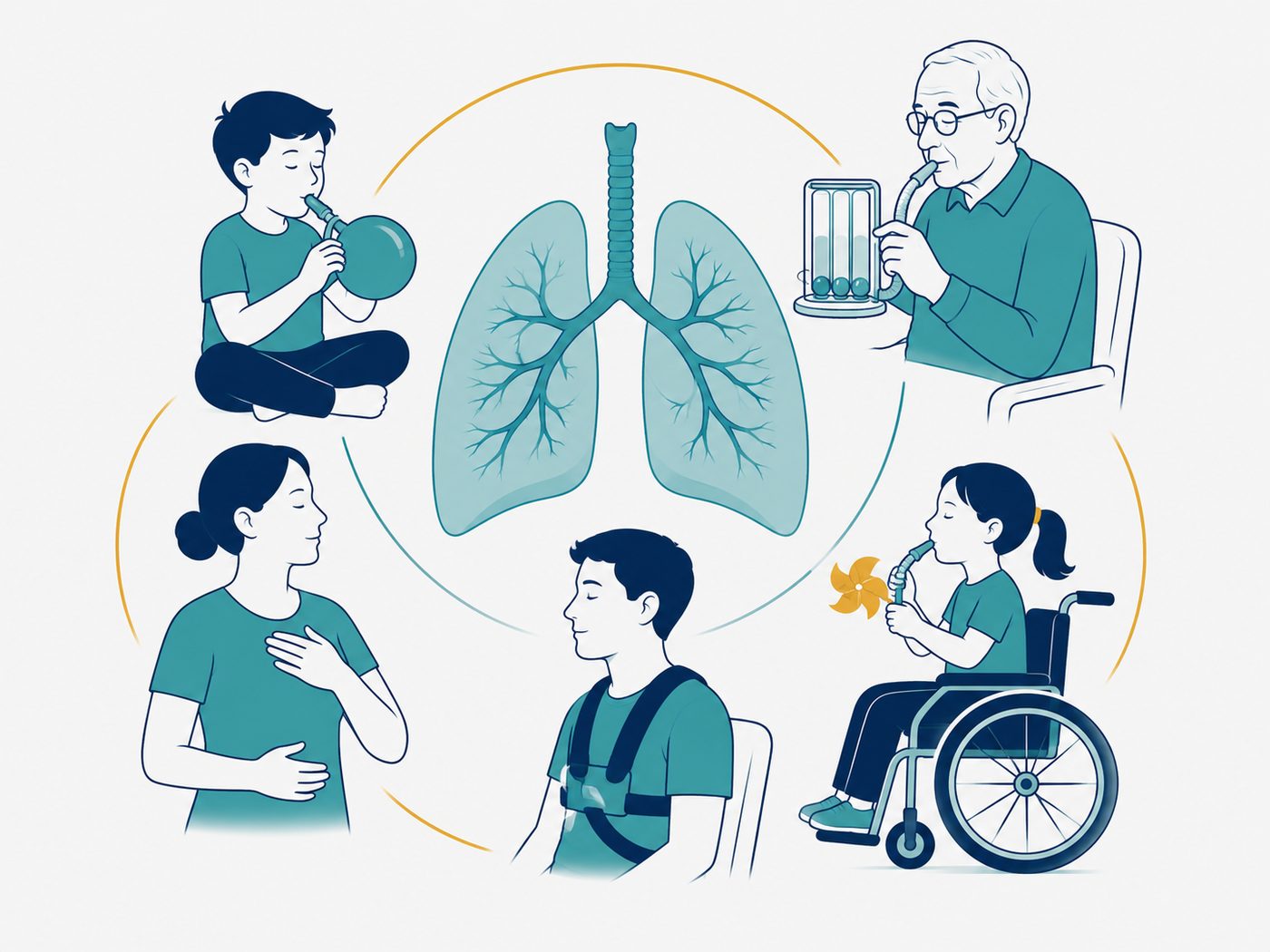
Looking for tailored respiratory care?
Information on respiratory care for children, adults, and populations with special needs.
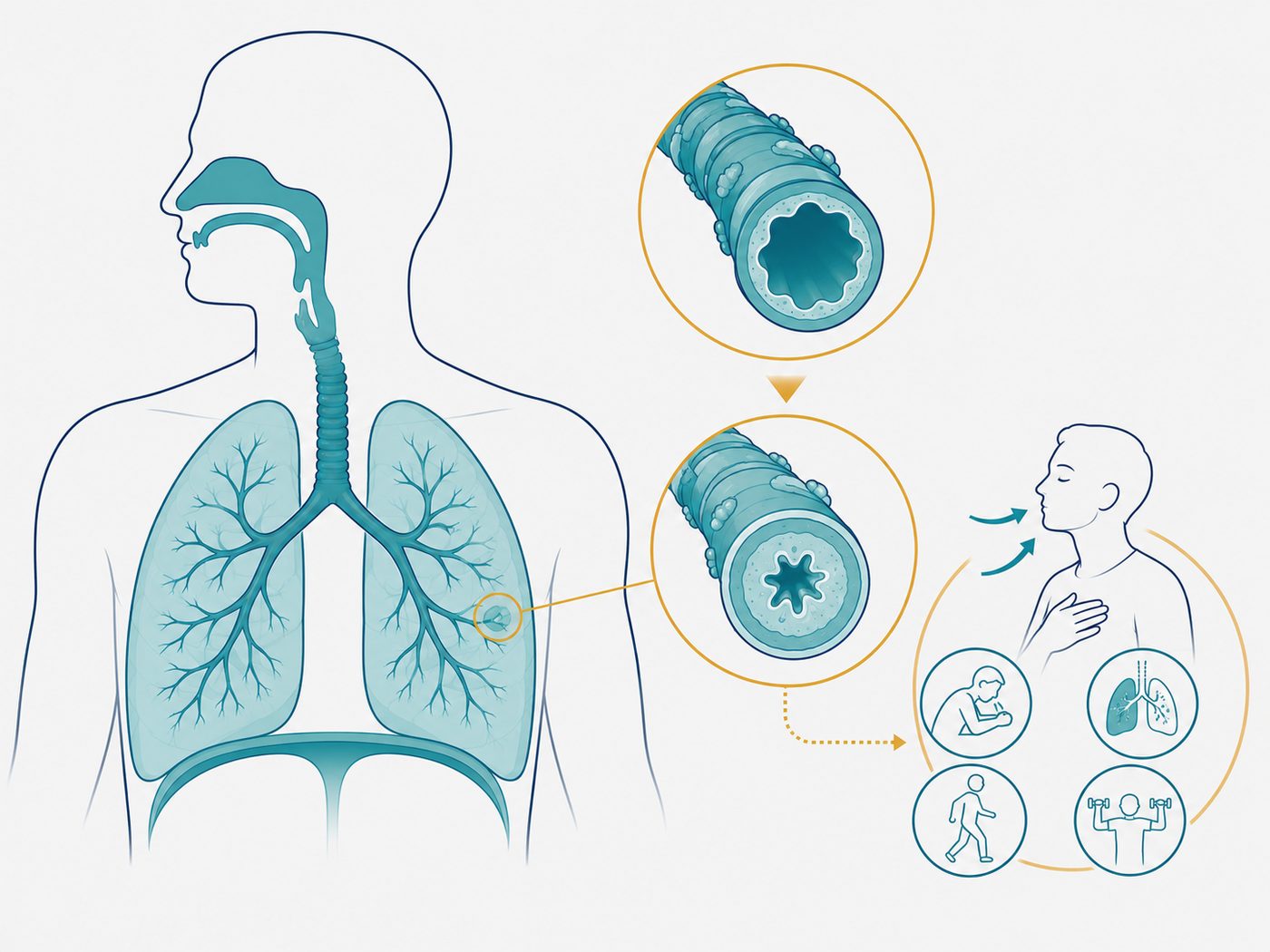
Out of breath even with small effort?
Shortness of breath that makes walking, stairs, or everyday tasks harder.
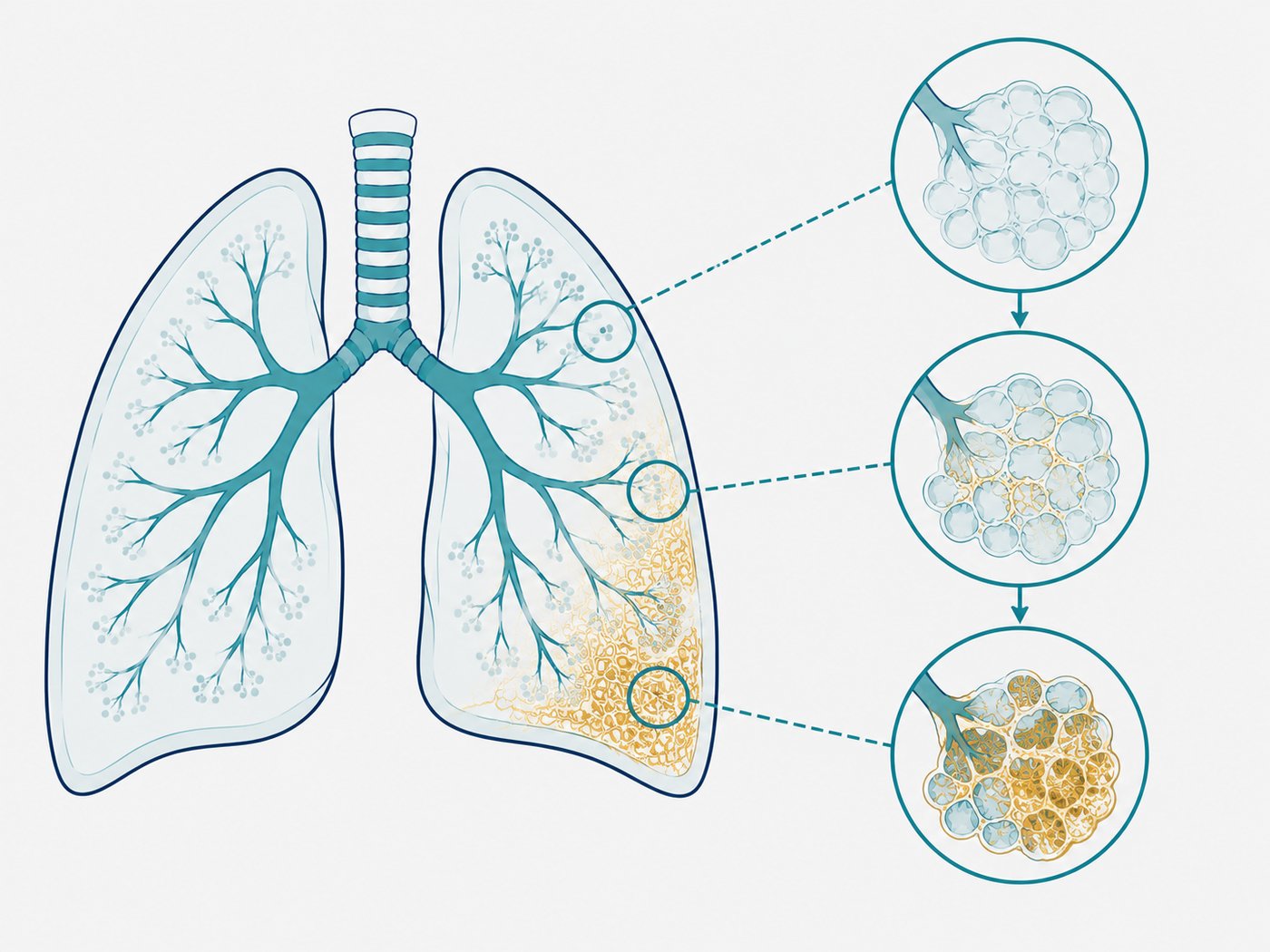
Shortness of breath gradually worsening over time?
Diseases that cause gradual scarring of lung tissue.
 Pain somewhere else?
Return to the interactive body map and pick an area
←
Pain somewhere else?
Return to the interactive body map and pick an area
←
When is a professional assessment worthwhile?
If you’re living with chronic breathing difficulties, consult a licensed physiotherapist - they’ll tailor a personal program, guide you through the exercises, and track your progress.