Respiratory Physiotherapy for Infants and Children
A guide for parents: when respiratory treatment truly helps, what you can do at home, and when to see a doctor - or go straight to the ER.
Most infant colds do not need physiotherapy - but when heavy secretions burden breathing, feeding and sleep, gentle respiratory treatment using modern techniques can bring real relief. This guide sorts it out: when yes, when no, what to do at home - and which signs require the ER immediately.
Few things stress parents like an infant battling mucus: noisy breathing, interrupted feeds, short nights - and someone has surely already said, take him to respiratory physiotherapy. So when is that actually right? Part of my professional experience was built in the pulmonology wards of Schneider Children’s Medical Center, and from that place I want to give you an honest answer - including the situations where physiotherapy is not the answer.
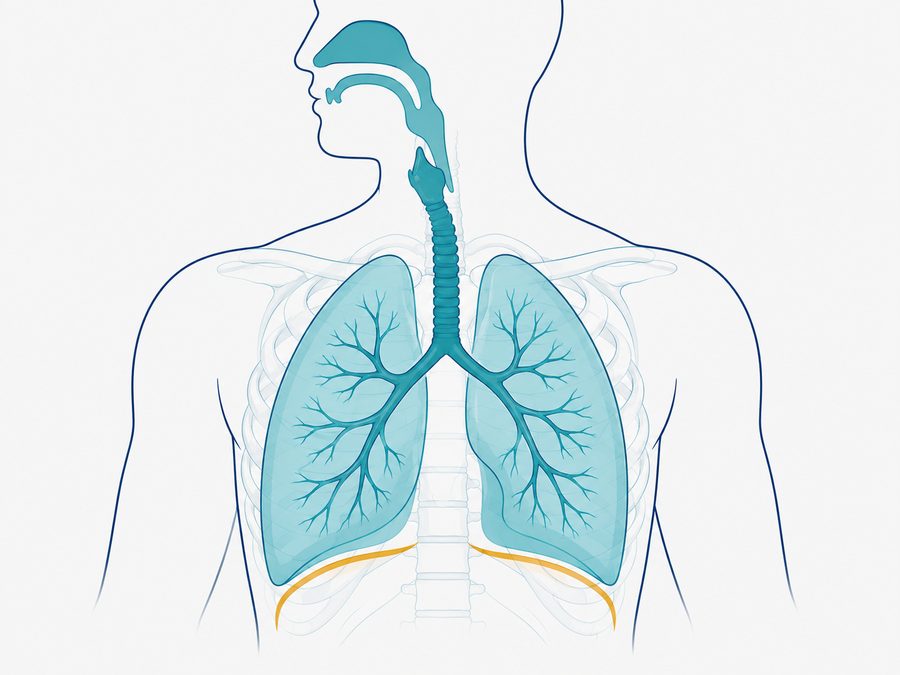
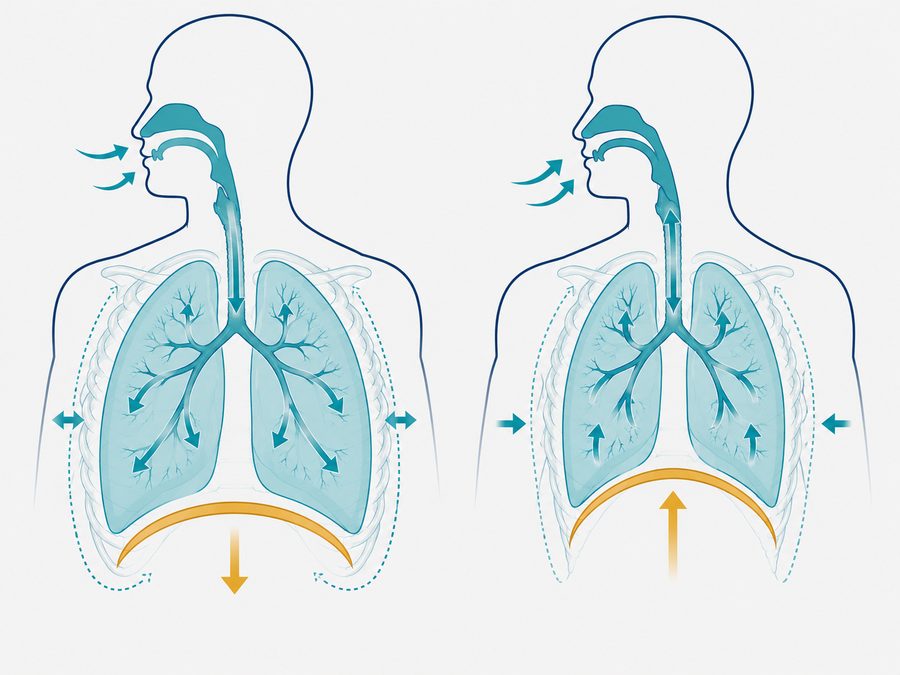
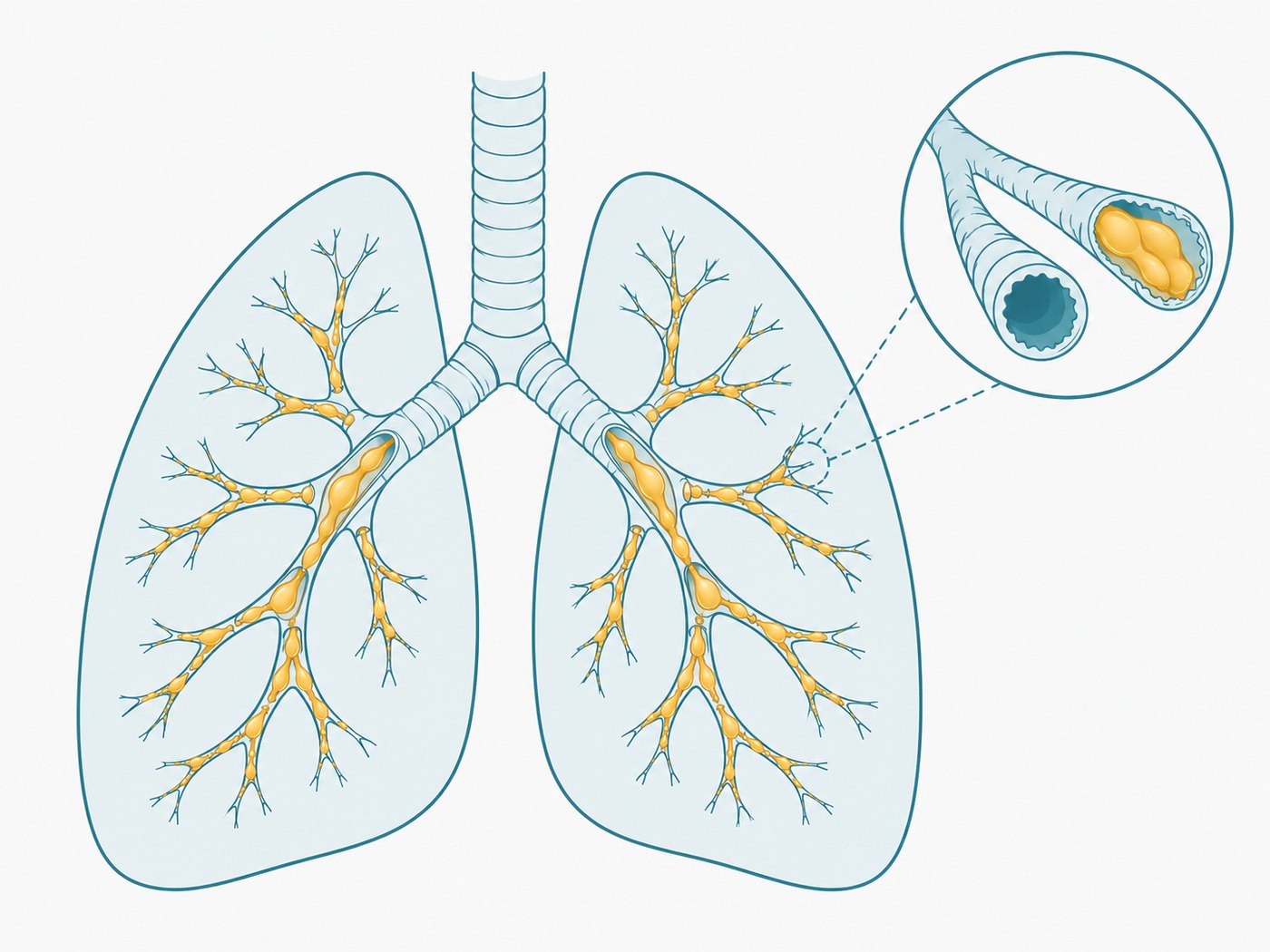
An important starting point: an infant’s respiratory system is not a small adult’s. The airways are very narrow, an effective cough barely exists in the first months, and babies breathe mainly through the nose - so a blocked nose or mucus in the airways affects them far more: breathing, feeding and sleep. That is why pediatric respiratory care is a field of its own, with its own techniques and safety rules.
When does a child actually need respiratory physiotherapy?
Not every bit of mucus calls for treatment. An ordinary cold in a healthy infant passes on its own, and respiratory treatment does not shorten it. The situations where physiotherapy adds real value:
Heavy secretions the child cannot clear - when mucus accumulates, burdens breathing and interferes with feeding and sleep, and the child’s cough is not strong enough to clear it alone.
Children with underlying conditions - neurological or muscular conditions that weaken the cough, airway anomalies, chronic lung disease or a history of prematurity. For these children, regular secretion clearance is part of routine care and infection prevention - and is sometimes combined with a cough assist device.
After an illness that leaves its mark - a wet cough lingering for weeks after pneumonia or a virus, a lung region that has not re-aerated properly, or the child for whom every illness goes to the chest.
Bronchiolitis: what does the research really say?
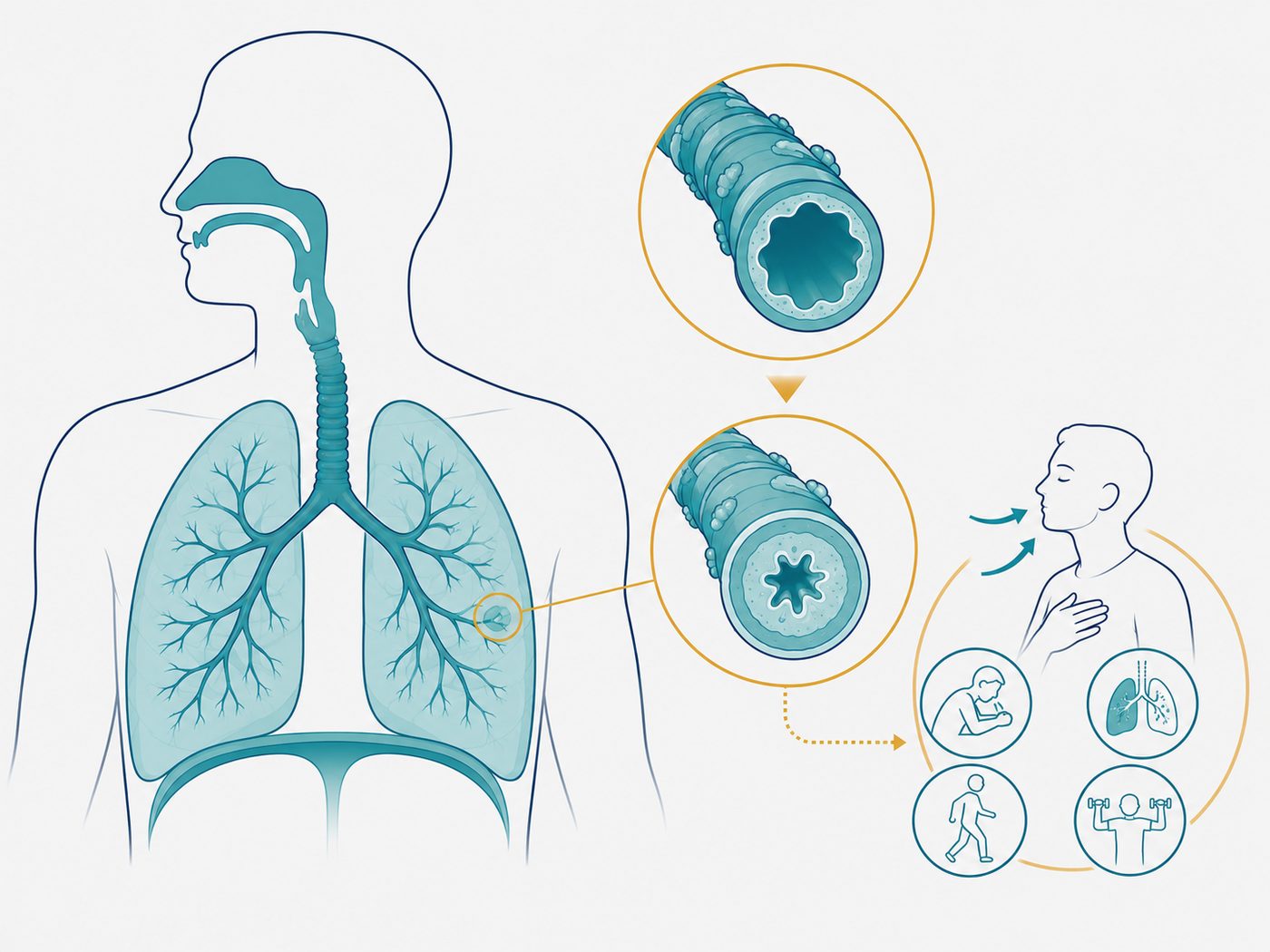
Bronchiolitis - inflammation of the small airways, usually from the RSV virus - is the central winter illness of infants under two, and also the topic with the most confusion around it. I prefer to show you the research picture as it is:
In mild disease - most cases - the infant recovers alone within days, and respiratory treatment is simply not needed. In severe disease - a hospitalized infant working hard to breathe - the research is clear: forced expiratory techniques do not improve the condition and may cause harm, so that infant belongs under medical supervision, not in clearance sessions.
And in between? This is where professional treatment does help: in infants with moderate disease and heavy secretions, slow, gentle expiratory techniques showed a mild-to-moderate improvement in symptom severity in trials - and the updated Cochrane review, along with a large 2025 randomized outpatient study, supports this direction. Not magic that cures the virus, but real help for a baby to clear secretions and get through the difficult days more comfortably.
Mild bronchiolitis - home, a clean nose and patience. Severe bronchiolitis - hospital. In between, when there is a lot of mucus and the baby is struggling - gentle respiratory treatment by a therapist who specializes in infants can bring real relief. And a professional assessment is what determines which box you are in.
What does treatment for an infant look like?
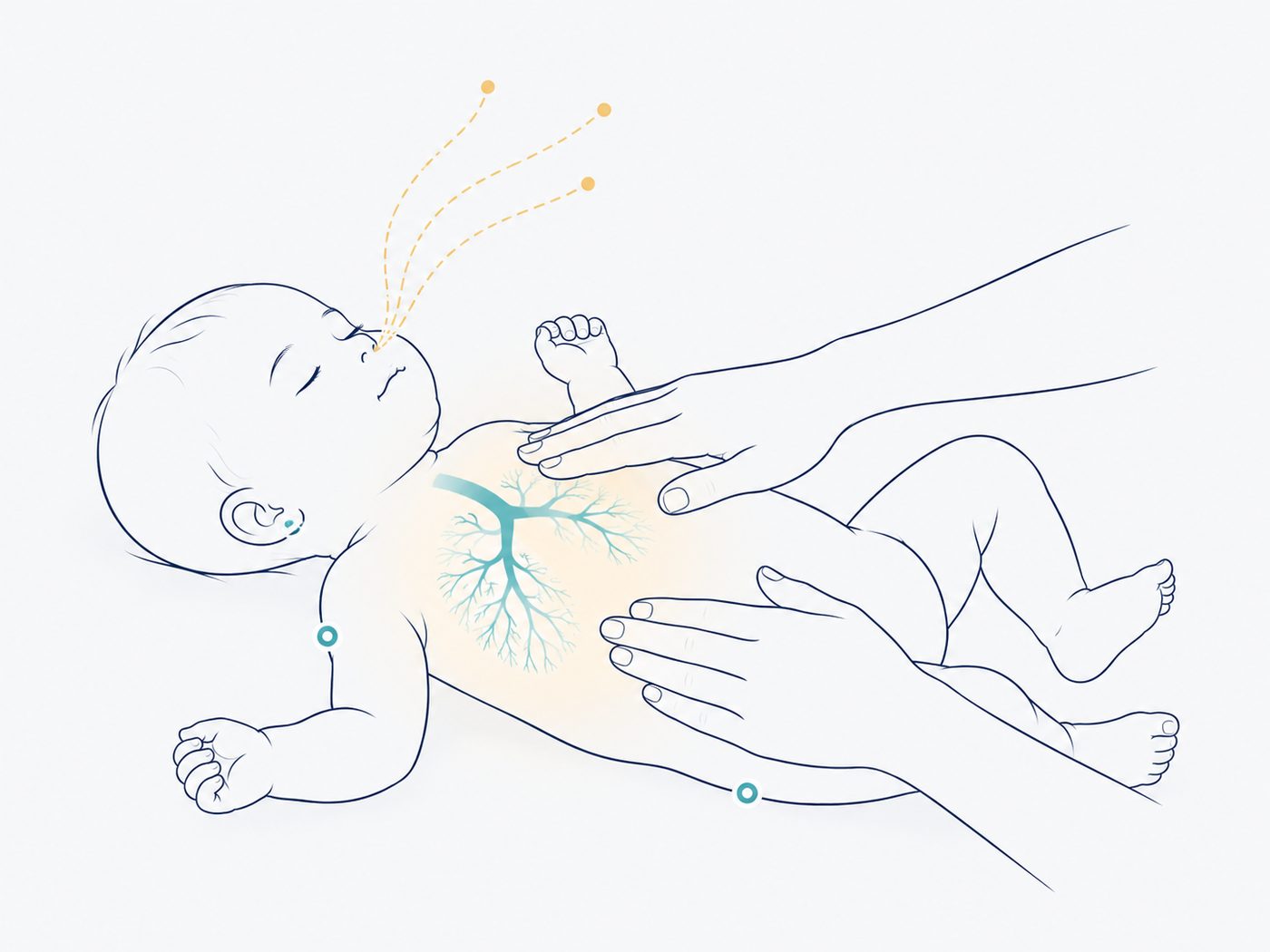
Anyone picturing the treatment of decades past - back-clapping and head-down positions - will be surprised. Modern treatment is gentle, quiet, and built on working with the infant’s own airflow:
It all starts with assessment - listening to the lungs, observing the breathing pattern, checking respiratory effort and warning signs. Only once it is clear that treatment is appropriate and safe - we treat.
Clearing the nose - for infants who breathe mainly through the nose, this is a critical step in itself: saline and gentle suction, which ease breathing immediately and prepare the baby for what follows.
Slow expiratory techniques - with hands on the chest and abdomen, the therapist accompanies the baby’s exhalation with gentle, graded pressure that moves secretions from the small airways toward the large ones - from where the baby coughs or swallows them. It looks almost like a calming touch, not like a procedure.
Parent coaching - perhaps the most important part: recognizing when mucus is building up, clearing the nose correctly, choosing feeding and resting positions, and knowing which signs require a doctor. A well-coached parent is the child’s best therapeutic tool.
What can you do at home?
A few simple principles that help almost every congested infant:
A clean nose before feeds and sleep - saline drops or spray, followed by gentle suction. A baby with an open nose feeds better and sleeps better - and that alone changes the picture.
Small, frequent feeds - a baby working to breathe tires quickly while feeding. Better less each time, more times a day, with breaks.
Keep fluids up - breastfeeding or bottle as usual; fluids keep secretions thin and easier to clear.
A smoke-free environment - exposure to smoking, even carried in on clothing, worsens every infant respiratory illness. It is the most significant environmental factor within your control.
And positioning? For sleep - always on the back, on a flat surface, per safe-sleep guidelines, even with a stuffy nose. Other positions are for supervised awake time only.
Red flags: when to go straight to the ER
Very fast, labored breathing; the skin pulling in between the ribs, above the collarbone or below the ribcage with each breath; grunting at the end of every exhalation; pronounced nasal flaring; pauses in breathing; a bluish tint of the lips or around the mouth; a floppy baby, unusually sleepy or hard to wake; refusal to feed or signs of dehydration (few wet diapers); and any fever in an infant under three months. In these situations - not physiotherapy and not waiting: immediate medical assessment.
This list is not meant to frighten you but to give you confidence: when none of these signs is present, and the problem is mucus weighing the baby down - there is plenty that can be done, gently and safely.
Frequently asked questions
Percussion and vibration techniques, common in the past, showed no benefit in bronchiolitis research - and today they are rarely used with infants. Modern treatment is based on slow, gentle airflow techniques that look and feel entirely different: closer to a guided caress than to patting.
In most cases, no. An ordinary cold in a healthy infant resolves on its own, and gentle saline nose-clearing before feeds and sleep is all that is required. Physiotherapy enters the picture when secretions are heavy and persistent, when there is an underlying condition, or when the baby struggles to feed and sleep because of the mucus.
Modern infant respiratory treatment is gentle. Some babies cry at the start - mainly during nose-clearing - which is natural and not a sign of pain. Most settle during the session, and quite a few fall asleep at the end once breathing is easier.
It depends on the situation. In an acute episode with heavy secretions, it is usually a handful of sessions during the illness itself, combined with parent coaching for home care. In children with underlying conditions or chronic secretions, an ongoing program is built - and there, your guidance as parents is a central part of the treatment.
Yes, adapted respiratory treatment is possible even in very young infants - provided the condition is suitable for community care and does not require medical supervision. With the very youngest, a careful assessment before any treatment, and coordination with the pediatrician, matter most.
- An ordinary cold in a healthy infant does not require physiotherapy; treatment is for heavy secretions, underlying conditions and lingering illness.
- In bronchiolitis: mild - passes on its own; severe - hospital; moderate with heavy mucus - slow, gentle expiratory techniques showed benefit in trials.
- Modern infant treatment is gentle: assessment, nose clearing, hands accompanying the exhalation - no clapping, no head-down positions.
- At home: a clean nose before feeds and sleep, small frequent feeds, fluids, and zero smoke exposure. Sleep - always on the back.
- Skin pulling in between the ribs, grunting, bluish lips, unusual sleepiness, refusal to feed, or any fever under three months of age - straight to the ER.
Not sure if this is your situation? I’d be happy to give you a professional assessment and build a treatment plan that fits you.
Book a consultation callYou might also be interested in:
 Pain somewhere else?
Return to the interactive body map and pick an area
←
Pain somewhere else?
Return to the interactive body map and pick an area
←