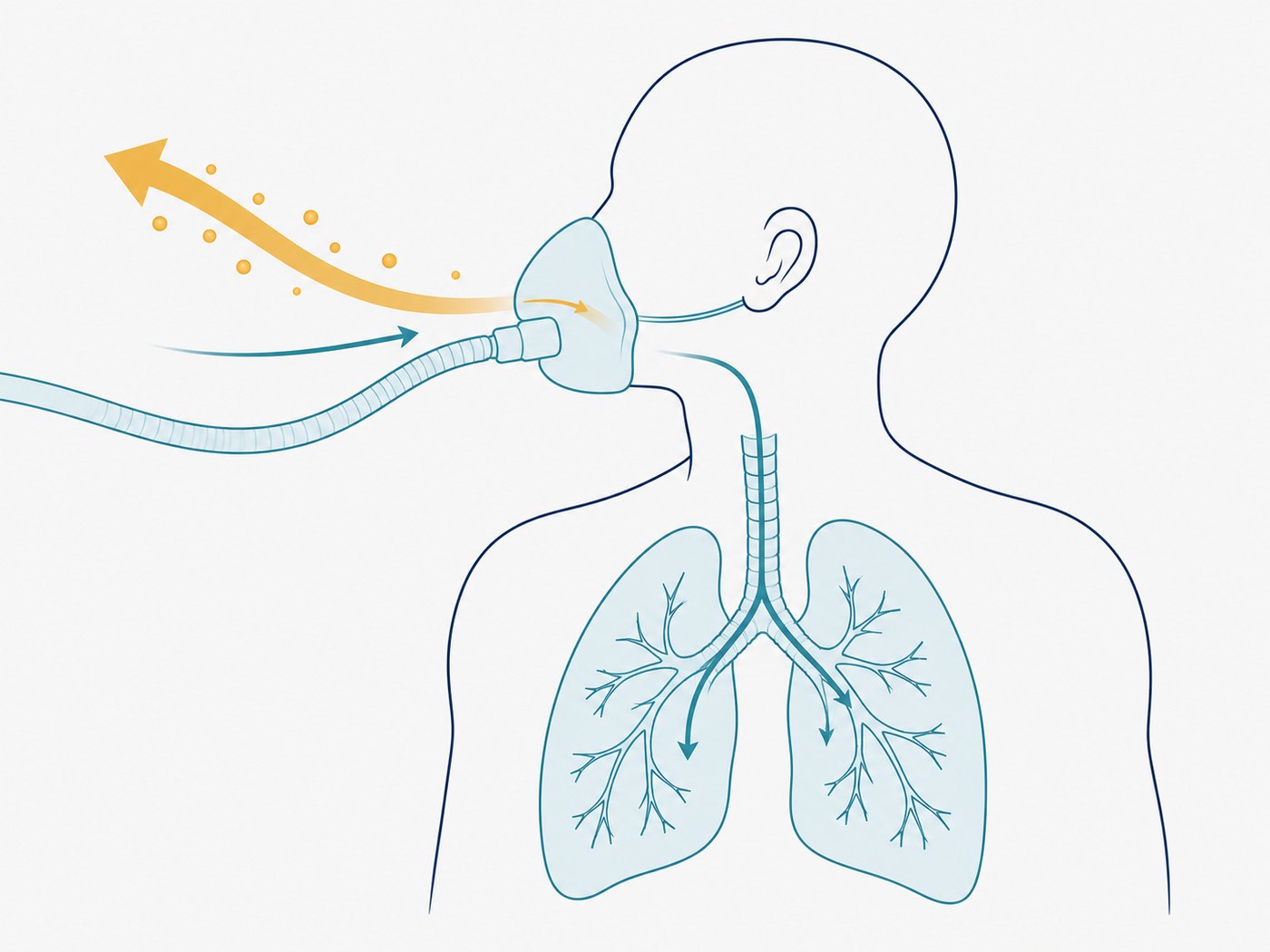
The Cough Assist device: who it’s for and how it works
A device that simulates an effective cough for someone whose muscles aren’t strong enough to cough alone.
A Cough Assist device delivers a deep inhalation followed by a rapid exhalation, simulating a cough for someone who can’t cough effectively. It’s intended mainly for muscle-weakness conditions, and is fitted and operated under professional guidance.
Coughing looks like a simple action, but it’s actually a precise sequence: a deep inhalation, closure of the vocal cords, then a fast, strong exhalation that pushes out what has accumulated. Every stage requires working muscles.
When the muscles are weak, this sequence breaks down. The cough sounds weak and fails to clear mucus, and the secretions stay inside. The Cough Assist device is designed exactly for this gap: it supplies the inhalation and exhalation in place of the muscles.
How does the device work?
The principle is simple and elegant. Through a mask or an adapter, the device:
- delivers air at positive pressure filling the lungs deeper than usual
- quickly flips to negative pressure, and creates a strong outward airflow
- thereby simulating a cough which moves secretions from the small airways to the large ones, from where they’re easier to clear
We run a series of such cycles, with breaks in between, sometimes combined with manual clearance techniques or other equipment.
Who is it intended for?
The device is intended mainly for situations where Cough strength is impaired, chief among them diseases of the muscles and the nervous system:
- Muscular dystrophy and other muscle diseases
- Spinal muscular atrophy (SMA) and other neuromuscular conditions
- ALS and progressive motor diseases
- Cerebral palsy and conditions with significant motor impairment
- Spinal cord injuries high
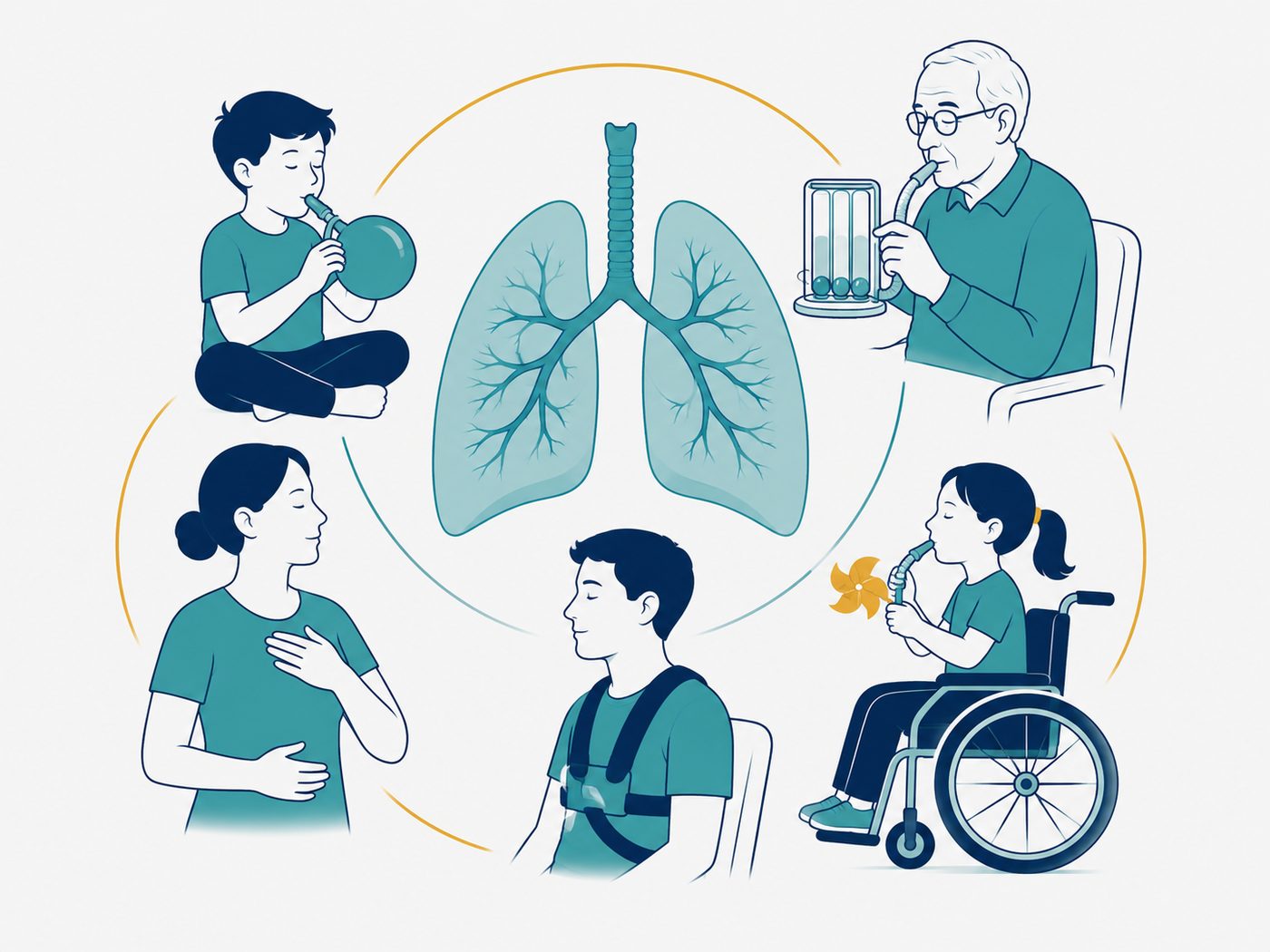
It’s used by children and adults alike, and there are measures that help the care team decide when it’s needed, including measuring cough strength.
What does it look like at home in practice?
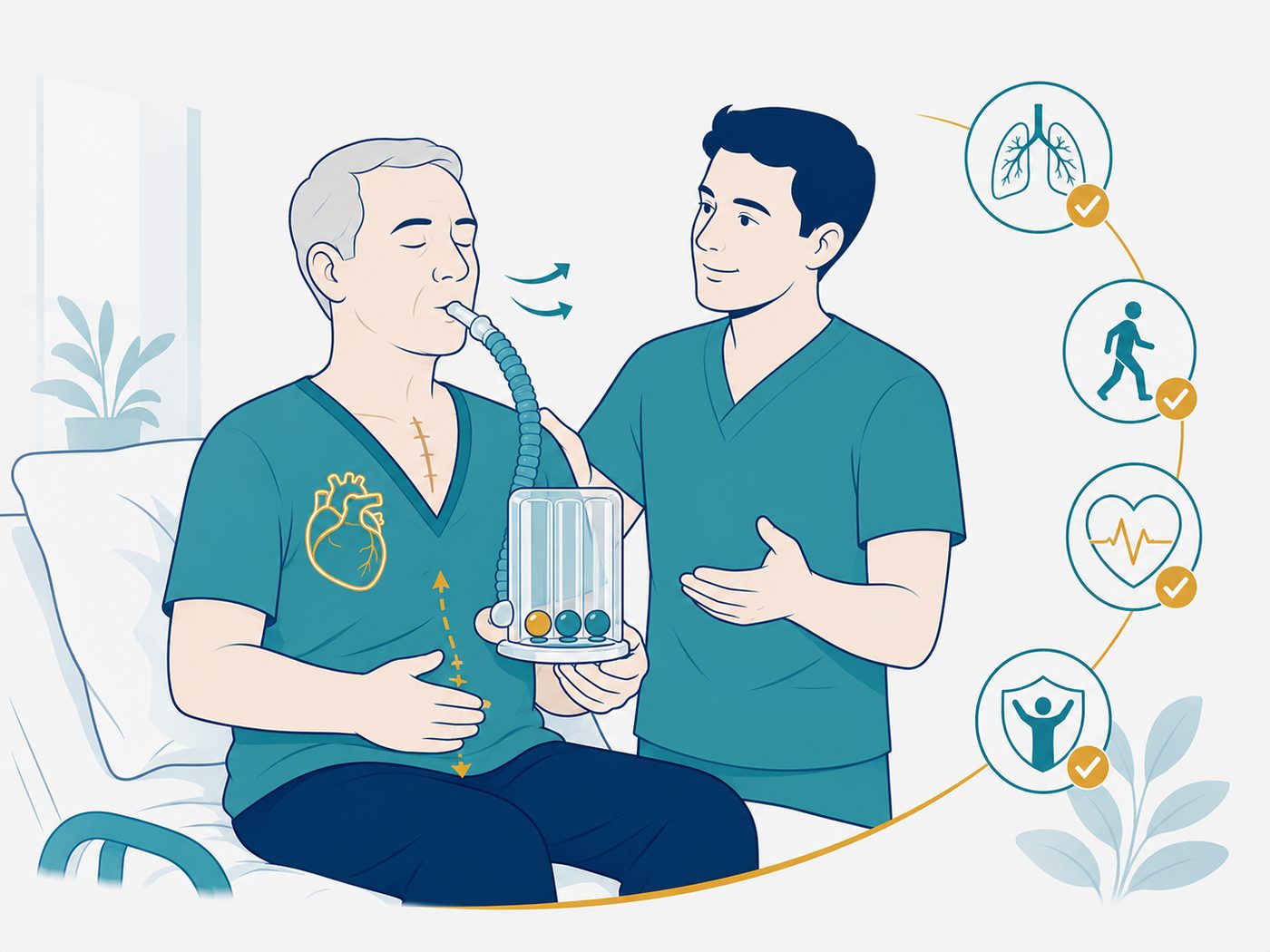
In most cases the device is at home, and it’s operated by the family or caregivers. My role as a physiotherapist is:
- Calibrating the settings together with the medical team, according to age and condition
- Teaching the technique: Timing, positioning, and what to do between cycles
- Integrating the device into the routine together with the rest of the respiratory treatment
- Updating over time, because needs change
Working with the family is central here: a device that isn’t used correctly, or that sits in a closet, helps no one.
What’s important to know beforehand?
The settings aren’t one-size-fits-all; they are determined personally by a professional team. Using unsuitable settings can be unpleasant and even unsafe.
There are situations requiring special caution or where the device isn’t suitable, including air leak from the lung, certain chest injuries, or medical instability. That’s why the decision to use it is always made under medical supervision.
Frequently asked questions
Most users adjust quickly. At first the sensation may feel strange, so you start with gentle settings and increase gradually, working on calm breathing and timing.
This is set individually, and changes between calm periods and periods of exacerbation or illness, when frequency is usually increased.
That’s a common mistake. In some conditions, regular use is what prevents buildup in the first place. The care team sets the frequency.
The settings are determined by the medical and physiotherapy team, not independently. Even after calibration, it’s worth rechecking them from time to time.
What’s worth remembering?
The Cough Assist device answers situations where the cough is too weak to clear secretions, mainly in muscle weakness. Its value depends on personal calibration of the settings and proper integration into the daily treatment routine.
- A Cough Assist device simulates an effective cough for someone whose muscle strength isn’t enough to cough alone.
- It’s intended mainly for muscle-weakness conditions, in children and adults alike.
- The settings are personally determined by the care team, and its use is taught and supported over time.
Not sure if this is your situation? I’d be happy to give you a professional assessment and build a treatment plan that fits you.
Book a consultation callYou might also be interested in:
 Pain somewhere else?
Return to the interactive body map and pick an area
←
Pain somewhere else?
Return to the interactive body map and pick an area
←