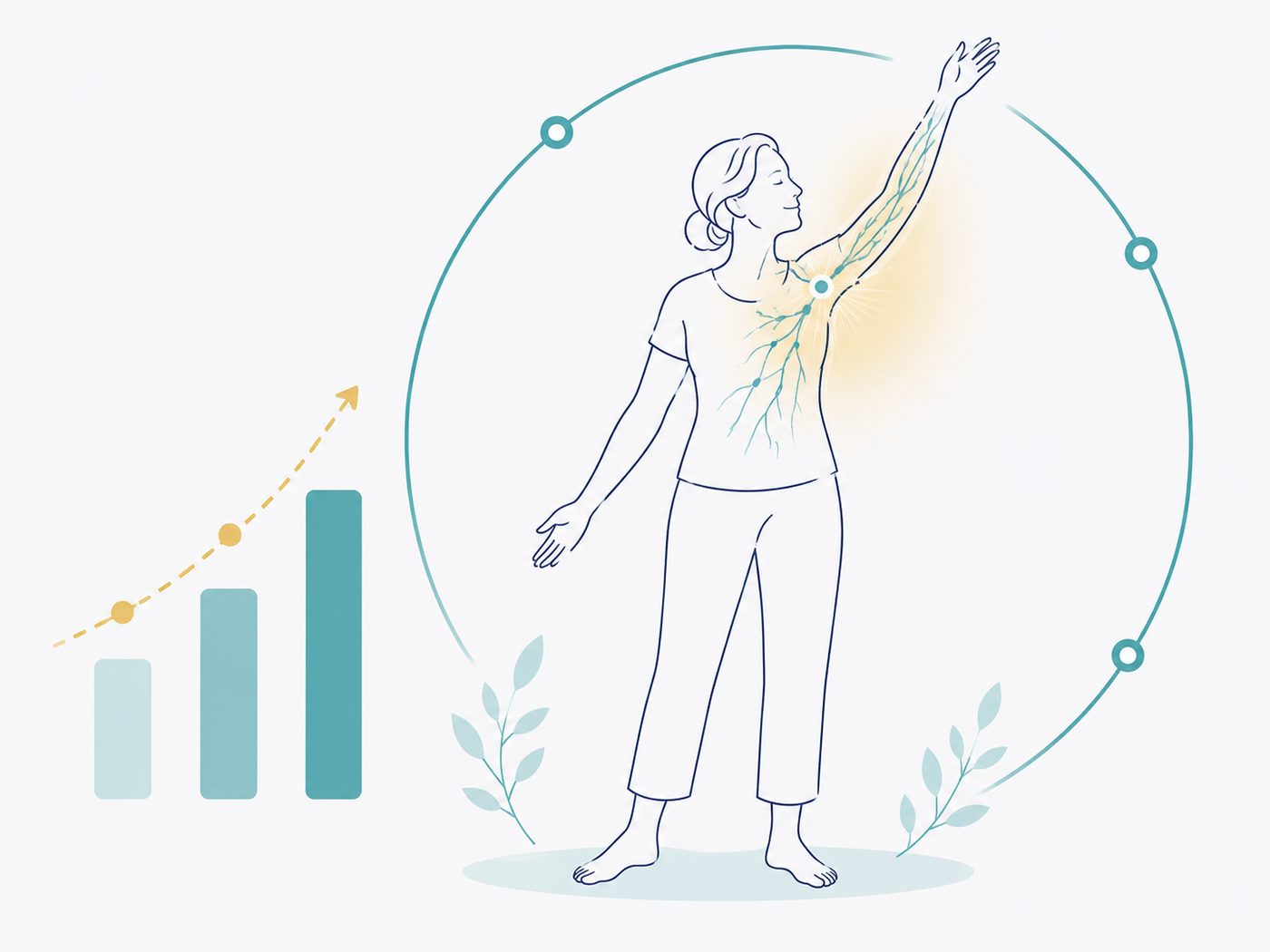
Oncological physiotherapy: keeping your body strong through treatment
From diagnosis, through treatment, to recovery - why the right movement is part of the treatment itself, for children and adults.
Adapted physical activity during oncological treatment is safe in most cases - and usually recommended. Starting to build strength early, right from diagnosis, helps the body cope better with the treatments. Everything is coordinated with your oncology team.
Oncological treatments - chemotherapy, radiation, surgery - save lives, but they take a toll on the body: deep fatigue that rest doesn't fix, loss of strength and muscle mass, and reduced daily function. One thing to say up front: physiotherapy here complements the medical treatment and runs in full coordination with it - it never replaces it.
Why physiotherapy right now?
Many patients tell me it's the fatigue, more than the pain, that breaks their routine. And here's what surprises many people: the research consistently shows that adapted movement - not complete rest - is one of the most effective tools against cancer-related fatigue. A body that keeps moving, at the right level for it, copes better with the treatments and recovers from them faster.
Adapted physical activity during oncological treatment is considered safe in most cases, and the leading professional organizations recommend it - as long as it's built around your condition and coordinated with your care team.
Start at diagnosis
The best time to start strengthening your body isn't "after the treatments are over" - it's right at diagnosis. This approach is called prehabilitation: you arrive at treatment or surgery with a stronger body, better-trained lungs, and a bigger reserve - all of which improve how you cope and shorten your recovery.
Even a modest start counts: short walks, breathing exercises, gentle strengthening. The goal isn't records - it's keeping the body active and ready.
What treatment looks like
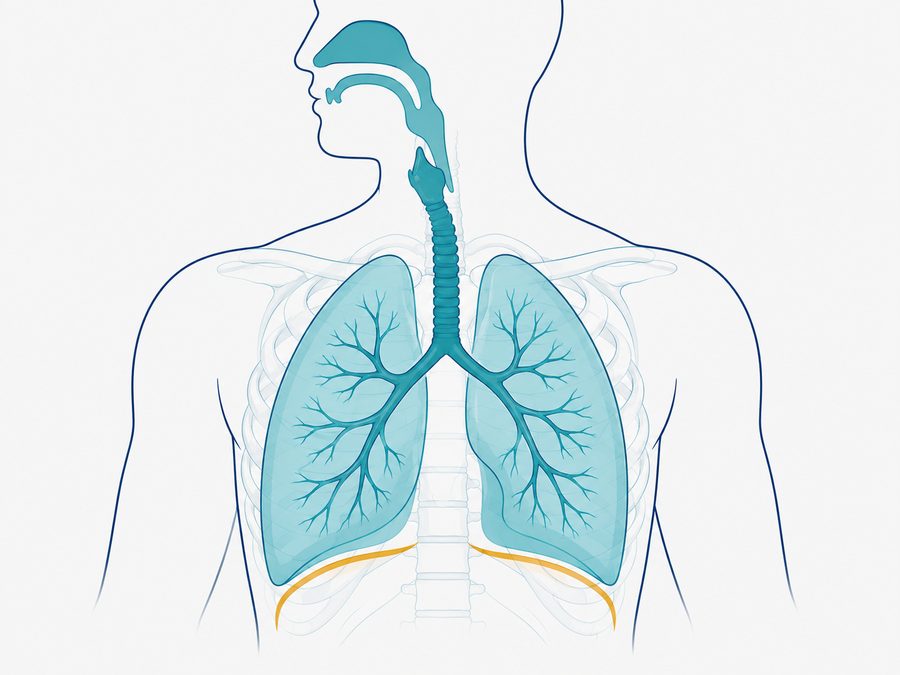
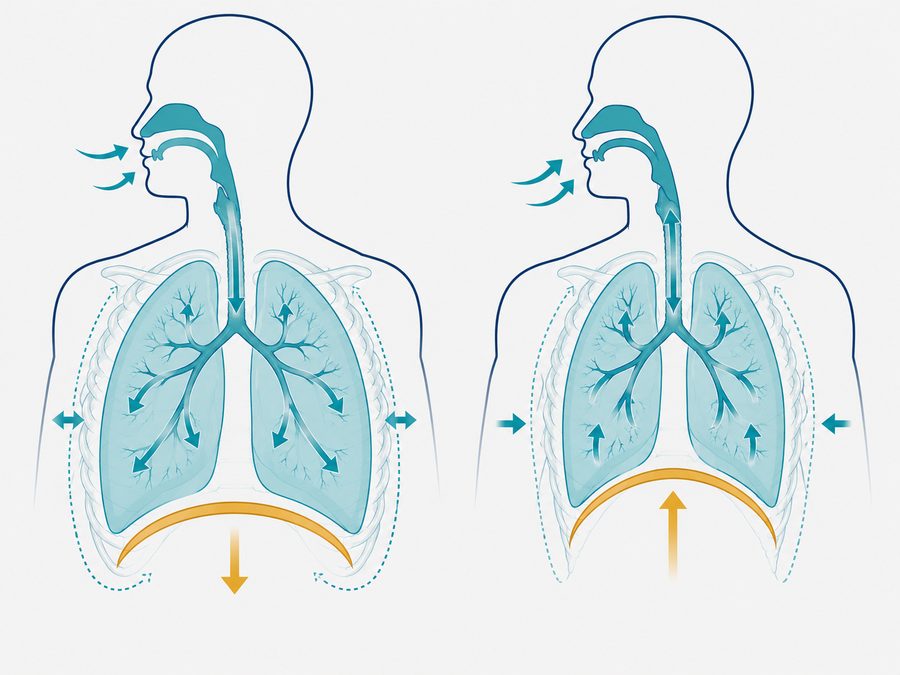
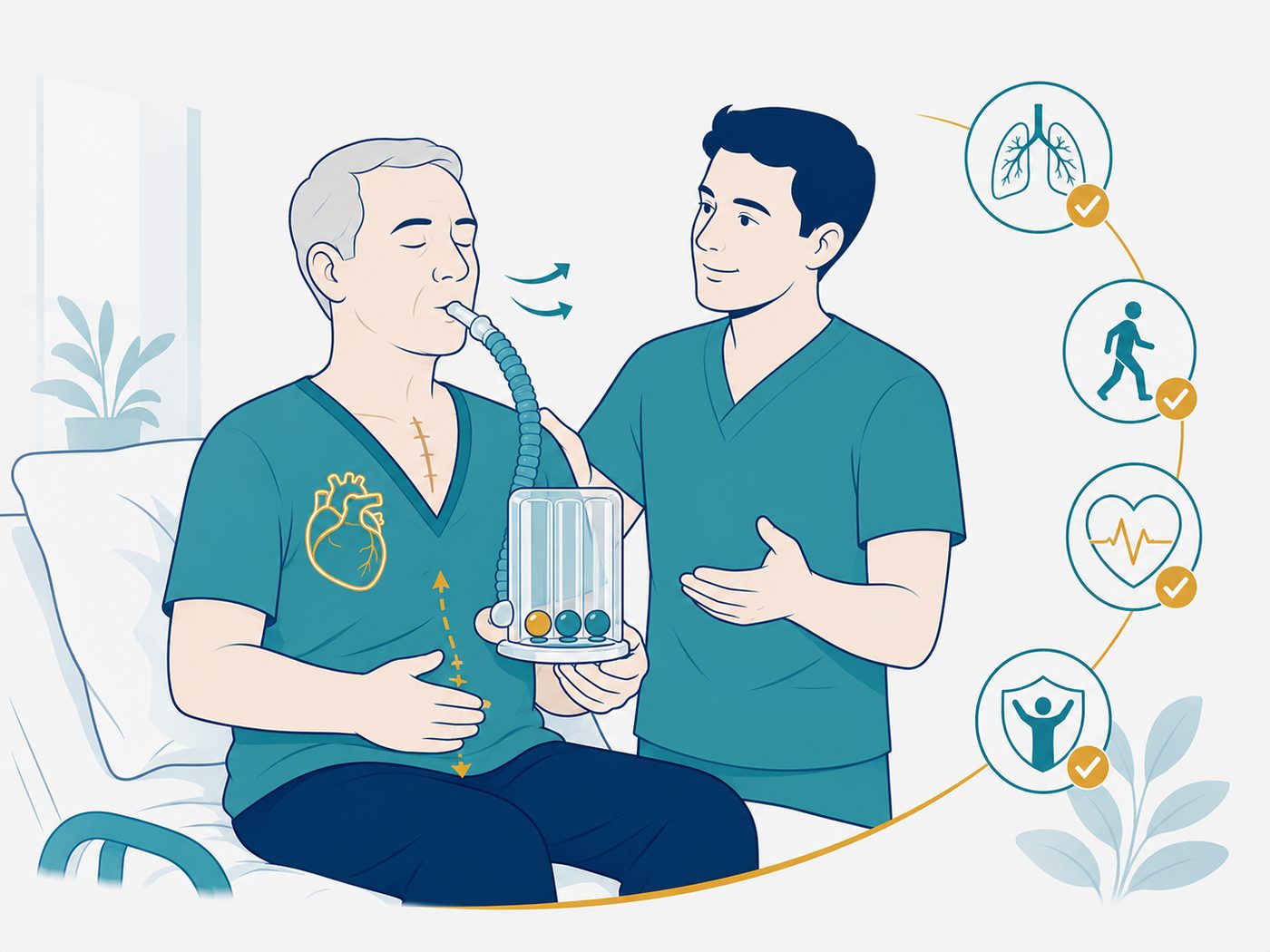
After a proper assessment, we build a personal, flexible plan that changes with the stage of treatment and how you respond to it. It can include gradual strengthening and preserving muscle mass, endurance work, breathing exercises and airway clearance when the lungs are involved, and adjusting daily activities so they take less energy.
I gained my experience in this field in the pulmonary and oncology wards of Schneider Children's Medical Center, working with complex cases - and that's the foundation I work from today, with children and adults alike. The principle is the same at any age: match the load to the condition, and update it at every session.
And on the hard days? There are days when blood counts are low, there's a fever, or the fatigue takes over. On days like these you don't give up on the treatment - you adapt it: sometimes it's just breathing practice in bed, sometimes a short walk down the corridor. That flexibility is the heart of it. And family? The door is open - guiding the family on how to help is part of the treatment.
Frequently asked questions
In most cases, yes - when the activity fits your condition and is coordinated with your oncology team. On some days we adjust the load or change the type of exercise, and that's exactly what a guided plan is for.
It sounds backwards, but gentle, graded movement is one of the most effective tools against cancer-related fatigue - more than long rest. You start small, at your own pace, and build from there.
Yes. I gained my experience partly in the pulmonary and oncology wards of Schneider Children's Medical Center, and the treatment is adapted to age, ability, and treatment stage - for children and adults alike.
What’s worth remembering?
Oncological physiotherapy isn’t an "extra" - it’s part of your care: preserving strength and function, reducing fatigue, and walking with you from diagnosis to recovery - always in full cooperation with your oncology team.
- Adapted movement during oncological treatment is safe in most cases - and one of the best tools against fatigue.
- The best time to start is at diagnosis - a stronger body copes better with treatment.
- The plan is flexible and updates with your condition, in full coordination with your oncology team - for children and adults.
Not sure if this is your situation? I’d be happy to give you a professional assessment and build a treatment plan that fits you.
Book a consultation callYou might also be interested in:
 Pain somewhere else?
Return to the interactive body map and pick an area
←
Pain somewhere else?
Return to the interactive body map and pick an area
←