PCD - primary ciliary dyskinesia: what it is and how it’s treated
A rare genetic condition in which the natural cleaning mechanism of the airways doesn’t work properly, requiring active clearance across a lifetime.
In PCD the tiny cilia that clean the airways don’t move properly, so secretions stay where they are. Diagnosis tends to be delayed by years, and treatment rests mainly on regular airway clearance, physical activity and monitoring.
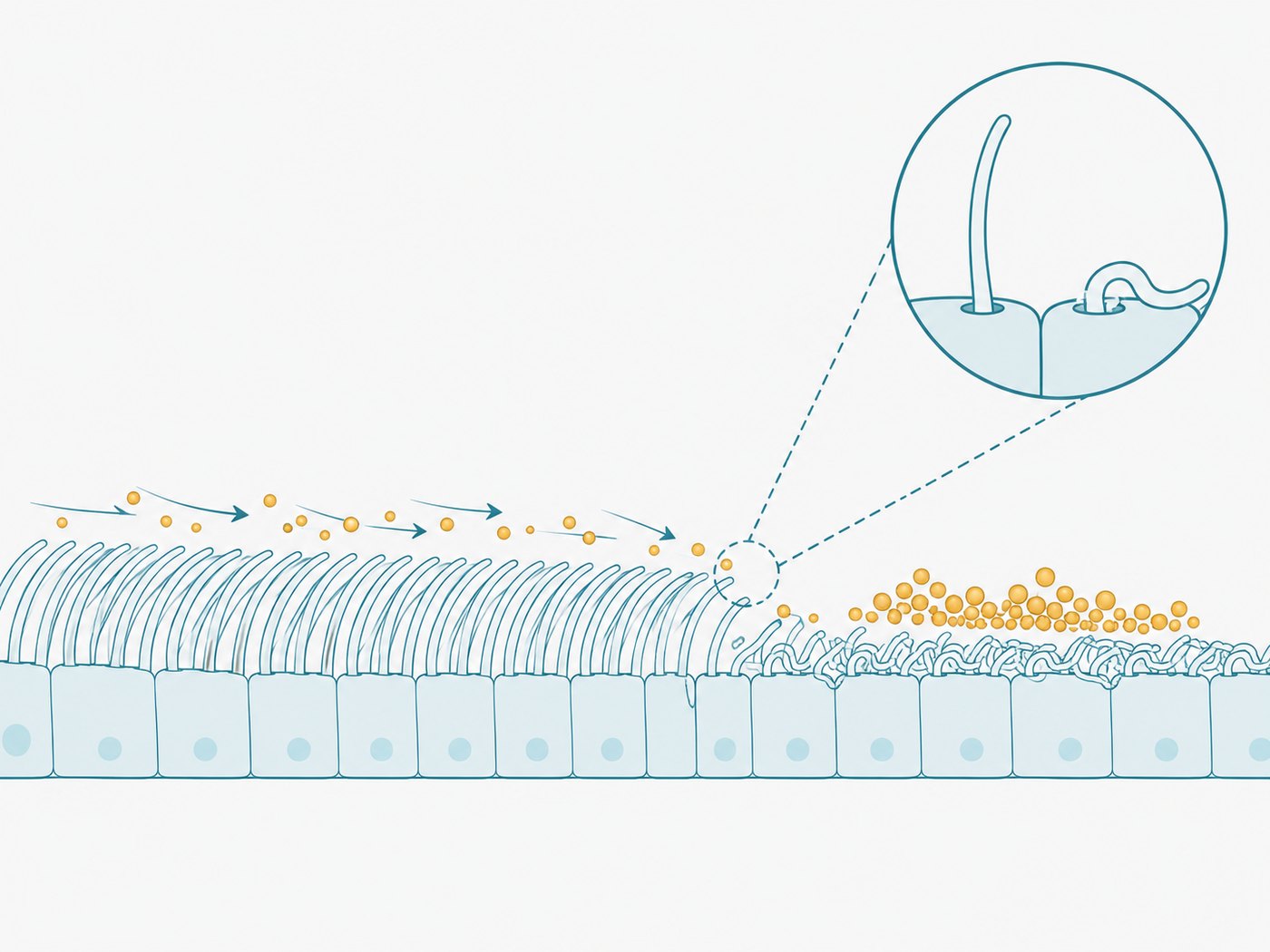
Along our airways there is a layer of tiny cilia that move in coordination, pushing mucus, dust and bacteria upward. This is an automatic cleaning system that works without our noticing it.
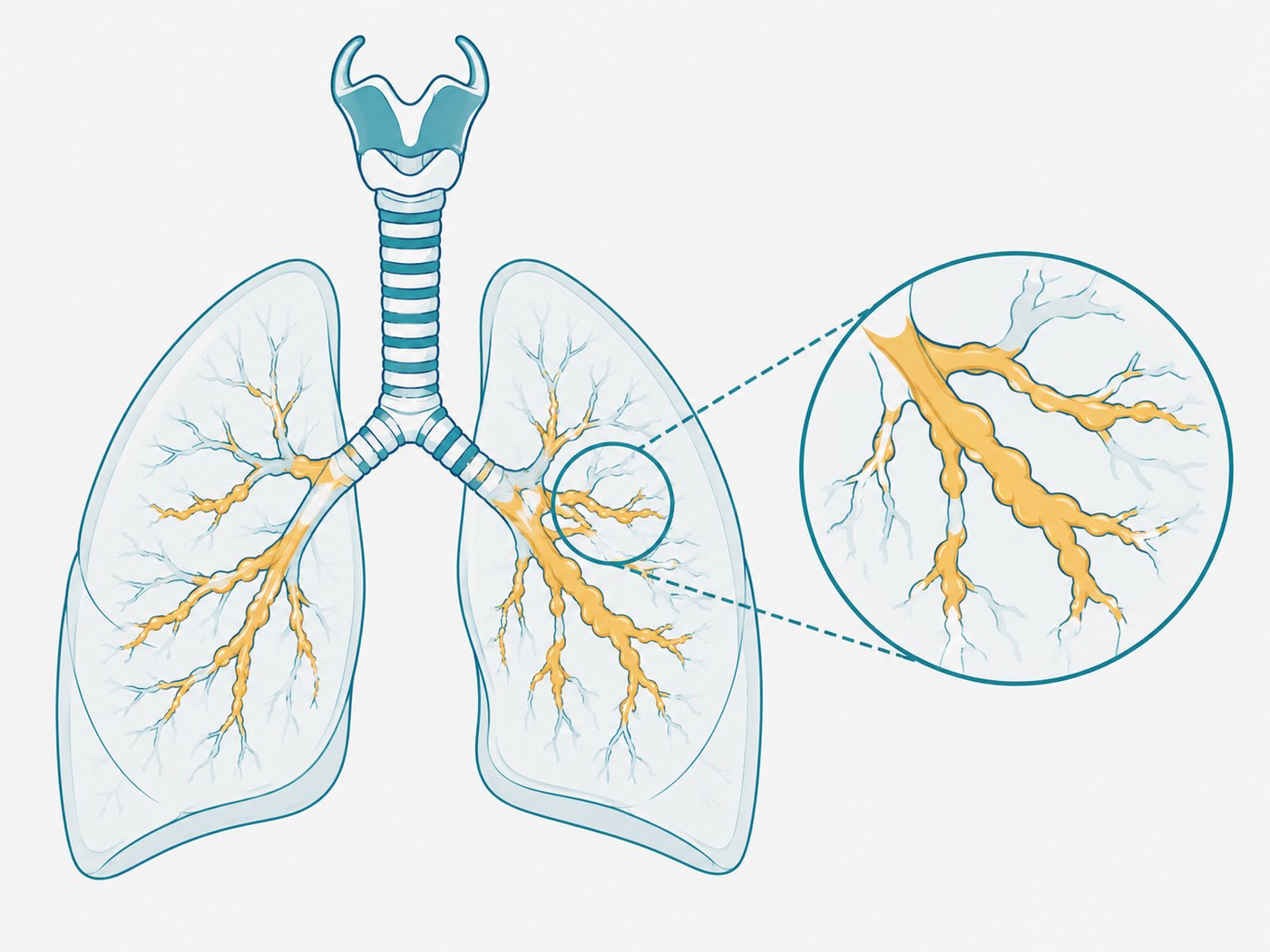
In PCD (short for Primary Ciliary Dyskinesia) this system doesn’t work properly from birth. Secretions stay where they are, and from there follows a chain of persistent wet cough, recurrent infections, and over time structural damage to the airways as well.
How does it usually feel?
The clearest sign is a wet cough that is present almost all the time, usually from a very young age, and not only during periods of illness. Alongside it there usually appear:
- Chronic congestion and a runny nose and recurrent sinus infections
- Recurrent ear infections, sometimes with an effect on hearing
- Respiratory distress at birth in babies born at term, a sign that raises suspicion
- Recurrent pneumonia and later the development of bronchiectasis
In around half of those diagnosed, the body’s organs are arranged in mirror image, a finding that helps point toward the diagnosis.
Why is diagnosis delayed for so long?
Each symptom on its own is very common in childhood: cough, runny nose, ear infections. That’s why the picture is often interpreted as a chain of colds, as asthma or as an allergy, and diagnosis is delayed for years.
What distinguishes PCD is precisely the continuity: a wet cough present almost all the time from a young age, together with involvement of the nose, ears and lungs, and sometimes a family history as well.
Diagnosis is carried out in specialist centers and combines several tests, including measuring nasal nitric oxide, microscopic examination of ciliary movement and genetic testing. It’s important to say: a single test is usually not enough to establish or rule out the diagnosis.
How does respiratory physiotherapy help?
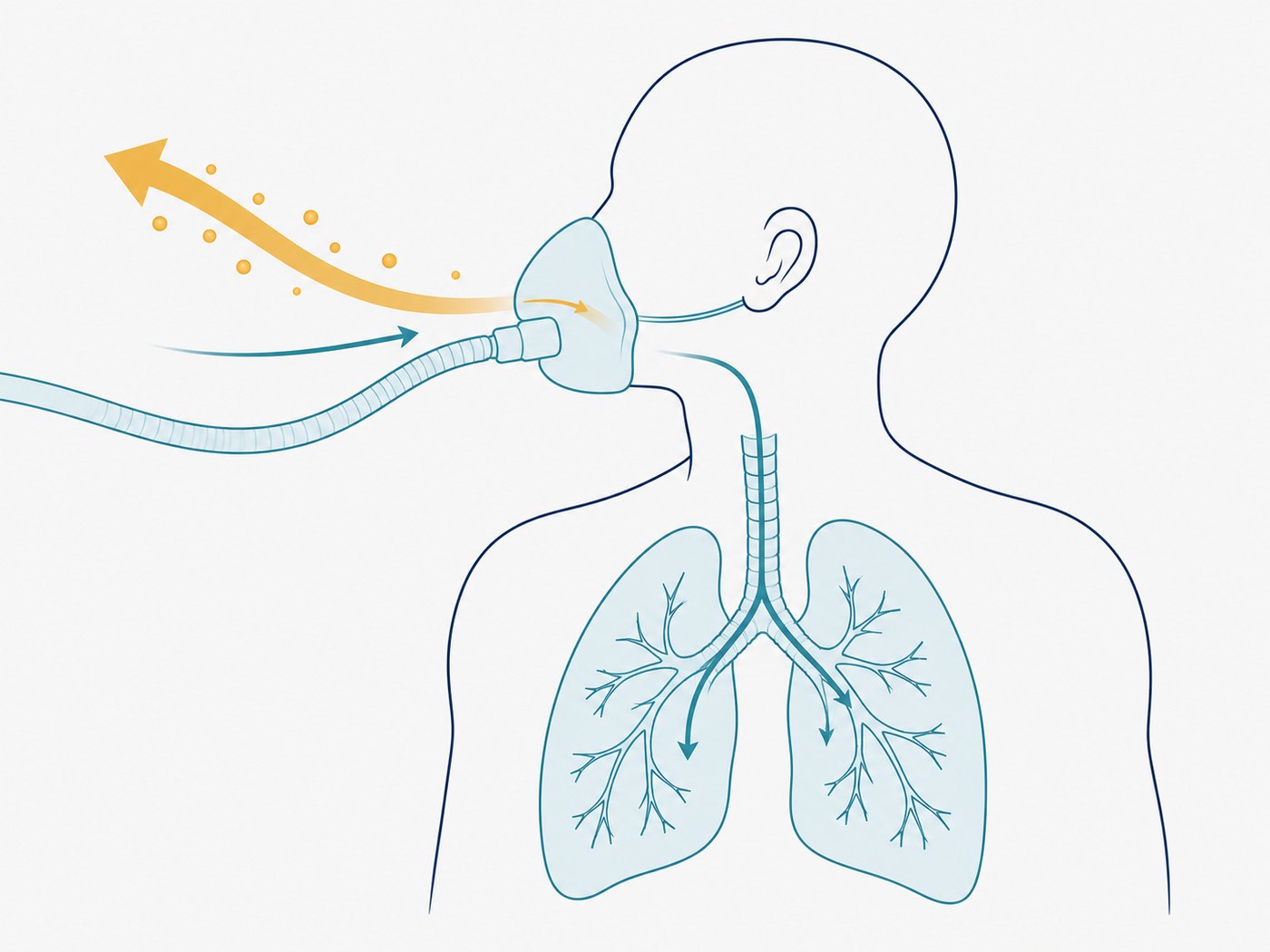
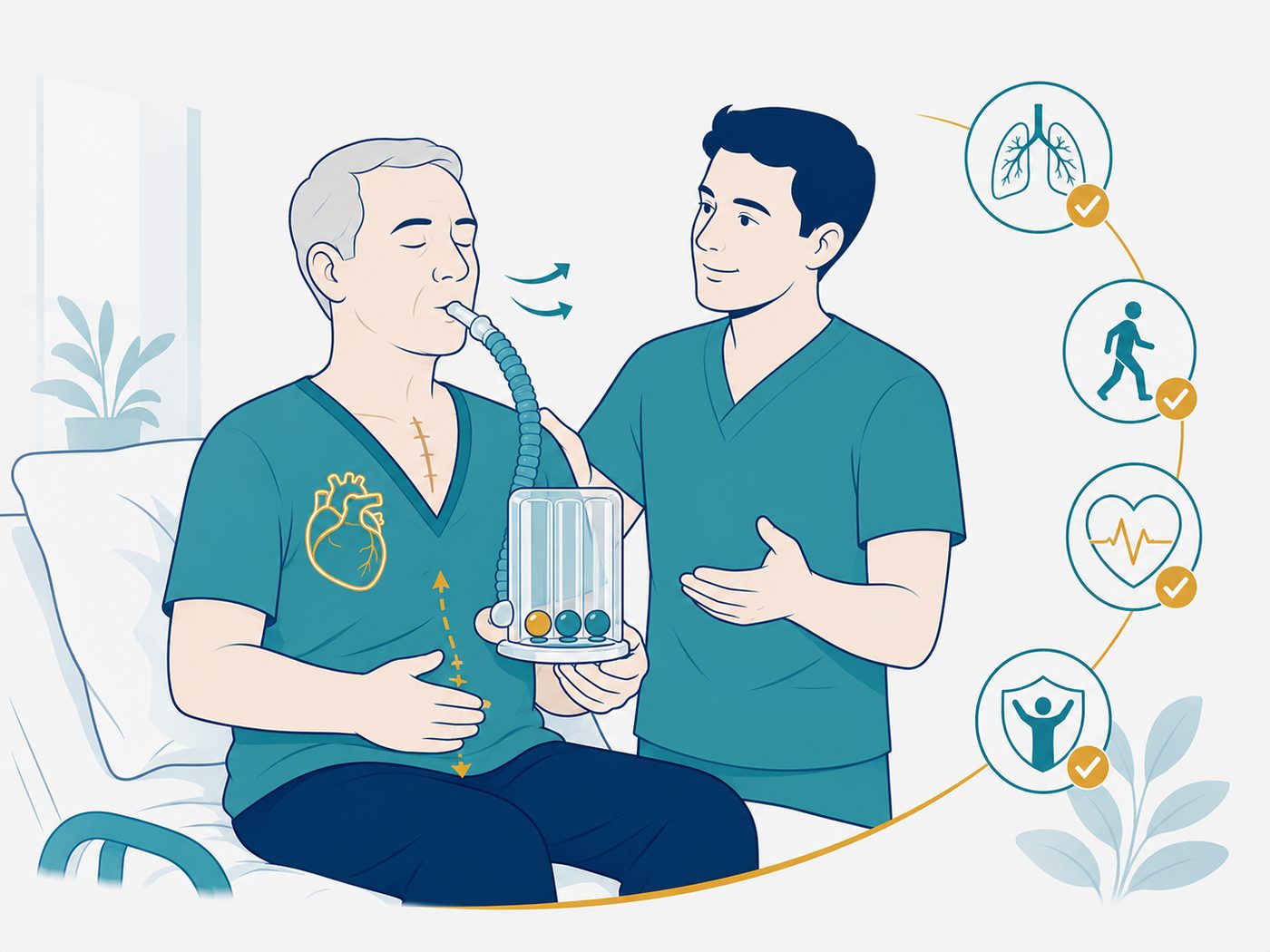
In PCD there is currently no treatment that corrects the action of the cilia themselves. The treatment principle is therefore simple and clear: what the cilia can’t manage to do, we do actively.
- Regular airway clearance techniques , chosen according to age and level of cooperation
- PEP devices and oscillating devices, which help release secretions and bring them up
- Structured breathing practice and learning effective coughing
- Regular physical activity, which contributes both to clearing secretions and to endurance
- Readjustment over the years, because what suits a toddler isn’t what suits a teenager or an adult
Consistency here matters more than intensity. A short routine that actually gets done, every day, is worth more than an ambitious program abandoned after a fortnight.
What else matters in managing the condition?
PCD is managed across a lifetime and on a multidisciplinary basis: a respiratory physician, an ENT specialist, respiratory physiotherapy and sometimes hearing monitoring as well.
Alongside this, regular monitoring matters, as do prompt treatment of flare-ups, keeping up with vaccinations as recommended, and avoiding smoking and exposure to smoke, which places even more strain on a system that already struggles to clean itself.
Frequently asked questions
No. Both conditions are genetic and both make clearing secretions harder, but the mechanism is entirely different: in cystic fibrosis the secretions themselves are too thick, and in PCD the problem is in the movement of the cilia that are meant to clear them. The monitoring and the medical treatment differ too.
As of today there is no treatment that corrects the action of the cilia. That said, consistent, proper management over time can slow progression, reduce infections and preserve good quality of life.
That is exactly the point: the treatment is designed to prevent buildup and flare-ups, not only to respond to them. Stopping during good periods is one of the most common reasons infections return.
An increase in the quantity of mucus or a change in its color, a worsening of the cough or of breathlessness, fever, or a reduction in exercise capacity. In such situations you should contact the treating team.
What’s worth remembering?
In PCD the natural cleaning mechanism of the airways doesn’t work, which is why active, regular clearance is the heart of treatment. Early diagnosis and consistent management over the years are what change the picture.
- In PCD the cilia that clean the airways don’t work properly, so secretions stay where they are.
- A wet cough present almost all the time from a young age, together with involvement of the nose and ears, is the central flag that raises suspicion.
- Treatment rests on regular airway clearance, physical activity and multidisciplinary monitoring across a lifetime.
Not sure if this is your situation? I’d be happy to give you a professional assessment and build a treatment plan that fits you.
Book a consultation callYou might also be interested in:
 Pain somewhere else?
Return to the interactive body map and pick an area
←
Pain somewhere else?
Return to the interactive body map and pick an area
←