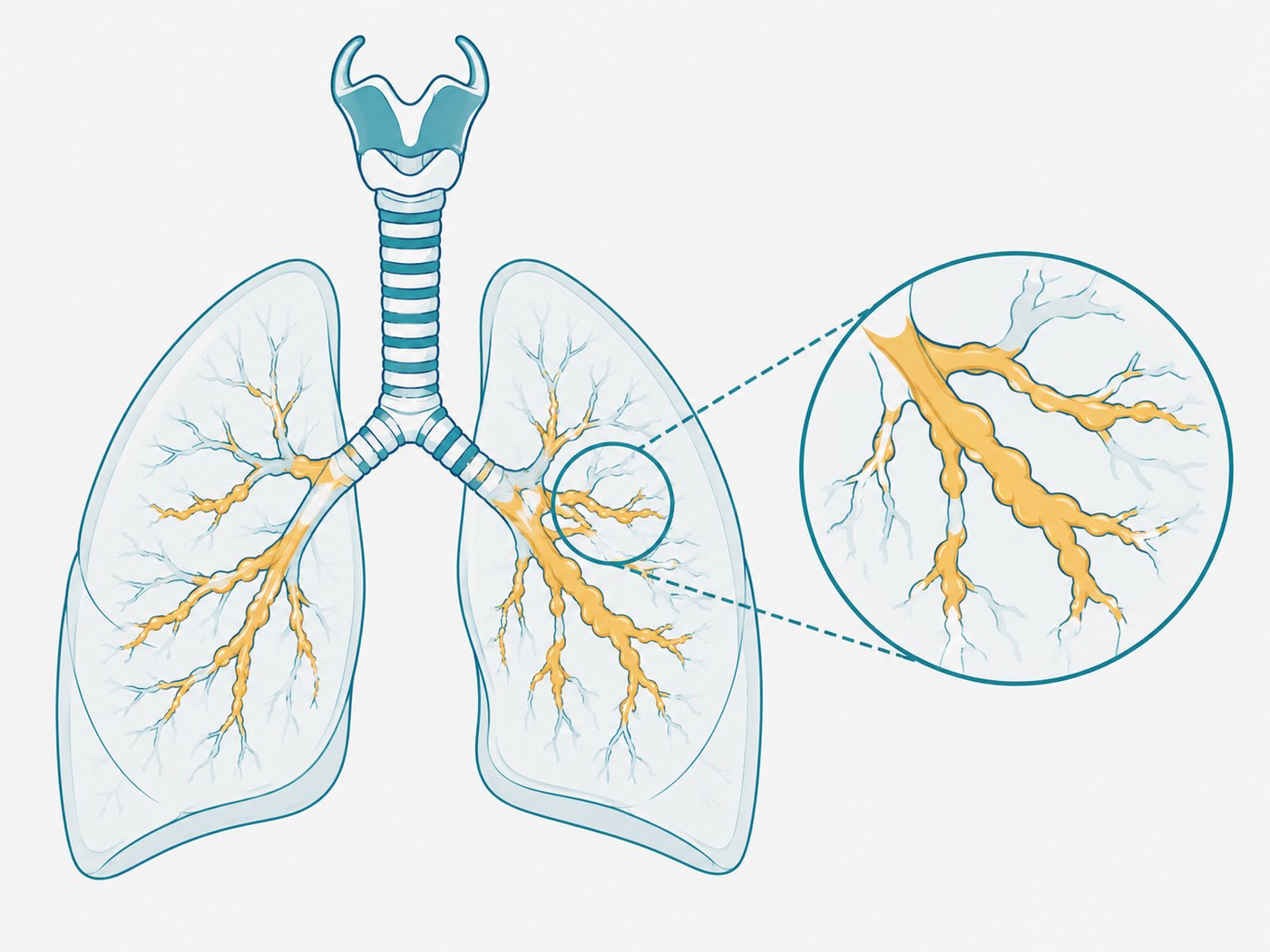
Bronchiectasis: when mucus buildup in the lungs becomes routine
A chronic lung condition with persistent mucus buildup - a classic target population for respiratory physiotherapy.
Bronchiectasis is a chronic condition in which the airways widen and become irreversibly distorted - not a cold that passes, but a condition requiring ongoing management in which respiratory physiotherapy is a central component.
If you are dealing with a chronic cough accompanied by a lot of mucus, recurring day after day and not clearing like an ordinary cold, this may be bronchiectasis - a condition in which the airways in the lungs widen and become irreversibly distorted, making it harder to clear mucus naturally.
This isn’t a cold that passes, but a chronic condition requiring ongoing management - and respiratory physiotherapy is a central part of its day-to-day treatment.
How does it usually feel?
Symptoms can vary, but many describe:
- A daily chronic cough with a lot of mucus, sometimes over years.
- Recurrent respiratory infections.
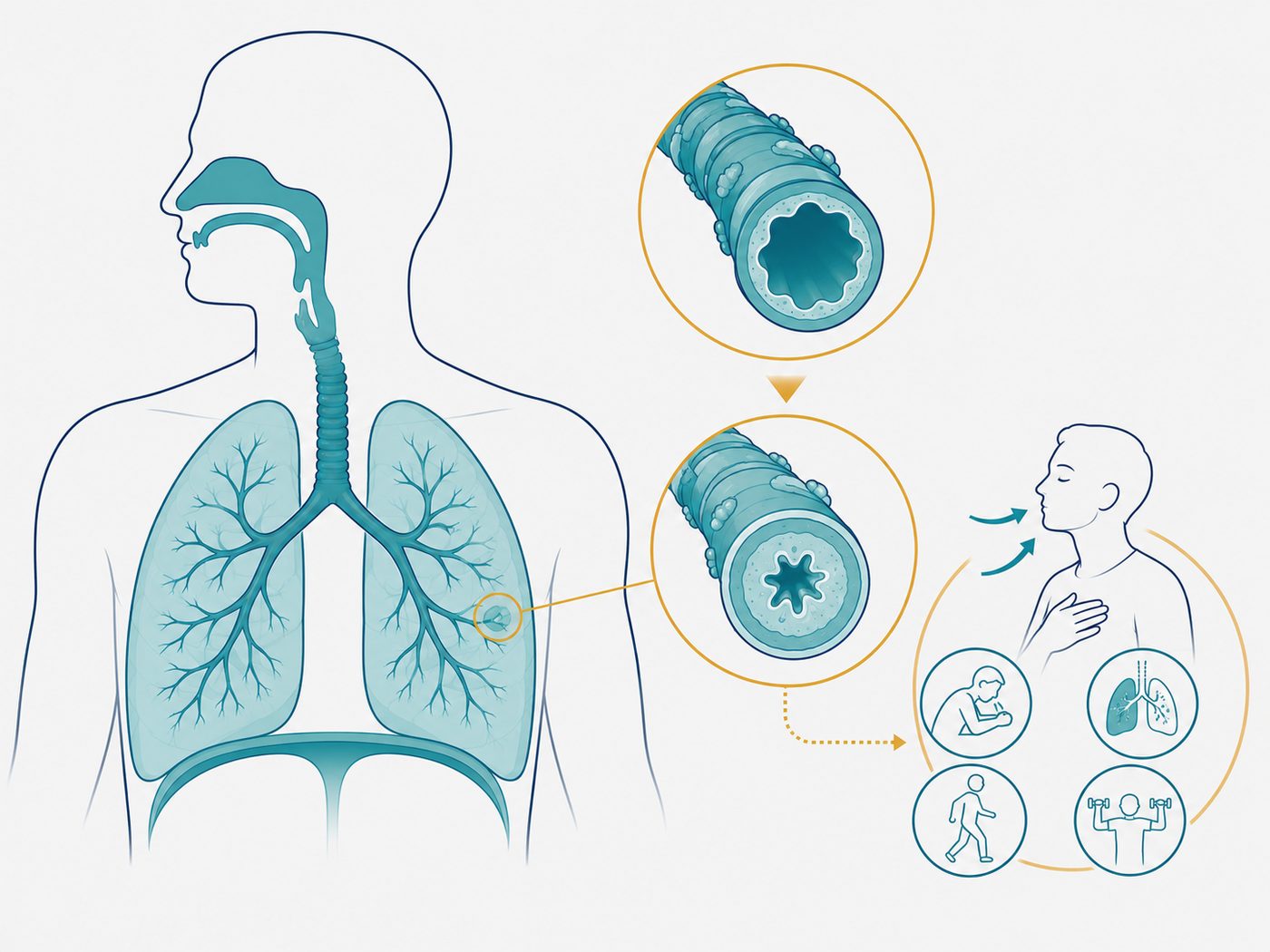
- Shortness of breath on exertion that gradually worsens.
- General fatigue linked to the constant effort of breathing.
- Sometimes wheezing or “noises” when breathing.
Monitoring the color and quantity of mucus is an important tool for tracking the condition - a sudden change in color or quantity can indicate a flare-up needing attention.
What causes bronchiectasis?
Bronchiectasis can be caused by recurrent infections in childhood, by other chronic lung diseases, by genetic disorders that impair natural mucus clearance, or in many cases by a cause that can’t be precisely identified. The damage to the airways already exists, but proper management can significantly slow the progression and improve quality of life.
How can respiratory physiotherapy help?
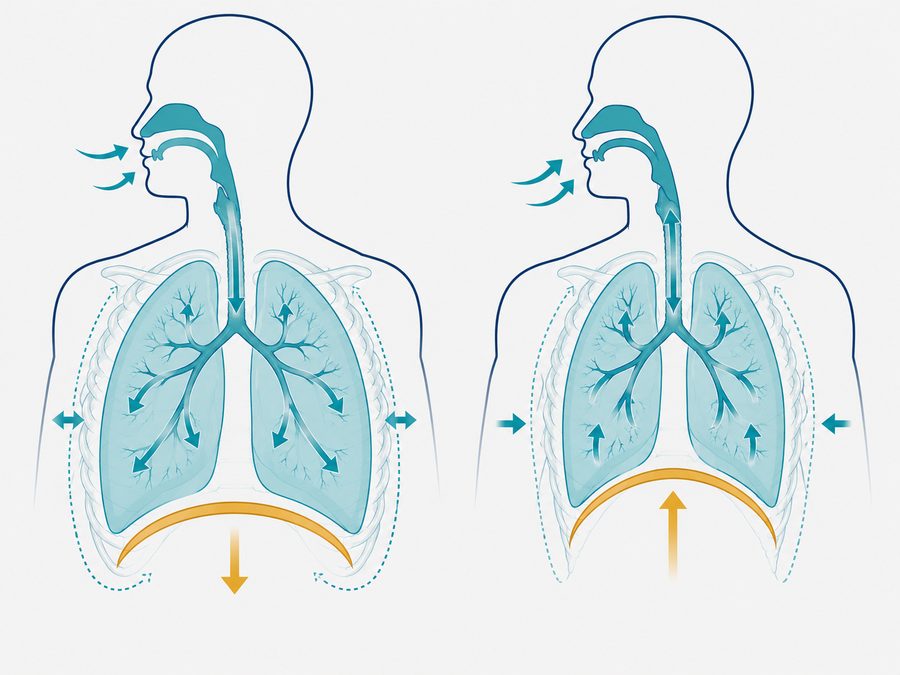
Respiratory physiotherapy focuses on effective airway clearance techniques, performed regularly and not only during flare-ups, together with breathing exercises that improve the efficiency of ventilation and adapted physical training that preserves endurance. Consistent, regular work, rather than only at times of crisis, is the key to managing the condition well over time.
When should you get checked?
If there’s a sudden increase in mucus, a change in its color to greenish or brown, a fever, or breathlessness that gets much worse - see a doctor. These may point to an infective flare-up that needs treatment.
Frequently asked questions
No, these are two different conditions, although they can occur together. Bronchiectasis is a specific structural damage to the airways.
The existing damage is usually not reversible, but proper, consistent management can significantly slow the progression and significantly improve quality of life.
Yes, adapted physical activity is very important for maintaining endurance and lung function, even if it requires careful adjustment.
What’s worth remembering?
Bronchiectasis requires consistent management rather than treatment only at times of crisis - regular respiratory physiotherapy is a central part of maintaining good quality of life over time.
- Bronchiectasis presents as a daily chronic cough with a lot of mucus that doesn’t clear like an ordinary cold, and sometimes recurrent infections.
- Monitoring the color and quantity of mucus is an important tool for tracking the condition - a sudden change can indicate a flare-up.
- Proper management, including regular respiratory physiotherapy, can significantly slow the progression of the condition.
Not sure if this is your situation? I’d be happy to give you a professional assessment and build a treatment plan that fits you.
Book a consultation callYou might also be interested in:
 Pain somewhere else?
Return to the interactive body map and pick an area
←
Pain somewhere else?
Return to the interactive body map and pick an area
←