Asthma: how to breathe better, even during exertion
Wheezing, coughing or a feeling of tightness in the chest that comes and goes.
Asthma presents differently in every person, but alongside medical treatment, respiratory physiotherapy can improve breathing patterns and help you get back to physical activity safely.
Asthma is one of the most common respiratory conditions, but it can look slightly different in every person. Some people feel short of breath while running, others wake at night coughing, and some experience wheezing only at certain times of the year. I often meet parents who come to me about children who have stopped being physically active out of fear - and that is exactly where a proper understanding of the condition changes everything. For parents of infants and young children, I cover this in a dedicated article on respiratory physiotherapy for infants and children.
Alongside medical treatment, learn your body: what makes the symptoms worse, and how to stay active safely.
What is asthma?
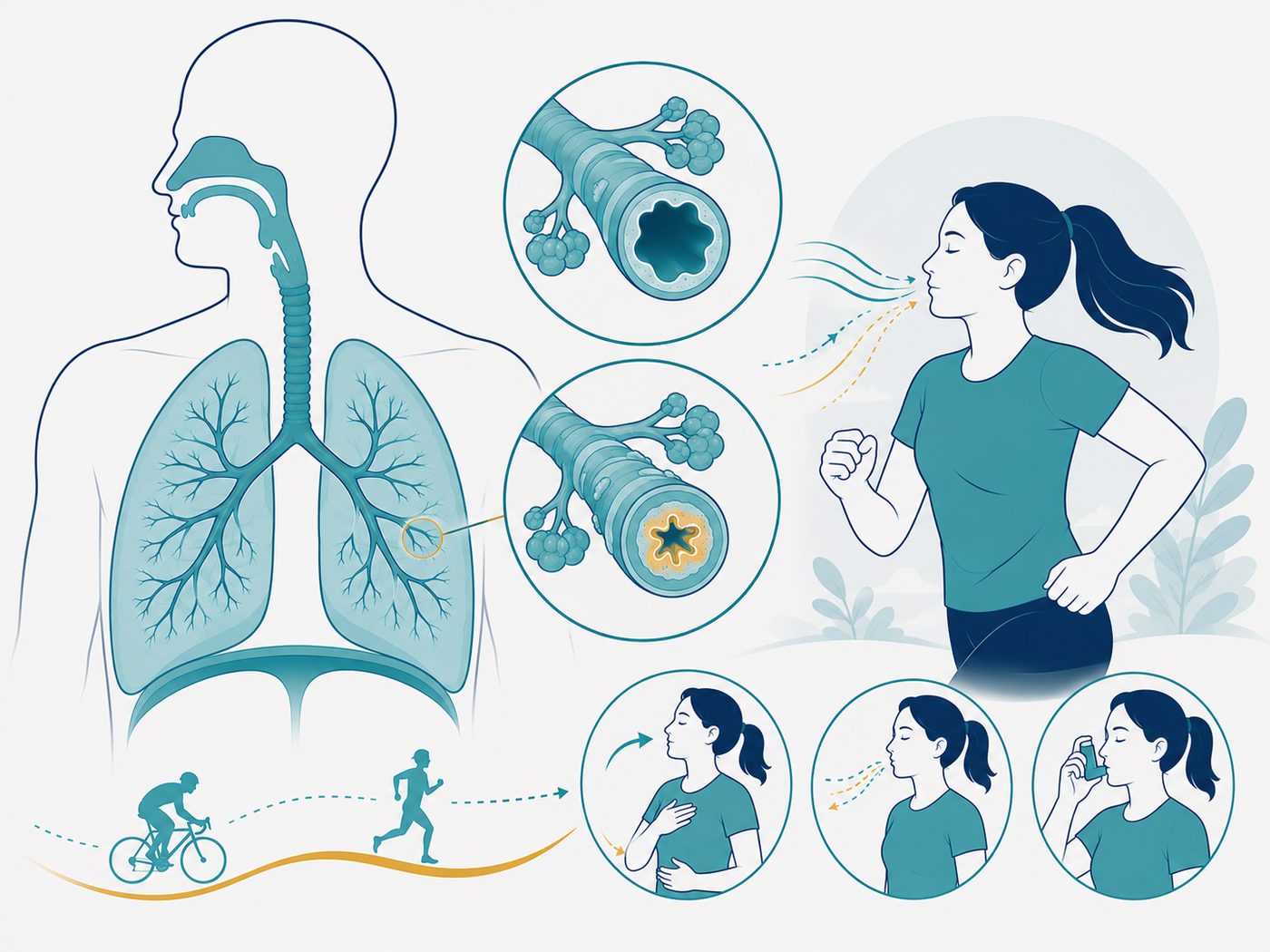
Asthma is a condition in which the airways are more sensitive and can narrow in response to various triggers - such as physical exertion, allergens, air pollution or even changes in temperature. As a result, shortness of breath, coughing, wheezing or a feeling of tightness in the chest can appear.
If the shortness of breath appears specifically at the start of physical activity, a slow, gradual warm-up (5-10 minutes) before increasing intensity can help significantly - it reduces the likelihood of a sharp airway response.
How does it usually feel?
- Shortness of breath.
- Wheezing when breathing.
- Coughing, especially at night.
- Tightness in the chest.
- Difficulty with physical exertion.
- Severe shortness of breath that isn’t relieved by the inhaler
- Difficulty speaking in full sentences
- Lips or nails with a bluish tinge
- Confusion or unusual drowsiness
How can respiratory physiotherapy help?
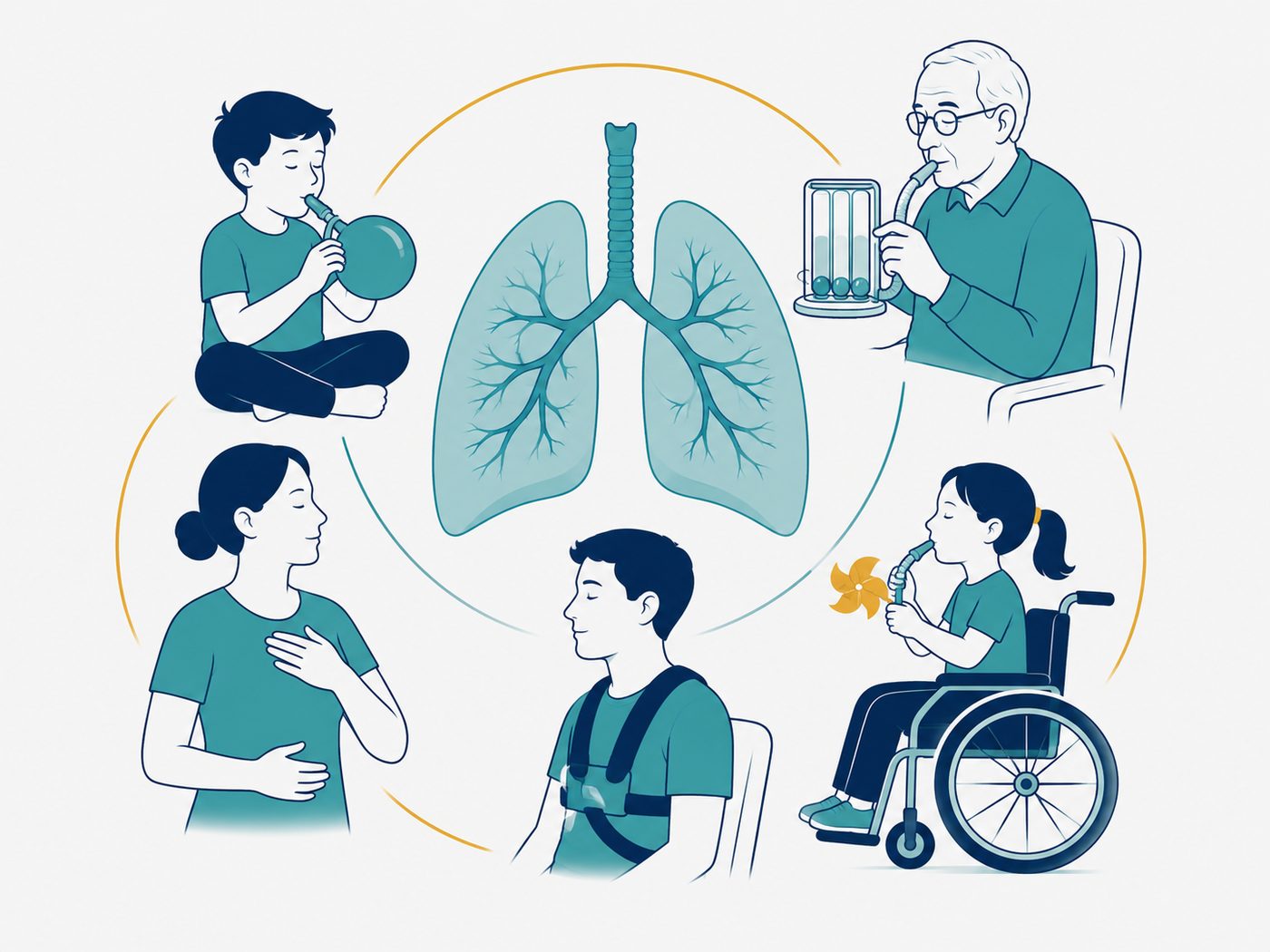
Respiratory physiotherapy doesn’t replace medication, but it can help improve breathing patterns, reduce unnecessary effort while breathing, improve endurance and provide guidance on coping better with physical activity - including learning breathing techniques that help in situations of exertion or anxiety.
Frequently asked questions
No. In most cases you can and should be active, as long as the activity is adapted and the asthma is well controlled - regular physical activity actually improves lung function over time.
Yes. Practice and breathing techniques can help many people as part of their daily coping, in addition to medication rather than as a substitute for it.
Not necessarily. If there is a change in symptoms or a worsening, it is best to contact your treating doctor rather than make assumptions.
What’s worth remembering?
Asthma doesn’t have to stop you living an active life. A combination of medical treatment, understanding the condition and respiratory physiotherapy where needed can help improve quality of life.
- Asthma causes sensitivity and narrowing of the airways in response to exertion, allergens, air pollution or changes in temperature.
- Respiratory physiotherapy doesn’t replace medication, but complements it by improving breathing patterns and endurance.
- Severe shortness of breath not relieved by the inhaler, difficulty speaking in full sentences or a bluish tinge to the lips require immediate medical care.
Not sure if this is your situation? I’d be happy to give you a professional assessment and build a treatment plan that fits you.
Book a consultation callYou might also be interested in:
 Pain somewhere else?
Return to the interactive body map and pick an area
←
Pain somewhere else?
Return to the interactive body map and pick an area
←