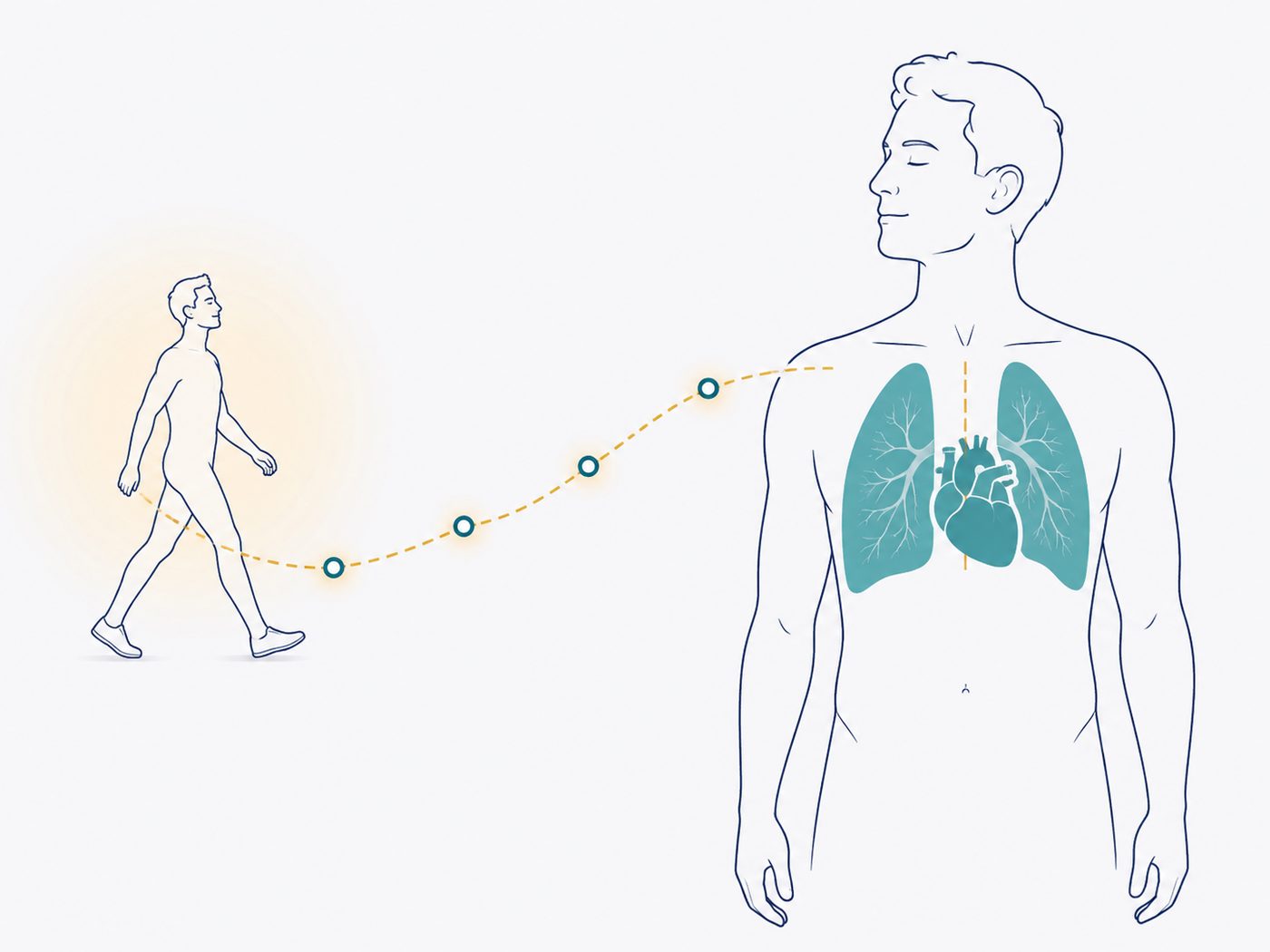
Why rehabilitation after cardiac surgery matters
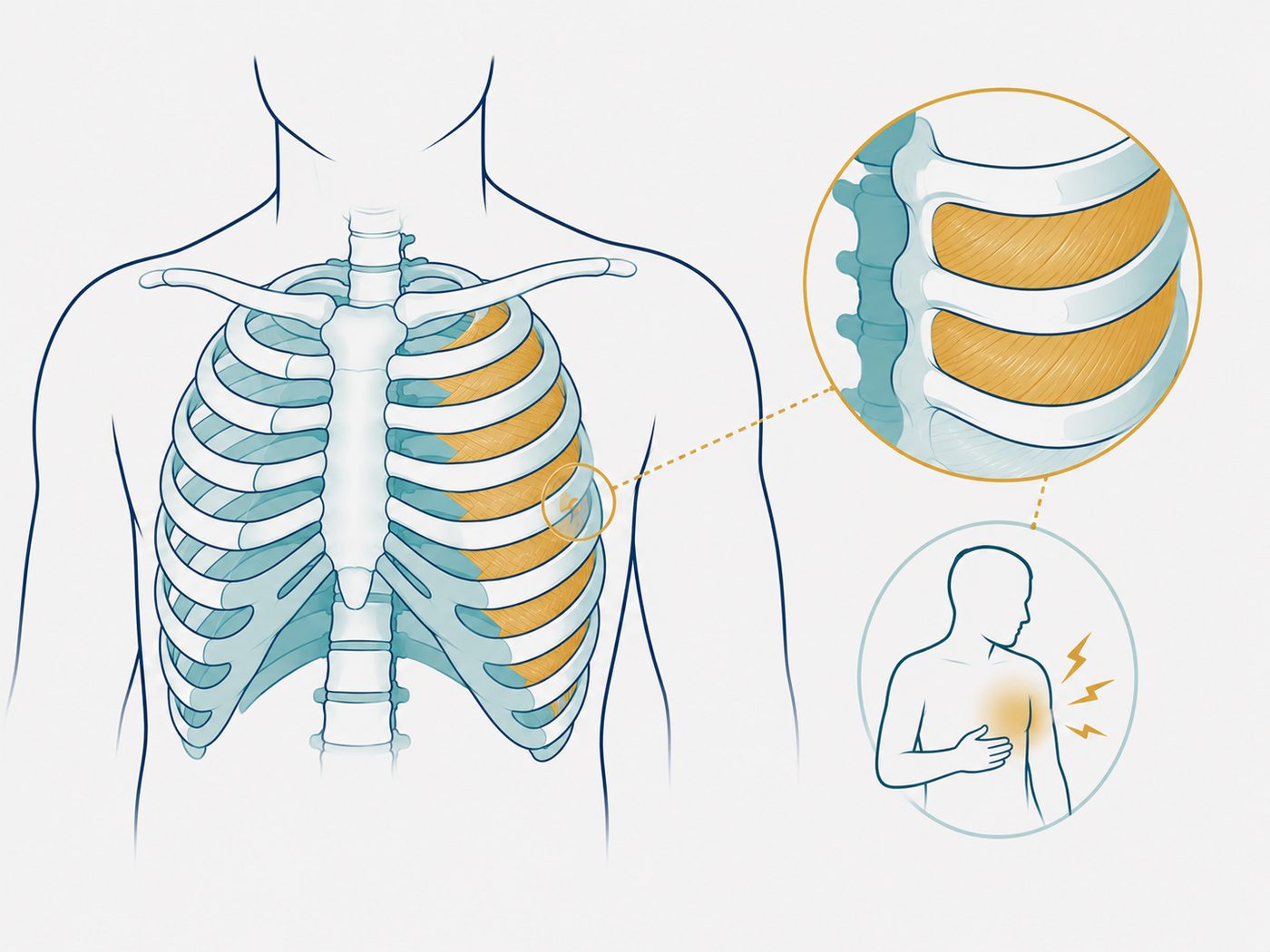
Pain, difficulty breathing or weakness after surgery can improve with appropriate rehabilitation.
After cardiac or chest surgery, complete rest can actually delay recovery - personally tailored rehabilitation, in full coordination with the medical team, is an important part of getting back to routine.
After cardiac or chest surgery the body needs time to heal, but it also needs the right kind of movement. Prolonged complete rest can delay recovery, which is why appropriate rehabilitation is an important part of the road back to routine. It’s important to emphasize: the whole rehabilitation process is carried out in full coordination with the treating medical team and according to their guidance - physiotherapy is a complement to medical treatment, not a substitute for it.
What does rehabilitation include?
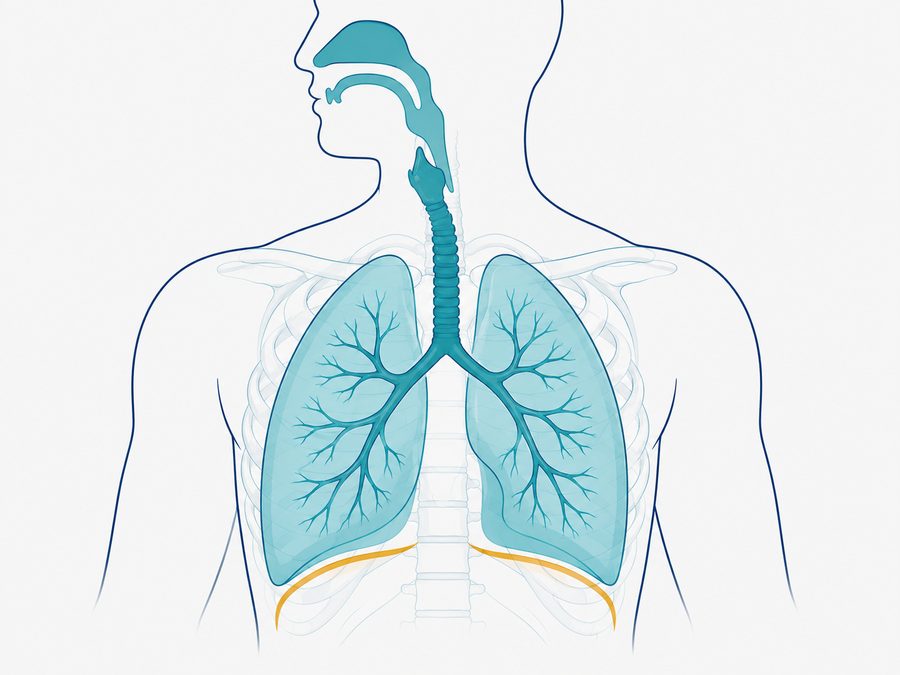
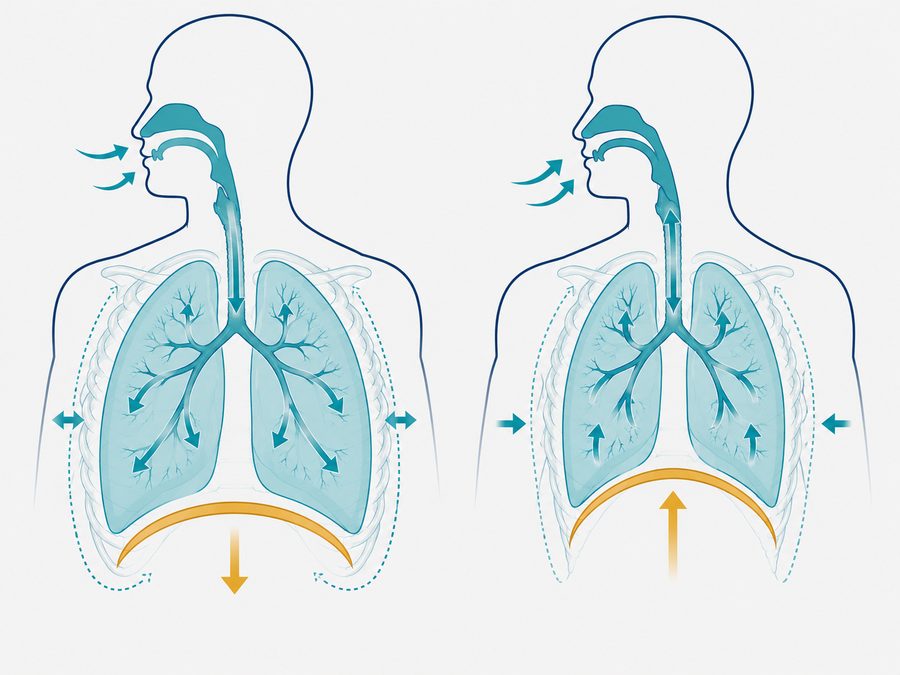
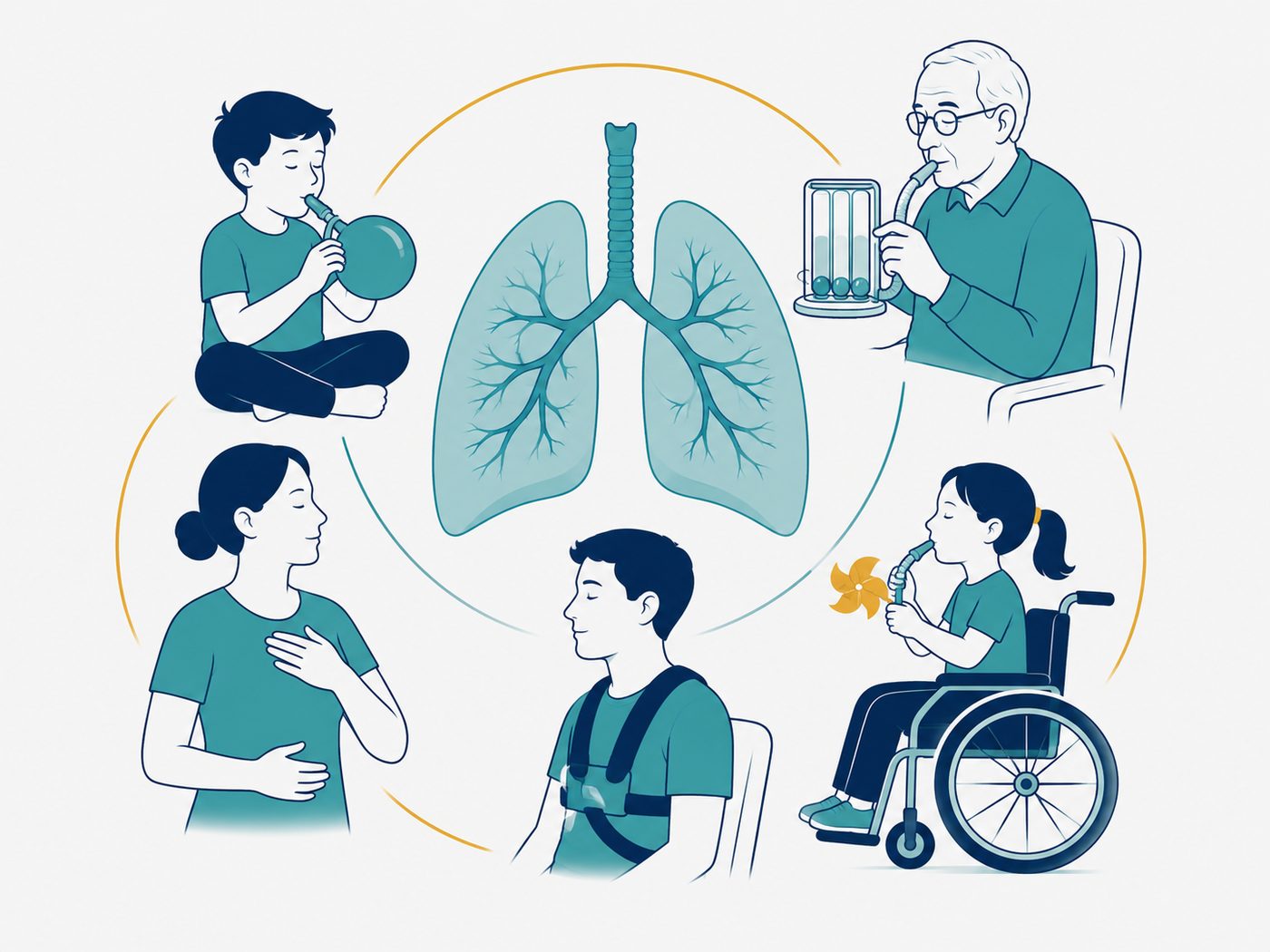
We tailor the rehab program personally: breathing exercises, improving lung ventilation, effective coughing exercises (especially important for preventing mucus buildup after surgery), a gradual return to walking, building fitness, and guidance on doing daily activities safely - like getting out of bed or lifting light objects without loading the surgical area.
The right pace is the one set together with the medical team - every case and every operation is different, and there is no single “timetable” that suits everyone. Patience in the early stages pays off in the long run.
In which situations can rehabilitation help?
- After bypass surgery.
- After valve surgery.
- After lung surgery.
- After a thoracotomy.
- During weakness following hospitalisation.
How can physiotherapy help?
The aim is to improve breathing, reduce possible complications (such as pneumonia after surgery), restore confidence in movement and allow a gradual, safe return to daily function - always at a pace suited to the specific medical situation.
Frequently asked questions
In many cases already during the hospital stay and according to the medical team’s guidance - early, controlled movement, when medically approved, can contribute significantly to recovery.
Yes, but gradually and according to the recommendations of the doctor and physiotherapist - that is exactly why a structured, supervised program matters so much.
The length of rehabilitation varies according to the type of surgery, the medical situation and the individual pace of recovery - there is no uniform expectation, and progress is measured against your own capacity, not against anyone else’s.
What’s worth remembering?
Proper rehabilitation after cardiac or chest surgery can improve quality of life, restore confidence in movement and help you return more quickly to daily activity - always in cooperation with the treating medical team.
- Rehabilitation includes breathing exercises, improving lung ventilation, effective coughing exercises and a gradual return to walking and activity.
- The right pace is set together with the treating medical team - there is no uniform timetable that suits everyone.
- Physiotherapy is a complement to medical treatment, not a substitute for it.
Not sure if this is your situation? I’d be happy to give you a professional assessment and build a treatment plan that fits you.
Book a consultation callYou might also be interested in:
 Pain somewhere else?
Return to the interactive body map and pick an area
←
Pain somewhere else?
Return to the interactive body map and pick an area
←