Cystic fibrosis (CF): how respiratory physiotherapy fits into daily care
A genetic condition that produces thick secretions in the airways, requiring daily airway clearance alongside physical activity.
Cystic fibrosis is a genetic condition in which the body’s secretions are thicker than usual and tend to get stuck in the airways. Medical treatment has advanced enormously in recent years, but daily airway clearance and physical activity remain a central pillar of the routine.
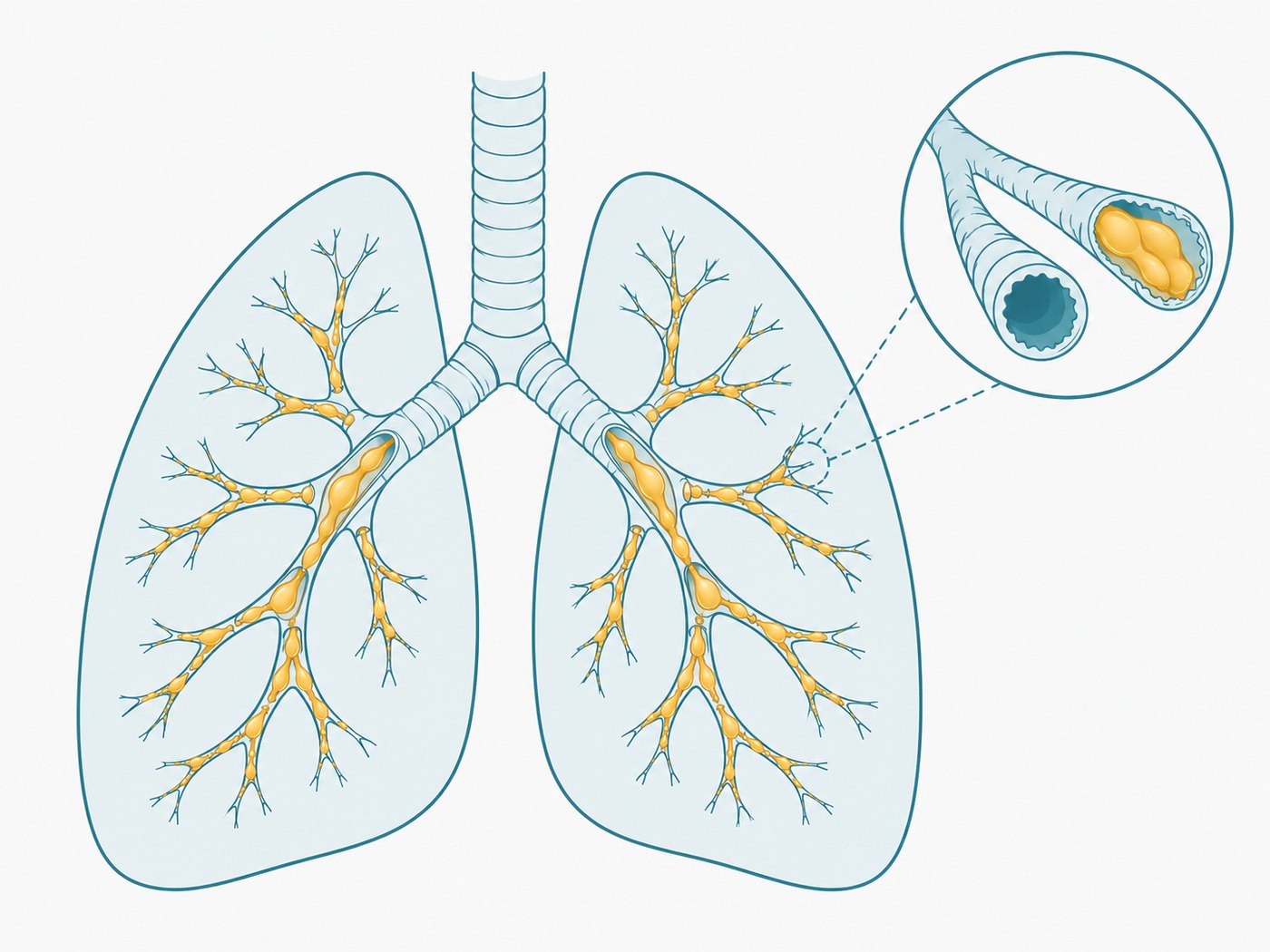
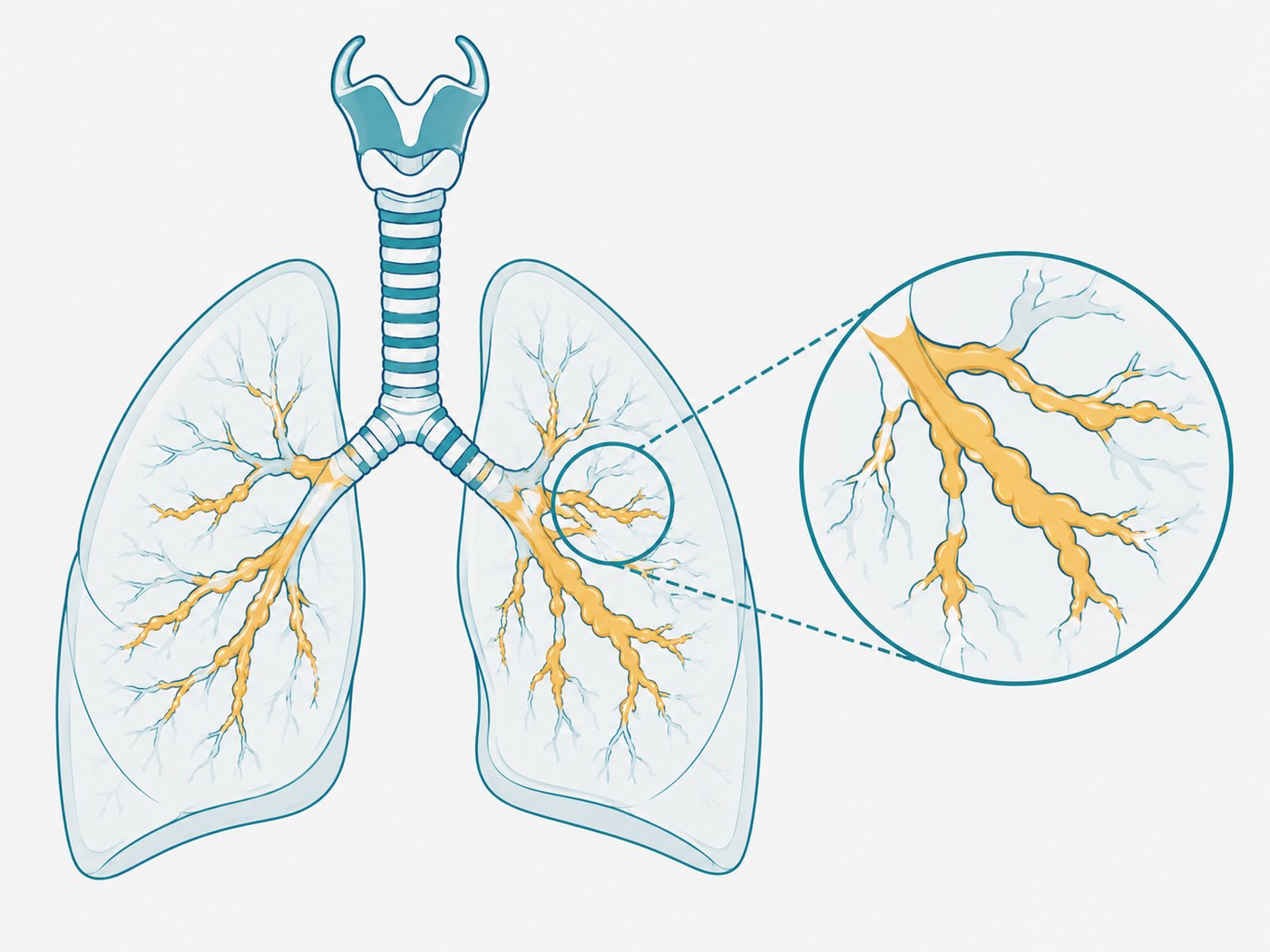
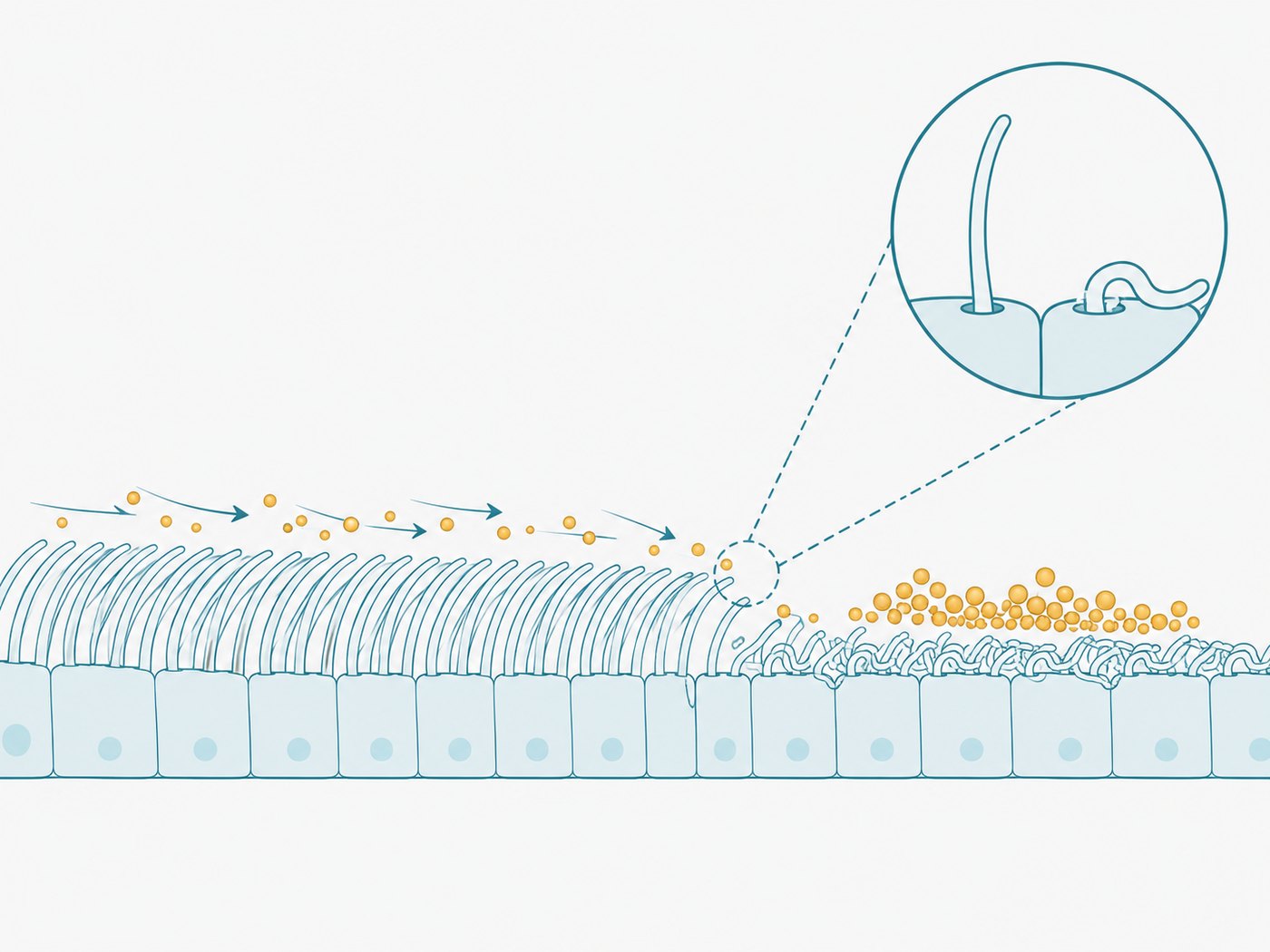
Cystic fibrosis (CF for short) is a genetic condition that affects the secretory glands of the body. The main consequence in the lungs is secretions that are thicker and stickier than usual, which tend to get stuck in the airways instead of clearing on their own.
Secretions that stay in place provide a convenient environment for bacteria, and so a cycle of recurrent infections develops. That’s why the treatment routine is built around one simple principle: helping the lungs clear what they can’t clear on their own, every day, not only when there is a flare-up.
How does it usually feel?
The picture varies from person to person, but there is a recurring common denominator:
- A chronic cough, usually with mucus, present even when there is no acute illness
- Recurrent respiratory infections and periods of flare-up
- Shortness of breath on exertion and a reduction in endurance over time
- Digestive difficulties and difficulty gaining weight, because the pancreas is affected too
- Particularly salty sweat, a well-known sign linked to the mechanism of the condition
In Israel, as in many countries, the condition is usually identified in newborn screening, so treatment begins at a very young age.
What causes cystic fibrosis?
The background is genetic. A mutation in the gene responsible for the movement of salts and water across cell walls disrupts the balance, and the secretions come out too thick.
Inheritance is recessive: for the condition to appear, the child needs to inherit a faulty copy from both parents. Parents who carry only one copy are healthy carriers and usually don’t know about it until they are tested.
It’s important to emphasize: this isn’t a contagious disease, and you can’t “catch” it or develop it later in life.
How does respiratory physiotherapy fit into treatment?
The aim of physiotherapy here isn’t to “cure”, but to give the lungs tools to work better every day. The work rests on two pillars:
Airway clearance. There are several accepted methods, and the choice between them is made according to age, level of cooperation and personal preference:
- The active cycle of breathing and active drainage methods the patient performs themselves
- PEP devices and oscillating PEP devices, which create resistance and vibration that release secretions
- A vibrating vest or other assistive equipment, in cases where it is suitable
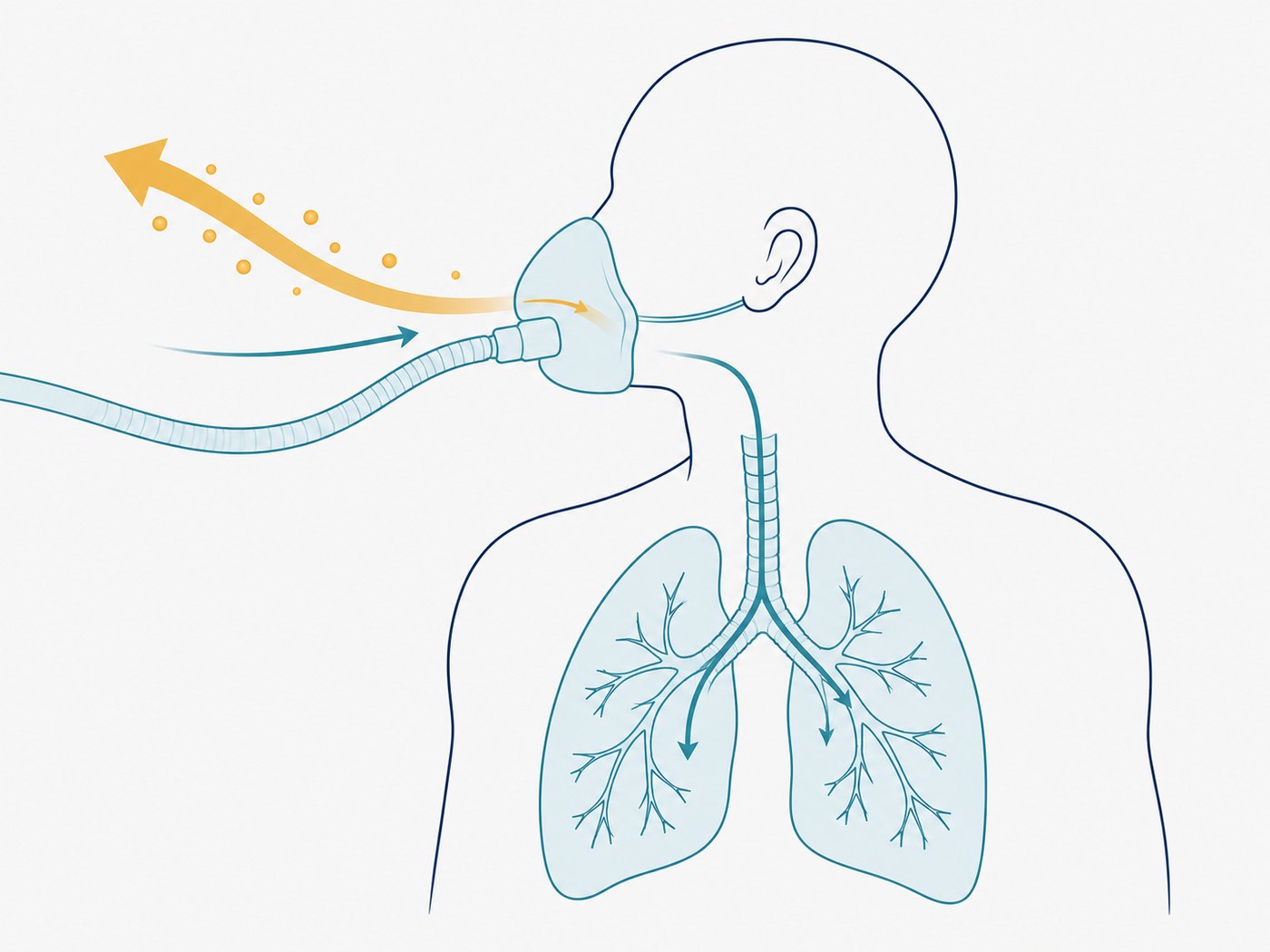
- Correct timing relative to inhaled medications, so that the medication and the clearance work together rather than against each other
Physical activity. Regular physical training is today considered part of the treatment itself rather than a “recommended extra”: it improves endurance and strength, helps clear secretions, and contributes to general wellbeing. Matching the type of activity and the load to each person is part of the work in the clinic.
Beyond that, a large part of the work is guidance: turning a demanding routine into something you can genuinely sustain over years, and adapting it again when life changes.
What has changed in recent years?
Medical treatment in cystic fibrosis has taken a significant leap forward. New-generation medications, which target the faulty mechanism directly, have improved respiratory measures and quality of life for a substantial proportion of patients.
Two important clarifications: these medications aren’t suitable for all types of mutation, and even those who respond well to them usually continue with a routine of airway clearance and physical activity, with the extent personally adjusted.
The general direction is clear: this is a condition managed across a lifetime by a multidisciplinary team, and physiotherapy is a permanent part of that team.
Frequently asked questions
This varies a lot according to age, the state of the lungs and the method chosen. Some patients manage with a short session once a day, and others need more. The adjustment is made individually, and a central aim is to find a routine that can be sustained over time.
Physical activity is very important and does contribute to clearing secretions, but it usually doesn’t completely replace the dedicated clearance techniques. The combination of the two is what gives the best result.
This is one of the most common questions, and it is entirely legitimate. Part of my work is matching the method to the child’s age and character, incorporating play and building a routine the family can sustain, instead of fighting over one method that doesn’t fit.
A clear increase in mucus or a change in its color, a worsening cough or breathlessness, less endurance, fever, or weight loss. In these situations, contact your care team - don’t wait.
What’s worth remembering?
Cystic fibrosis is managed across a lifetime, and daily airway clearance alongside physical activity remains a central pillar even in the era of the new medications. The best routine is the one that is personally tailored and can be sustained over time.
- Cystic fibrosis is a genetic condition in which the secretions in the airways are thicker than usual and tend to get stuck.
- Daily airway clearance and regular physical activity are a central pillar of the treatment routine, even in the era of the new medications.
- Personally tailoring the method and the extent of treatment is what makes it possible to sustain the routine over years.
Not sure if this is your situation? I’d be happy to give you a professional assessment and build a treatment plan that fits you.
Book a consultation callYou might also be interested in:
 Pain somewhere else?
Return to the interactive body map and pick an area
←
Pain somewhere else?
Return to the interactive body map and pick an area
←