Central sensitization syndrome: when the nervous system “turns up” the pain
A mechanism in which the central nervous system becomes over-sensitive to pain - the physiological explanation behind many chronic pain conditions.
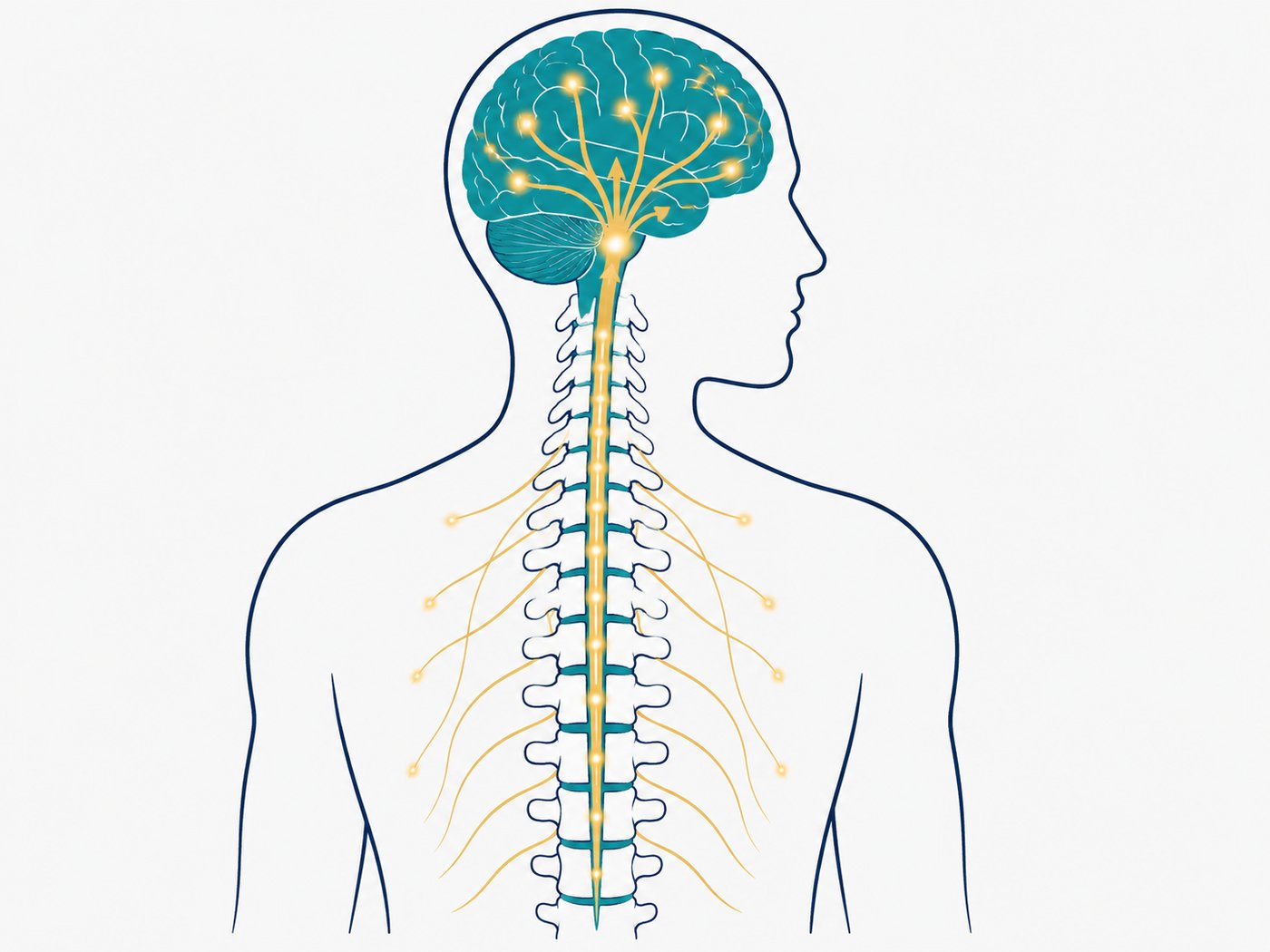
Central sensitization is a measurable physiological mechanism in which the nervous system amplifies pain signals beyond the original stimulus - it doesn’t mean the pain is “not real”, but that the source sometimes lies in the nervous system rather than in the tissue.
Sometimes pain continues long after the injured tissue has already healed, or mild pain starts to be felt far more strongly than would be expected. In such cases the source is often not in the tissue itself but in the central nervous system, which has become over-sensitive to pain signals - a state known as central sensitization.
This doesn’t mean the pain is “not real” - on the contrary, it is a measurable physiological phenomenon in which the nervous system actually amplifies the intensity of the pain signals it receives, even when the original stimulus is relatively small.
How does it usually feel?
Symptoms can vary, but many describe:
- Pain that continues long after the original injury should have healed.
- Pain felt significantly more strongly than would be expected from a mild stimulus.
- Increased sensitivity even to non-painful stimuli such as light touch.
- Pain that spreads to further areas beyond the site of the original injury.
- Fluctuation in the intensity of the pain that is hard to link to any specific activity.
If the pain doesn’t match the findings on imaging or on physical examination - for example very severe pain with relatively mild findings - that doesn’t mean something is wrong with you. It’s important information pointing toward the mechanism of central sensitization.
What causes central sensitization?
Central sensitization can develop after prolonged pain that was not properly treated, after surgery, after repeated injuries, or in combination with chronic stress and sleep disturbance. The nervous system, rather like a volume control stuck too high, keeps “amplifying” pain signals even when there is no longer a clear reason for it in the tissue itself.
How can physiotherapy help?
Treatment combines education about the pain mechanism itself - understanding that the pain is real but doesn’t necessarily indicate ongoing damage in the tissue can in itself reduce anxiety and improve function. Alongside this, gradual and controlled exposure to movement and activity, at a pace the body can absorb, gradually helps to “train” the nervous system to lower its level of sensitivity.
When should you get checked?
It’s important first to rule out clear physical causes for the pain with a doctor or physiotherapist, before attributing it to central sensitization - this is a diagnosis made after a structured assessment process, not an initial conclusion.
Frequently asked questions
No. It means your nervous system is responding more strongly than expected - this is a genuine physiological phenomenon, not the absence of a problem.
In many cases, yes, gradually, with a combination of understanding, controlled exposure to movement and time.
Yes, central sensitization is part of the mechanism that explains fibromyalgia, but it can also appear in other chronic pain conditions.
What’s worth remembering?
Central sensitization is a genuine physiological explanation for pain that continues beyond the expected healing time - understanding this mechanism is often the first step toward improvement.
- Central sensitization usually develops after prolonged untreated pain, surgery, repeated injuries, chronic stress or sleep disturbance.
- Pain that continues long after the expected healing, or that is significantly stronger than the stimulus, can indicate this mechanism.
- Severe pain with mild imaging findings isn’t a sign that something is wrong - it is important diagnostic information, not a reason for worry.
Not sure if this is your situation? I’d be happy to give you a professional assessment and build a treatment plan that fits you.
Book a consultation callYou might also be interested in:
 Pain somewhere else?
Return to the interactive body map and pick an area
←
Pain somewhere else?
Return to the interactive body map and pick an area
←