Pacing in chronic pain: don’t rest completely, don’t overdo it
A practical treatment tool for chronic pain - how to find the balance between overdoing it and complete avoidance, without making the pain worse.
In chronic pain, both complete rest and overdoing it make things worse over time - pacing is a tool for graded, balanced management of activity load that builds stability instead of a “boom or bust” cycle.
One of the most common dilemmas in chronic pain is: rest until the pain passes, or carry on at all costs? Both of these approaches, in their extreme form, tend to make things worse over time. The tool that really helps is called pacing - graded, balanced management of activity load.
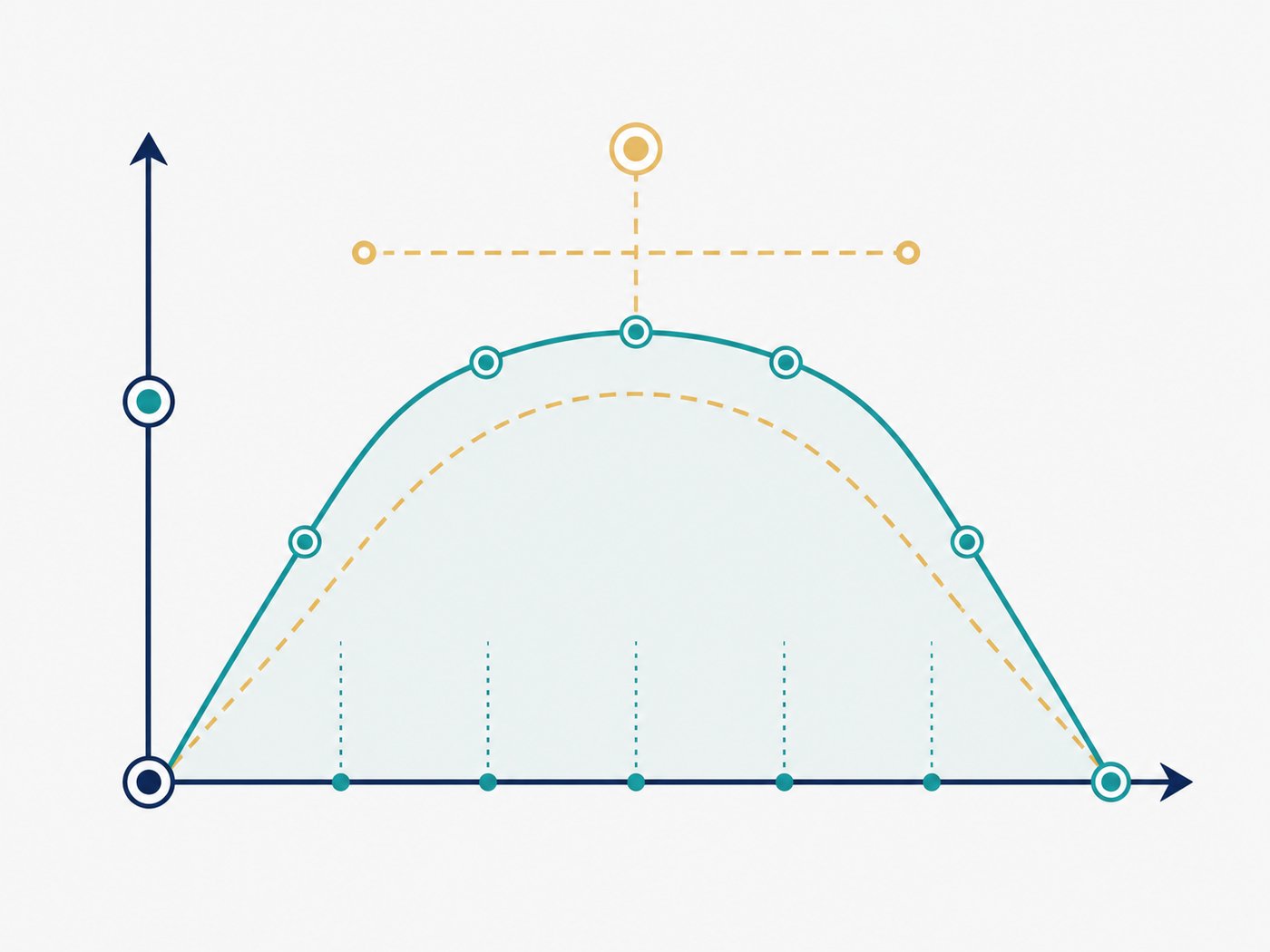
Many people with chronic pain fall into a “boom or bust” pattern - good days on which they do far more than they can manage, and then bad days of severe pain and complete rest. Pacing breaks this cycle by building a steady, predictable load, instead of responding only to the pain of that particular moment.
When should you think about load management?
The signs that this pattern is relevant to you:
- Good days on which you do a lot, followed by bad days of severe pain.
- Complete avoidance of certain activities out of fear of making the pain worse.
- A feeling that the pain “controls” your daily schedule.
- Difficulty predicting when there will be a good day and when a hard one.
- Exhaustion that comes from trying to “make up” for bad days.
Try tracking your activity and pain level each day for a week. Usually a clear “boom or bust” pattern emerges that is hard to see without documenting it - and that is exactly the information that helps build a precise load management plan.
Why does it happen?
This pattern develops naturally: on a good day it is easy to take the opportunity and do a lot - but that can load the body beyond its real capacity at that stage, which leads to a flare-up in the days that follow. Over time, this creates a cycle that makes it hard to build consistent progress.
How does it work in practice?
The basic principle is to set a fixed baseline level of activity, slightly below what usually triggers a flare-up, and to carry it out consistently - on good days too (no more) and on less good days too (no less). From that point, the level is raised slowly and in a controlled way, instead of letting the pain of the moment decide how much to do.
When is professional support worthwhile?
Building a precise pacing plan usually requires the support of a physiotherapist familiar with chronic pain, because setting the right starting point is critical - starting too high will continue the cycle of flare-ups, and starting too low won’t move you forward.
Frequently asked questions
No. It means doing a consistent, predictable amount, which is sometimes less than on a good day but more than on a bad one - the aim is stability, not simply doing less.
Usually this is a process of weeks to months, because it is a gradual change of pattern rather than an immediate solution.
Yes, it is a useful principle across a wide range of chronic pain conditions, including fibromyalgia and chronic back pain.
What’s worth remembering?
Pacing is neither giving up on activity nor ignoring the pain - it is the way to build steady progress without the “boom or bust” cycle that exhausts so many people living with chronic pain.
- The “boom or bust” pattern - good days with excessive activity, followed by bad days of severe pain and complete rest - makes chronic pain worse over time.
- Tracking activity and pain levels over a week usually reveals a clear pattern that is hard to see without documenting it.
- Pacing builds a steady, predictable load instead of responding only to the pain of the moment, and breaks the cycle.
Not sure if this is your situation? I’d be happy to give you a professional assessment and build a treatment plan that fits you.
Book a consultation callYou might also be interested in:

 Pain somewhere else?
Return to the interactive body map and pick an area
←
Pain somewhere else?
Return to the interactive body map and pick an area
←