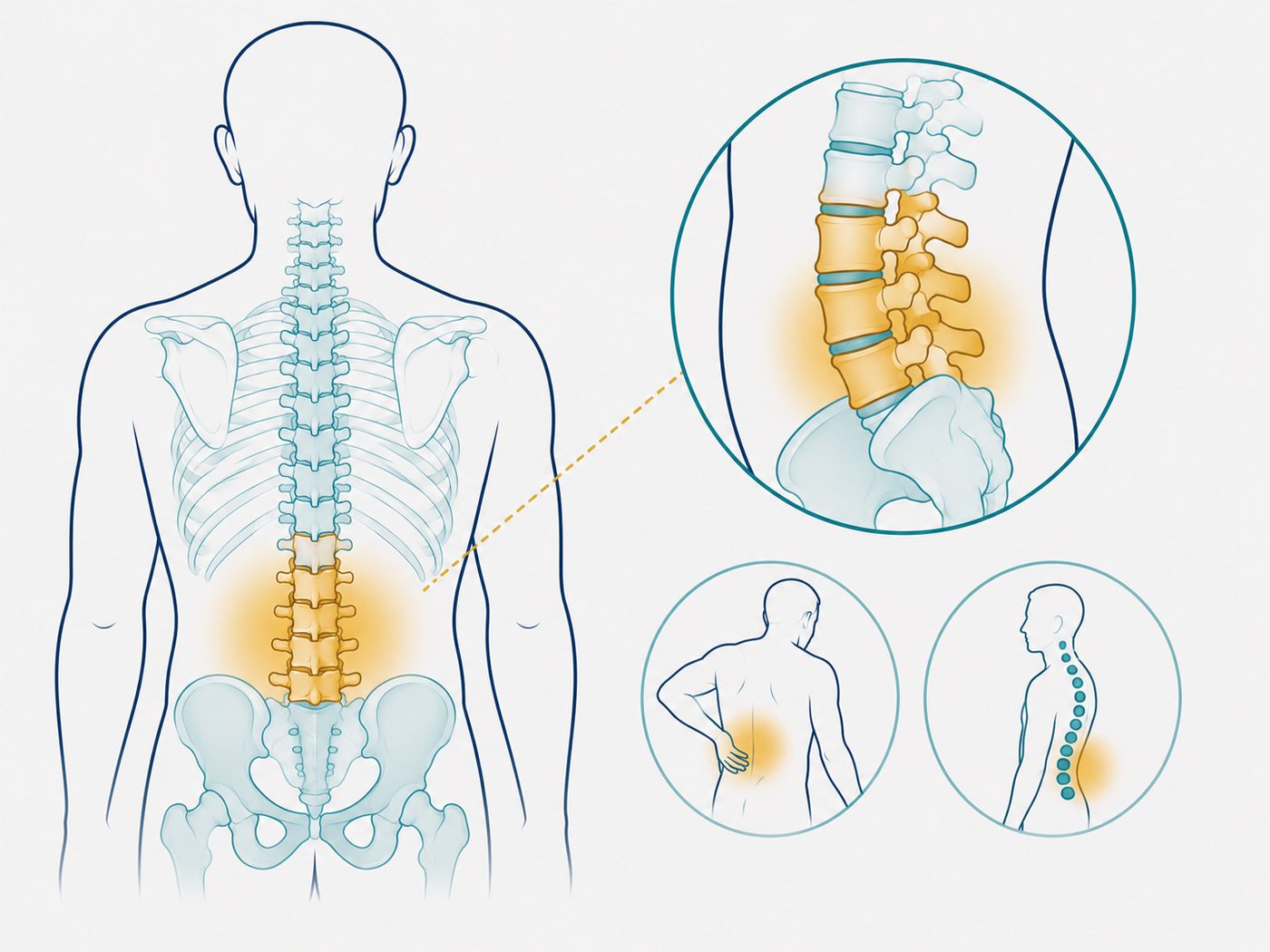
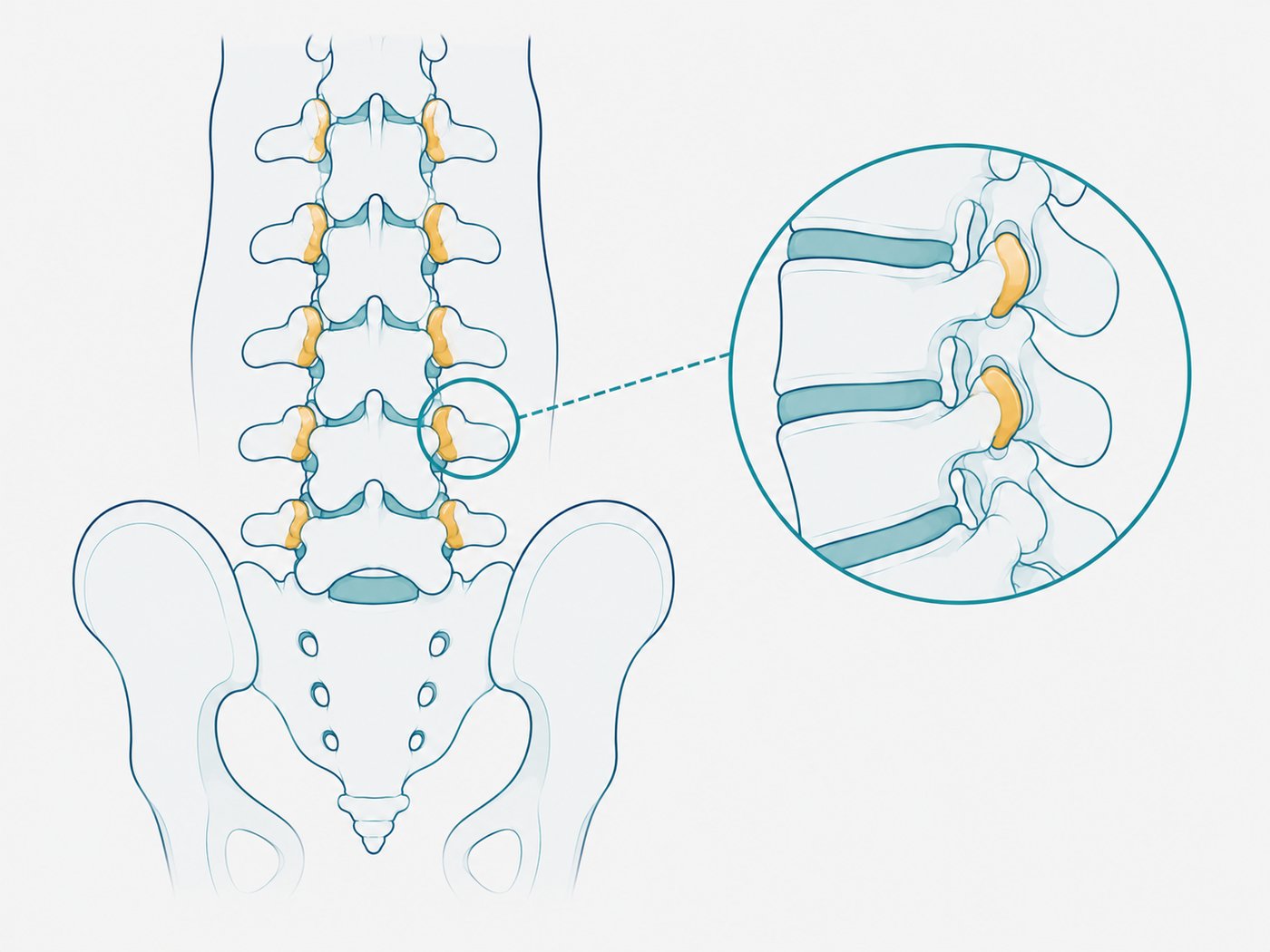
Lower back pain
Pain that worsens when standing up, sitting for long periods or bending forward.
Lower back pain usually comes from a mix of factors - from age to old, forgotten injuries. That’s why a good assessment, not just treating the symptom, is the key to real change.
My lower back hurts - what can I do?
This is a question I hear several times a day, so let’s answer it. Many people also describe stiffness in the back in the morning or after sitting for a long time, which gradually eases with movement.
First, understand that lower back problems come from many things - from age all the way to injuries, including ones from years ago that you’ve forgotten. If we don’t find the real cause, nothing changes - and the frustration that follows is completely justified. Quite a few patients come to me after trying many kinds of treatment. They saw excellent practitioners, but it didn’t work - usually because the assessment wasn’t precise enough.
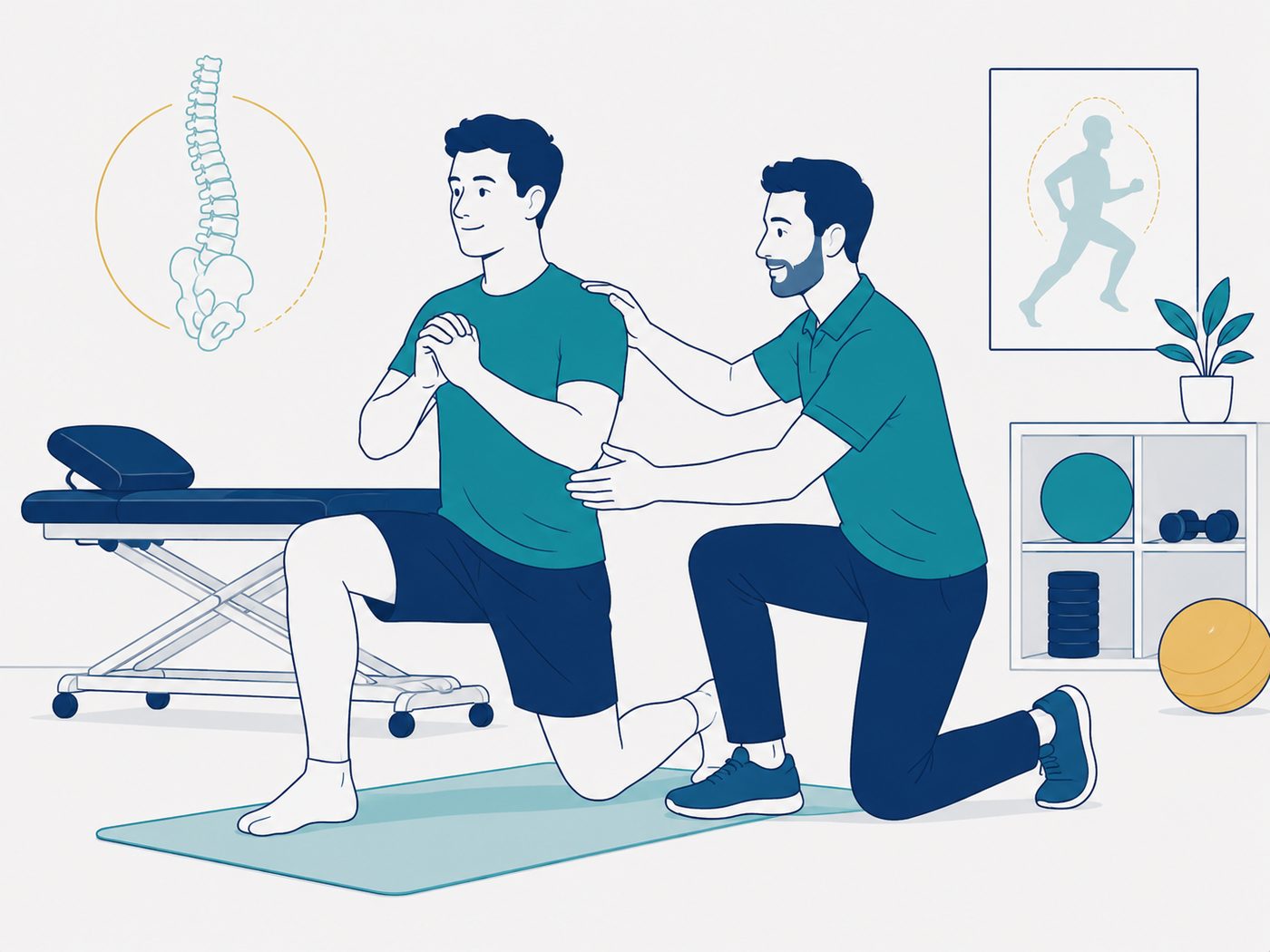
So as a physiotherapist, I look at all the data - from your medical history to your daily habits. The result? In many cases I find the root of the problem, not just the symptom.
Another thing worth knowing: a big advantage of physiotherapy is that it doesn’t involve medication.
It’s also a flexible plan - when your condition changes, the plan changes with it. I believe in listening to the patient. I don’t expect you to know physiotherapy terms (though if you do, I’ll enjoy the conversation) - but you know your own back pain far better than I do.
- Progressive weakness in the legs
- A change in bladder or bowel control
- Numbness in the saddle area (inner thighs and buttocks)
- Severe pain accompanied by fever or unexplained weight loss
How long should it take?
The good news: most acute episodes of lower back pain improve quickly. In follow-up studies, on average about half of the pain and limitation drops within the first month, and improvement usually continues to about three months. The milestones that matter are functional - getting back to sitting, working, walking and sleeping normally - and the right measure is the trend, not a target date.
- Frequent position changes - do not stay in one position for long.
- Light walking in short segments, at a comfortable pace, as tolerated.
- Local heat for 10-15 minutes if it helps.
And an important honest note: repeat episodes are a common part of the back pain picture - many people will have another episode down the road. The key point: a repeat episode is not "the condition getting worse" but part of the wave-like nature of back pain, and most pass like the first one did. What reduces recurrences over time is staying active and strong - not becoming more careful.
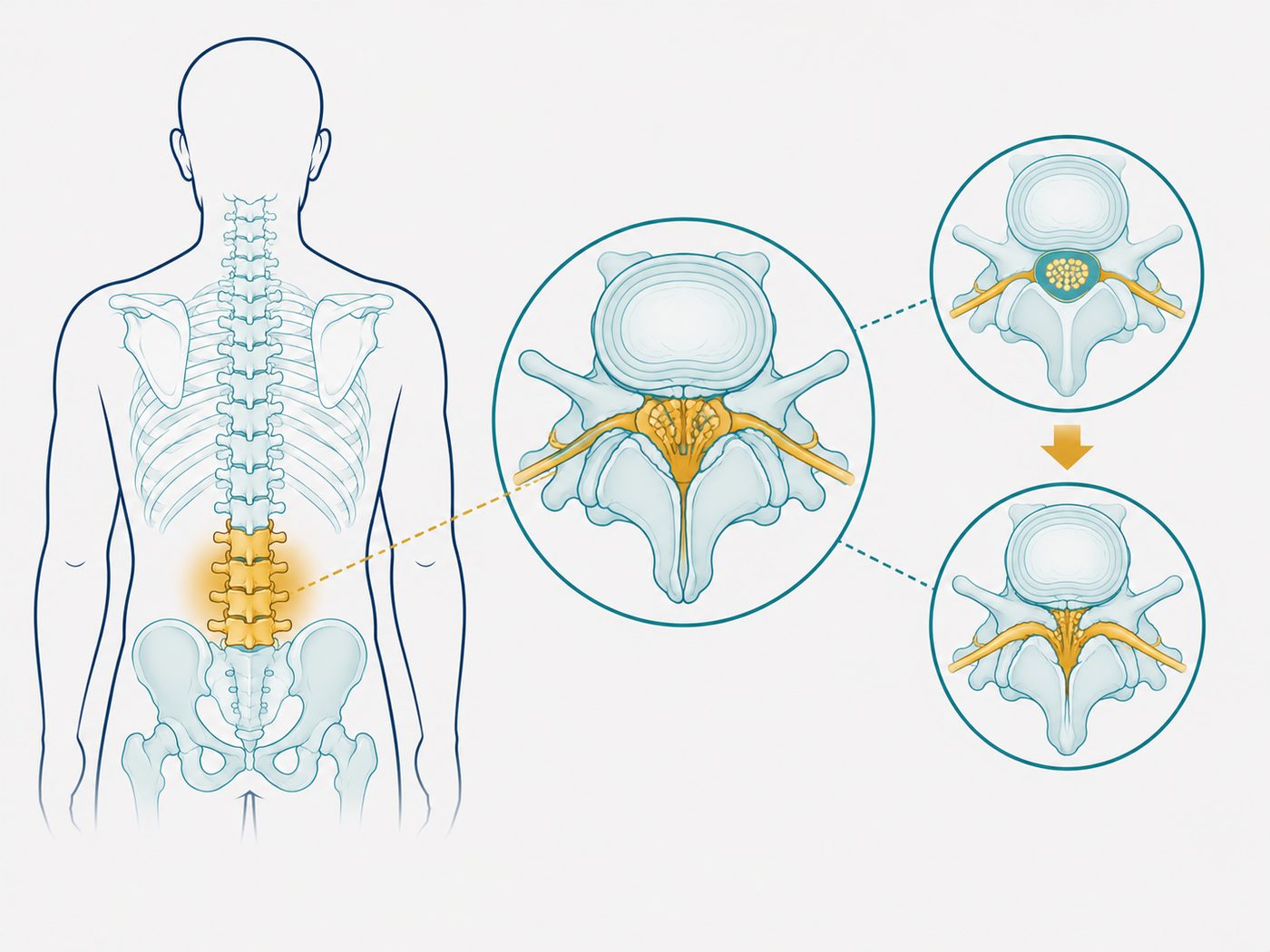
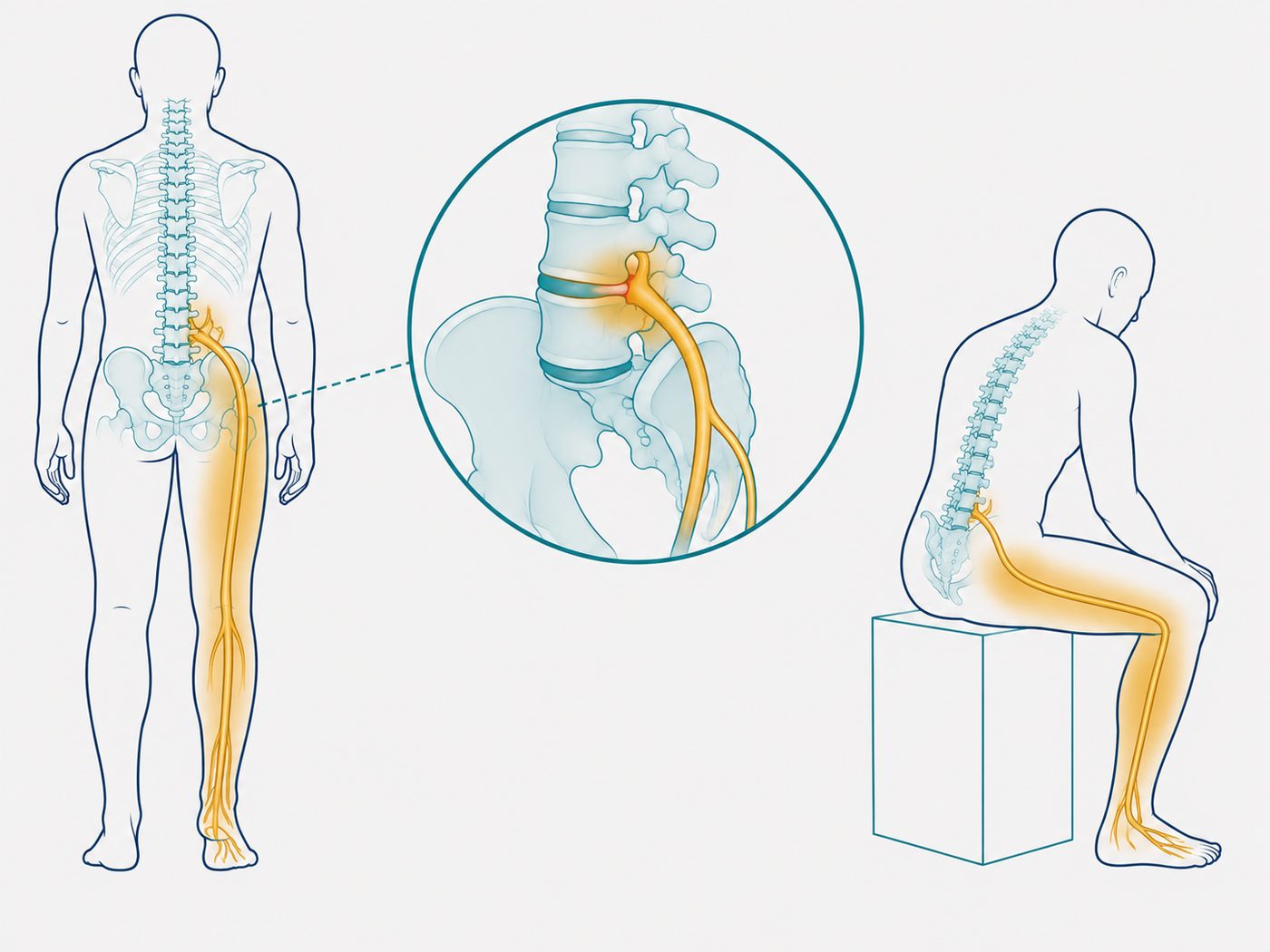
And if your process is slower, or the pain radiates into the leg - it is worth reading about sciatica and disc herniation, where we lay out the full timeline.
To sum up, here are a few tips that will help bring the pain down
Movement: Look at your daily routine and see where you push too hard and where you rest too much. Look at things like the position you sleep in and even the way you sit at work.
Nutrition: Are you drinking enough? What are you eating? A diet high in fatty foods or sugary drinks can lead to excess weight and back pain. Consider seeing a dietitian to build a menu that helps prevent future back pain.
The most important tip: Find yourself a physiotherapist who will walk the whole road with you toward less pain.
- An accurate assessment that examines all the data - medical and functional - is the difference between treatment that works and treatment that doesn’t.
- Physiotherapy doesn’t require medication, and allows the plan to be adjusted every time your condition changes.
- Progressive weakness in the legs or a change in bladder control require immediate medical assessment.
Not sure if this is your situation? I’d be happy to give you a professional assessment and build a treatment plan that fits you.
Book a consultation callYou might also be interested in:
 Pain somewhere else?
Return to the interactive body map and pick an area
←
Pain somewhere else?
Return to the interactive body map and pick an area
←