Lumbar disc herniation: what really matters to know
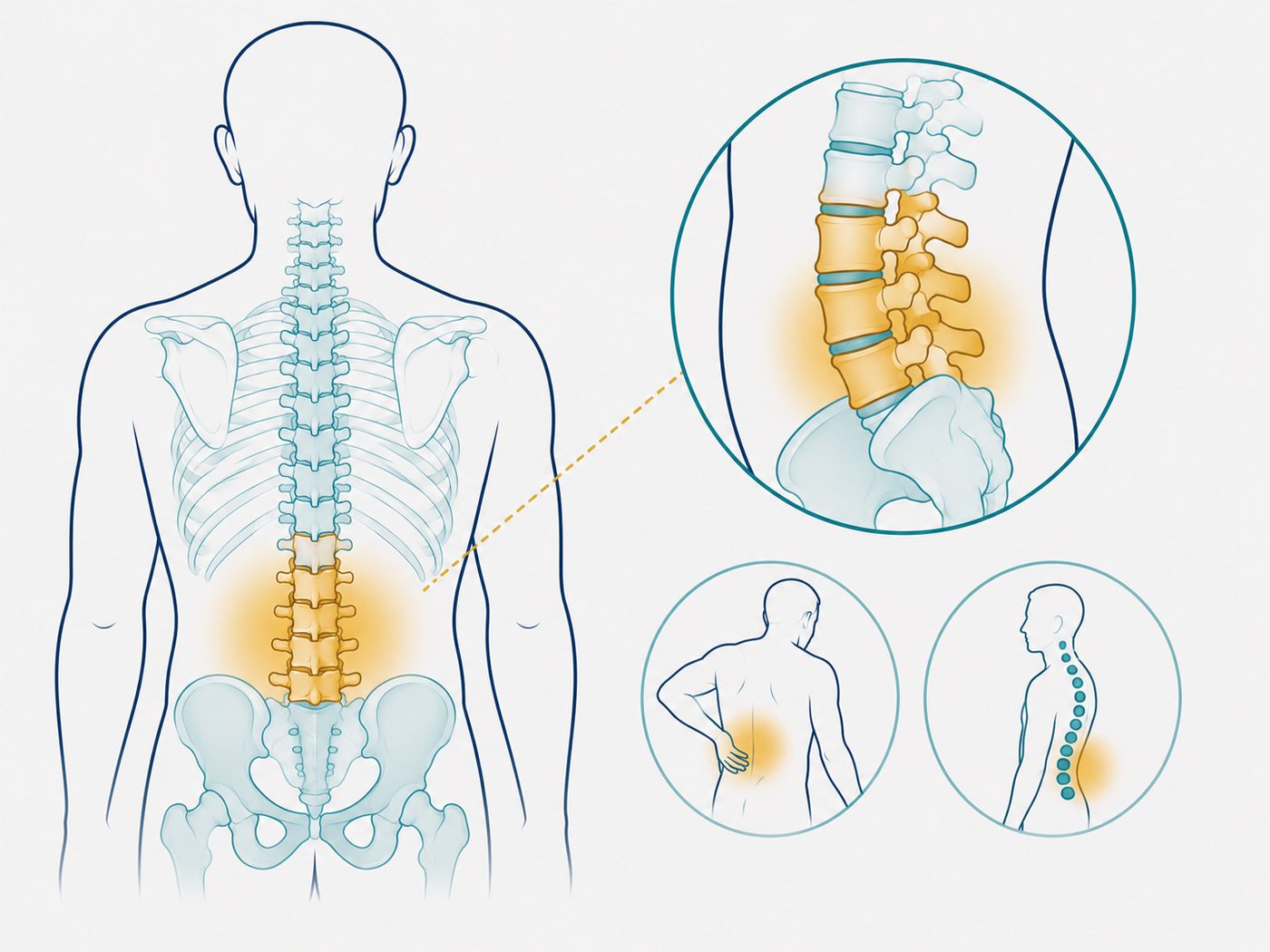
Lower back pain with radiation into the leg or numbness.
“I have a herniated disc” is usually based on an MRI alone - but the picture is more complex: many people live with disc changes and no pain at all, and significant pain can appear with no dramatic finding on imaging.
Many people arrive at the clinic after an MRI saying: “I have a herniated disc.” But the scan is only part of the picture. Quite a few people live with disc changes and no pain at all, while significant pain can appear with nothing dramatic on the scan. I always remind patients: I treat the person in front of me, not the MRI report they bring with them.
What is a disc herniation?
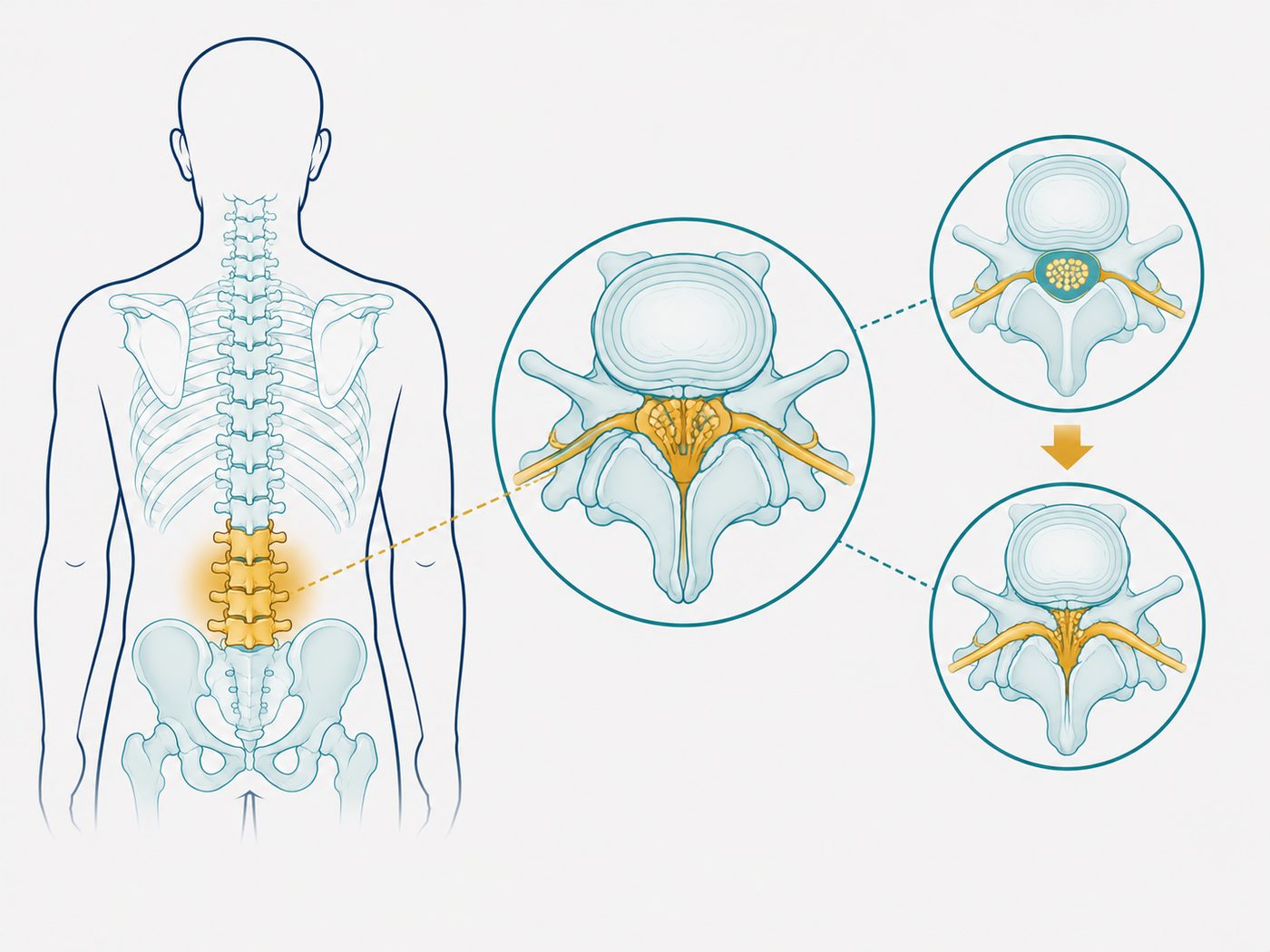
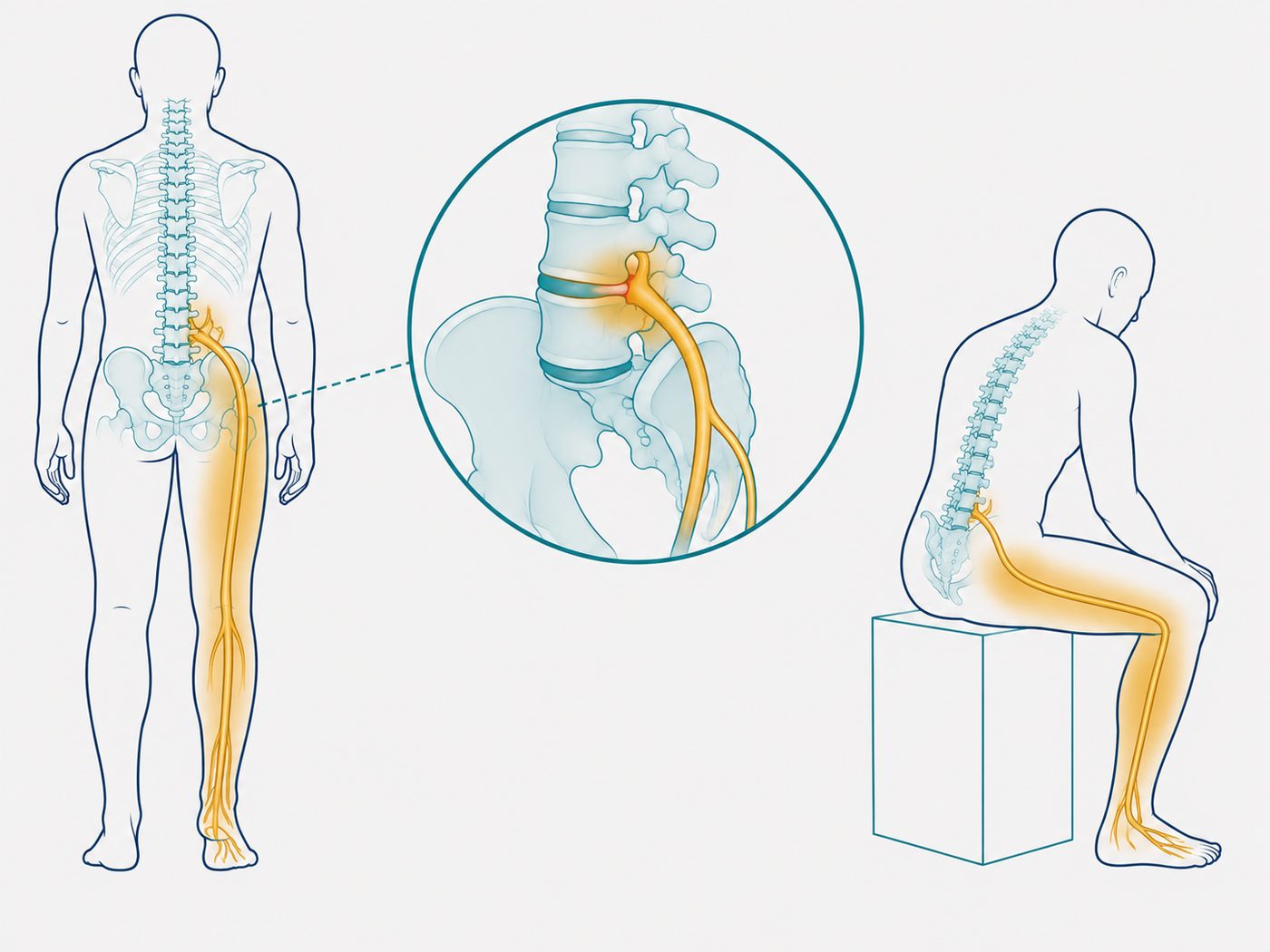
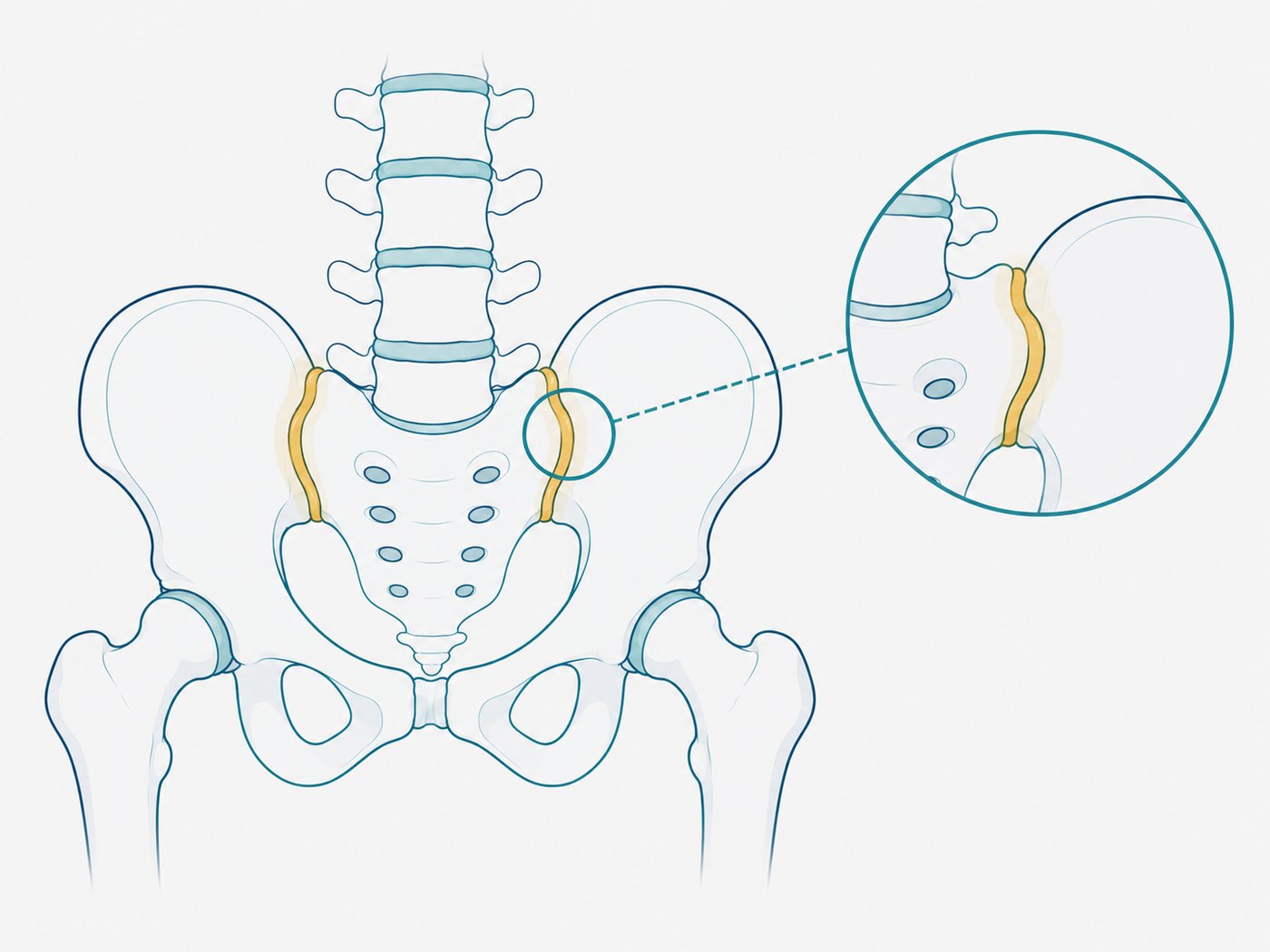
Between the vertebrae of the spine sit discs that act as shock absorbers. When part of a disc bulges or herniates outward it can irritate nearby structures, and sometimes the nerve roots as well - which produces the familiar symptoms of pain radiating into the leg.
Notice whether sitting for long makes the pain worse than walking. This is a common pattern in disc herniation, and it tells me a lot about the right treatment - including how you should sit in the meantime.
How does it feel?
Symptoms vary, but can include:
- Pain in the lower back.
- Radiating pain into the buttock or leg.
- Numbness or tingling.
- Pain that gets worse with long sitting.
- Trouble bending or straightening up.
Not every disc herniation causes all of these symptoms - it looks quite different from person to person.
- Progressive weakness in the leg
- A change in bladder or bowel control
- Numbness in the saddle area (inner thighs and buttocks)
- Severe pain that appears suddenly and doesn’t improve
Is surgery necessary?
In most cases - no.
Many patients improve without surgery - with adjusted loads, exercise, and physiotherapy. Surgery is considered only in specific situations, mainly when there are serious neurological symptoms that haven’t responded to treatment, and always based on the doctor’s advice and the full picture.
How long does it take to recover from a herniated disc?
The short answer: for most people with a herniated disc and radiating pain, the meaningful improvement happens within the first weeks to three months of conservative care. For some it is slower - without that indicating greater damage.
The sharp leg pain usually starts easing. Staying in motion at a tolerable dose clearly beats prolonged bed rest.
What you can do at this stage- A comfortable resting position: lying on your side with a pillow between your knees, or on your back with a pillow under your knees.
- Gentle movement and position changes through the day - do not stay in one position for long.
- Do not keep repeating the movement that clearly worsened your symptoms right now.
Gradual improvement measured in functional milestones - more comfortable sitting, unbroken sleep, returning to work, walking longer distances.
What you can do at this stage- Build sitting tolerance gradually: short planned breaks beat waiting until it is unbearable.
- Gradually extend walks and bring back stopped activities, one at a time.
Sometimes, as things improve, the leg pain retreats upward and centers more around the back - that can be a positive trend, even if it still hurts.
Good if you feel the same or better after the activity. Not good if the pain spreads further down your leg, new leg symptoms appear, or you stay significantly worse - in that case stop and do not repeat it for now. The guidance here is general, and not a substitute for an individual assessment.
What happens to the herniation itself?
This is the part most worth knowing: the body knows how to resorb disc material that has herniated. On follow-up MRI, about two thirds of herniations shrink or disappear on their own over time - and it is precisely the largest, most dramatic ones, those with a fragment that has separated from the disc, that resorb at the highest rates - over 90% of herniations of that type. So even a "scary" MRI finding does not mean surgery is inevitable, and symptoms can improve well before the picture changes.
What if it takes longer for me?
For a sizable share of people, the process continues beyond the first three months. A slower course is not evidence of greater damage and does not lower your chances of recovery - the character of the care simply shifts, from calming things down to building endurance and strength. And there is no closing window on surgery either: comparison trials show early surgery brings relief faster, but at one year the results are similar to the conservative path. The decision follows trend and function.
New or progressing weakness in the leg, new trouble controlling urine or bowel movements, or numbness in the groin and saddle area - these call for urgent assessment, not waiting out the window.
Based on the natural-course literature, meta-analyzes of spontaneous disc breaking down (by herniation type), and the surgery-versus-conservative comparison trials.
How can physiotherapy help?
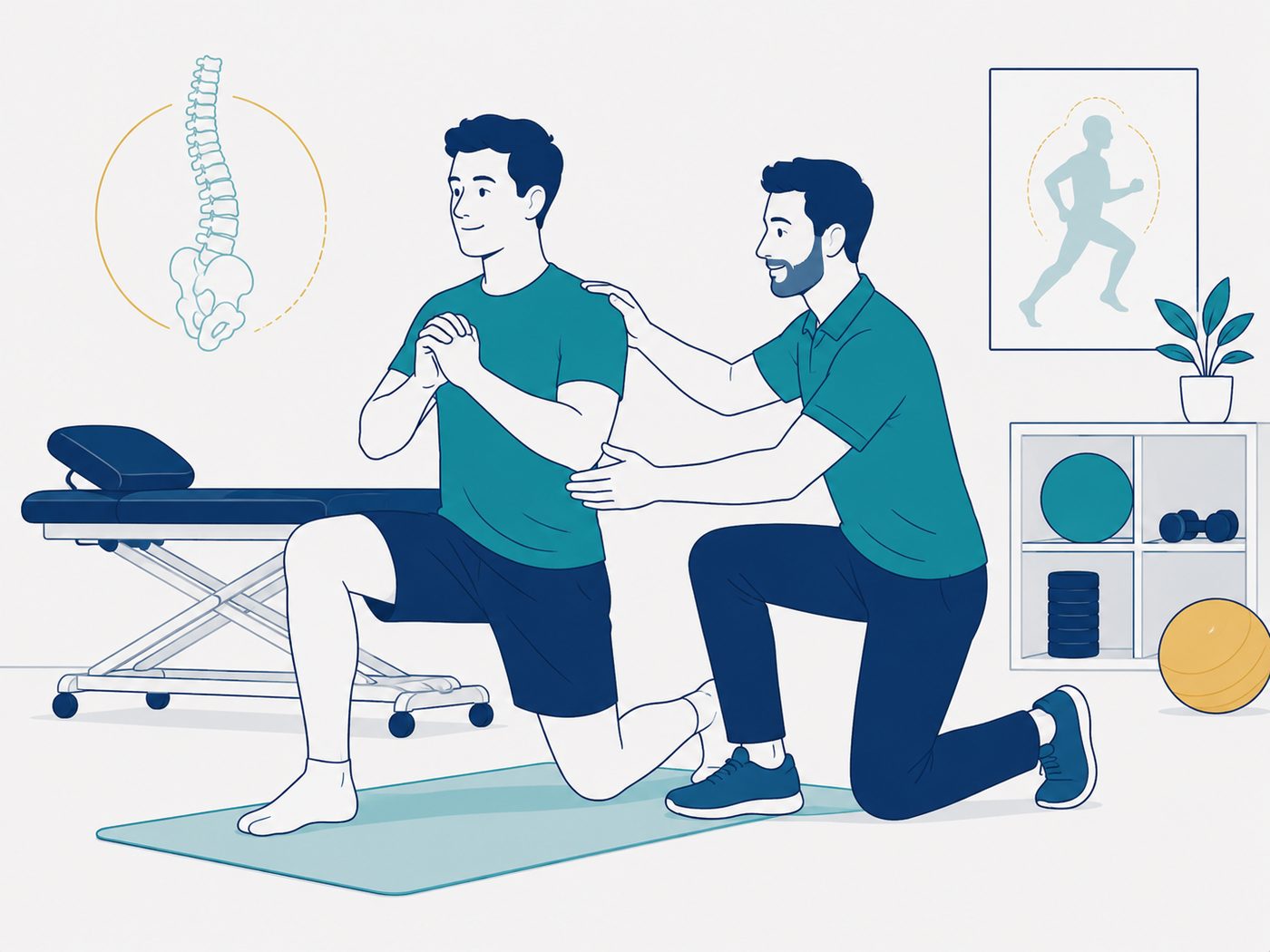
The goal is less pain, better movement, and confidence in activity again. After a thorough assessment, we build a personal plan - exercises, guidance for daily life, and gradual loading, at a pace that fits where your pain is.
Mistakes worth avoiding
- Stopping all movement completely.
- Assuming that every back pain is a disc herniation.
- Relying on the MRI result alone without a clinical examination.
Frequently asked questions
Not necessarily. In some people both the findings and the symptoms change over time - sometimes the body naturally reabsorbs part of the bulge.
Usually not. Gentle, adapted movement beats long bed rest, which actually tends to slow recovery.
In most cases, yes - after adjusting the load and building up gradually, including the activities you enjoyed before.
Often, yes. On follow-up MRI, about two thirds of herniations shrink or disappear on their own over time, and it is precisely the largest herniations that resorb at the highest rates. Just as important: symptoms can improve well before the picture changes - the goal is a back that works, not a clean MRI.
What’s worth remembering?
A disc herniation is a finding that only makes sense together with your symptoms and the examination - not on its own. In most cases things can improve without surgery, with a tailored treatment plan.
- A disc herniation happens when part of the disc bulges or herniates outward and irritates nearby structures, sometimes including the nerve roots.
- Prolonged sitting that makes the pain worse than walking does is a common pattern in disc herniation, and provides important information for treatment.
- The clinical picture varies a lot from person to person - not every disc herniation causes all the possible symptoms.
Not sure if this is your situation? I’d be happy to give you a professional assessment and build a treatment plan that fits you.
Book a consultation callYou might also be interested in:
 Pain somewhere else?
Return to the interactive body map and pick an area
←
Pain somewhere else?
Return to the interactive body map and pick an area
←