The sacroiliac joint: when pelvic pain masquerades as back pain
One-sided pain in the pelvis or buttock that is hard to pinpoint precisely - and is sometimes confused with ordinary back pain.
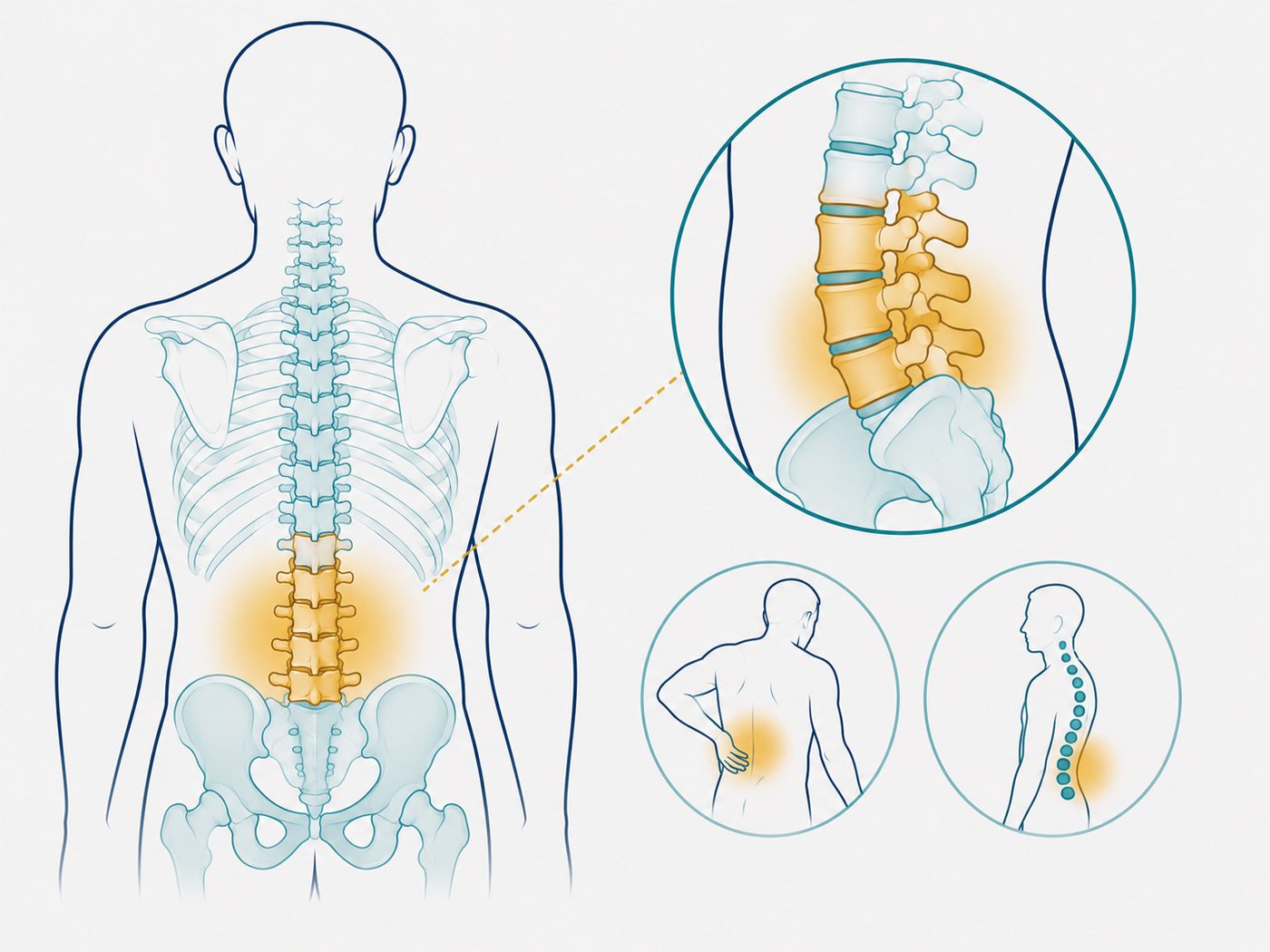
Sacroiliac joint pain tends to resemble “ordinary” lower back pain - so it’s often treated as though it came from the spine, while this small joint never gets examined at all.
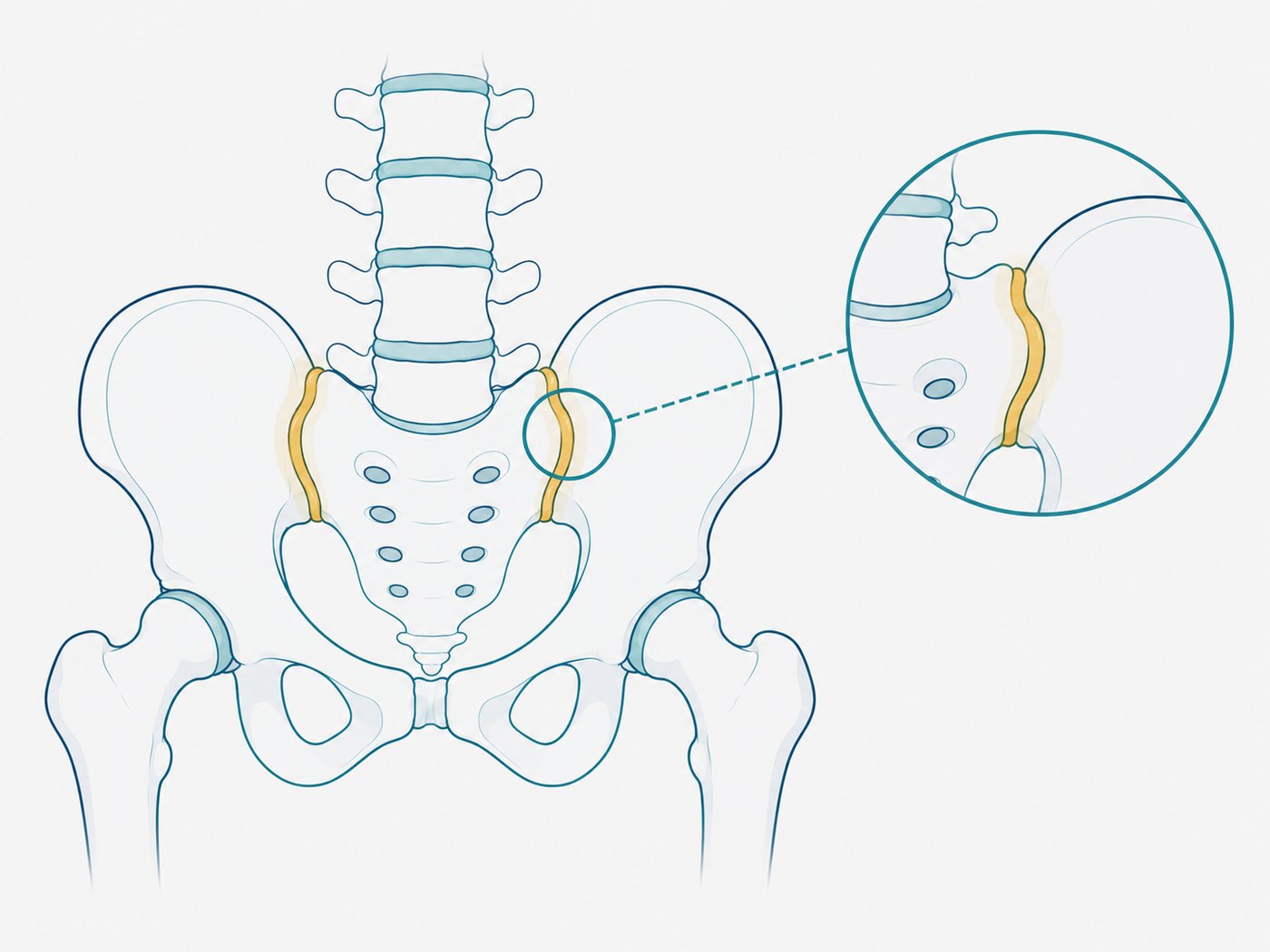
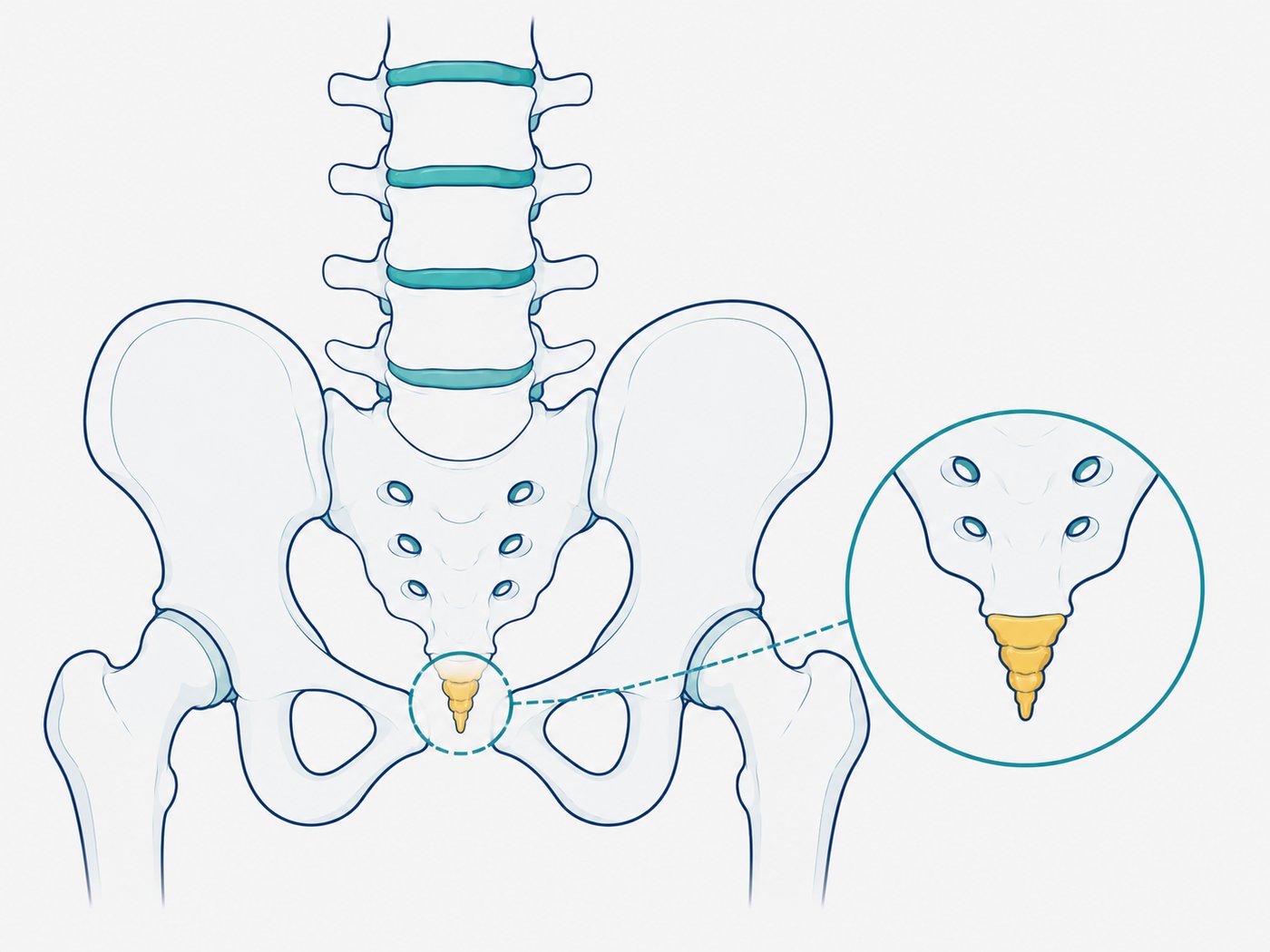
If you feel one-sided pain low in the back, just above the buttock crease, that doesn’t quite behave like ordinary “back pain” - it may be the sacroiliac joint (SI joint), which connects the sacrum to the ilium in the pelvis. It’s a relatively small joint with a limited range of motion, but it carries a considerable share of the load between the upper body and the legs.
One of the common problems with this diagnosis is that the pain tends to resemble “ordinary” lower back pain, and so it is often treated as though it originated in the spine - while the joint itself is never examined at all.
How does it usually feel?
Symptoms can vary, but many describe:
- One-sided pain below the dimple of the back, usually near the ilium.
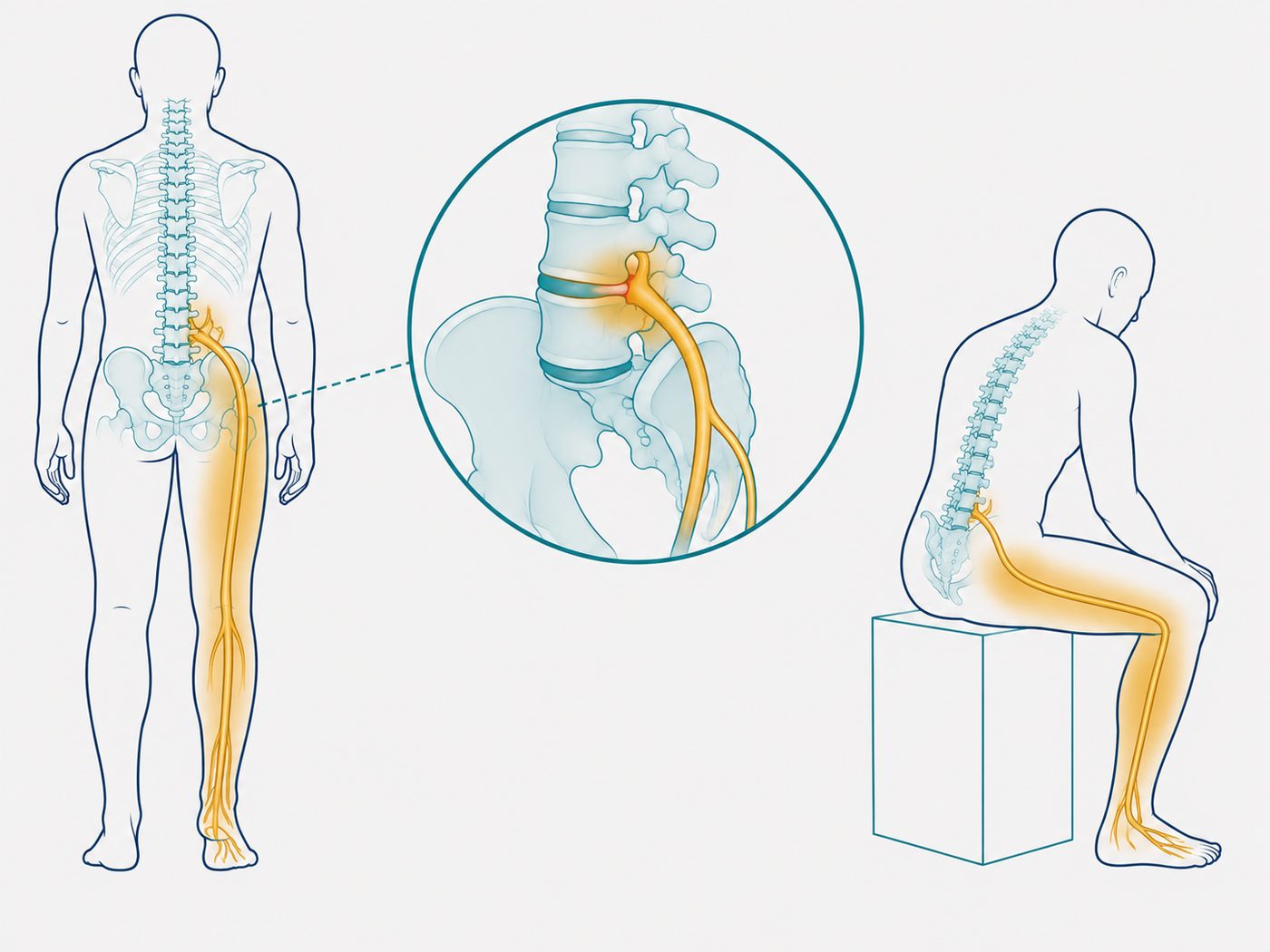
- Pain radiating into the buttock or the back of the thigh, usually not below the knee.
- Worsening with prolonged standing on one leg, climbing stairs or standing up from a chair.
- A feeling of instability in the pelvis, particularly after pregnancy or childbirth.
- Difficulty finding a comfortable sleeping position on the painful side.
If you can point with one finger exactly at the painful spot, usually near the dimple of the back - that is a sign pointing strongly toward the sacroiliac joint rather than the spine itself.
What causes sacroiliac joint pain?
The causes vary between people: in women who are pregnant or have recently given birth, hormonal changes loosen the ligaments supporting the joint and increase the risk. In others it is repetitive, asymmetric load - running on a cambered surface, work requiring prolonged standing on one leg, or a direct injury such as a fall onto the buttock.
How can physiotherapy help?
Treatment focuses on reducing the uneven load on the two sides of the pelvis, usually by strengthening the glutes, the deep abdominal muscles and the hip muscles that support the stability of the joint. Gentle manual therapy is sometimes used for temporary relief, alongside exercises that teach the body to distribute load more evenly.
In some patients, particularly after childbirth, temporarily fitting a supportive pelvic belt can also help alongside active treatment.
When should you get checked?
If the pelvic pain comes with fever, unexplained weight loss, or appears together with pain in other joints - rule out systemic inflammatory conditions with a doctor before starting physiotherapy.
Frequently asked questions
Pain from the sacroiliac joint is usually one-sided and closer to the buttock, and doesn’t necessarily worsen with coughing or sneezing as sometimes happens with disc problems. Even so, the final diagnosis requires a professional examination.
Yes, that is one of the most common causes - the hormonal changes and the changing load on the pelvis during pregnancy significantly increase the risk.
In most cases yes, after adjusting the type of activity and the load. Complete avoidance of movement usually doesn’t help and may even slow recovery.
What’s worth remembering?
The sacroiliac joint is a common but often undiagnosed cause of pelvic and lower back pain. A focused assessment that distinguishes it from spinal problems is the key to effective treatment.
- The sacroiliac joint connects the sacrum to the ilium, and carries a considerable share of the load between the upper body and the legs.
- Being able to point with one finger exactly at the painful spot near the dimple of the back points strongly to this joint rather than the spine.
- It’s particularly common after pregnancy or childbirth, and also shows up as difficulty finding a comfortable sleeping position on the painful side.
Not sure if this is your situation? I’d be happy to give you a professional assessment and build a treatment plan that fits you.
Book a consultation callYou might also be interested in:
 Pain somewhere else?
Return to the interactive body map and pick an area
←
Pain somewhere else?
Return to the interactive body map and pick an area
←