Sciatica: when pain radiates from the back down the leg
Pain that starts in the back and radiates into the buttock, thigh or calf.
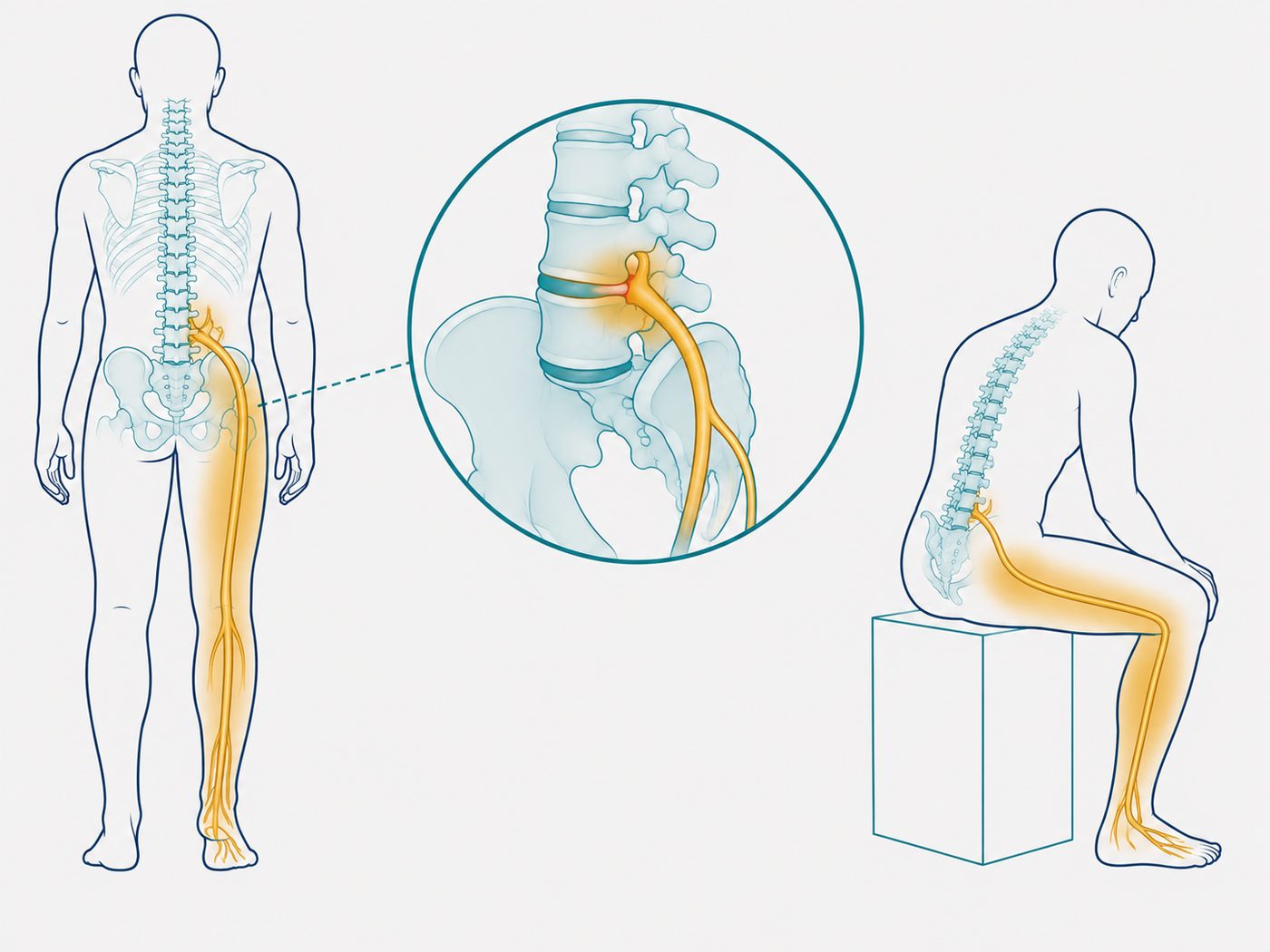
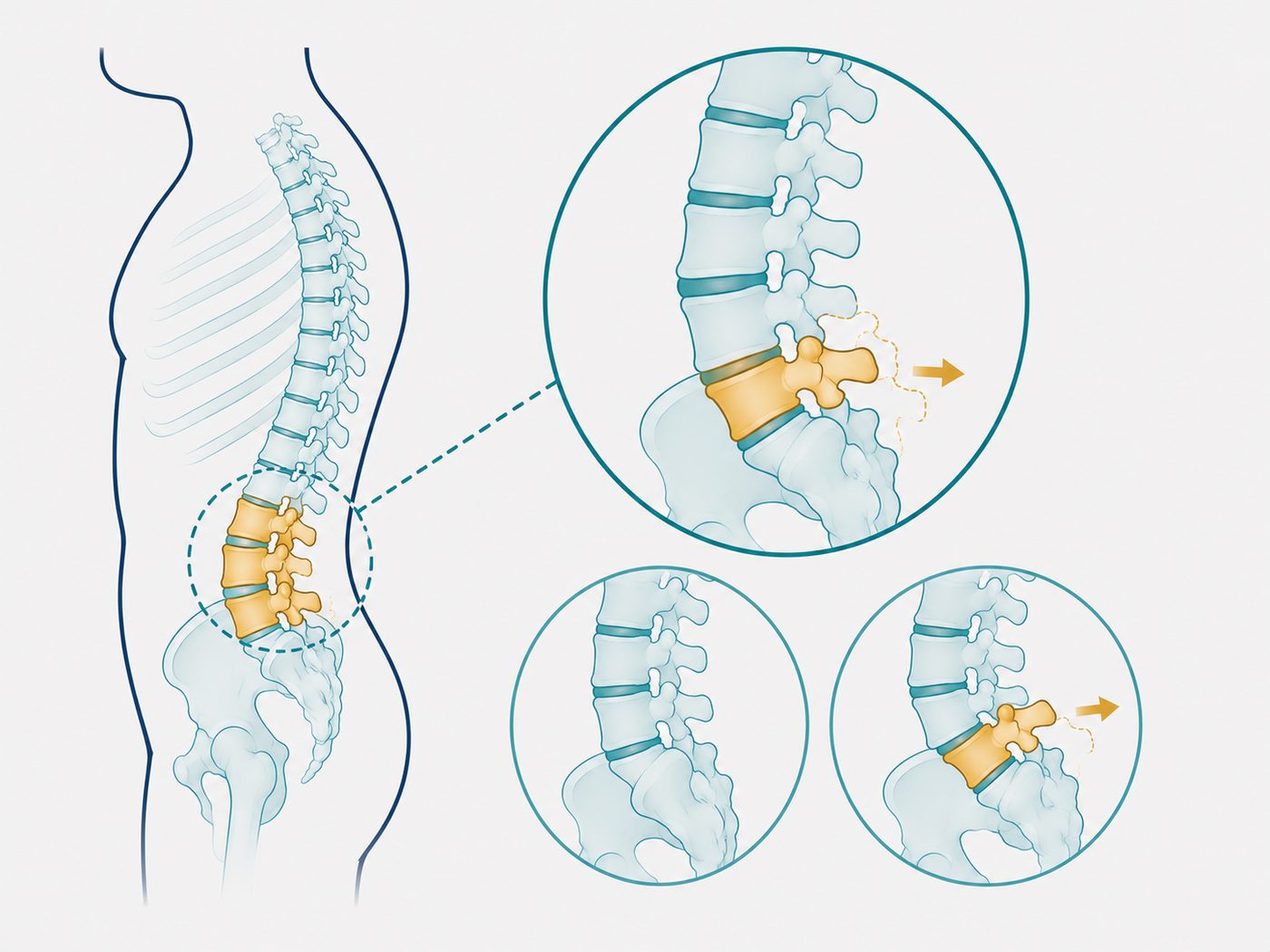
“Sciatica” isn’t a diagnosis in itself, but a name describing pain radiating along the sciatic nerve - the longest nerve in the body - and not every pain that radiates into the leg is sciatica.
If you feel pain in your lower back that runs into your buttock, thigh, or even down to your foot, you may have heard the word Sciatica. Many people think it’s a disease. It’s actually just a name for pain that travels along the sciatic nerve - the longest nerve in the body. I hear quite a few people use the word “sciatica” as a final diagnosis, when in fact it only describes where the pain travels.
Not every pain that runs into the leg is sciatica, and not every case of sciatica has the same cause. That’s why a good assessment is the first step toward the right treatment.
How does it usually feel?
It feels different for different people, but many describe:
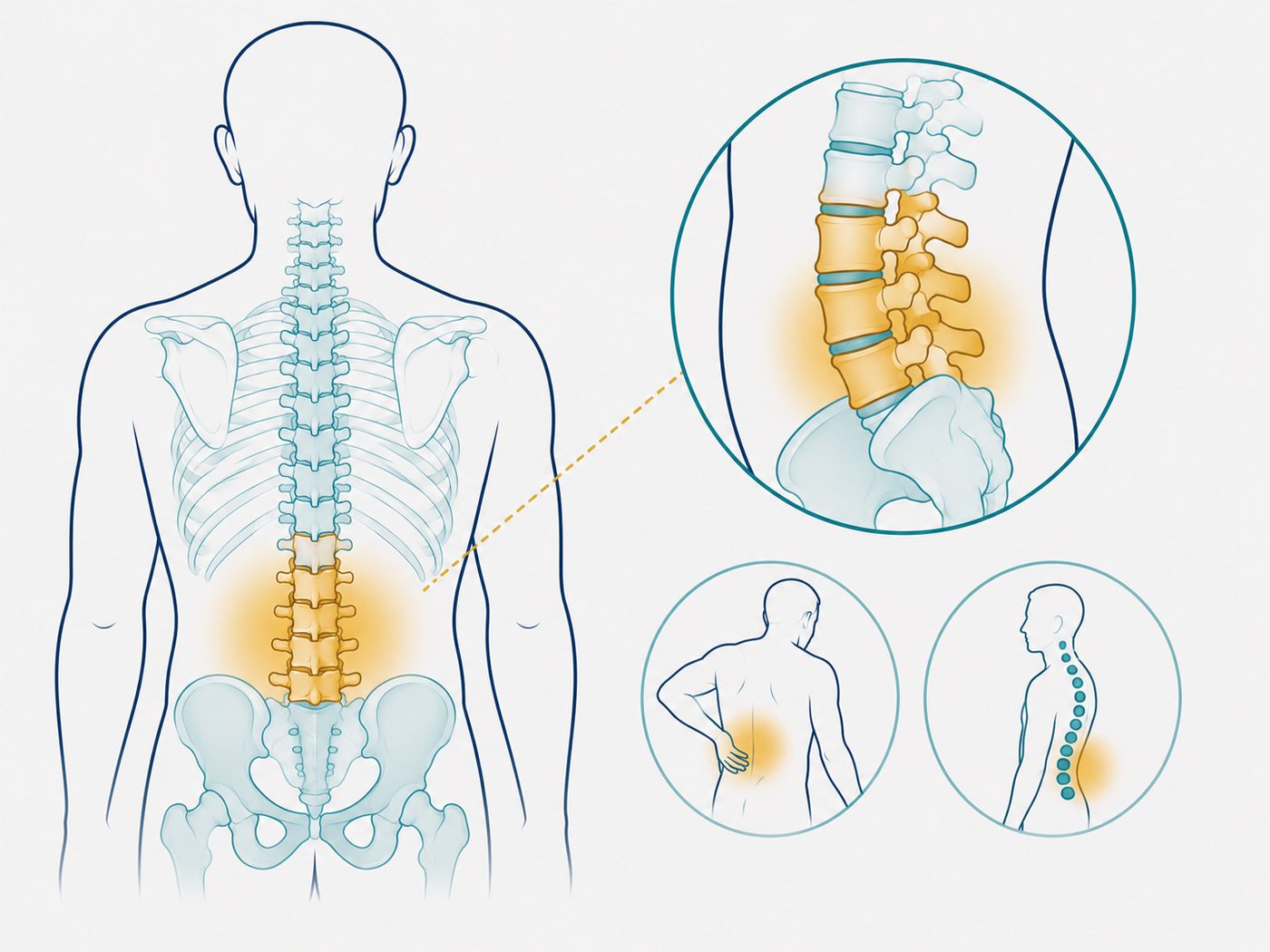
- Pain that starts in the back and runs into the leg.
- A burning or electric feeling.
- Numbness or tingling.
- Trouble sitting for long.
- Pain that gets worse when coughing or sneezing, in some people.
Notice whether the pain feels better when you stand or walk than when you sit, or the other way around. This is important information that guides the assessment, so it’s worth noticing before your first appointment.
What causes sciatica?
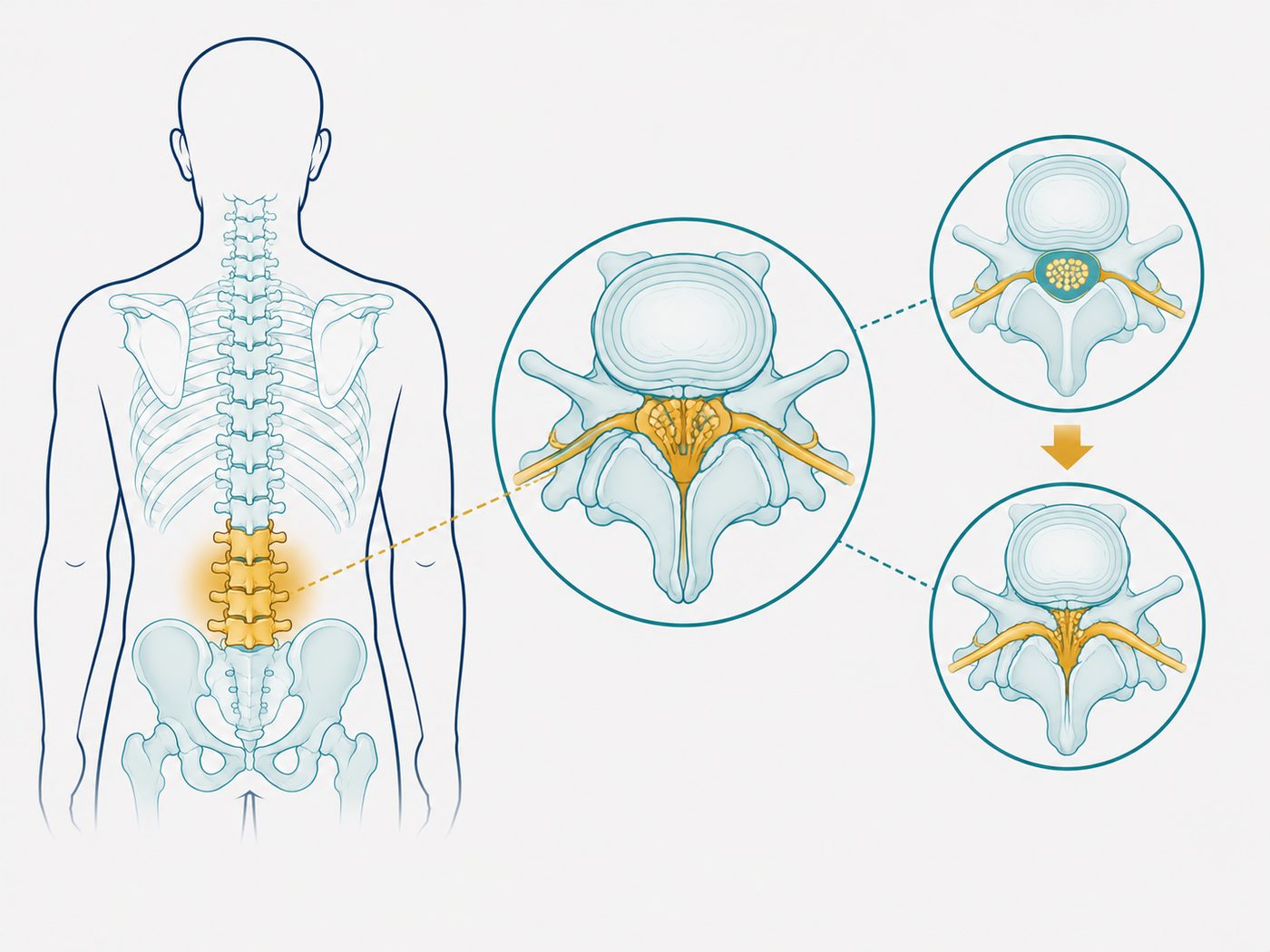
There are several possible causes: load on the nerve, changes in the spine, or conditions like a herniated disc. So don’t jump to conclusions from what you read online - two people describing the same pain can get completely different diagnoses.
How can physiotherapy help?
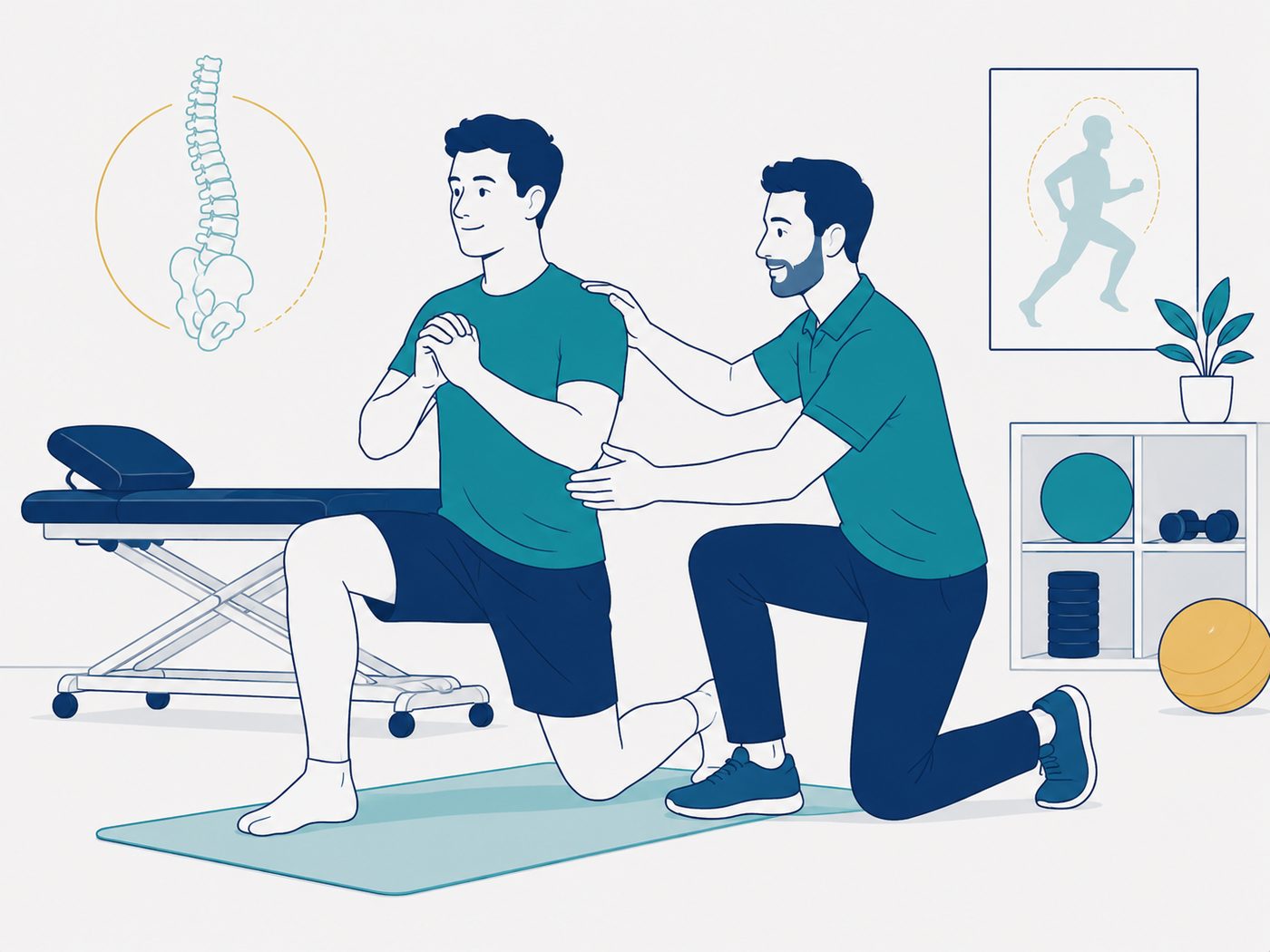
After a proper assessment, we build a personal treatment plan. It usually includes exercises to improve movement, ways to reduce the load on the area, gradual strengthening, and a safe return to daily activity.
The goal isn’t just less pain. It’s understanding what caused it, and lowering the chance it comes back.
How long does sciatica last? What to expect, and when
The short answer: for most people, an acute episode of sciatica starts improving meaningfully within the first weeks - often within 2-4 weeks - and most of the improvement happens in the first three months. For some it takes longer, and that does not mean something more serious is going on. Here is the picture.
For many people the sharp leg pain starts easing. The goal at this stage is to keep moving at a tolerable dose - not to wait it out in bed.
What you can do at this stage- A comfortable resting position: lying on your side with a pillow between your knees, or on your back with a pillow under your knees - a few minutes, as needed.
- Frequent position changes and short walks at a comfortable pace, as tolerated.
- Do not keep repeating a movement that clearly worsens the leg pain right now - but do keep moving overall.
Continued gradual improvement. The milestones that really matter are functional: sitting comfortably for longer, sleeping through the night, getting back to work, walking longer distances.
What you can do at this stage- Gradually extend your walks and your continuous sitting time.
- Bring back activities you had stopped - one at a time, so it is easy to tell what affects you.
Sometimes, as things improve, the leg pain retreats upward and centers more around the back. That can be a positive trend, even if the back itself still hurts.
Good if you feel the same or better after the activity. Not good if the pain spreads further down your leg, new leg symptoms appear, or you stay significantly worse - in that case stop and do not repeat it for now. The guidance here is general, and not a substitute for an individual assessment.
What if it takes longer for me?
For a sizable share of people, the process continues beyond the first three months. It is worth saying plainly: a slower course is not evidence of greater damage, and it does not lower your chances of recovery. What changes is the character of the care - less waiting for irritation to settle, more gradual building of endurance, strength, and confidence in movement. And being in month four does not mean you missed the boat, including on surgery: comparison trials show early surgery brings relief faster, but at one year the results are similar to the conservative path. Decisions follow trend and function, not a date.
And when should you not wait at all? The signs are covered in the next section.
Based on the natural-course literature for sciatica (Nature Reviews Rheumatology; the ATLAS cohort) and the surgery-versus-conservative comparison trials.
When should you get checked?
If the pain doesn’t pass, runs into the leg, makes walking hard, or isn’t improving, get a professional assessment. If you notice real weakness in the leg, or a change in bladder or bowel control, seek medical care urgently.
Frequently asked questions
No. There are several possible causes, so it’s better to get assessed than to assume it’s always the same one.
In most cases, no. Gentle, adapted movement usually beats long bed rest, which can even slow your recovery.
In many cases, yes - after adjusting the load and doing proper rehab, including a gradual return to sport or physical work.
For most people, an acute episode starts improving within 2-4 weeks, and most of the improvement happens in the first three months. For a sizable share of people it takes longer - and that is not a sign of greater damage. Progress is measured by trend and function (sitting, sleep, walking, work), not by a target date.
What’s worth remembering?
Sciatica describes radiating pain - it’s not a diagnosis by itself. The right assessment and treatment can reduce the pain and get you safely back to activity.
- The pain starts in the back and continues into the buttock, thigh or leg, sometimes with burning, numbness or tingling.
- There are several possible causes - load on the nerve, changes in the structure of the spine or a disc herniation - which is why accurate assessment is the first step.
- Whether the pain feels better standing and walking or sitting is important information that guides the direction of the assessment.
Not sure if this is your situation? I’d be happy to give you a professional assessment and build a treatment plan that fits you.
Book a consultation callYou might also be interested in:
 Pain somewhere else?
Return to the interactive body map and pick an area
←
Pain somewhere else?
Return to the interactive body map and pick an area
←