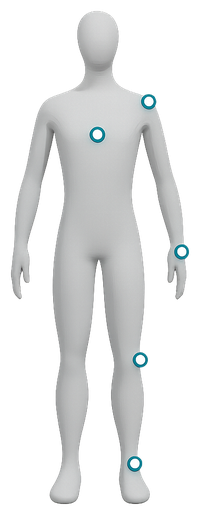
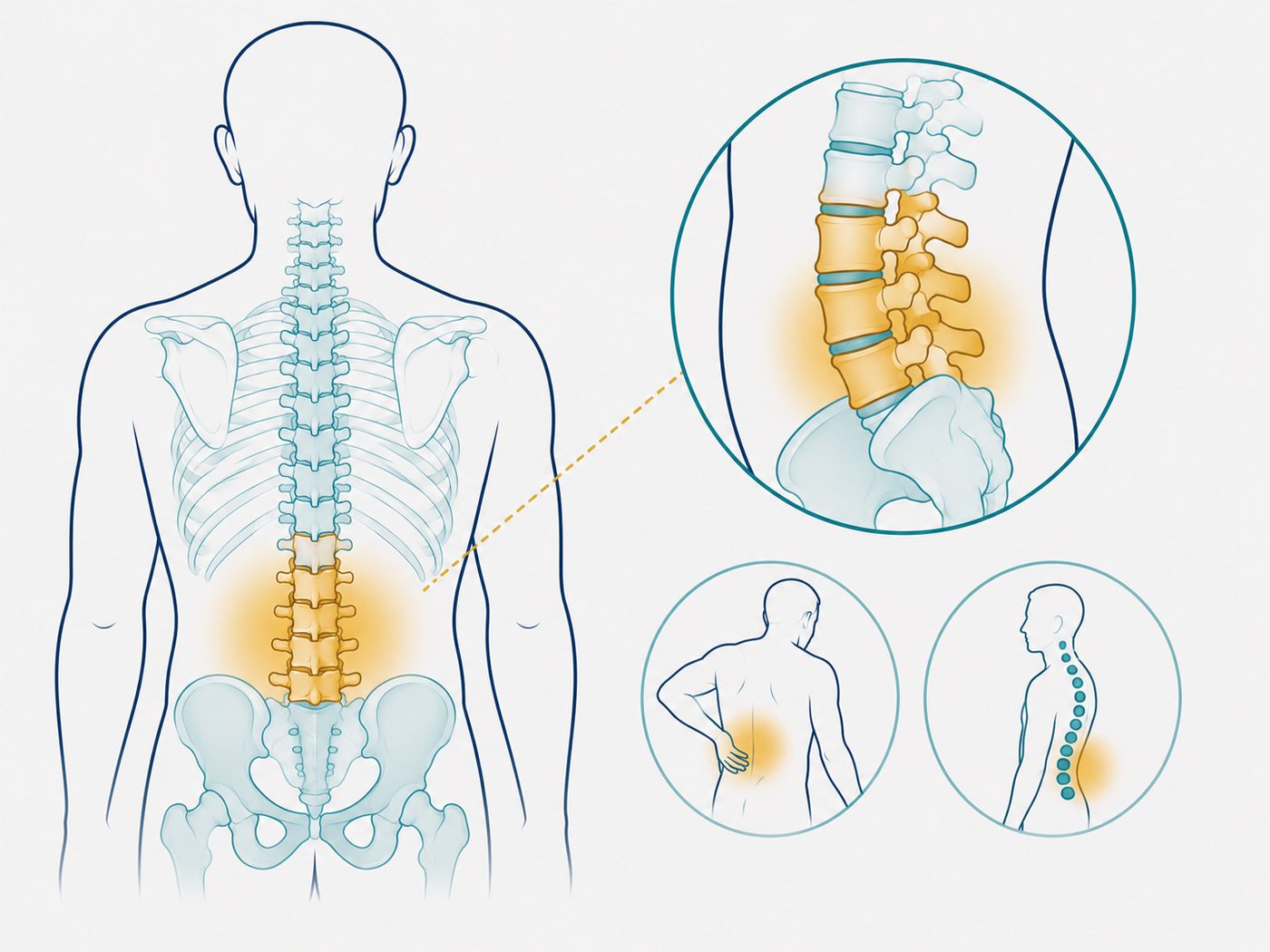
The lower back carries a large part of the load in every movement: sitting, standing, lifting, and walking. So it’s no surprise that lower back pain is one of the most common reasons for seeking physiotherapy.
Here you can understand what may cause the pain and how to deal with it.
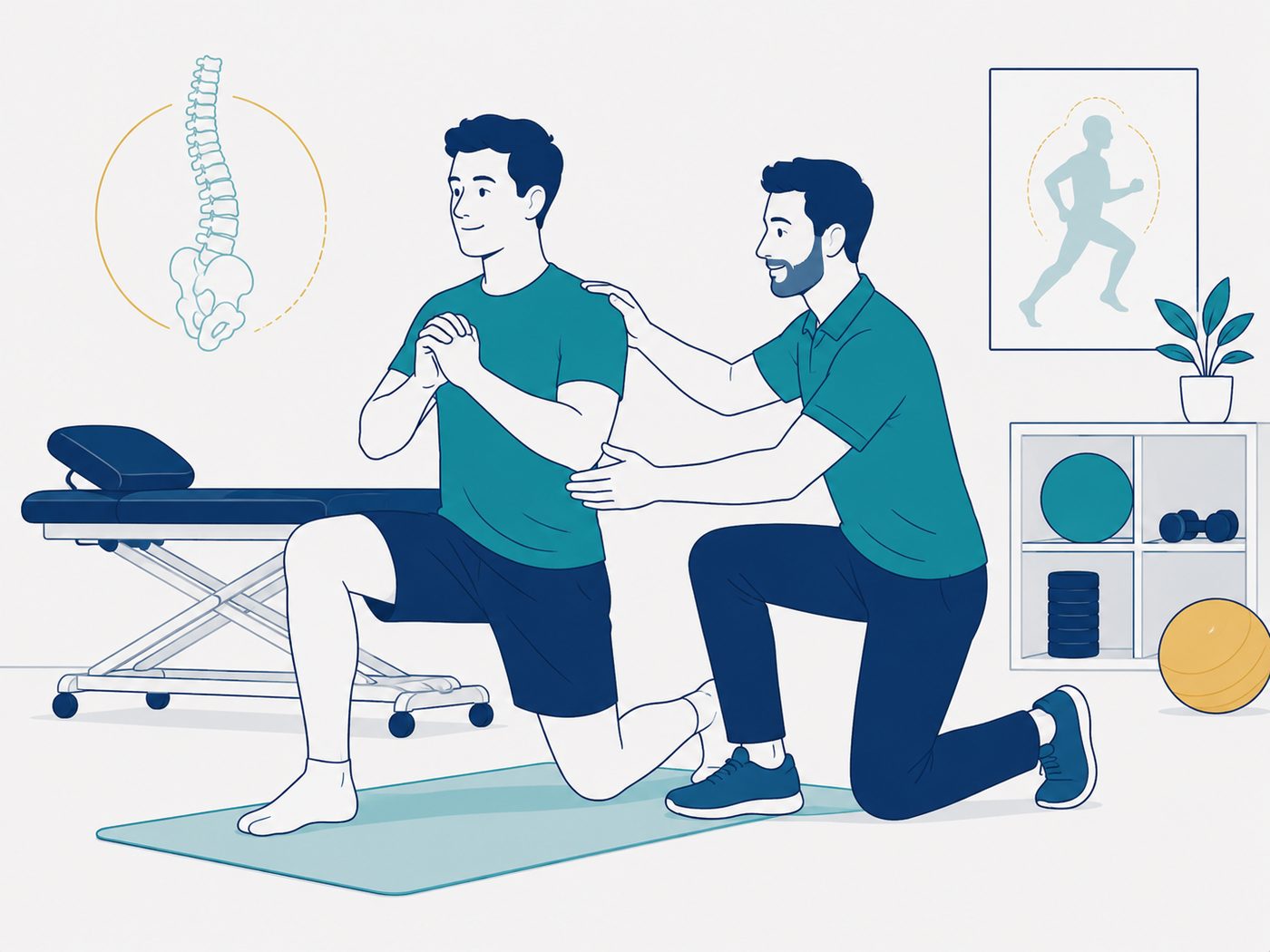
How I treat lower back pain
Most lower back pain is treatable, but only after an assessment that separates the different sources of pain. In the first session I test movement, rule out red flags and build a plan that gets you back to function.
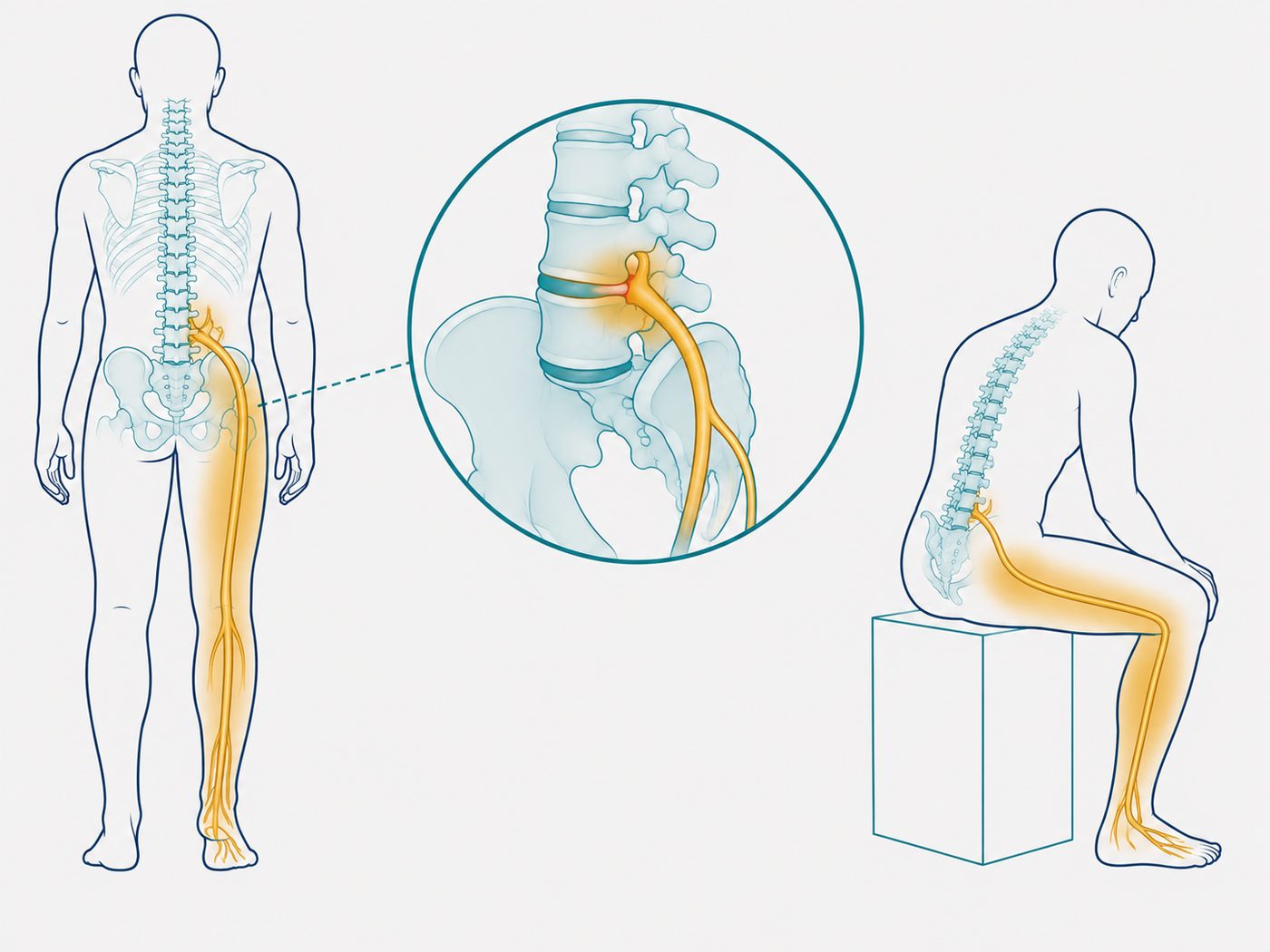
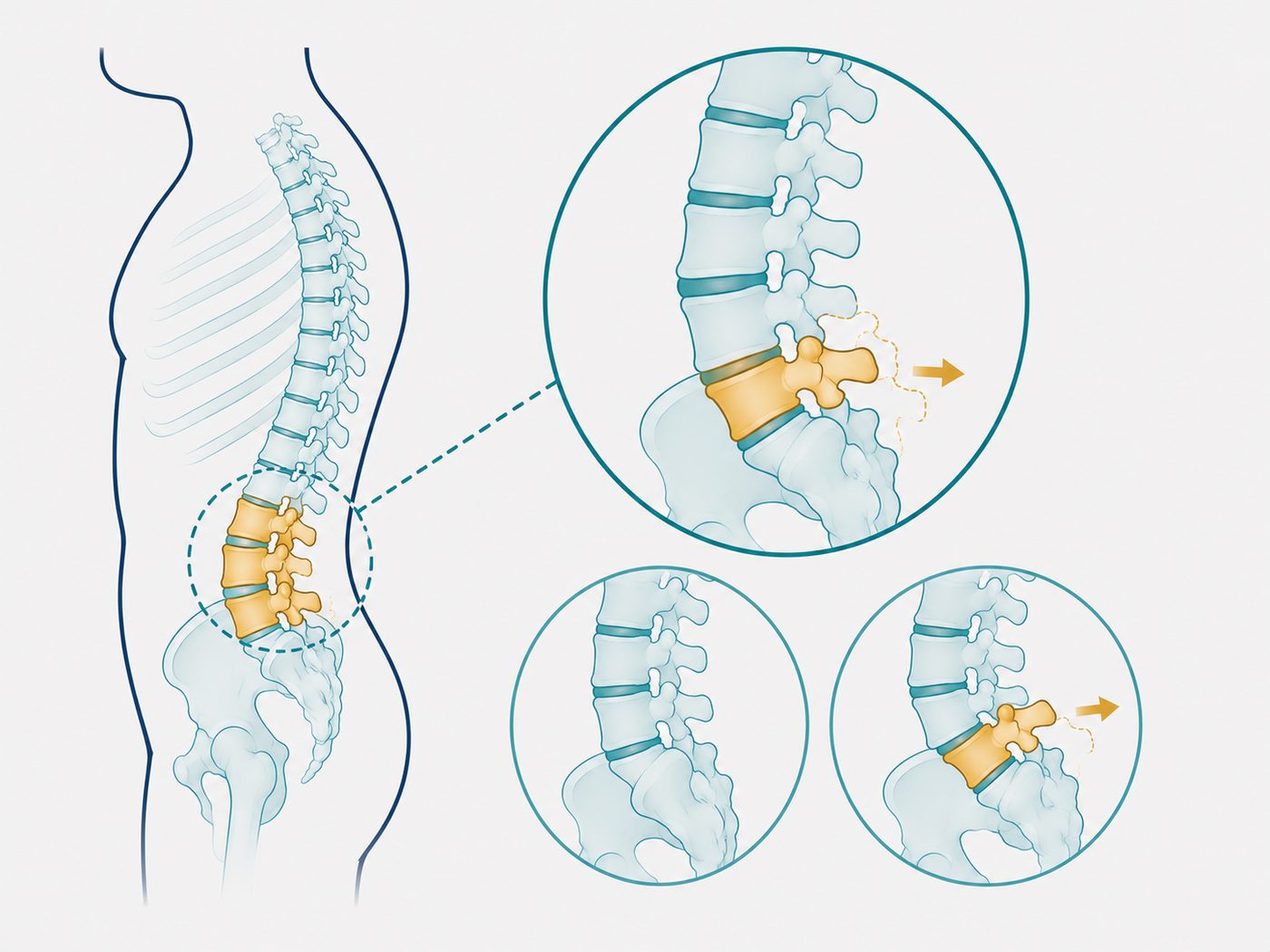
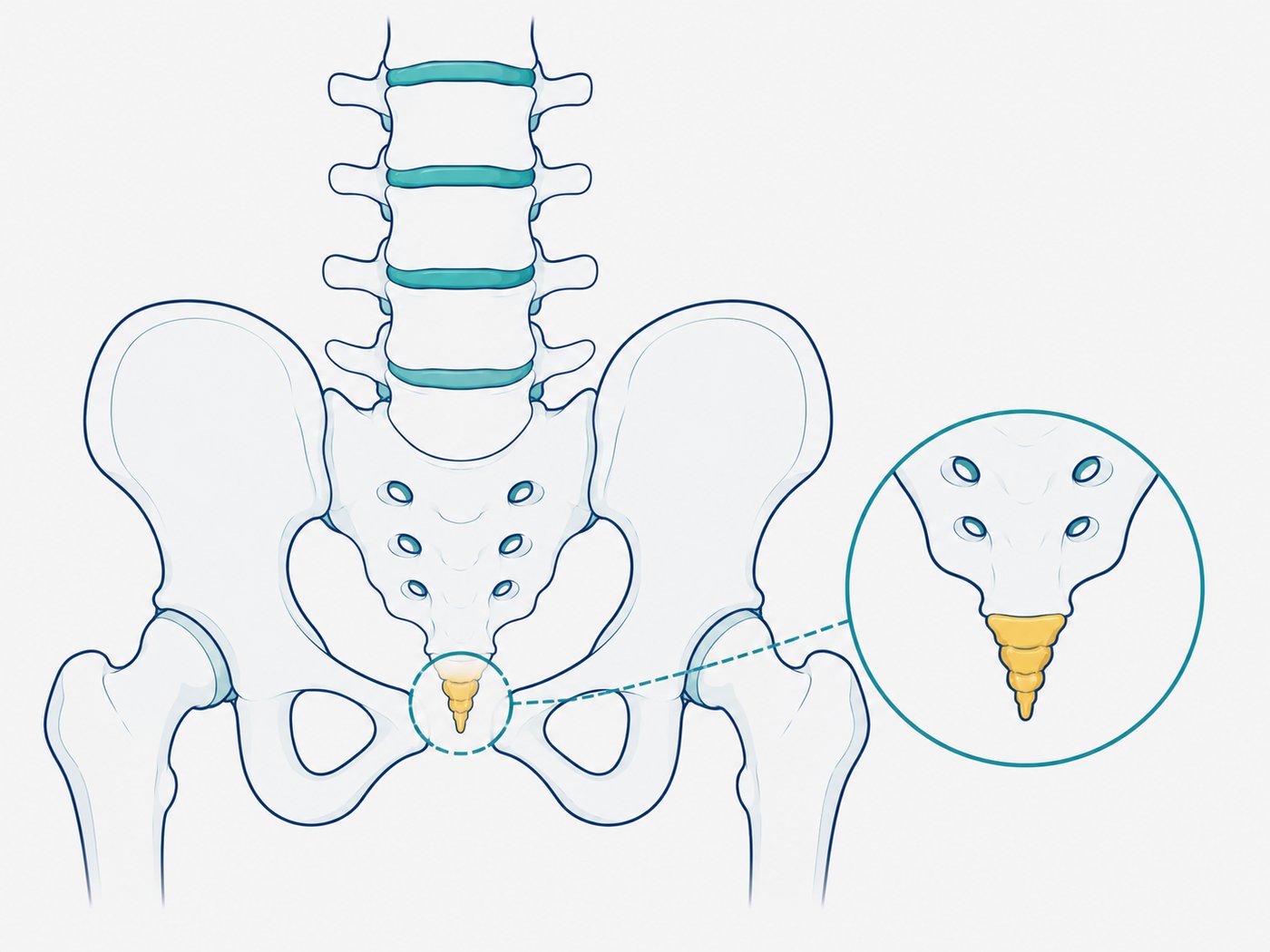
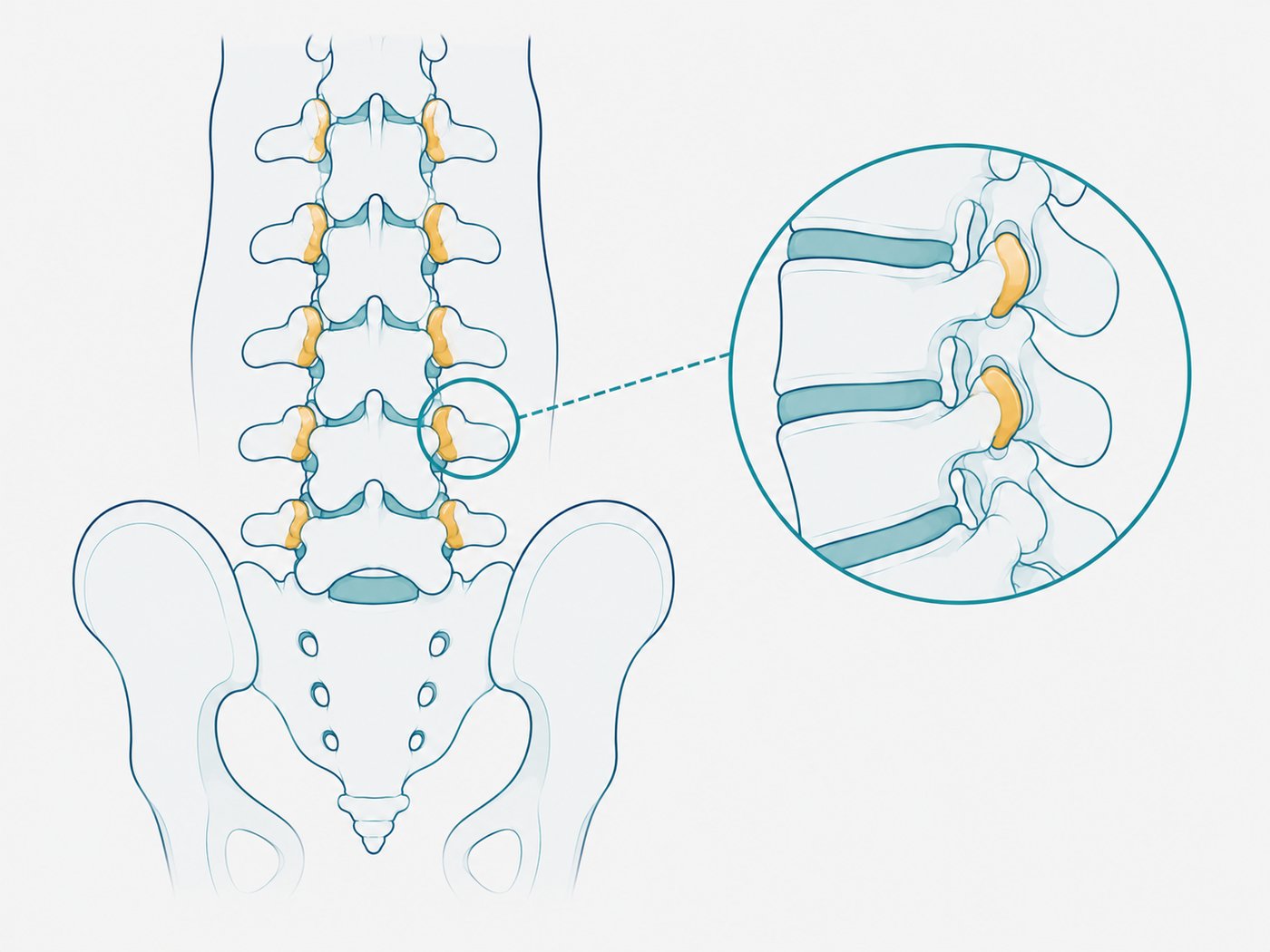
Common conditions
Frequently asked questions
Not always. In most cases, adapted movement is better than prolonged rest and can help speed up recovery.
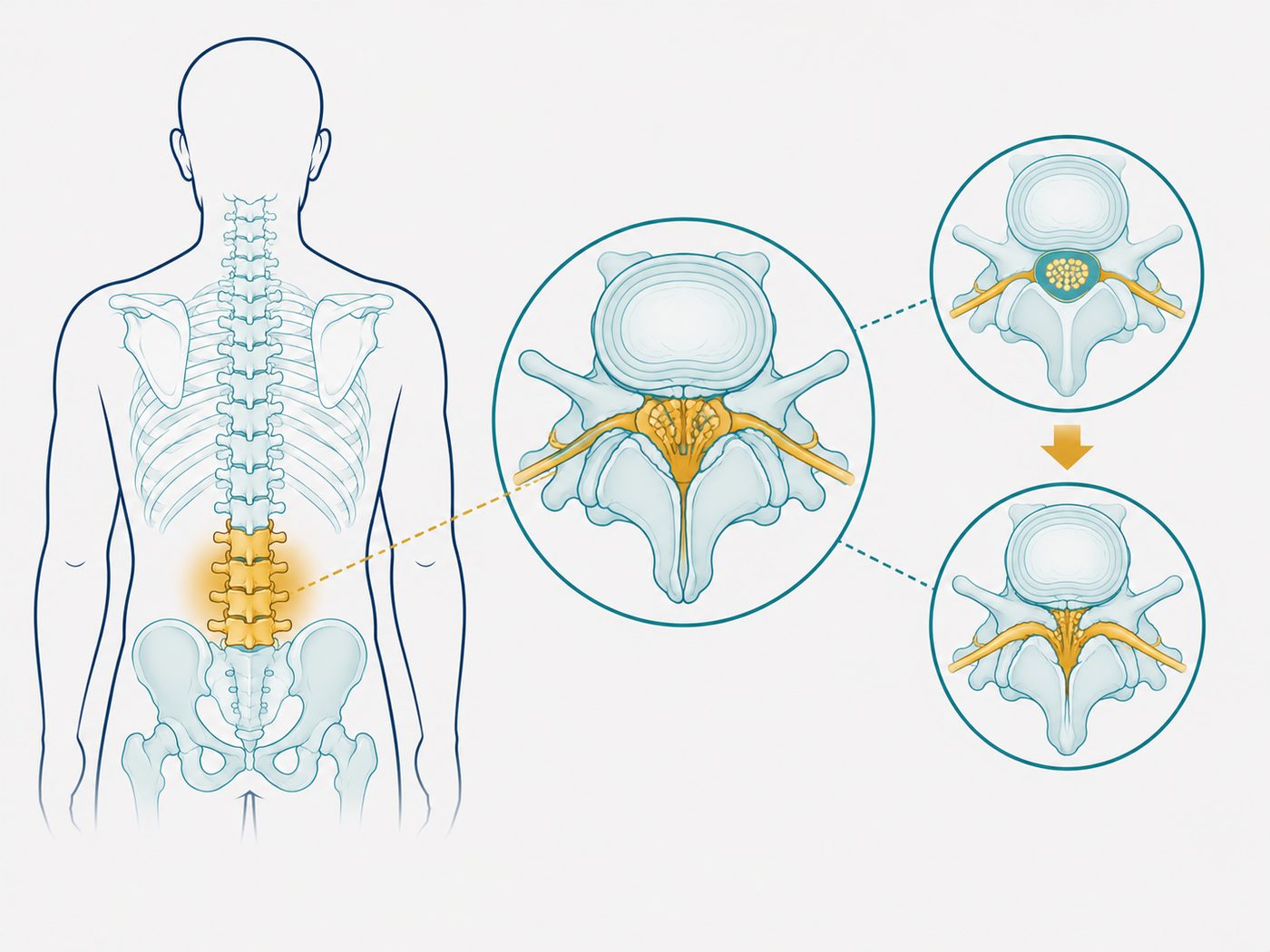
No. Back pain has a wide range of causes, and in most cases it doesn’t stem from a disc herniation.
In most cases, imaging isn’t needed at the first stage. A clinical examination usually provides more important information.
Sometimes yes, with appropriate adjustments to the load and type of activity.
When to get checked
If the pain lasts beyond a few days, keeps returning, or limits daily activity, get a professional assessment. If significant weakness, loss of sensation, or difficulty with bladder or bowel control appears: seek medical evaluation promptly.