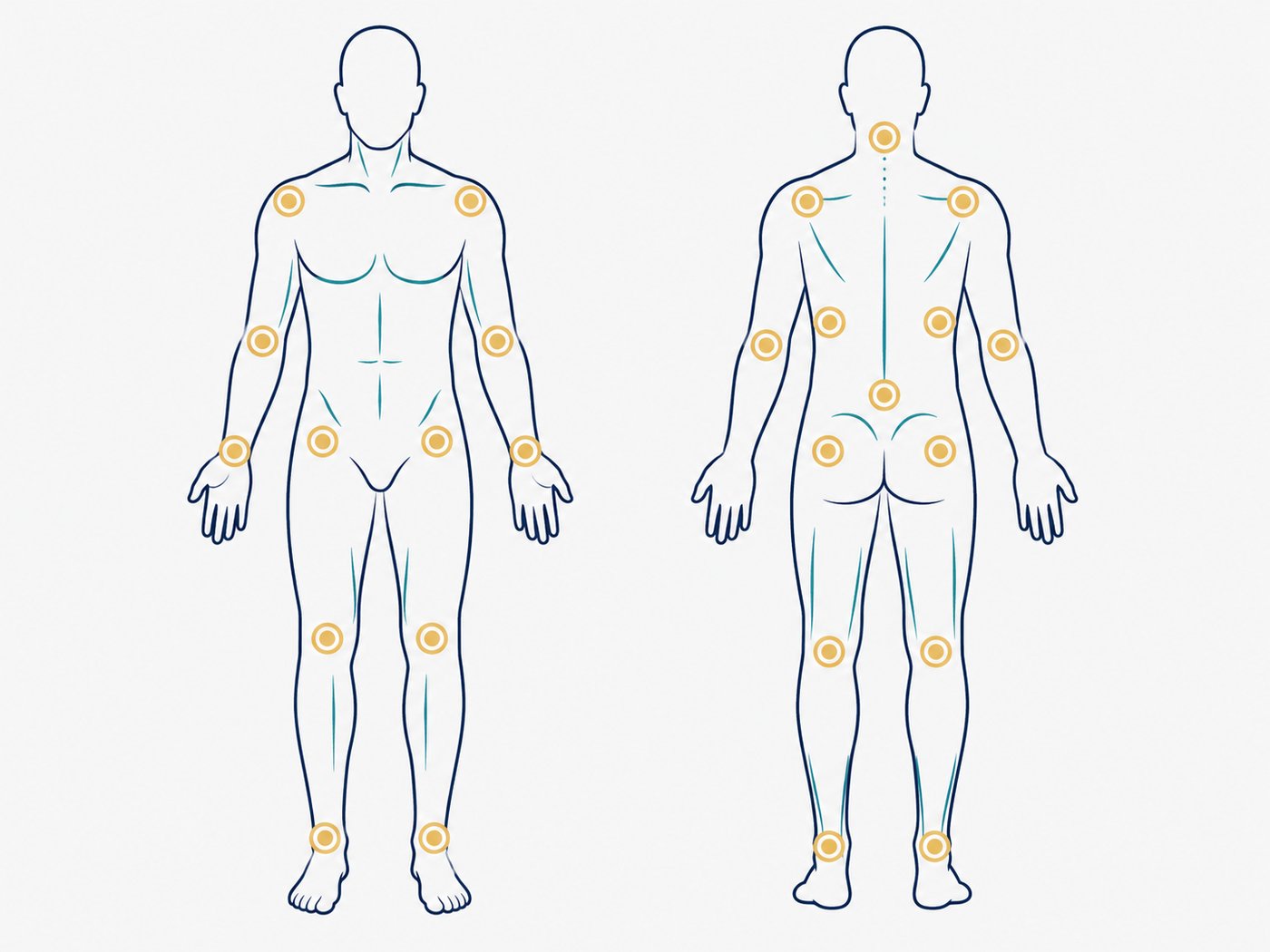
Fibromyalgia: when pain is everywhere, not just one place
Widespread, persistent pain throughout the body, alongside fatigue and tenderness - a chronic condition requiring a different treatment approach from ordinary local pain.
Fibromyalgia isn’t a problem in a joint or in the tissue itself, but a change in the way the nervous system processes pain - and so it requires a completely different treatment approach from local pain.
If you have pain that isn’t located in one area but felt widely across the body - in the muscles, the joints and sometimes in the skin itself - together with persistent fatigue and unrefreshing sleep, this may be fibromyalgia: a chronic condition involving the way the nervous system processes pain.
Unlike a specific injury in a particular area, fibromyalgia isn’t a problem in a joint or in the tissue itself, but a change in the functioning of the nervous system - and that completely changes the treatment approach.
How does it usually feel?
Symptoms can vary, but many describe:
- Widespread pain appearing on both sides of the body and above and below the waist.
- Persistent fatigue, even after sleep that appears normal.
- Increased sensitivity to pressure in certain areas of the body.
- “Brain fog” - difficulty with concentration or memory.
- Pain that moves around or varies in intensity from day to day.
If the pain comes with significant fatigue that doesn’t improve with rest, and with difficulty identifying a clear “trigger” for flare-ups - that points toward the central sensitivity that characterises fibromyalgia, unlike local pain from an injury.
What causes fibromyalgia?
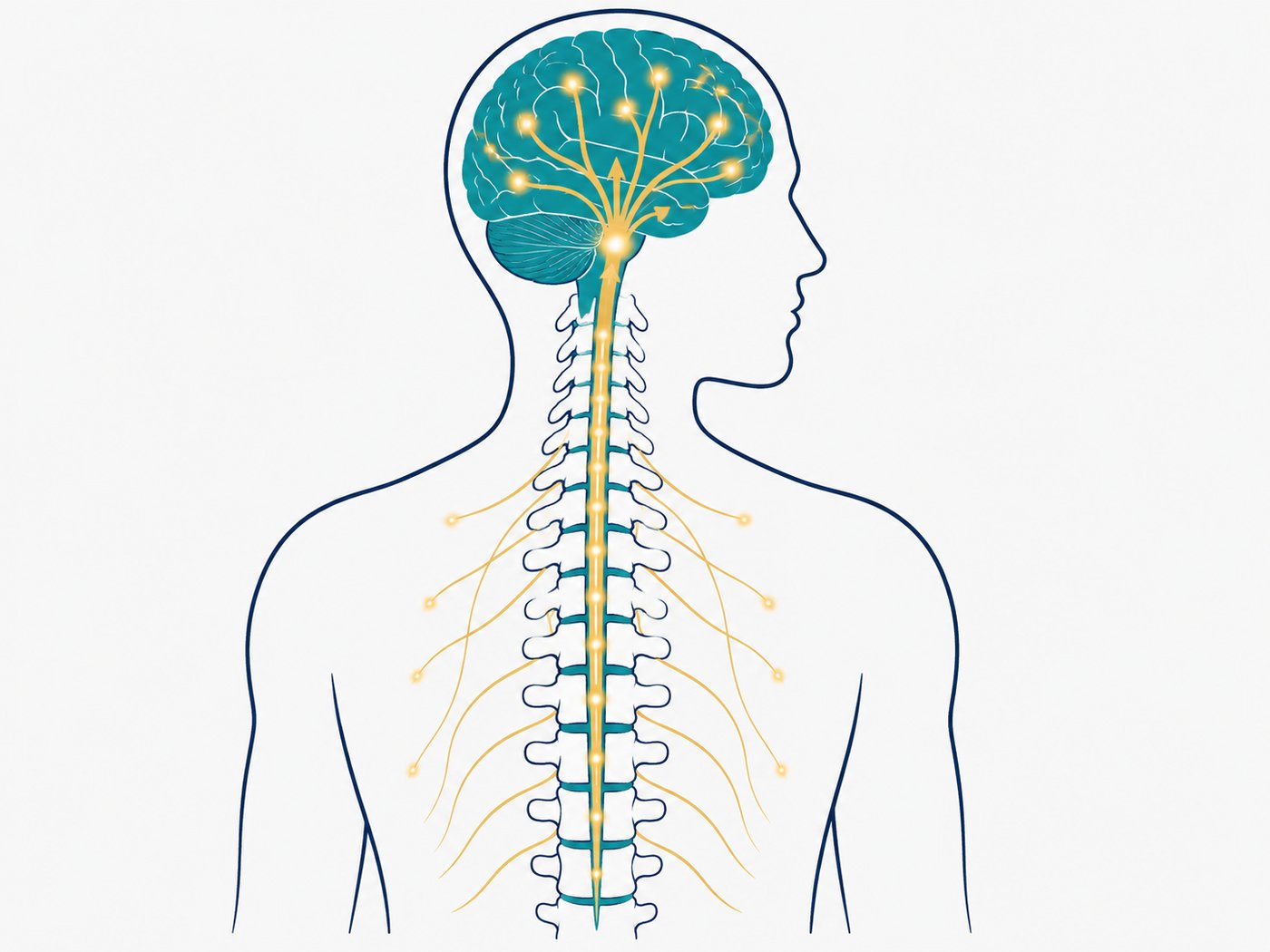
The precise cause isn’t fully known, but current research points to a change in the processing of pain signals in the central nervous system - a state known as central sensitization. Factors such as prolonged stress, previous physical injury, chronic sleep disturbance and genetics can increase the risk.
How can physiotherapy help?
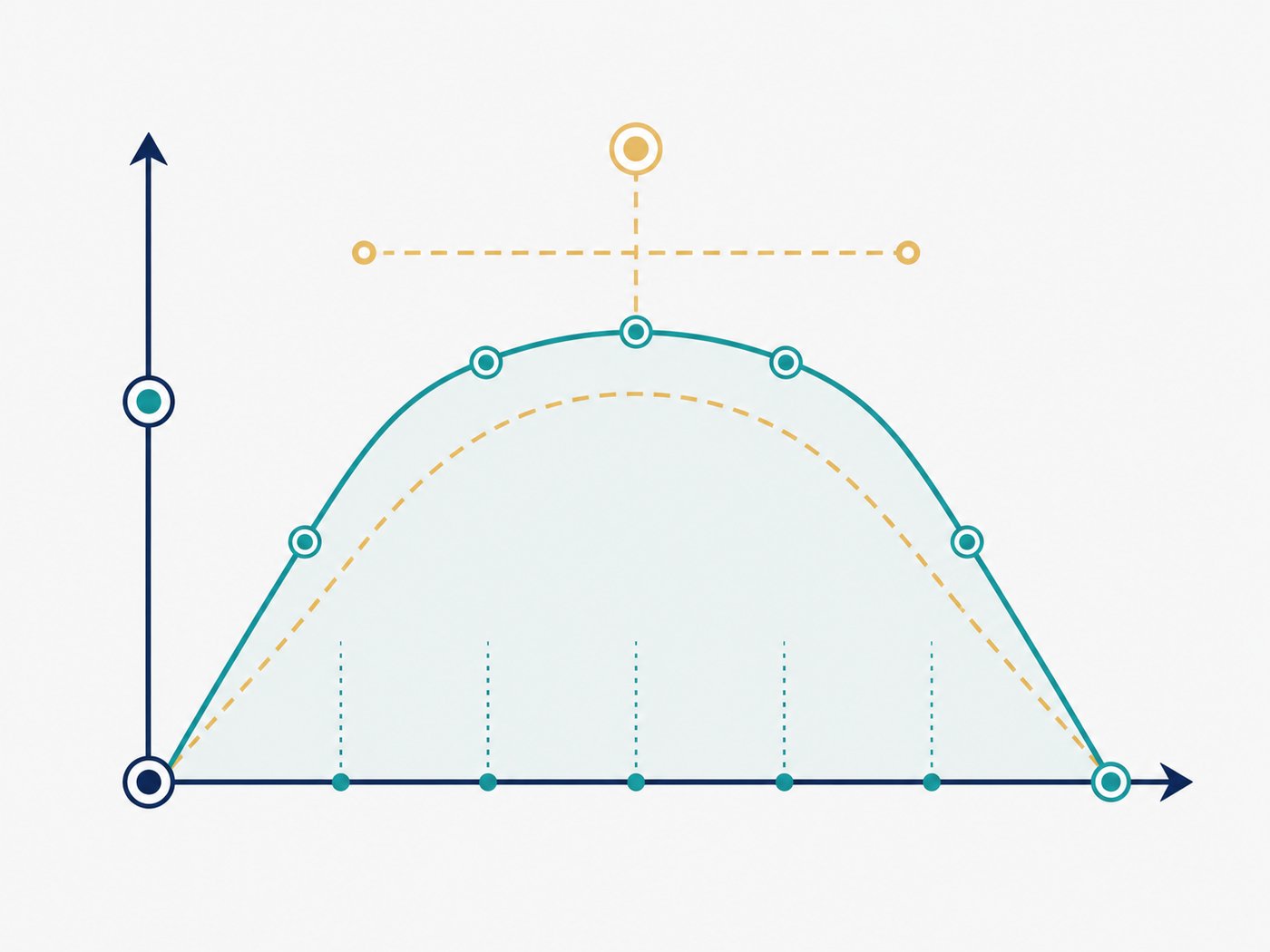
The most effective treatment combines graded, gentle physical activity that starts from a very low load and increases very slowly and gradually, alongside guidance on managing daily load that prevents flare-ups. Unlike a local injury, here the aim isn’t to “heal” a specific area but to gradually improve the body’s tolerance for activity and reduce the sensitivity of the nervous system.
When should you get checked?
Because the symptoms can resemble other conditions - autoimmune diseases or an underactive thyroid, for example - the diagnosis should be made by a rheumatologist before starting focused treatment.
Frequently asked questions
In the short term sometimes yes, but when you start at a very low load and increase slowly and gradually, physical activity is one of the most effective tools in the long run.
Absolutely not. Fibromyalgia is a genuine physiological condition with measurable changes in the way the nervous system processes pain.
There is currently no complete cure, but a combination of medication, graded physical activity and load management can significantly improve quality of life.
What’s worth remembering?
Fibromyalgia requires a different treatment approach from local pain - instead of focusing on “fixing” a specific area, the aim is a gradual reduction in the sensitivity of the nervous system as a whole.
- The pain is spread across both sides of the body, accompanied by persistent fatigue even after apparently normal sleep, and “brain fog”.
- Current research points to central sensitization - a change in the processing of pain signals in the central nervous system - as the central mechanism.
- Difficulty identifying a clear “trigger” for flare-ups, together with fatigue that doesn’t improve with rest, points in this direction rather than to a local injury.
Not sure if this is your situation? I’d be happy to give you a professional assessment and build a treatment plan that fits you.
Book a consultation callYou might also be interested in:
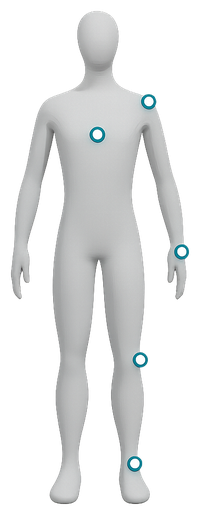 Pain somewhere else?
Return to the interactive body map and pick an area
←
Pain somewhere else?
Return to the interactive body map and pick an area
←