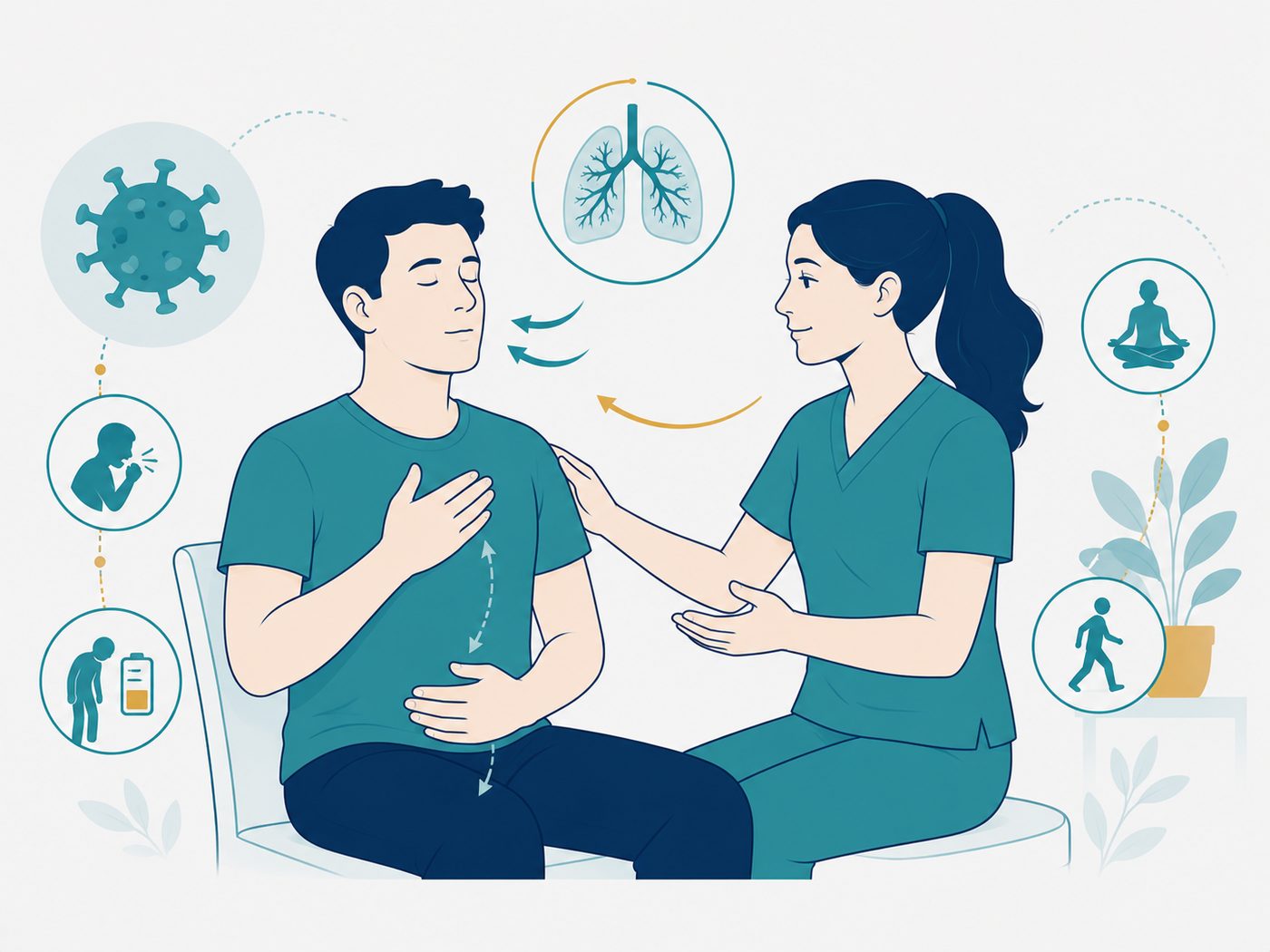
When COVID is behind you but your body hasn’t caught up
Shortness of breath, fatigue or reduced endurance even weeks after recovery.
Shortness of breath and fatigue lasting for weeks after normal test results is a frustrating and entirely legitimate feeling - and gradual respiratory rehabilitation, not willpower, is what really helps.
For some people the symptoms don’t end with a negative test. Shortness of breath, fatigue, reduced fitness and difficulty returning to daily activity can continue for weeks and even months. In such situations respiratory rehabilitation can be a significant part of the recovery process. I see quite a few patients who are frustrated by exactly this - the tests are normal, they are told they are “healthy”, but in practice they can’t function as they did before. It’s a frustrating and legitimate feeling, and there is an answer to it.
What is respiratory rehabilitation?
This is a personally tailored treatment program aimed at improving the function of the respiratory system, increasing physical endurance and restoring confidence in movement and exertion gradually and safely. The emphasis is on genuine gradual progression - a load that takes account of the individual pace of recovery, rather than one generic program that suits everyone.
Many patients want to “push” and get back quickly to their previous fitness - this is exactly the mistake that causes setbacks and increased exhaustion the next day. A gradual, measured load produces more stable results in the long run.
When can it help?
- Shortness of breath on exertion.
- Prolonged fatigue.
- Reduced physical fitness.
- A persistent cough.
- Difficulty returning to routine.
- Shortness of breath at rest, not only on exertion
- Chest pain
- An irregular heartbeat
- Significant dizziness or a feeling of faintness
How can physiotherapy help?
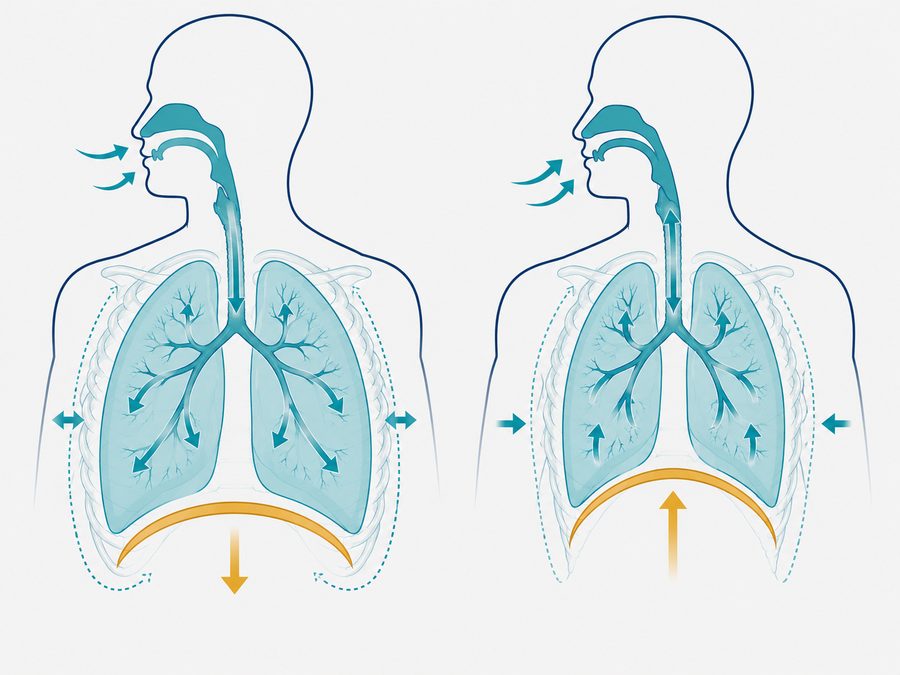
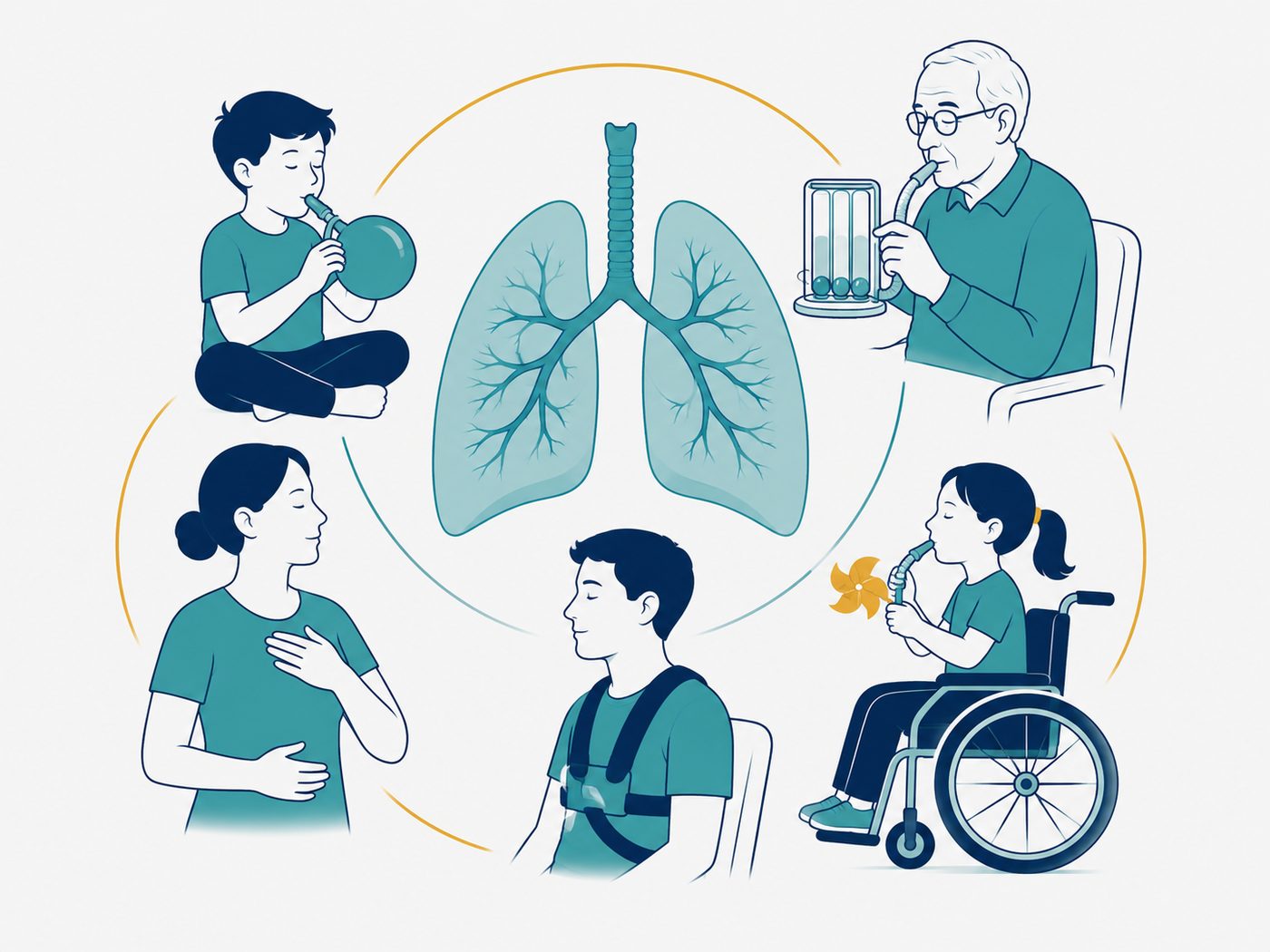
Treatment may include breathing exercises, graded physical training, muscle strengthening, guidance on managing exertion and monitoring progress according to individual capacity.
Frequently asked questions
When the symptoms persist and interfere with function, after medical assessment where needed - there’s no need to wait for it to “pass on its own” if it is already affecting your quality of life.
It’s better to return gradually and according to your capacity, rather than increasing loads all at once - that is exactly the difference between a stable recovery and repeated setbacks.
The length of rehabilitation varies from person to person and depends on the severity of the symptoms and the pace of progress - there is no uniform answer, and that is exactly why a personal program makes such a difference.
What’s worth remembering?
Even if recovery from COVID is taking longer, in many cases function can be improved through a suitable rehabilitation program and gradual, measured progress.
- The right load is gradual and measured according to the individual pace of recovery, not one generic program that suits everyone.
- Trying to “push” and get back quickly to previous fitness is the mistake that causes setbacks and increased exhaustion the next day.
- Shortness of breath on exertion, prolonged fatigue and difficulty returning to routine are the signs that respiratory rehabilitation can help.
Not sure if this is your situation? I’d be happy to give you a professional assessment and build a treatment plan that fits you.
Book a consultation callYou might also be interested in:
 Pain somewhere else?
Return to the interactive body map and pick an area
←
Pain somewhere else?
Return to the interactive body map and pick an area
←