Dry Needling: what it is, who it’s for, and what the research says
A fine needle for muscular trigger points, as a supporting tool within a treatment plan built on exercise.
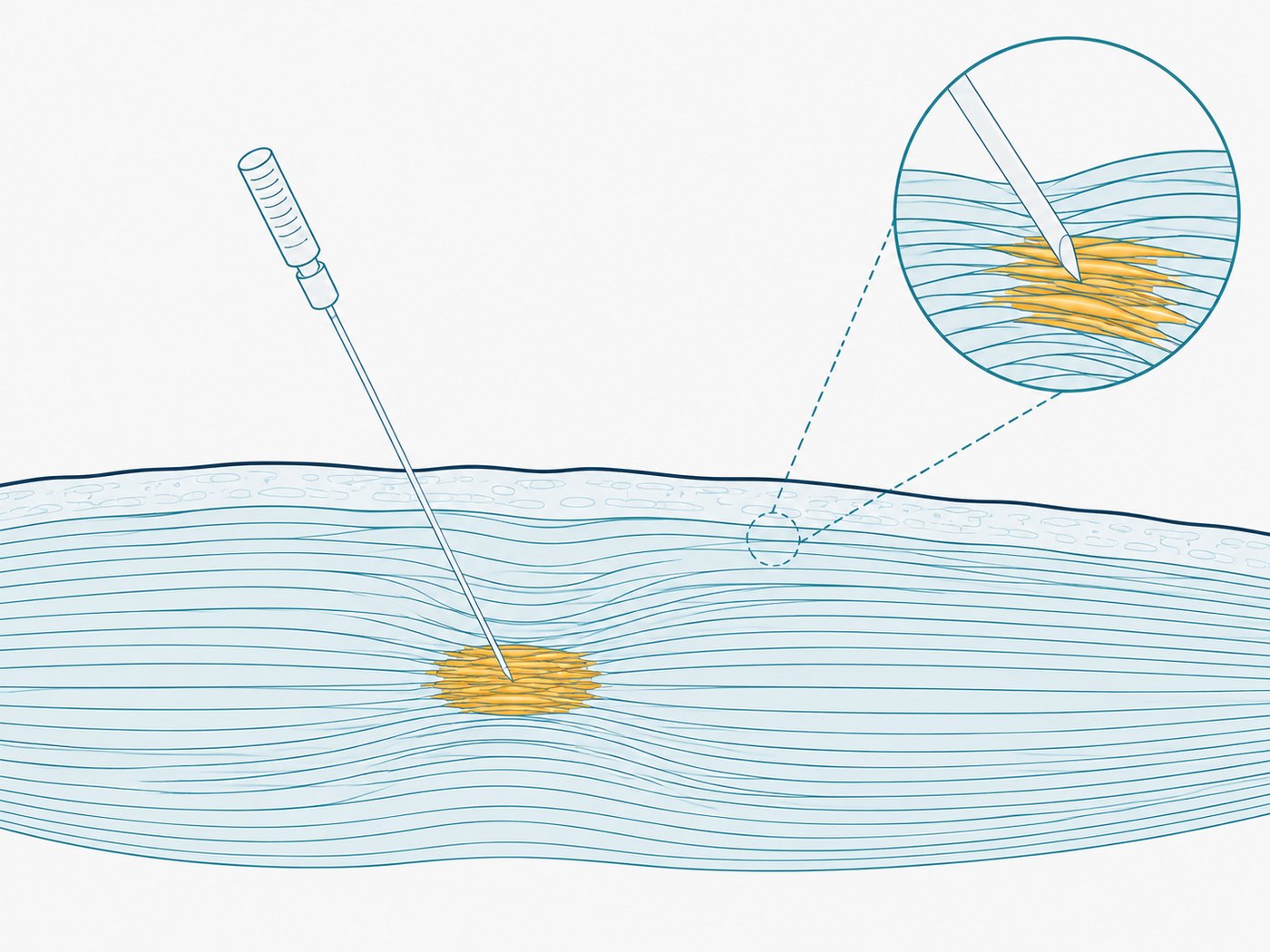
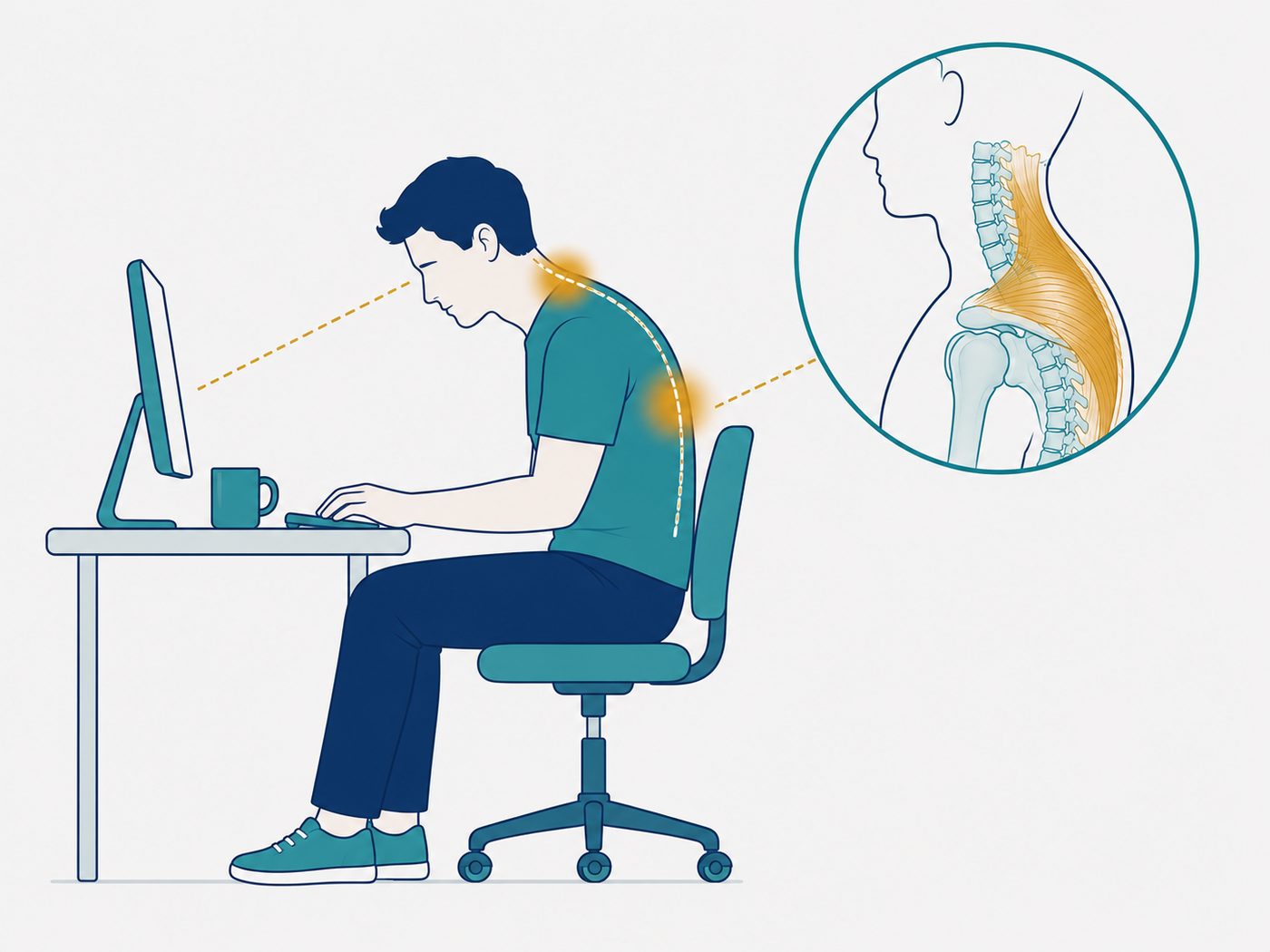
Dry needling is a technique in which a very fine needle is inserted into a trigger point in the muscle, aiming to reduce pain and improve movement. The research mostly shows short-term relief, so it’s considered a supporting tool within a plan, not a standalone treatment.
Dry needling is a technique in which a very fine needle is inserted, without any substance or medication, into a trigger point in the muscle. "dry" is exactly that: the needle is empty, and nothing is injected.
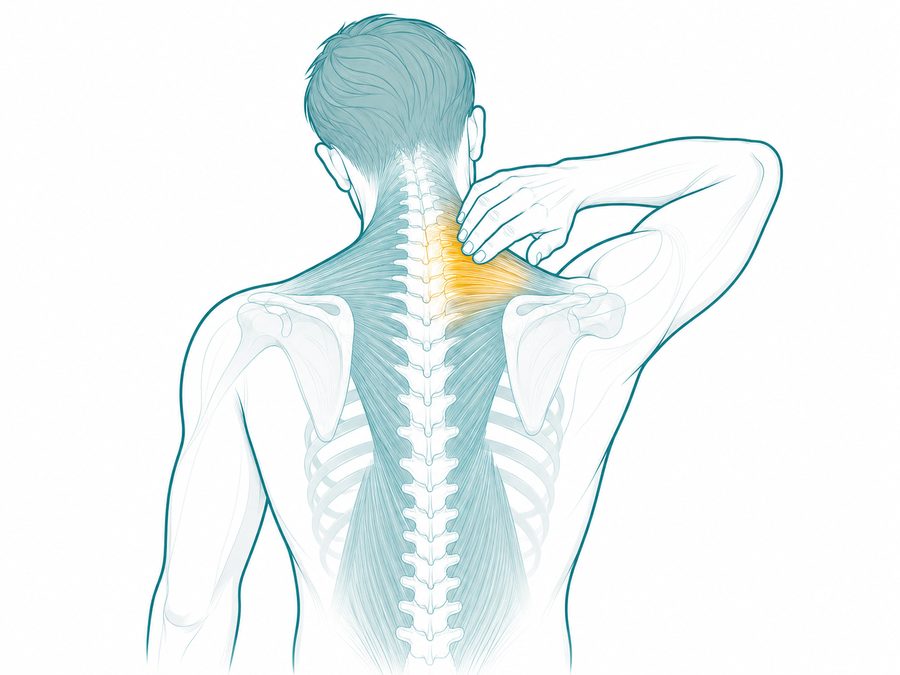
The goal is to affect a tight, sensitive muscular area that radiates pain, and to let movement and exercise work better. It’s not a treatment method in itself, but a tool within a broader plan.
What happens in the treatment itself?
The therapist locates a sensitive muscular point by palpation and inserts a fine needle into it. A common sensation during treatment is A short muscle twitch, sometimes accompanied by a feeling of heaviness or a brief dull ache that passes.
After treatment it’s common to feel Local tenderness for a day or two, similar to the feeling after a workout. Sometimes a small bruise appears at the needling site.
The treatment is brief, and it’s usually one item within a session that also includes hands-on work and exercise.
How is it different from acupuncture?
A very common question, and the answer matters: These are two completely different approaches, even if the tool looks similar.
- acupuncture relies on a traditional concept of energy pathways in the body, and the needling points are determined accordingly
- Dry needling relies on anatomy and physical examination: the needle reaches a specific muscular point identified in the exam
In other words, what determines dry needling is the finding in the muscle, not a theoretical map.
What does the research say?
The literature on the subject has expanded greatly in recent years, and the accumulating picture is cautious but positive:
- Short-term pain relief in focal muscle pain is the most consistent finding
- Improved range of motion and in sensitivity threshold was reported in several studies
- The long-term advantage is less clear, especially when needling is given on its own
- versus other physiotherapy interventions No clear advantage was found, and some reviews found the effect is no greater than that of a sham treatment
The practical conclusion: dry needling can "opens a window" of less pain and more movement, and that window should be used for exercise. Without continued work, the effect tends to fade.
When is it suitable and when not?
Especially suitable For focal muscle pain that doesn’t release with hands-on work and stretching, and for deep points that are hard to reach by hand.
Caution - or avoiding it altogether - is needed in conditions like clotting disorders or blood thinners, local infection or a wound in the area, pregnancy (depending on the area), and a strong fear of needles. Some underlying conditions also call for adjustments.
That’s why treatment always starts with reviewing your medical background, not with inserting a needle.
Frequently asked questions
Most people describe a brief, unpleasant sensation rather than real pain: sometimes a short muscle twitch or a dull pressure feeling. After treatment, local tenderness for a day or two is common.
It’s usually a small number of sessions, integrated into a broader treatment plan. If there’s no change after a few treatments, that’s a sign to reassess the picture rather than continue with the same tool.
Usually yes, and it’s even advisable. I generally recommend avoiding a particularly intense workout that same day, and returning to normal activity gradually according to how you feel.
Yes. Only sterile, single-use needles are used, with a technique that follows full hygiene rules.
What’s worth remembering?
Dry needling is an effective supporting tool for relieving focal muscle pain, mainly in the short term. Its real value is realized when it’s combined into a plan that includes active exercise, not when given on its own.
- Dry needling targets a muscular trigger point identified in examination, and involves no injection of any substance.
- The research points mainly to short-term pain relief and improvement in range of motion.
- The full value comes when it’s combined into a plan with active exercise, not given on its own.
Not sure if this is your situation? I’d be happy to give you a professional assessment and build a treatment plan that fits you.
Book a consultation callYou might also be interested in:
 Pain somewhere else?
Return to the interactive body map and pick an area
←
Pain somewhere else?
Return to the interactive body map and pick an area
←