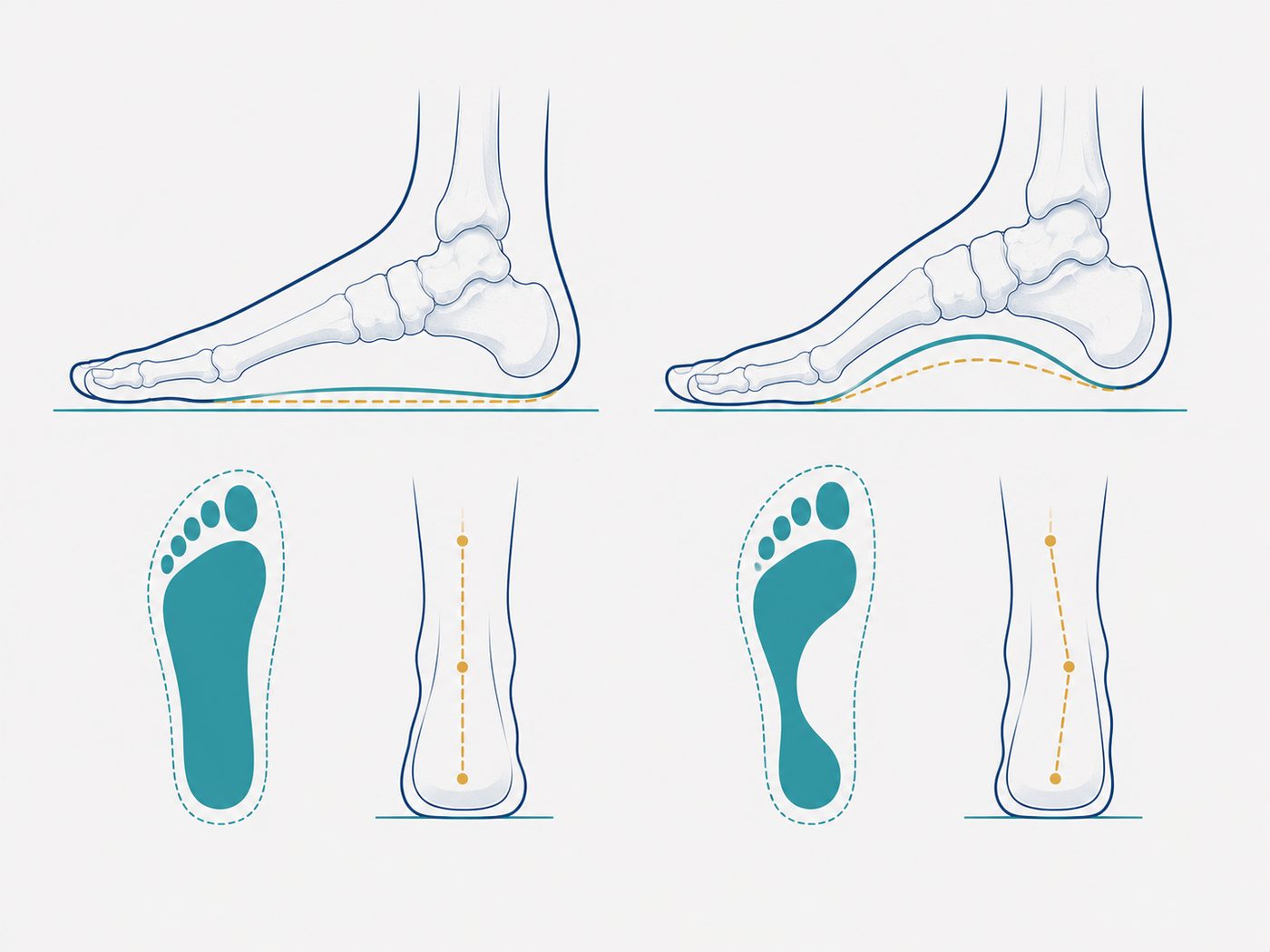
Flat feet or high arches: structure is only part of the story
The structure of the foot may affect loads, but it doesn’t always cause pain.
Flat feet and high arches are very common structures - but the structure of the foot alone almost never “decides” whether there will be a problem; there are people who run marathons with no trouble at all with a “non-standard” structure.
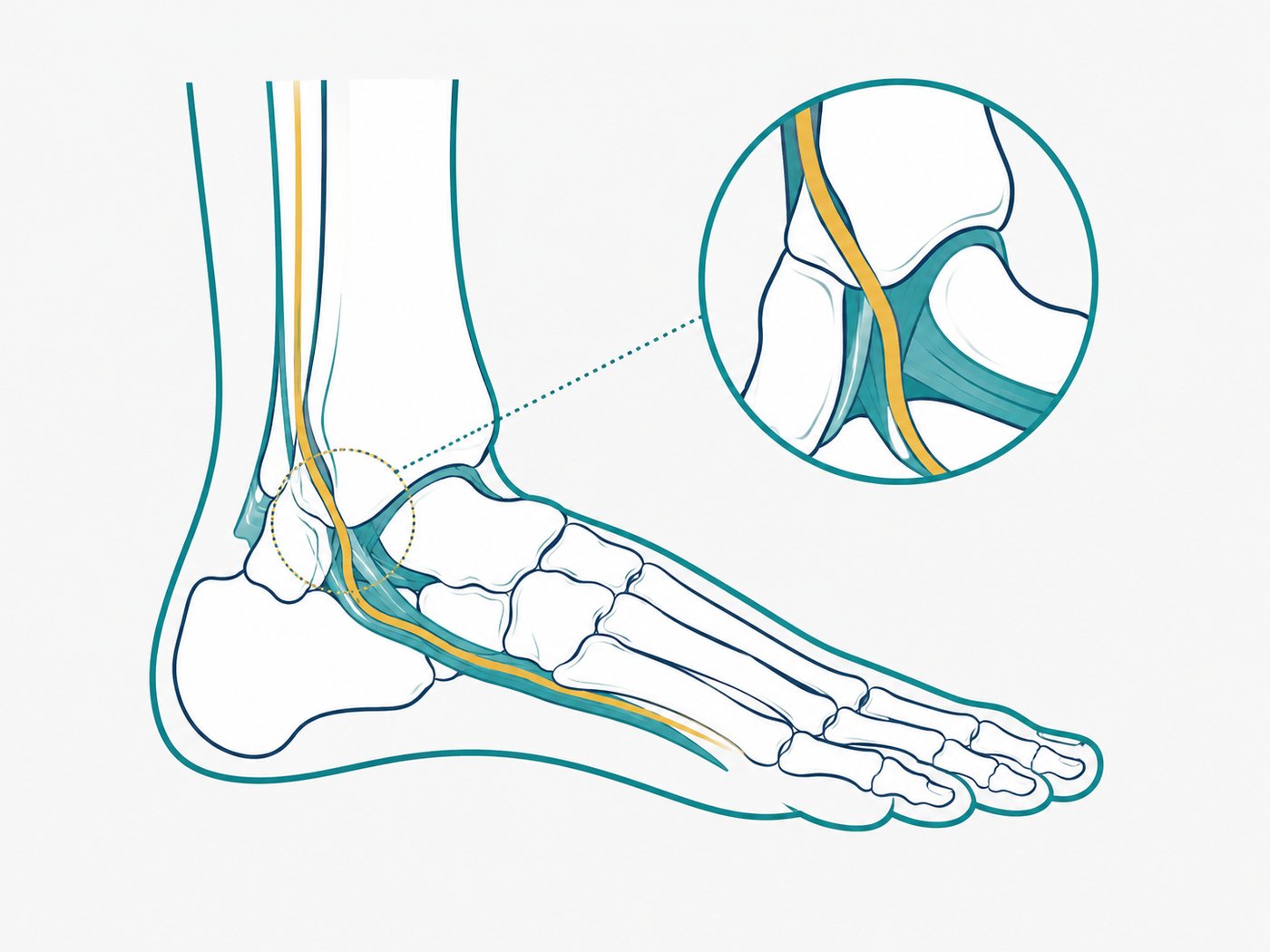
Flat feet and feet with a high arch are common structures. In many people they cause no problem at all, while in others they may be linked to pain or increased loads while walking, running or standing for a long time. This is a point I emphasize a lot: the structure of the foot alone almost never “decides” whether you will have a problem - it is only one of several factors, and not always the most significant.
What does the structure of the foot mean?
The structure of the foot affects the way loads are distributed during movement. Even so, the mere existence of a flat foot or a high arch doesn’t mean pain or treatment are inevitable - there are many people with a “non-standard” structure who run marathons with no trouble at all. The decision about treatment is based mainly on the symptoms and function, not on the shape of the foot on an image or by visual appearance.
Before you invest in expensive orthotics, check whether strengthening the foot and calf muscles is enough - in many cases it gives a better, longer-lasting result.
How does it usually feel?
- Pain in the foot after standing.
- Fatigue in the feet.
- Pain while walking or running.
- Load on the ankle or the lower leg.
- Sometimes no symptoms at all.
How can physiotherapy help?
Treatment is personally tailored and can include strengthening exercises, improving balance, adjusting loads, guidance on footwear and sometimes a recommendation for supportive devices where there is a genuine need - not as an automatic default for every “atypical” foot structure.
Frequently asked questions
No. Orthotics suit only some patients and according to the examination findings - far more people benefit more from tailored strengthening than from an orthotic.
Yes. Many people run without difficulty when the loads are adjusted and the muscles are strong enough to support the movement.
When pain, significant fatigue or a limitation in function appear - not simply because you noticed that the foot “looks different”.
What’s worth remembering?
The structure of the foot doesn’t on its own determine whether pain will appear. Professional assessment, tailored exercise and load management matter more than the appearance of the foot.
- The structure of the foot affects load distribution, but the decision about treatment is based on symptoms and function, not on the shape of the foot on an image.
- Before investing in expensive orthotics, it is worth checking whether strengthening the foot and calf muscles is enough - this usually gives a better and longer-lasting result.
- Treatment includes strengthening, improving balance and adjusting loads, with supportive devices only where there is a genuine need.
Not sure if this is your situation? I’d be happy to give you a professional assessment and build a treatment plan that fits you.
Book a consultation callYou might also be interested in:
 Pain somewhere else?
Return to the interactive body map and pick an area
←
Pain somewhere else?
Return to the interactive body map and pick an area
←