Metatarsalgia: when every step starts to hurt
Pain in the ball of the foot that worsens with standing, walking or running.
Metatarsalgia - pain in the ball of the foot - is particularly common in people who are on their feet for long hours, and is usually not solved by changing shoes alone.
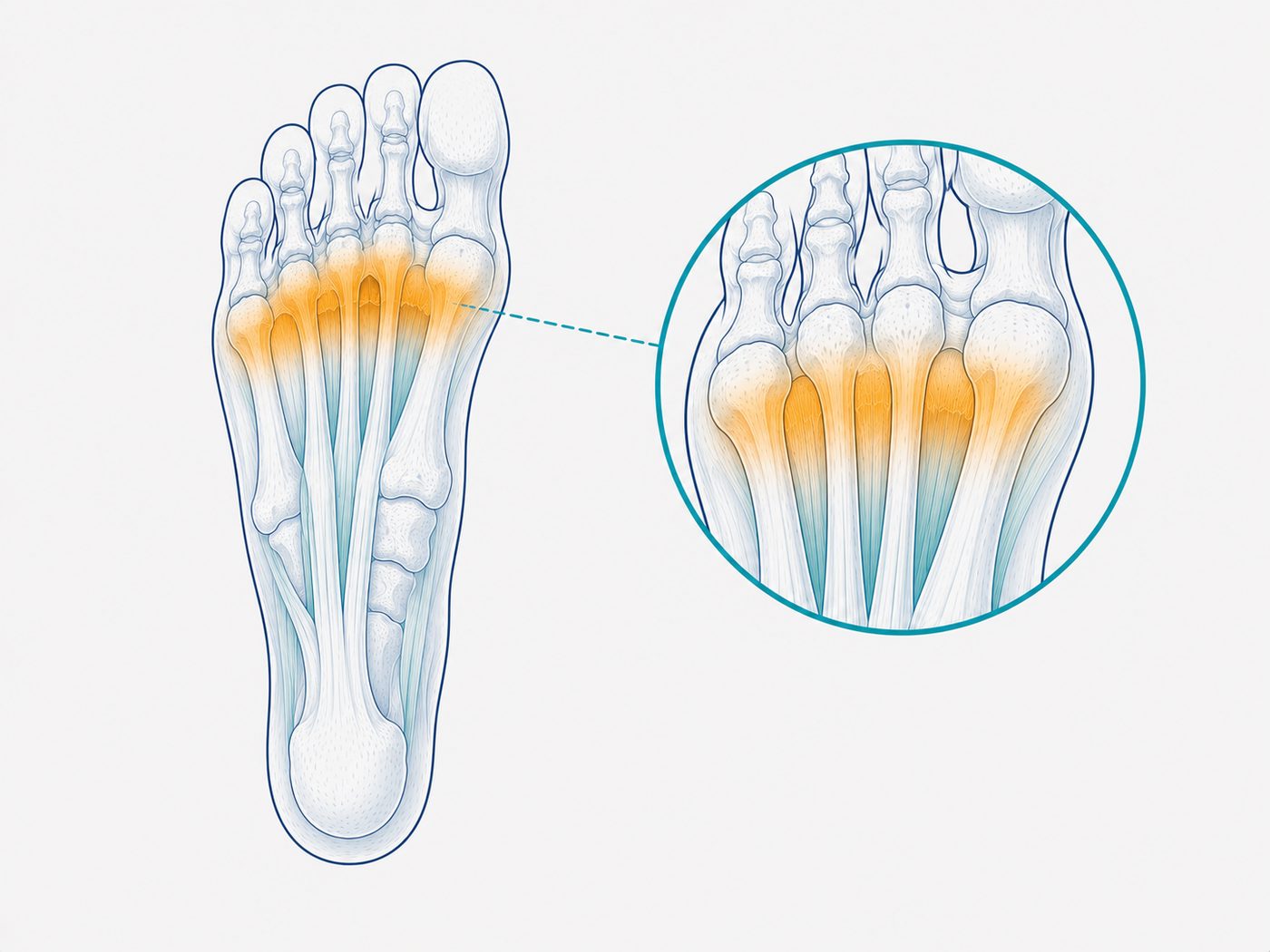
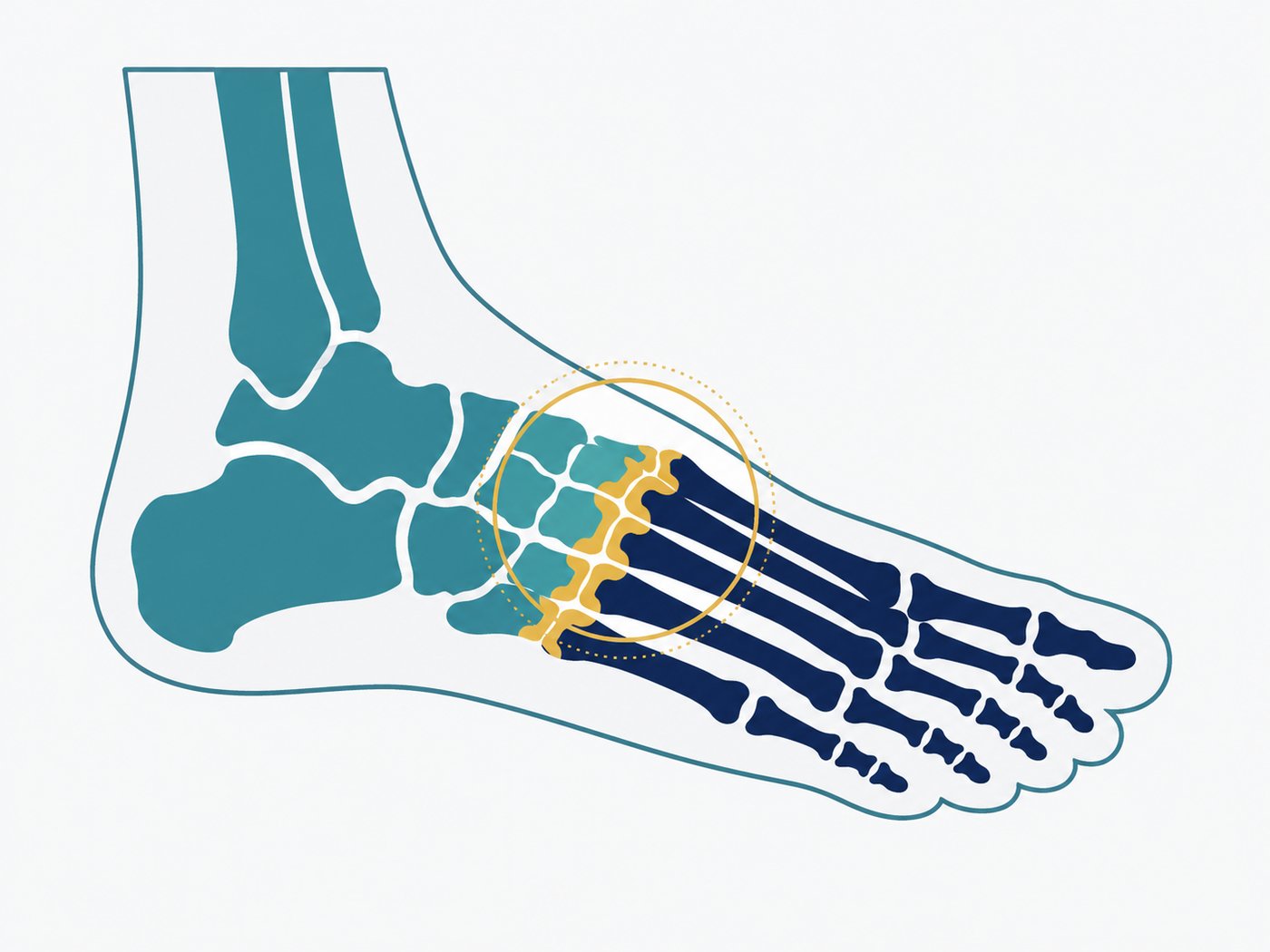
Metatarsalgia is pain in the ball of the foot, beneath the heads of the metatarsal bones. The pain can appear gradually and worsen while walking, running or standing for a long time, and sometimes creates the sensation of stepping on a small stone. This is one of the complaints I hear most from people who are on their feet all day - cashiers, waiters, sales staff - and they usually come to me after already trying to change shoes several times without real success.
What causes metatarsalgia?
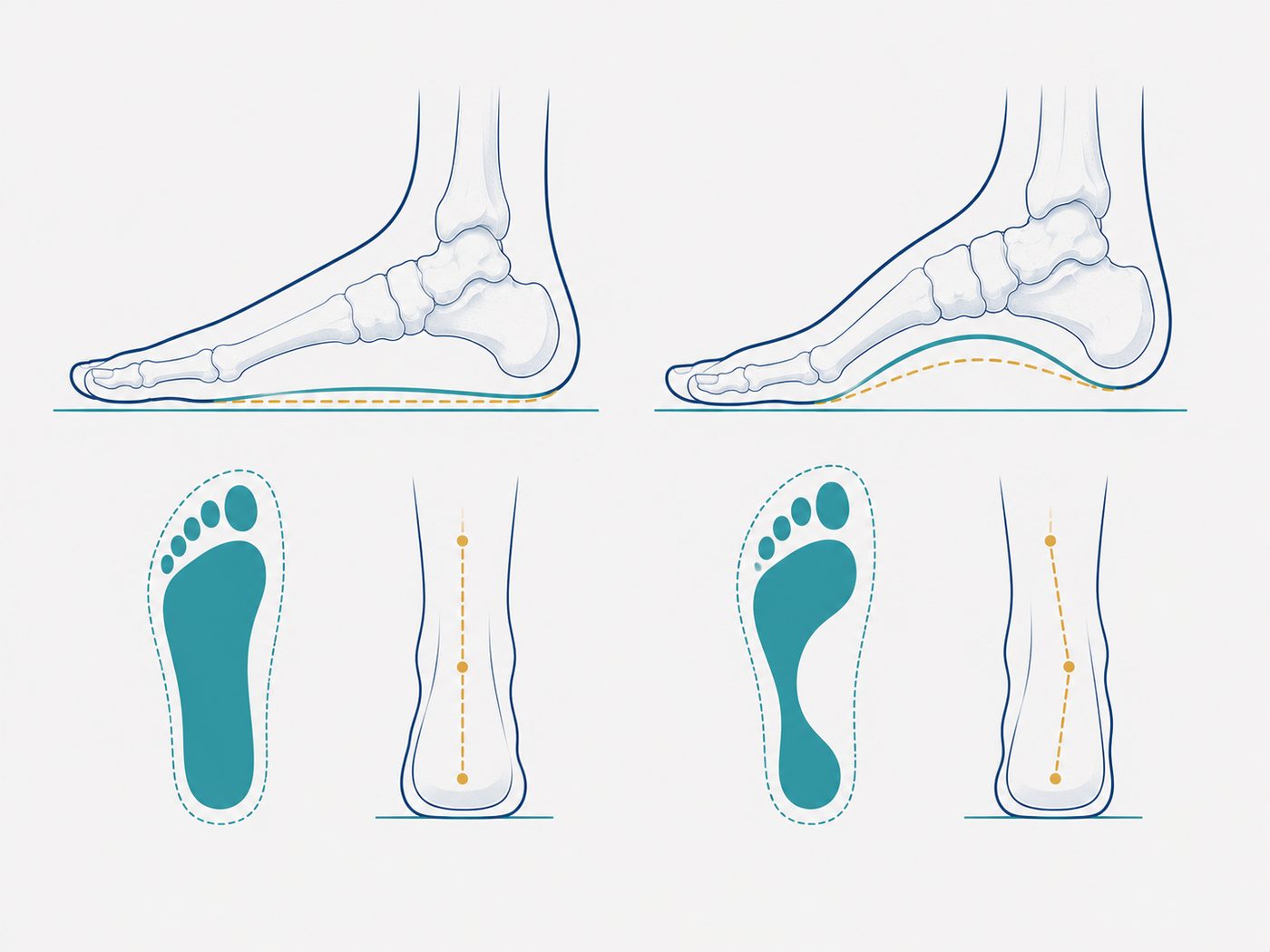
Repetitive load on the ball of the foot - particularly in people who stand or walk for many hours a day - is the leading cause I see in the clinic. A sudden change in activity, such as starting to run or significantly increasing mileage without gradual adaptation, loads the area at a rate it isn’t built for. Foot structure - a high or flat arch - can transfer load unevenly to the front of the foot. And unsuitable footwear, mainly shoes with too thin a cushion or a high heel, simply doesn’t give the ball of the foot the support it needs.
Before rushing to replace all your shoes, try to notice: does the pain appear more in flat shoes or specifically in heels? The answer points straight to the cause, and sometimes saves unnecessary money on products that won’t really help.
How does it usually feel?
Most patients describe a mixture of the following sensations:
- Pain in the ball of the foot.
- Worsening with walking or running.
- Pain with prolonged standing.
- A burning sensation or tenderness.
- Relative relief with rest.
How can physiotherapy help?
Treatment always begins with an accurate assessment of the source of the load - not all foot pain is alike, and the difference between the causes completely changes the plan. From there I build tailored exercises, strengthening of the foot and calf muscles that support the arch, improving walking patterns where needed, and sometimes also recommendations about footwear or supportive aids - but only when they are genuinely required, not as an automatic solution for every case.
Frequently asked questions
Not always, and this is a question I hear all the time. The decision depends on the examination findings and on the cause of the pain - sometimes strengthening and correcting the walking pattern are entirely enough without any device.
Sometimes yes, after adjusting loads and reducing pain. I am not quick to stop people running altogether - it is usually possible to find a way to maintain the activity while temporarily reducing the load.
When should you get checked?
- The pain lasts more than one to two weeks
- The pain worsens over time instead of improving
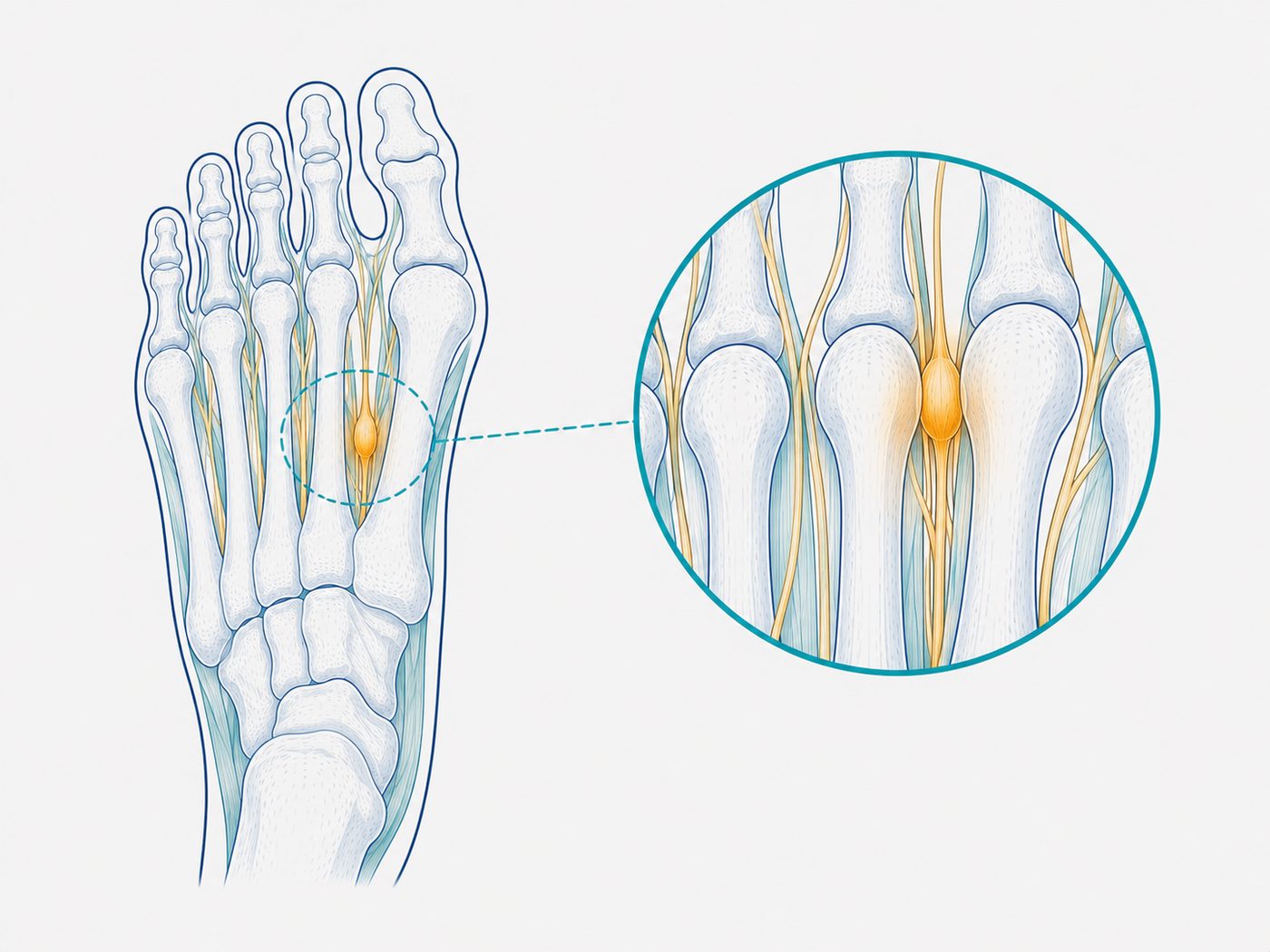
- There is a sensation of numbness or burning between the toes
- The pain interferes with walking or daily activity
What’s worth remembering?
In most cases the pain can be reduced and activity resumed through the right assessment, tailored treatment and proper load management - this isn’t something you have to get used to living with.
- Repetitive load, a sudden change in activity and foot structure (a high or flat arch) are the leading causes.
- Pain that is worse in flat shoes compared with heels points to the specific cause and can save you buying unnecessary products.
- Treatment combines reducing loads, strengthening and matching footwear to the specific source of the pain.
Not sure if this is your situation? I’d be happy to give you a professional assessment and build a treatment plan that fits you.
Book a consultation callYou might also be interested in:
 Pain somewhere else?
Return to the interactive body map and pick an area
←
Pain somewhere else?
Return to the interactive body map and pick an area
←