Golfer’s elbow: and no, you don’t have to play golf
Pain that appears when gripping, lifting or bending the wrist.
Despite the name, most people with golfer’s elbow have never held a golf club - the pain comes from repetitive load on the forearm muscles in everyday work, not only from sport.
Despite the name, most people who get golfer’s elbow have never held a golf club. The pain usually follows repetitive load on the forearm muscles, physical work, strength training or actions repeated through the day - carpentry, working at a keyboard, carrying children, even intensive cooking. The name is misleading, but the condition itself is very common.
What is golfer’s elbow?
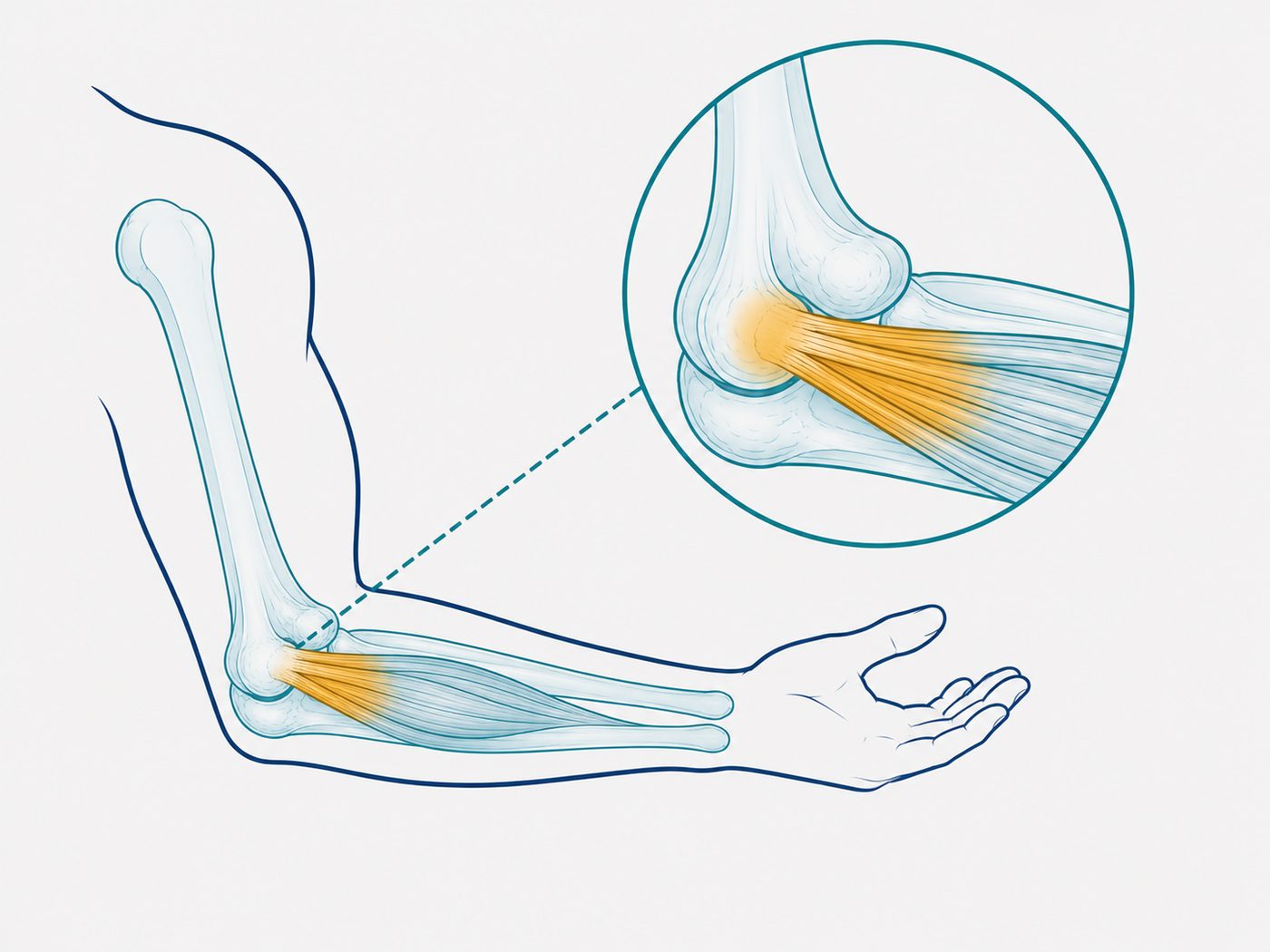
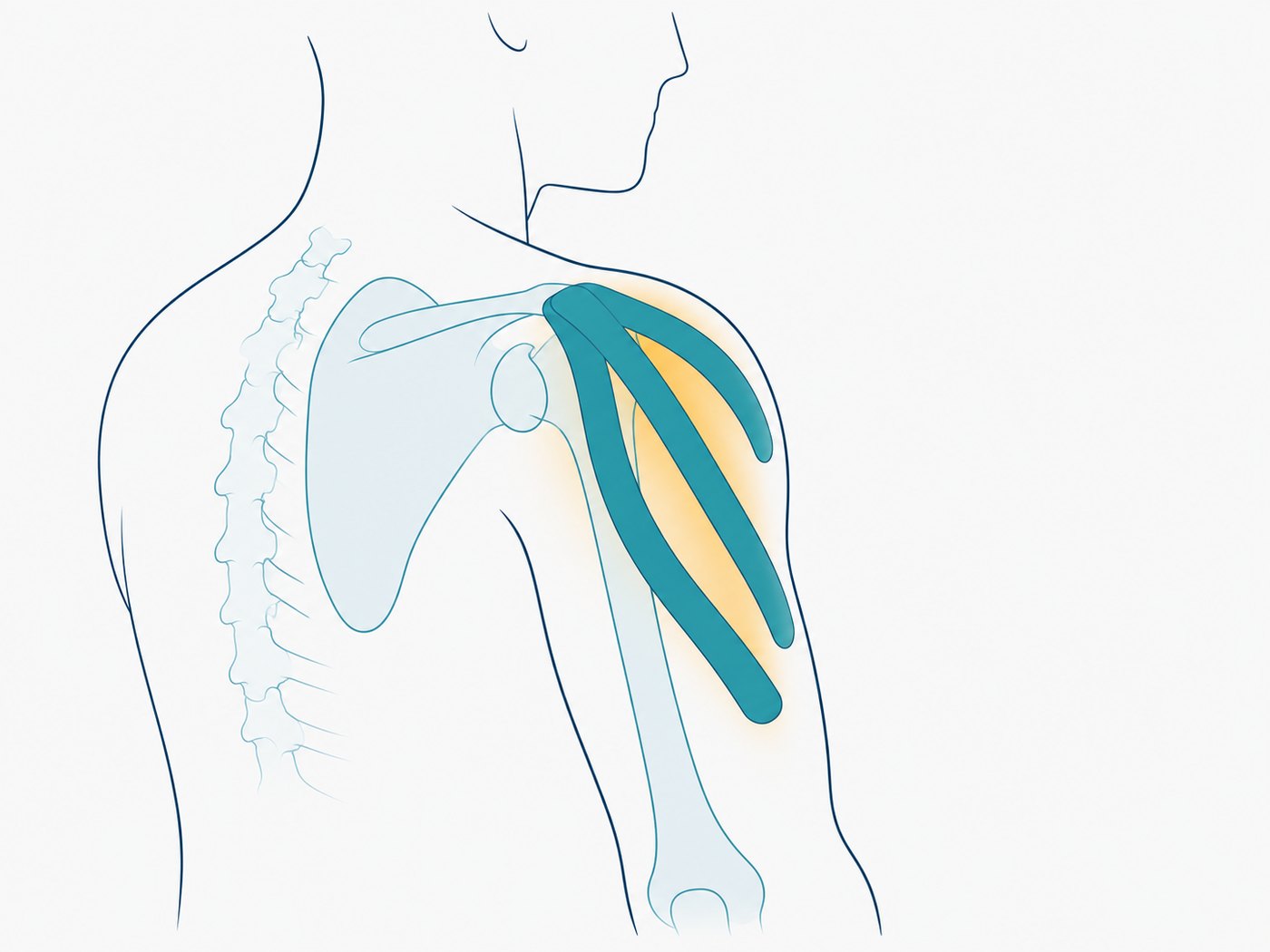
This is an irritation of the tendons connecting the forearm muscles to the inner side of the elbow - exactly the opposite side to “tennis elbow”, although the mechanism is similar. In most cases it is an overload injury that develops gradually rather than in one sharp event, which is why many people struggle to connect the pain to the specific action that caused it.
Notice whether the pain increases specifically when you bend the wrist downward while gripping - that is a characteristic movement which loads precisely the tendons involved, and recognising it can help you avoid the movement until treatment begins.
How does it usually feel?
- Pain on the inner side of the elbow.
- Pain when lifting bags.
- Difficulty with a firm grip.
- Tenderness to touch.
- Pain when bending the wrist.
How can physiotherapy help?
After an accurate assessment, we build a plan: load management, progressive strengthening that rebuilds the tendon’s tolerance, better control of the forearm muscles, and guidance toward a safe return to work, sport, and daily activity.
Frequently asked questions
Not necessarily. Sometimes it is enough to reduce the load temporarily and make adjustments to the movement or to the tools being used.
Rest can help in the short term, but appropriate exercise is usually needed as well to address the cause - rest alone doesn’t rebuild the tendon’s tolerance to load.
Yes, usually after adjusting the load and building up gradually, and it is often possible to keep part of your training going during treatment.
What’s worth remembering?
Golfer’s elbow is a common overload injury. Proper treatment at an early stage can reduce pain, improve function and allow a safe return to routine.
- This is an irritation of the tendons connecting the forearm muscles to the inner side of the elbow - exactly the opposite side to “tennis elbow”.
- It develops gradually as an overload injury, which is why it is usually hard to connect it to one specific action.
- Pain that increases when bending the wrist downward while gripping is a characteristic sign that guides the assessment.
Not sure if this is your situation? I’d be happy to give you a professional assessment and build a treatment plan that fits you.
Book a consultation callYou might also be interested in:
 Pain somewhere else?
Return to the interactive body map and pick an area
←
Pain somewhere else?
Return to the interactive body map and pick an area
←