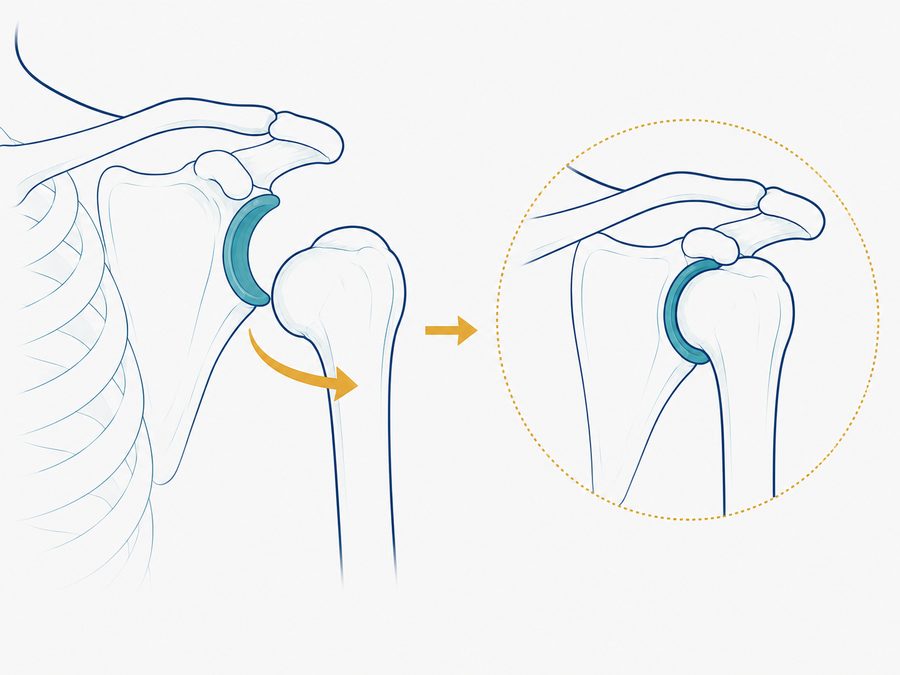
Shoulder dislocation: an injury you shouldn’t ignore
Severe pain, a deformed shoulder and difficulty moving the arm after a fall or a blow.
After a shoulder dislocation, putting the joint back in place is only the beginning - the stage most people skip is completing rehabilitation once the acute pain has already passed.
A shoulder dislocation is one of the most common injuries to the shoulder joint, especially after a fall, a blow or sporting activity. There is usually significant pain, difficulty moving the arm and sometimes a noticeable change in the shape of the shoulder. Once the shoulder has been put back in place, it is no less important to complete an appropriate rehabilitation process - and that is exactly the stage most people skip the moment the acute pain passes.
If you suspect a shoulder dislocation, don’t try to put the shoulder back in place yourself. Go immediately to an emergency department or a qualified medical team, so that the reduction is done safely and without further damage to the tissues around the joint.
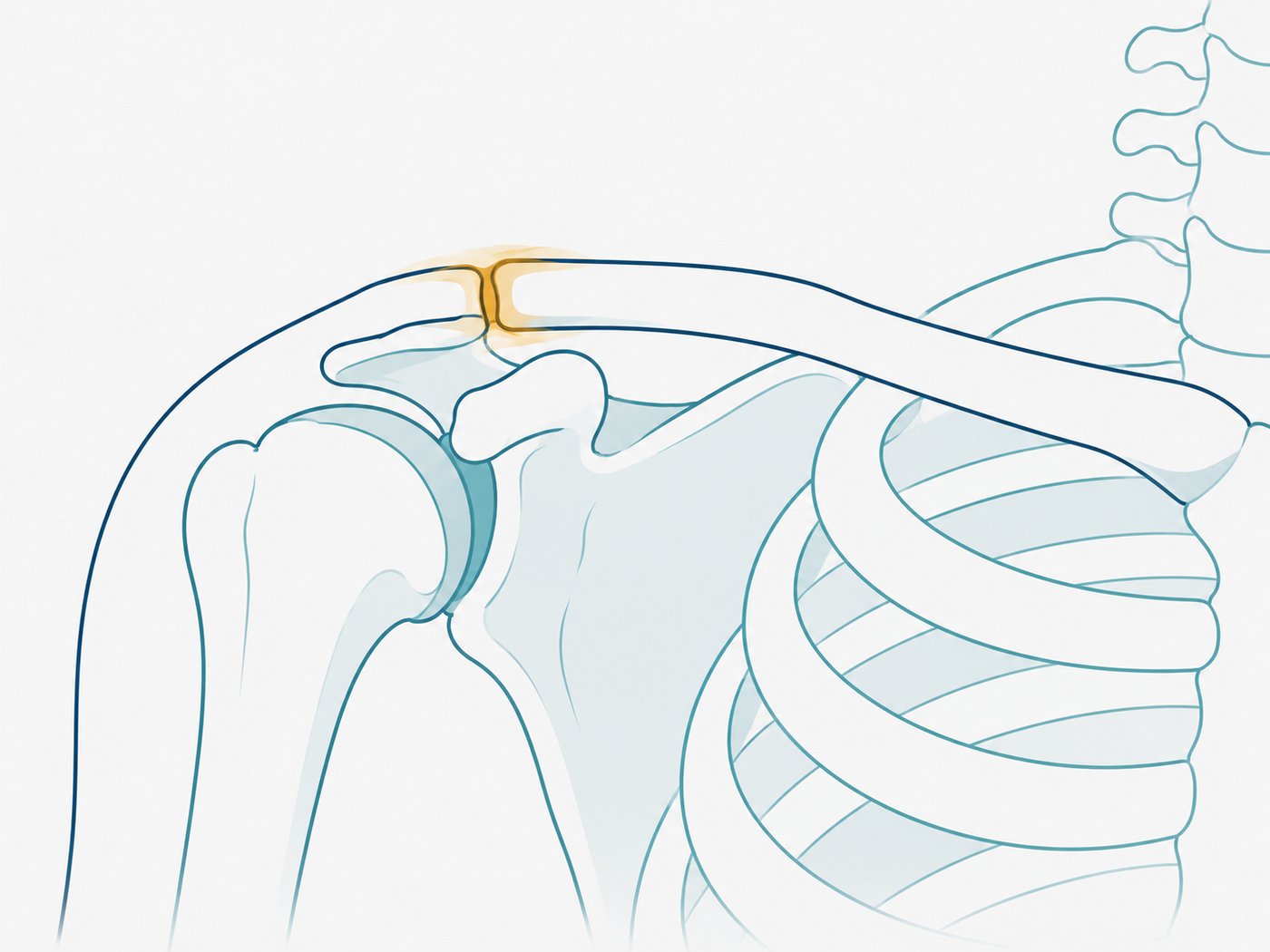
What is a shoulder dislocation?
In a shoulder dislocation, the head of the humerus comes out of its place in the joint. After the joint is put back, there may also be damage to ligaments, muscles or other structures, which is why a structured assessment matters - even if the initial pain already feels better.
Even after the shoulder “feels fine”, full rehabilitation is especially important in young, active people - their risk of a repeat dislocation is higher without a structured rehabilitation process that strengthens the stabilizing structures.
How does it usually feel?
- Sharp pain in the shoulder.
- Difficulty moving the arm.
- A feeling of instability.
- Swelling or tenderness.
- Fear of performing certain movements.
How can physiotherapy help?
Rehabilitation focuses on restoring range of motion, strengthening the stabilizing muscles of the shoulder, improving movement control and preparing for a safe return to work, sport and daily activity - always in coordination with the medical team that treated the initial injury.
How long does it take to come back after a shoulder dislocation?
After a first dislocation that has been put back in place, pain and everyday function can improve within weeks - but a full return to activity depends on much more than being able to lift your arm without pain.
The first weeks: there is usually a short period of protection and settling down, sometimes with a sling, and then movement and control are gradually restored according to the guidance you receive.
As rehab progresses: the goal is to restore range of motion, strength, and control of the shoulder and shoulder blade. Everyday tasks and non-physical work usually come back before activities that involve heavy load, contact, throwing, or prolonged overhead work.
And sports? There is no single date that fits everyone. The decision to return should be based on range of motion, strength, how stable the shoulder feels, and the ability to meet the demands of your sport - not just on it no longer hurting.
It is important to know that the risk of another dislocation is not the same for everyone. It is higher in young people and in those who play contact sports or place high demands on the shoulder. That is why in some cases, especially in young, active people, it is right to also discuss with a shoulder orthopedist whether rehab alone is the right path or whether surgery should be considered.
Graded rehab can greatly improve strength, control, and function - but it cannot guarantee that the shoulder will not dislocate again.
The pace of progress varies from person to person, and slower progress is not necessarily a sign that the shoulder was damaged more. What matters is the trend over several weeks and a gradual return to the demands your shoulder and your activity place on it.
Frequently asked questions
Yes. The risk varies according to age, type of activity and the characteristics of the injury - young people active in contact sports are at higher risk, and that is exactly why rehabilitation matters so much for them.
Usually after the initial assessment and treatment and according to the doctor’s guidance - sometimes at a relatively early stage, to prevent unnecessary stiffness.
Not by counting weeks alone - but after range of motion, strength, control, and the ability to meet the demands of your sport have returned, without a meaningful sense of instability. For young athletes in contact sports, it is also worth discussing the right path with a shoulder orthopedist.
What’s worth remembering?
Even after the shoulder is back in place, rehabilitation isn’t over. A structured process can improve stability, reduce the risk of repeat dislocations and restore confidence in movement.
- If a shoulder dislocation is suspected, don’t try to put it back yourself - go immediately to an emergency department or a qualified medical team.
- After the reduction there may be accompanying damage to ligaments or muscles, which is why a structured assessment matters even if the initial pain has eased.
- Full rehabilitation is especially important in young, active people, whose risk of a repeat dislocation is higher without a structured process.
Not sure if this is your situation? I’d be happy to give you a professional assessment and build a treatment plan that fits you.
Book a consultation callYou might also be interested in:
 Pain somewhere else?
Return to the interactive body map and pick an area
←
Pain somewhere else?
Return to the interactive body map and pick an area
←