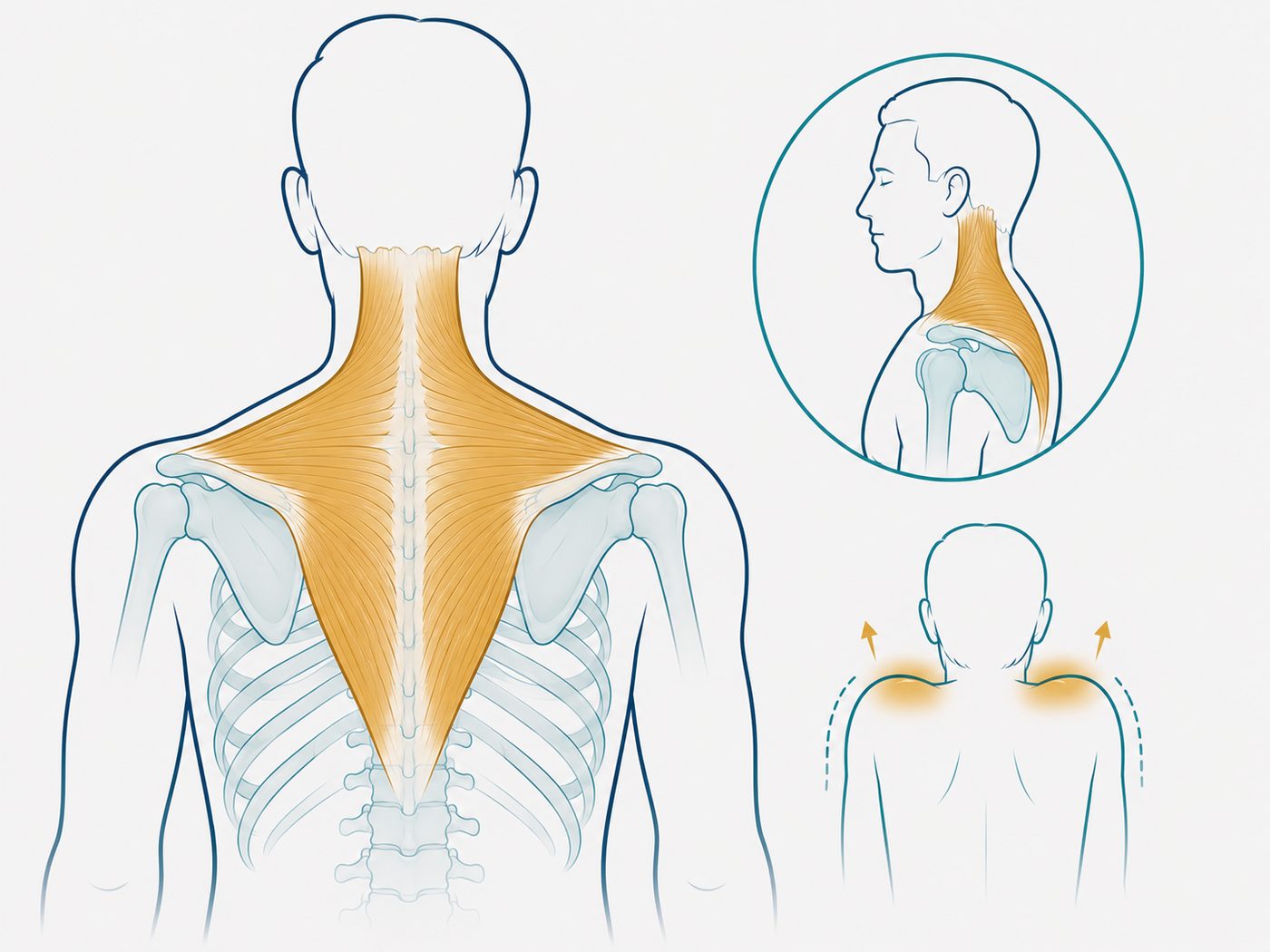
Shoulder Pain: What It Can Be, Why It Bothers You at Night, and When to Get Checked
A guide that sorts it out: the common conditions behind shoulder pain, the explanation for night pain, and the clues that the pain actually comes from the neck.
Shoulder pain is one of the most common complaints there is - and behind it can stand a range of different conditions, each with a different treatment. This guide sorts it out: the common conditions, why the pain bothers you at night in particular, how to spot pain that actually starts in the neck - and when it is time for a professional assessment.
Why the shoulder, of all joints?
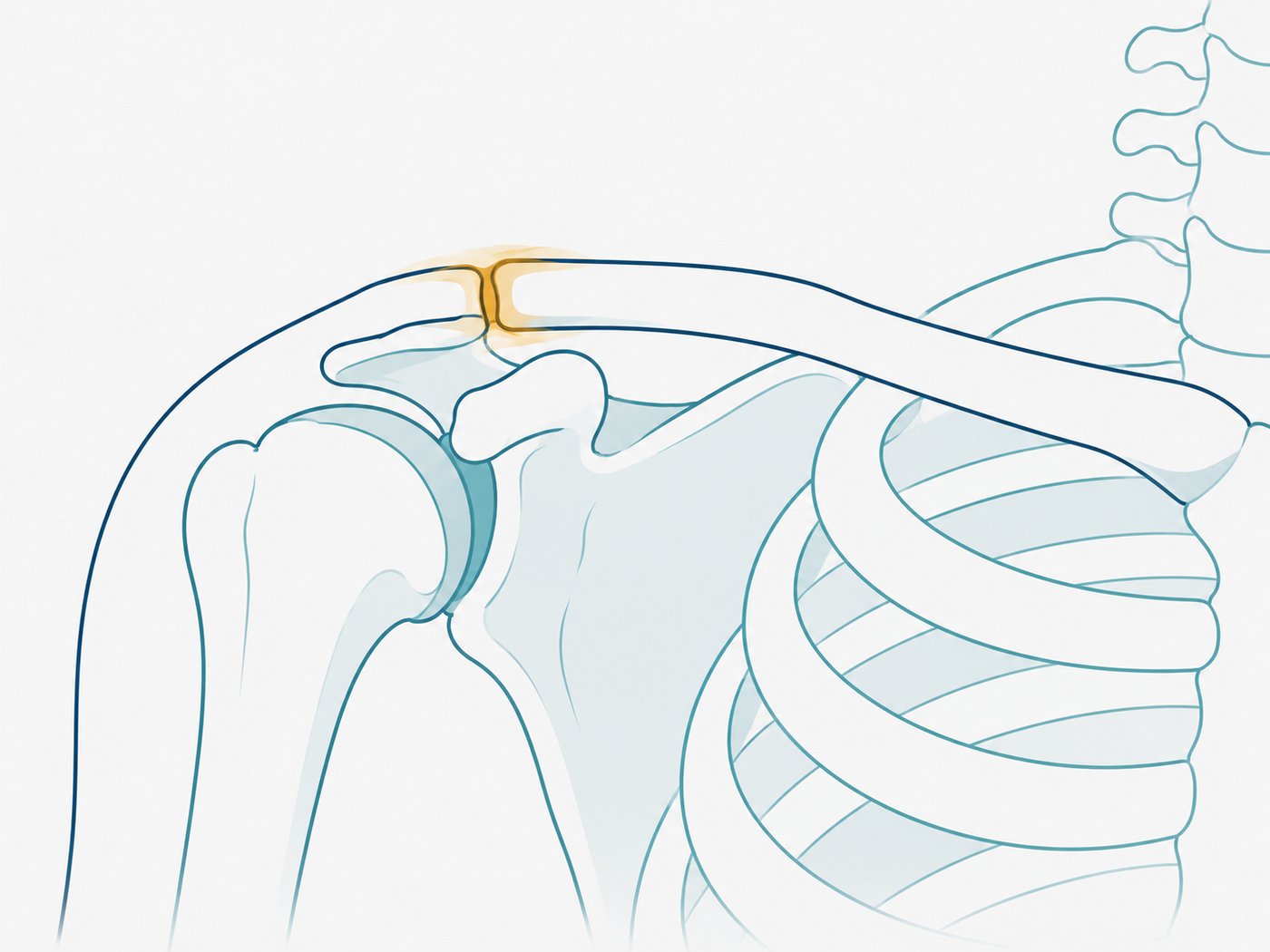
The shoulder is the most mobile joint in the body - it lets you lift, rotate, throw, and reach in almost any direction. That mobility is also the price: stability depends on a delicate system of tendons, muscles, and ligaments, and when something in it gets tired, inflamed, or injured - pain arrives. That is why "shoulder pain" is not a diagnosis but a starting point, and the important question is what is behind it.
A map of the common conditions
Each of these conditions feels a little different, and each has a full guide of its own:
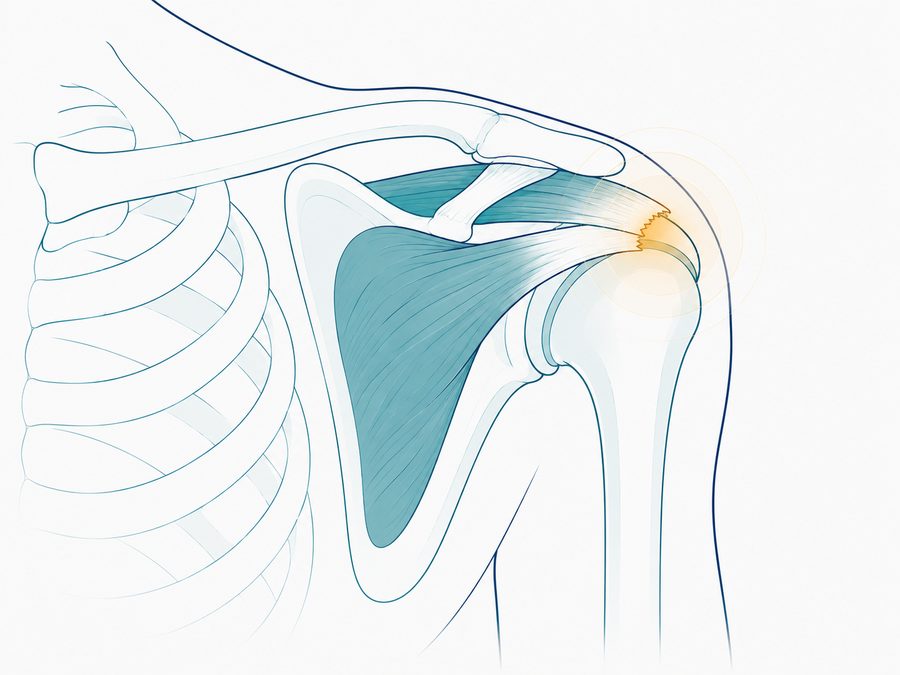
Pain when lifting the arm to the side or overhead - can fit rotator cuff related / subacromial pain. When there is also new or significant weakness, not just pain limiting the movement, a rotator cuff tear enters the picture too.
Sharp pain that appeared "out of nowhere", sometimes very intense - this is often what calcific tendinitis looks like: calcium deposits in a tendon that can set off a severe pain flare even without an injury. One of the most frustrating conditions - and one of the best responders to treatment.
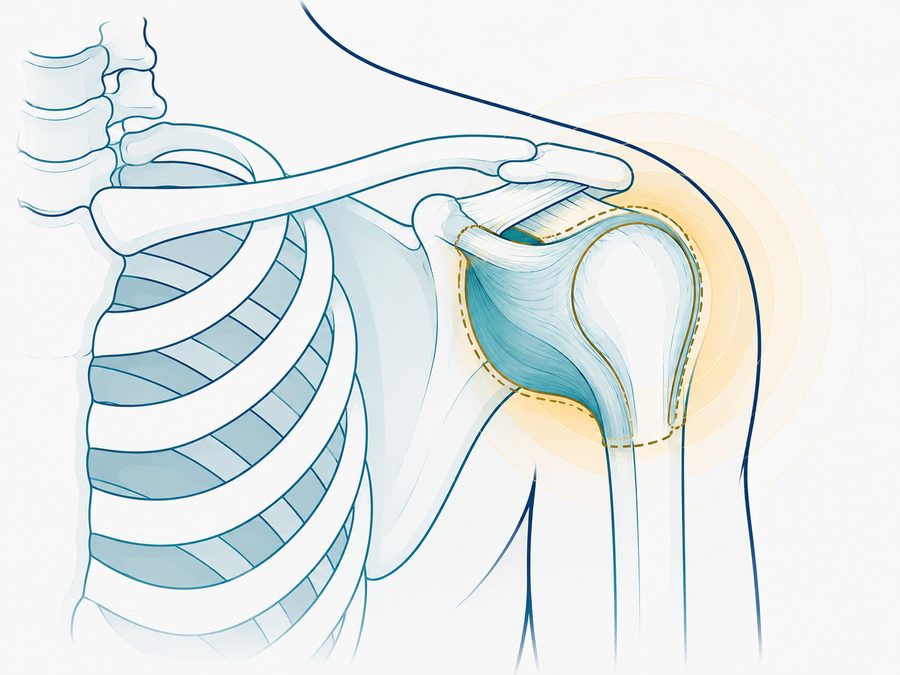
Stiffness that keeps getting worse, trouble getting dressed or combing your hair - can raise suspicion of a frozen shoulder, especially when passive movement is limited too, not just active movement.
A feeling of instability, like the shoulder "gives way" - after a shoulder dislocation or in a picture of chronic instability, mostly in young, active people.
Deep pain, sometimes with clicking or a catching feeling in certain movements - can be related to a labral tear, especially after an injury or in throwing athletes. Worth remembering that clicks on their own are common and do not necessarily indicate damage.
Pain that worsens gradually over years, with morning stiffness - points toward shoulder osteoarthritis, more common at an older age.
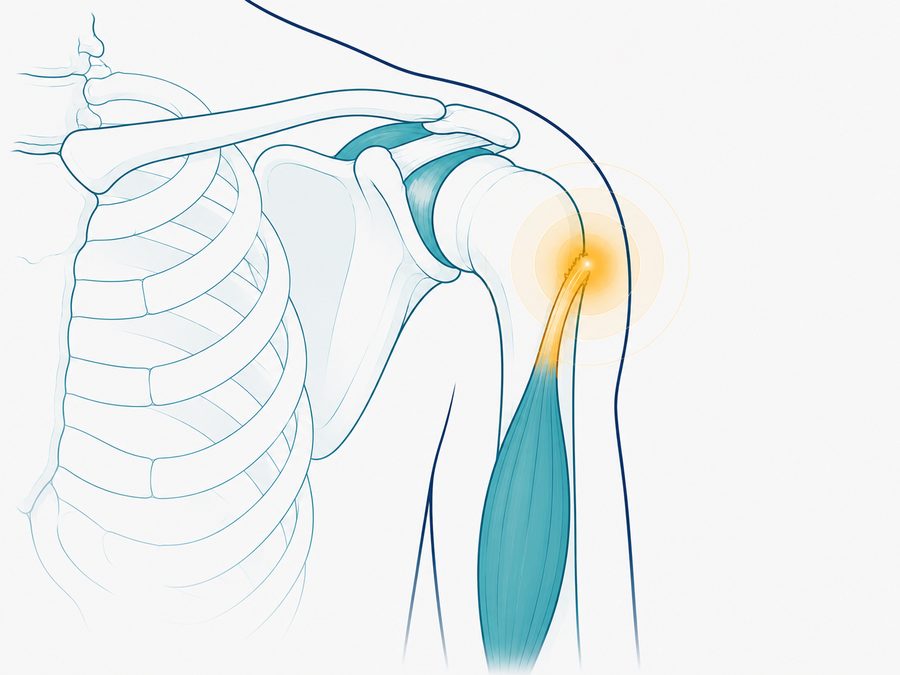
Pain at the front of the shoulder that radiates down the arm - can be related to the biceps tendon.
Why does the shoulder hurt at night?
It is one of the most common complaints, but it has no single, simple mechanism. Lying on the shoulder can increase local load or make a sensitive position less comfortable, and in addition, at night some people feel pain more because there is less movement and less distraction. Conditions like frozen shoulder, calcific tendinitis, and rotator cuff related pain are often accompanied by night pain - but night pain on its own does not point to one specific diagnosis.
What can you do? A few simple adjustments that help many people: sleep on your back or on the non-painful side; a pillow under the painful arm (or hugging a pillow) to support the shoulder at a comfortable height; and a pillow that fills the gap between the head and the shoulder when lying on your side. If you roll over in your sleep, a pillow as a gentle barrier behind the back can help.
And worth knowing: night pain that consistently wakes you, that does not improve with a change of position, or that appears even at complete rest over time - is one of the signs that deserve an assessment, not just sleep adjustments.
Try to notice whether the pain is worse in the morning (after sleep) or in the evening (after an active day) - it helps figure out whether the main driver is the nighttime load or the daytime load, and sometimes it is a combination.
Could it actually be the neck?
Not every pain felt in the shoulder is born in the shoulder. When the source is the neck, the pain can be "referred" - and there are a few clues that point there: the pain spreads from the neck down the shoulder blade or the arm, sometimes with numbness or an "electric" feeling in the hand; and neck movements like turning or tilting may change the pain more than shoulder movements do.
These are clues, not a diagnosis - and sometimes both exist in parallel. If this picture sounds familiar, the guides on cervical radiculopathy and neck pain go deeper, and the distinction itself is exactly the kind of thing a professional examination makes with a few simple tests.
What you can do in the meantime
Two principles that hold for almost any shoulder pain: avoid complete rest - in most cases there is no need to stop using the shoulder entirely, and gentle movement within a tolerable range helps preserve motion; and manage the load rather than cancel it - temporarily reduce the activities that set the pain off (mainly prolonged overhead work), without giving up the rest of your activity. If the pain has been with you for a while, it is better to look at the trend over time rather than a single good or bad day.
Worth an assessment, without special urgency: pain lasting beyond a few weeks with no trend of improvement, consistent night pain that does not respond to a change of position, a limitation that interferes with work or sleep, or simply uncertainty about what is allowed.
Worth getting checked soon: pain after a significant injury or fall, new and significant weakness when lifting the arm, or sudden difficulty using the arm the way you are used to.
Needs urgent medical evaluation: a shoulder that looks deformed, significant swelling and redness with fever, or shoulder pain that appears together with chest pressure or shortness of breath.
Frequently asked questions
There is no single reason. Lying on the shoulder can increase local load or make a sensitive position less comfortable, and at night some people simply feel pain more. Conditions like frozen shoulder, calcific tendinitis, and rotator cuff related pain are often accompanied by night pain. Position adjustments help many people; consistent night pain that does not respond to them is worth an assessment.
Clues that point to the neck: pain that spreads from the neck down the arm, numbness or an "electric" feeling, and neck movements that change the pain more than shoulder movements do. These are clues only - the precise distinction is made in an examination, and sometimes both sources exist together.
In most cases there is no need to stop using the shoulder completely. The goal is to adjust the load and keep moving within a tolerable range, without setting the pain off again and again. After a significant injury, when there is new weakness, or when you have been given different medical guidance - it is worth getting specific direction before progressing.
Not by default. In most cases the diagnosis starts with your story and a physical examination, and imaging is reserved for situations where it is expected to change the decision - for example after an injury, when there is new or especially significant weakness, or when treatment is not progressing as expected. Imaging findings are also common in people with no pain at all, so they are always interpreted together with the clinical picture.
- "Shoulder pain" is a starting point, not a diagnosis - different conditions with different treatments can stand behind it.
- Night pain is common in many conditions and does not point to one diagnosis on its own - position adjustments help, and consistent pain that does not respond deserves an assessment.
- Pain spreading from the neck, with numbness and a response to neck movements - a clue the source may be the neck, and the distinction is made in an examination.
- In most cases you do not stop using the shoulder - you adjust the load and keep moving within a tolerable range, judging by the trend over time.
This article draws on the clinical literature for the differential diagnosis of shoulder pain and on current guidelines for conservative care of common shoulder conditions.
Not sure if this is your situation? I’d be happy to give you a professional assessment and build a treatment plan that fits you.
Book a consultation callYou might also be interested in:
 Pain somewhere else?
Return to the interactive body map and pick an area
←
Pain somewhere else?
Return to the interactive body map and pick an area
←