Carpal tunnel syndrome: when your hand starts 'Falling asleep'
Numbness, pain or weakness in the hand that appears mainly at night or during work.
Carpal tunnel syndrome is the most common compressive nerve disorder, and is usually identified by a characteristic sign: waking at night with numbness and a need to shake the hand out.
If you wake at night because of numbness in your fingers, shake your hand to relieve the sensation, or find it hard to grip small objects, this may be carpal tunnel syndrome. It’s one of the most common problems in the wrist area. That night-time shaking - the “shake test”, as the literature calls it - is actually one of the most characteristic signs I ask about during assessment.
What is carpal tunnel syndrome?
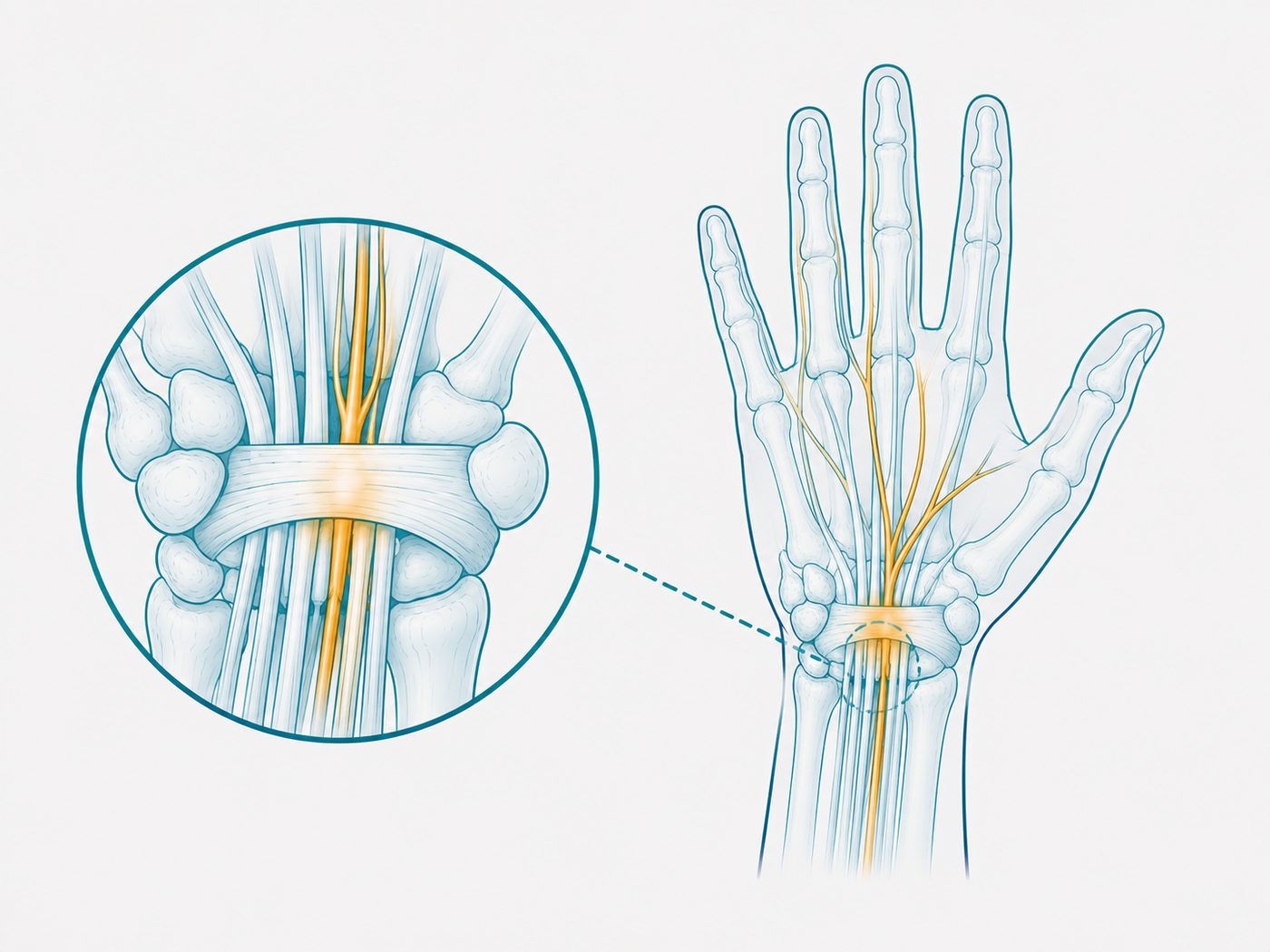
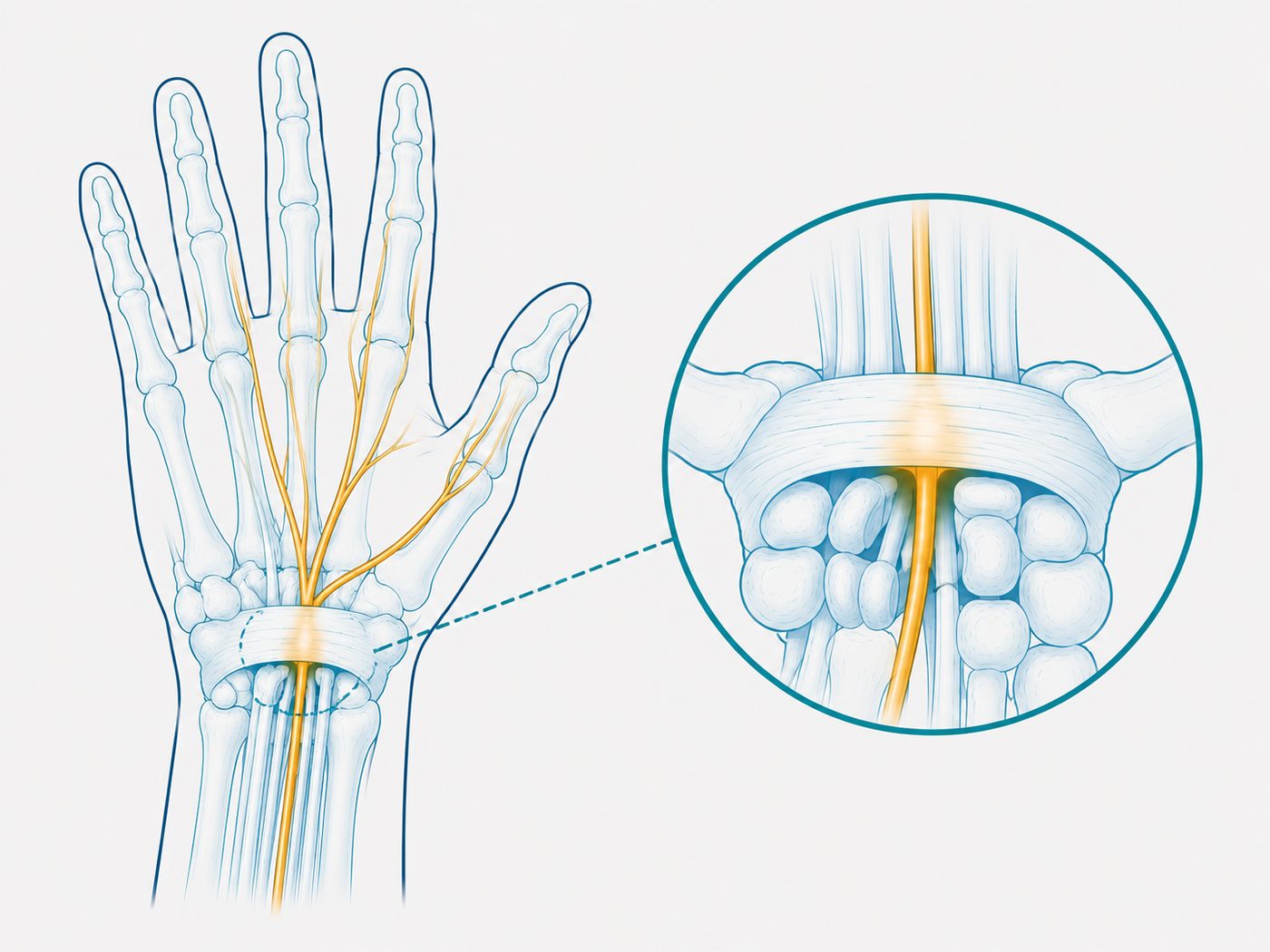
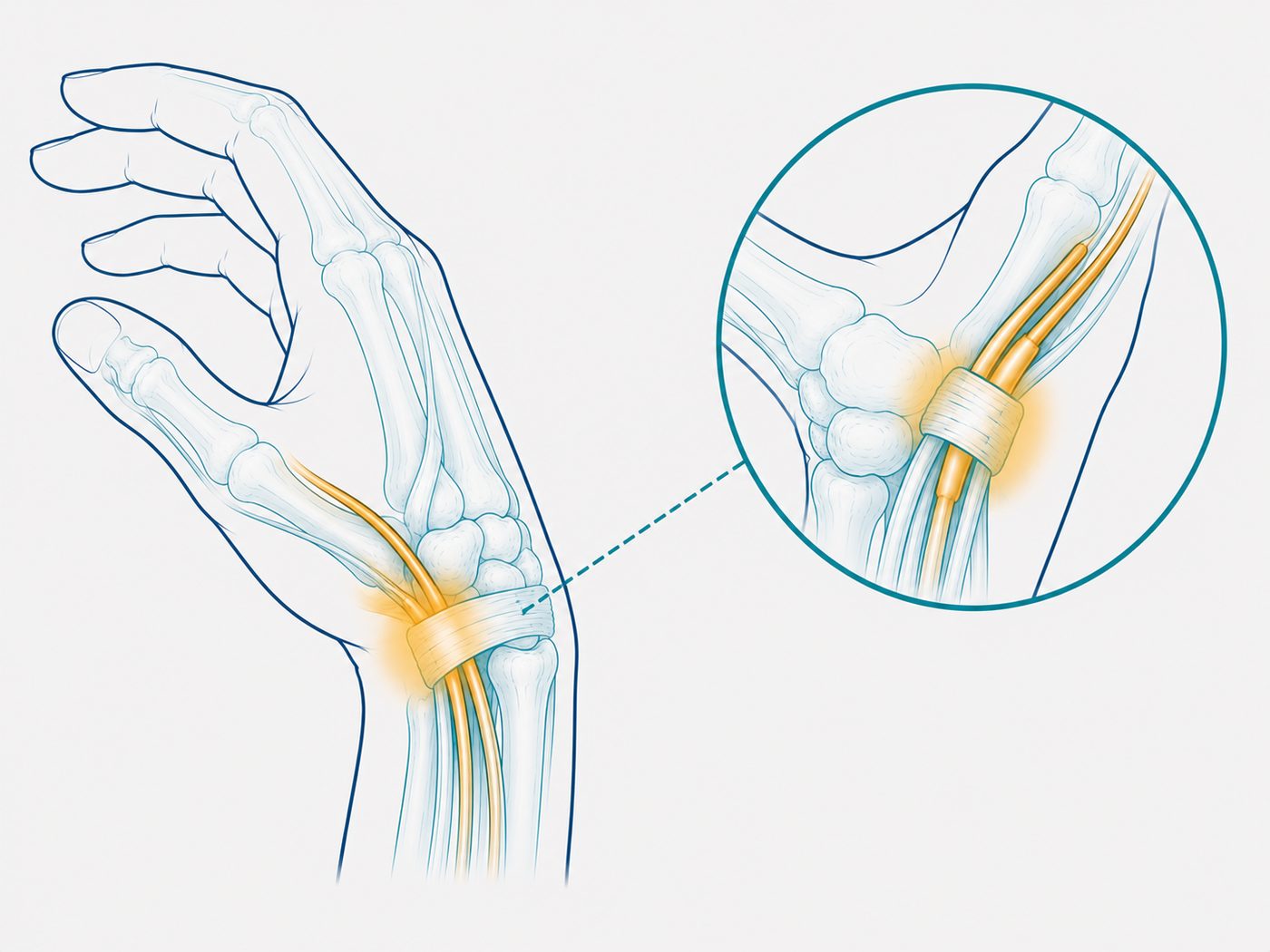
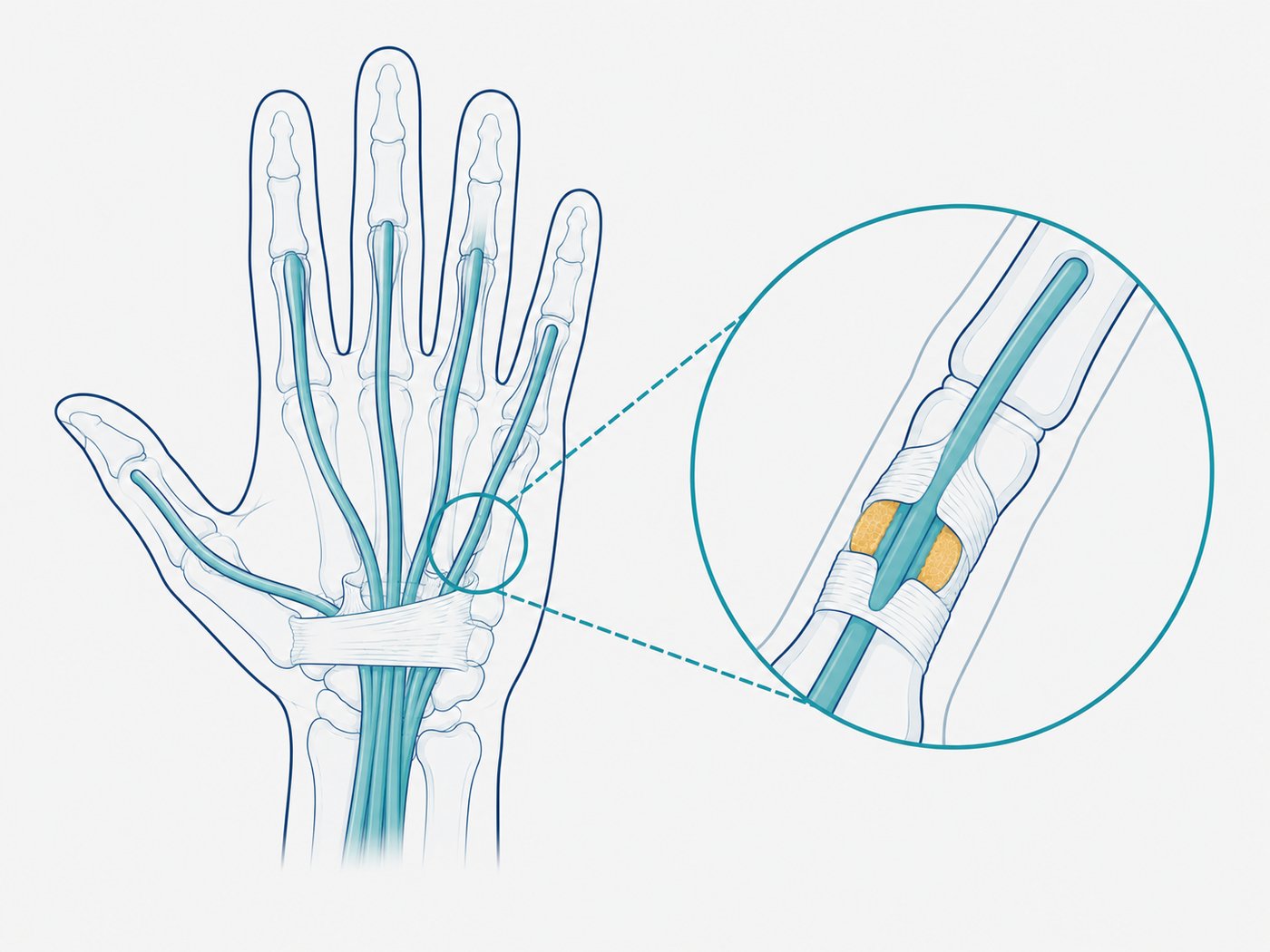
The median nerve passes through the wrist inside a narrow passage called the carpal tunnel. When pressure builds on the nerve - from swelling, repetitive use or other factors - pain, numbness, tingling and sometimes weakness can appear in the hand, mainly in the thumb, index finger and middle finger.
If the pain or numbness comes on specifically at night, try sleeping with the wrist in a straight position rather than bent - there is an inexpensive purpose-made splint for this, and it makes a real difference for many people in the early stage.
How does it usually feel?
- Numbness in the thumb, index and middle finger.
- Pain in the wrist.
- Waking at night because of the hand.
- Weakness in your grip.
- Difficulty holding small objects.
- Progressive or worsening weakness in your grip
- Constant numbness that never resolves
- Noticeable wasting at the base of the thumb
- Significant interference with daily function
How can physiotherapy help?
After an accurate assessment, we build a plan: guidance on reducing load, exercises that improve how the nerve and joints move (“neurodynamics”), and adjustments for daily activity and work - including ergonomic changes that keep it from flaring up again.
Frequently asked questions
No. Other conditions can cause similar symptoms - like nerve compression in the neck - so it’s better to get assessed than to self-diagnose.
Not always. In many cases conservative treatment can be tried according to the situation, and surgery is usually reserved for cases that have not responded to treatment or that involve significant weakness.
Prolonged work can contribute to the load in some people, but it is usually a combination of several factors - including anatomy, pregnancy and other medical conditions.
What’s worth remembering?
If numbness, pain or weakness appear in the hand, it isn’t worth ignoring. Early assessment and appropriate treatment can help reduce symptoms and improve function.
- Carpal tunnel syndrome is the most common compressive neuropathy, and affects women in particular.
- It’s identified by numbness in the thumb, index and middle finger, mainly at night, with a need to shake the hand out for relief.
- Sleeping with the wrist straight rather than bent can help significantly in the early stage; progressive weakness in the grip calls for prompt assessment.
Not sure if this is your situation? I’d be happy to give you a professional assessment and build a treatment plan that fits you.
Book a consultation callYou might also be interested in:
 Pain somewhere else?
Return to the interactive body map and pick an area
←
Pain somewhere else?
Return to the interactive body map and pick an area
←