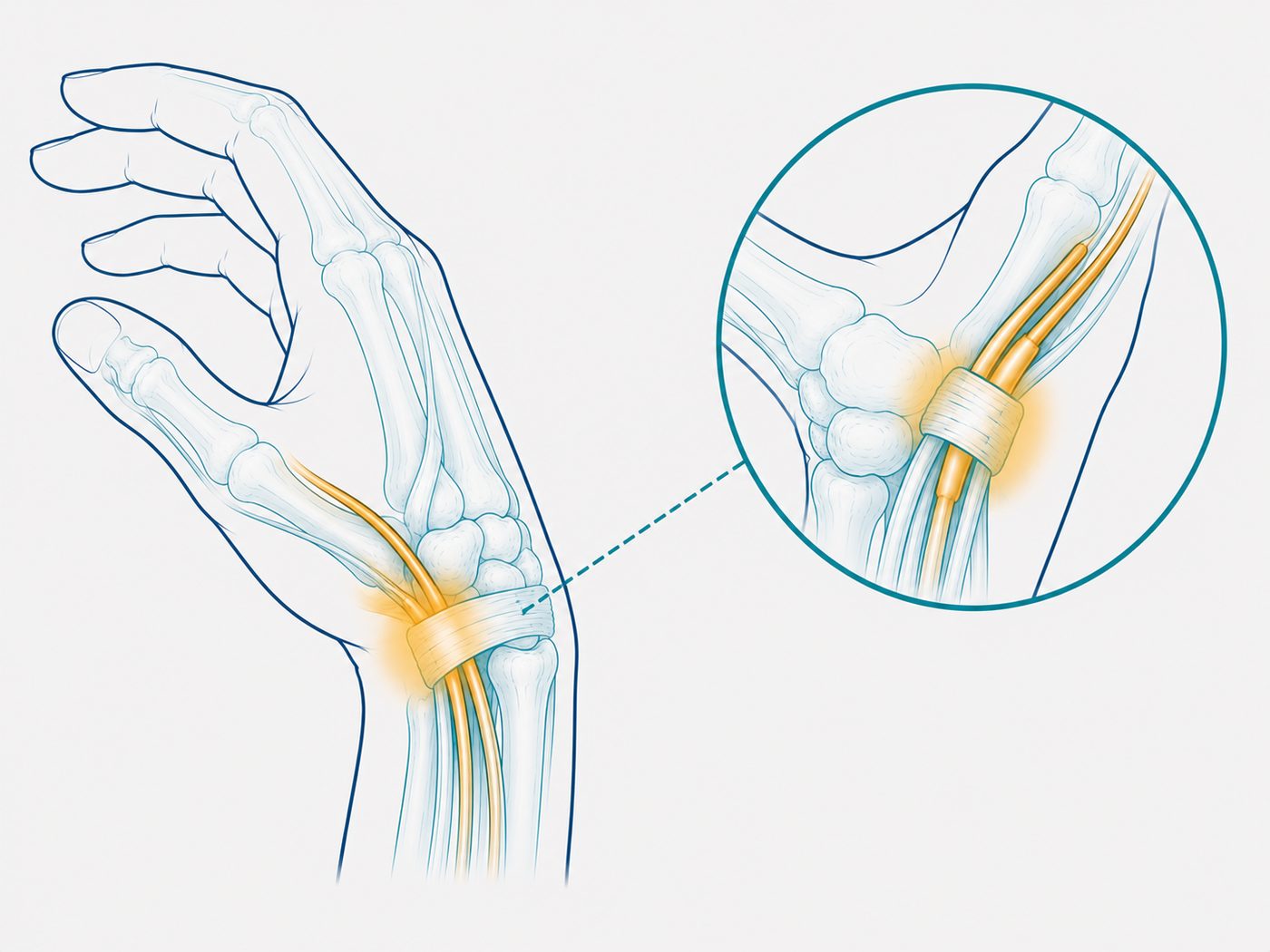
De quervain’s tenosynovitis: why every grip starts to hurt
Pain on the side of the wrist that worsens with lifting, gripping or turning.
De Quervain’s tenosynovitis is very common in new parents - the baby, not an acute injury, is usually what is “to blame” for the repetitive load on these tendons.
If sharp pain appears near the base of the thumb every time you pick up a baby, turn a key, open a jar or even hold your phone, this may be De Quervain’s tenosynovitis. It’s one of the injuries that the most new parents come to me with - and they are usually surprised to discover that the baby is “to blame”, rather than some sharp movement or injury.
What is De quervain’s tenosynovitis?
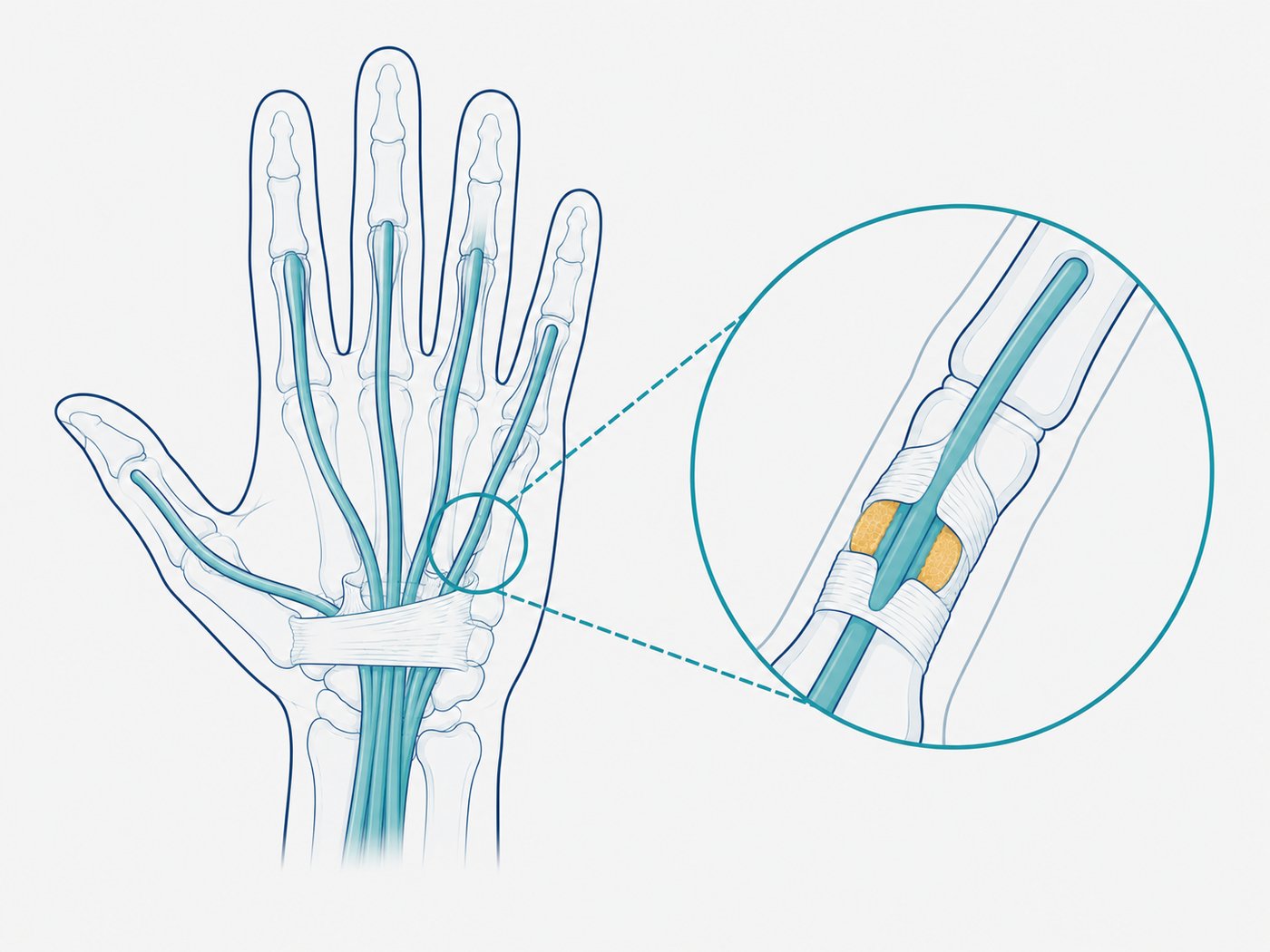
The condition involves two tendons that run along the side of the wrist through a relatively narrow tunnel. Repetitive load or frequent thumb movements - particularly the combination of gripping and sideways movement of the wrist, as when lifting a baby - can cause irritation and pain in the area. The longer the repetitive movement continues without a break, the more the irritation builds up and worsens.
Try lifting your baby with open palms and full support underneath the body, rather than gripping with the thumbs spread out to the sides - it makes a significant difference to the load on these tendons.
How does it usually feel?
- Pain near the base of the thumb.
- Pain when lifting objects.
- Difficulty opening bottles.
- Tenderness to touch.
- Pain when turning the wrist.
How can physiotherapy help?
Treatment includes adjusting loads, exercises to improve the movement of the tendons, guidance for daily activity (including alternative ways to lift and hold things) and sometimes recommendations for a temporary reduction in load to let the area settle and heal.
Frequently asked questions
Yes, very. Many new parents develop the problem because of the repeated lifting of the baby, combined with fatigue and hormonal changes that affect the tissues during this period.
No. It’s usually better to adjust the load and the way you grip, rather than stopping using the hand entirely - which isn’t always practical when there is a baby to look after.
Sometimes it improves, but if the pain doesn’t pass - get assessed and start treatment, especially if the repeated lifting is going to continue anyway.
What’s worth remembering?
The earlier it is treated and the load properly reduced, the greater the chance of returning quickly to comfortable use of the hand - without giving up caring for your baby.
- The condition is caused by repetitive load on two tendons at the side of the wrist, particularly the combination of gripping and sideways movement as when lifting a baby.
- It’s identified by pain near the base of the thumb that worsens with lifting, gripping or opening bottles.
- Lifting a baby with open palms and full support, rather than gripping with the thumbs out to the sides, can significantly reduce the load.
Not sure if this is your situation? I’d be happy to give you a professional assessment and build a treatment plan that fits you.
Book a consultation callYou might also be interested in:
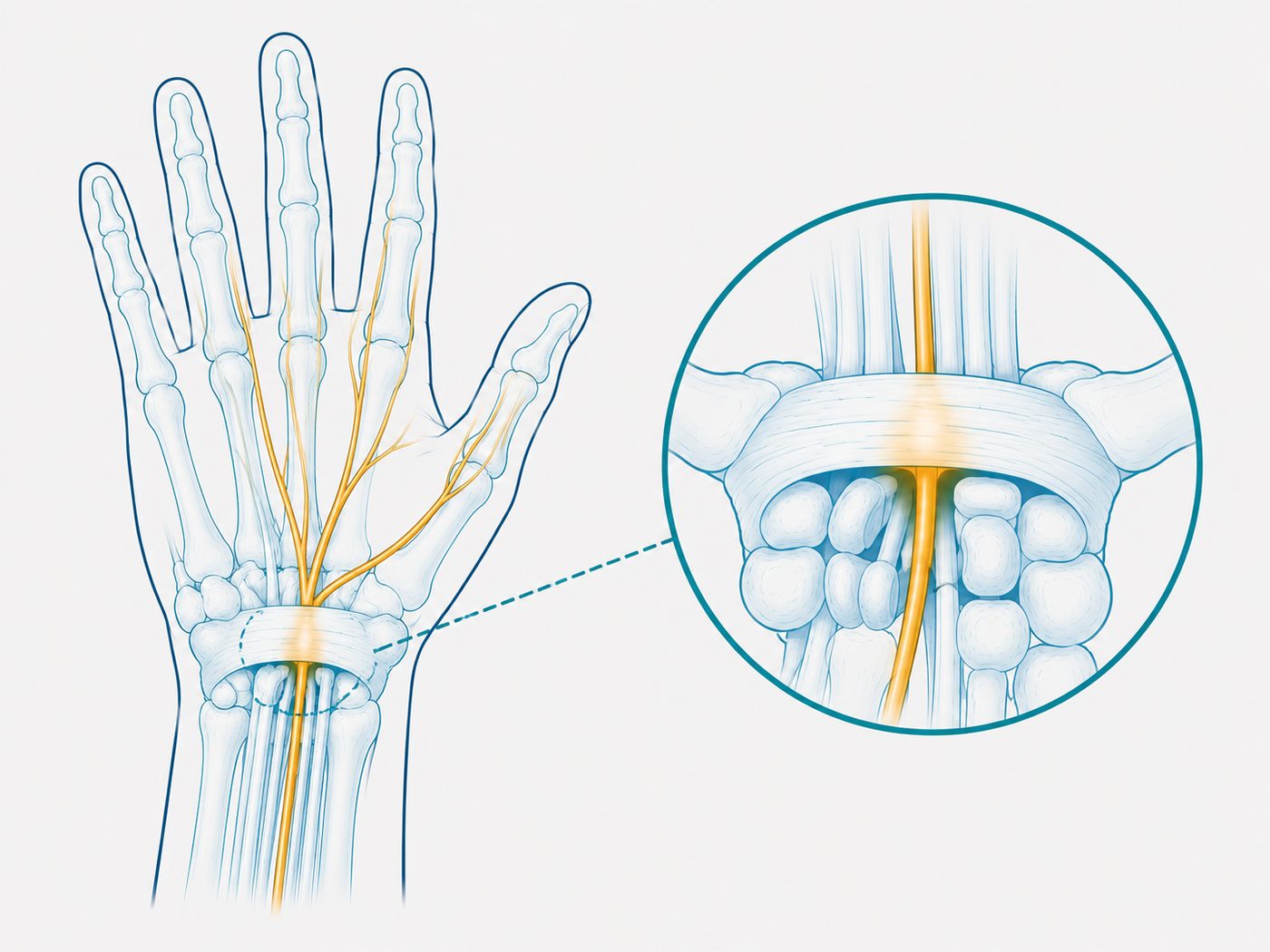
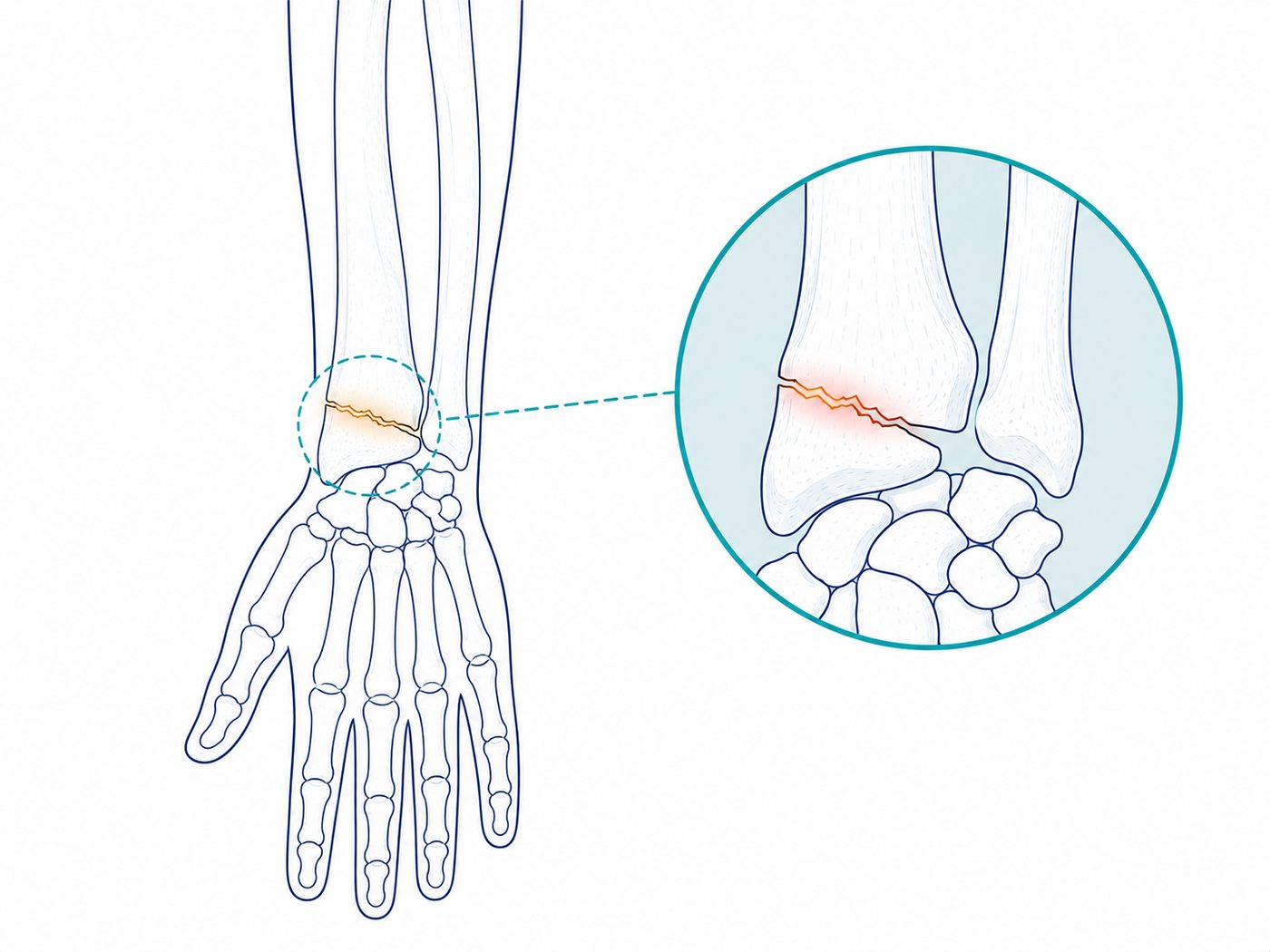
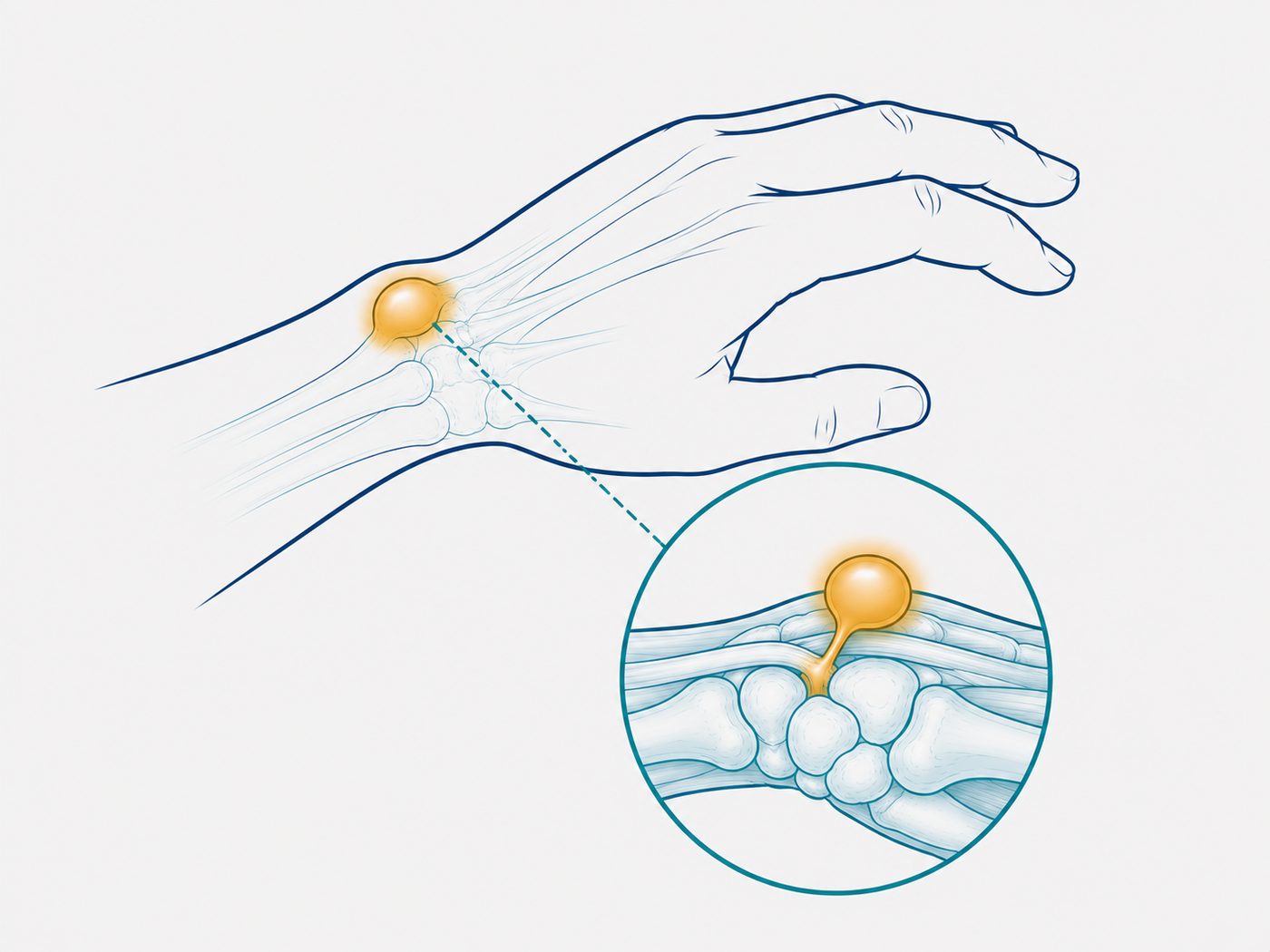
 Pain somewhere else?
Return to the interactive body map and pick an area
←
Pain somewhere else?
Return to the interactive body map and pick an area
←