Wrist pain: from typing to carpal tunnel syndrome
Pain, numbness or weakness in the wrist during work or phone use.
The wrist works in almost every daily activity - from typing to cooking - and for most of the day we pay no attention to the angle it is held at, until it already hurts.
The wrist is a delicate and heavily used joint - it works in almost every daily activity, from typing to cooking. No wonder pain there has become so common in the age of screens. The problem is that for most of the day we don’t notice the angle it is held at - until it already hurts, and then it is hard to ignore, because it is involved in almost every movement of the hand.
What causes the pain?
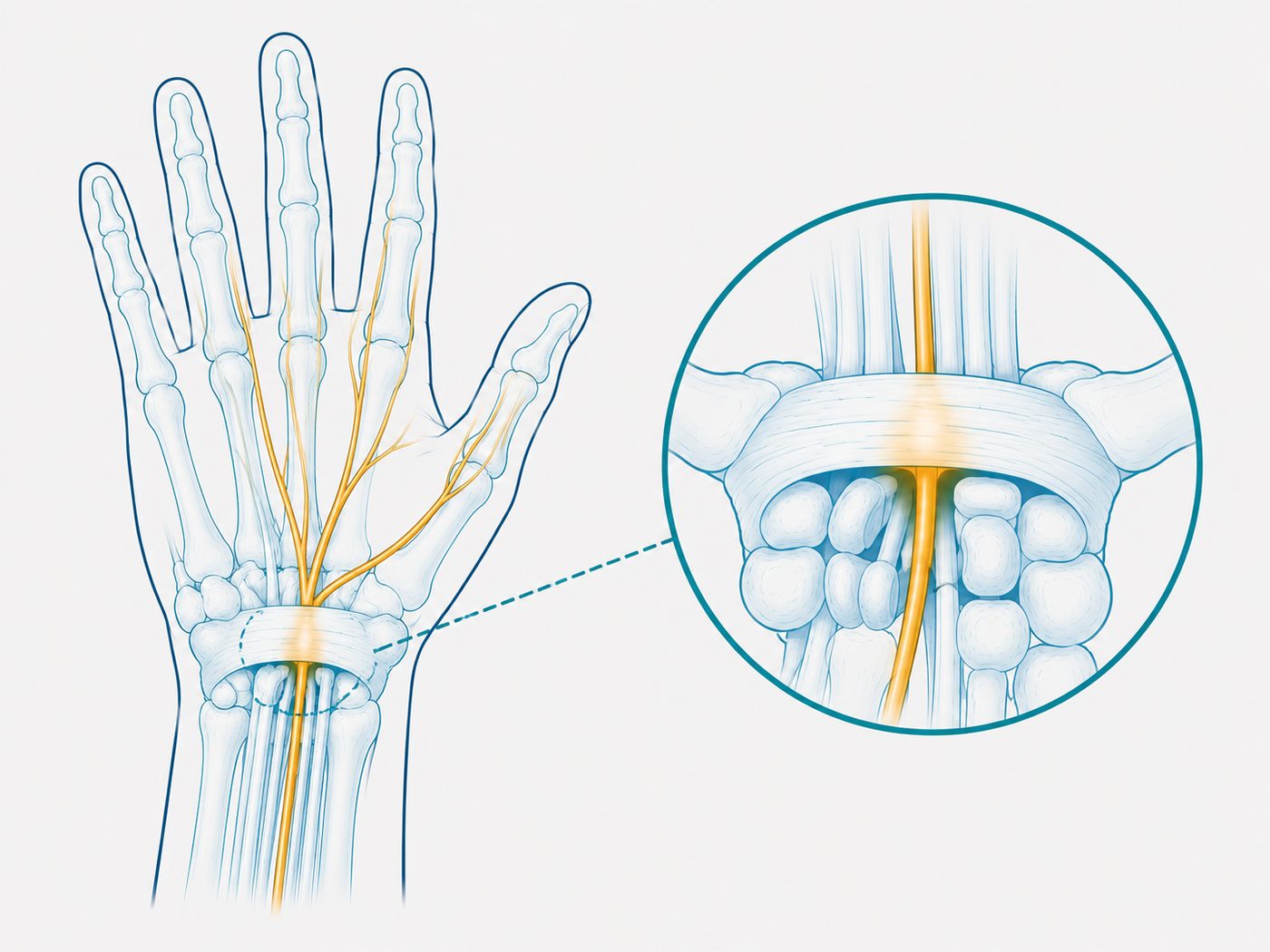
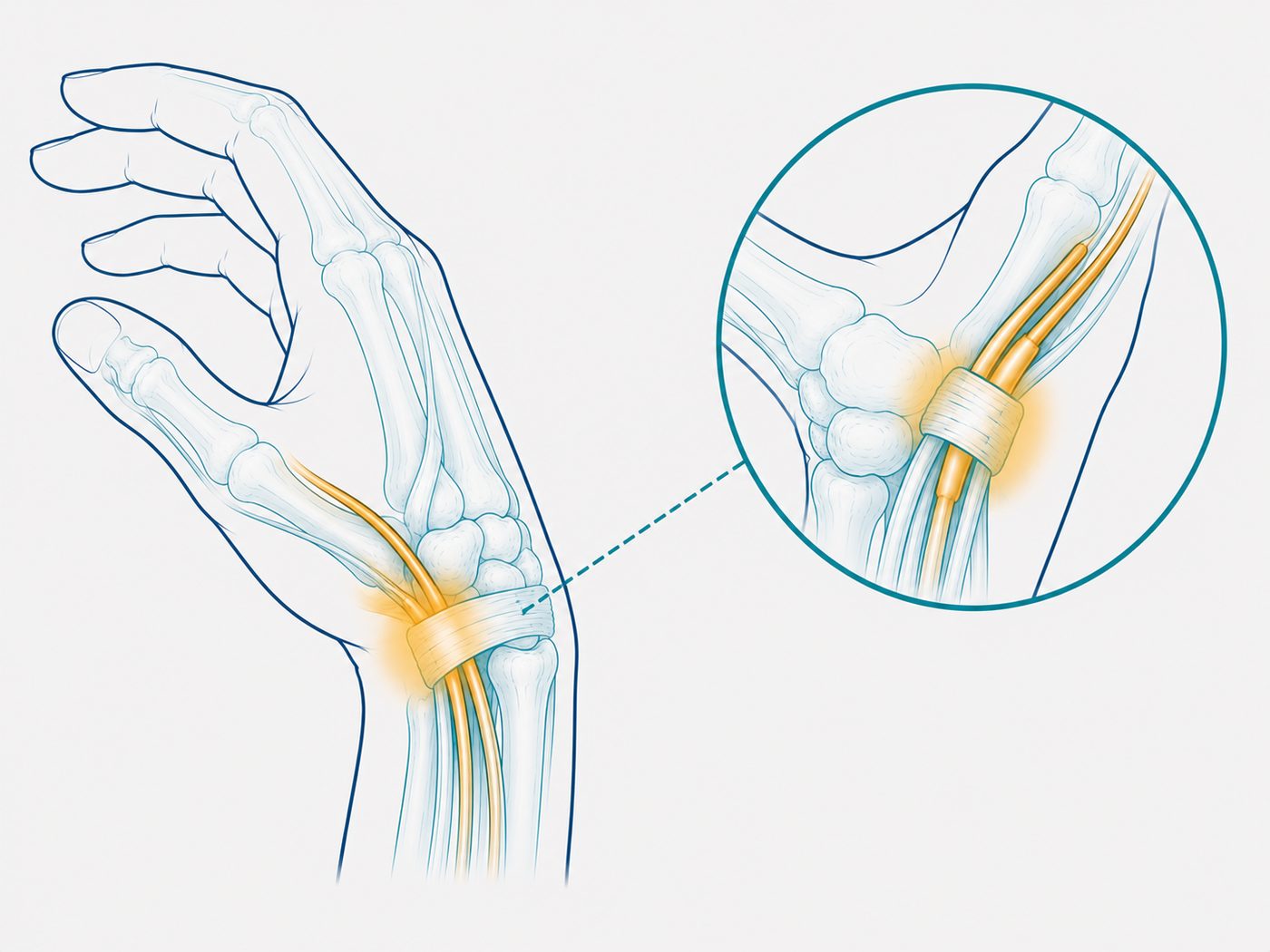
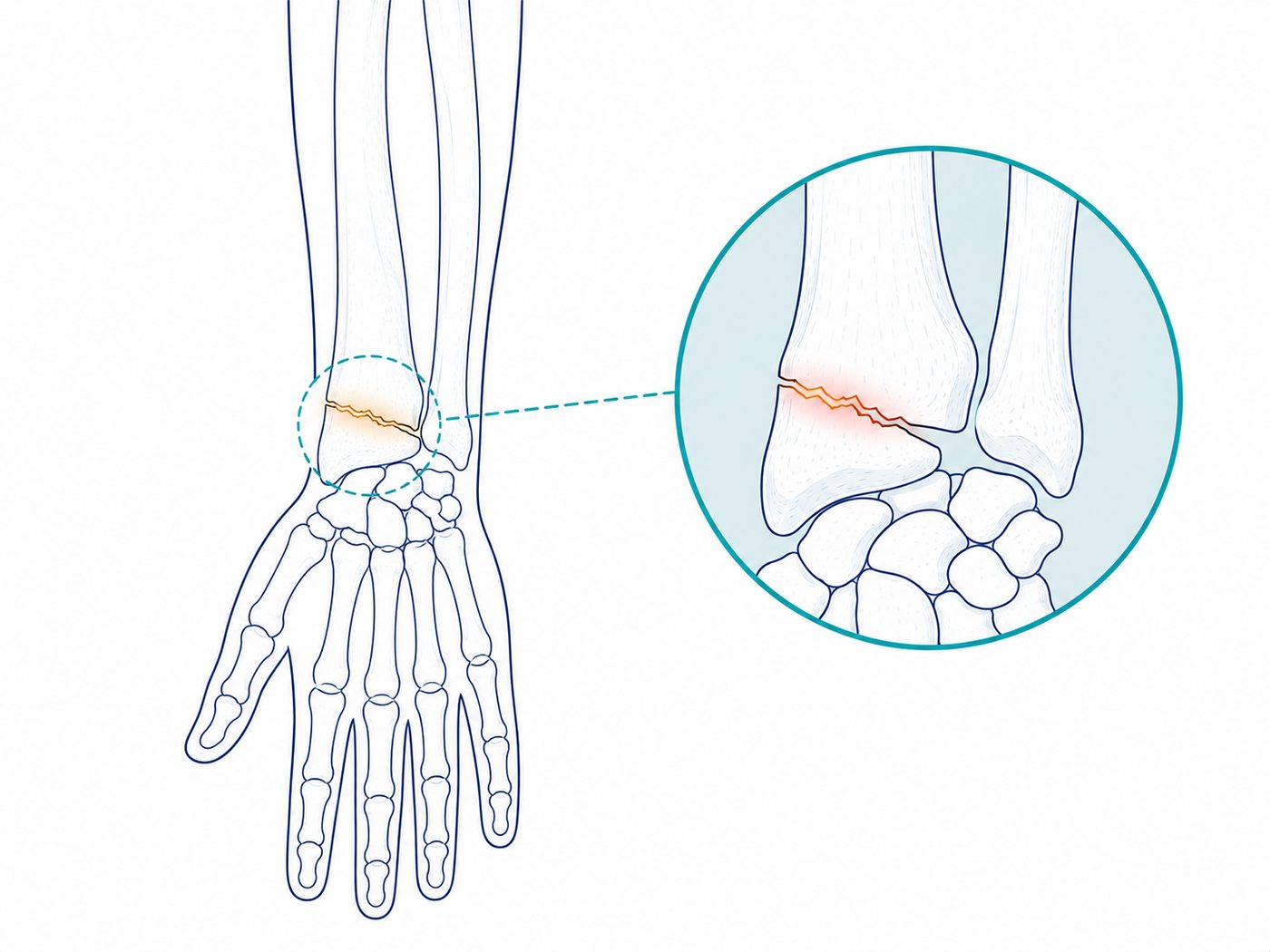
Repetitive movement at a poor angle is the most common cause I see, especially in people who work at a computer for many hours a day. A non-ergonomic keyboard and mouse setup holds the wrist in extreme flexion or extension for long periods - and that is exactly what creates the irritation. A sudden load, such as a fall onto the hand, can cause an acute, immediate injury. And sometimes there is pressure on the median nerve that produces numbness - what is known as carpal tunnel syndrome, and it usually gets worse at night. A particularly common complaint is pain when typing or using a phone - small actions repeated thousands of times a day.
What can you do?
Improving the angle of the wrist at the keyboard (neither bent nor raised) is the first and most significant step - a small change in chair height or keyboard position can bring real relief. Taking short movement breaks every 30-40 minutes stops the joint from staying in a fixed position for too long. And strengthening the forearm and hand muscles gradually - not right in the middle of acute pain, but gradually, once it has calmed down.
Exercises you can start with today
Wrist stretch: Straighten your arm forward with the palm facing up, and with your other hand gently pull the fingers downward. Hold for 15-20 seconds and repeat 2-3 times on each side.
Wrist circles: Rotate the hand slowly in circles, one direction and then the other, about 10 circles each way - it helps keep the joint mobile through the day.
When is it important to get checked?
- There is numbness or tingling in the fingers, mainly at night
- Your grip strength has weakened
- The pain lasts more than one to two weeks
- There was an injury or a fall onto the hand
- The exercises aren’t helping, or the pain is getting worse
- Repetitive movement at a poor angle, mainly from a non-ergonomic keyboard and mouse setup, is the most common cause.
- Pressure on the median nerve can cause the numbness known as carpal tunnel syndrome, and it usually gets worse at night.
- Short movement breaks every 30-40 minutes stop the joint from staying in a fixed position for too long.
Not sure if this is your situation? I’d be happy to give you a professional assessment and build a treatment plan that fits you.
Book a consultation callYou might also be interested in:
 Pain somewhere else?
Return to the interactive body map and pick an area
←
Pain somewhere else?
Return to the interactive body map and pick an area
←