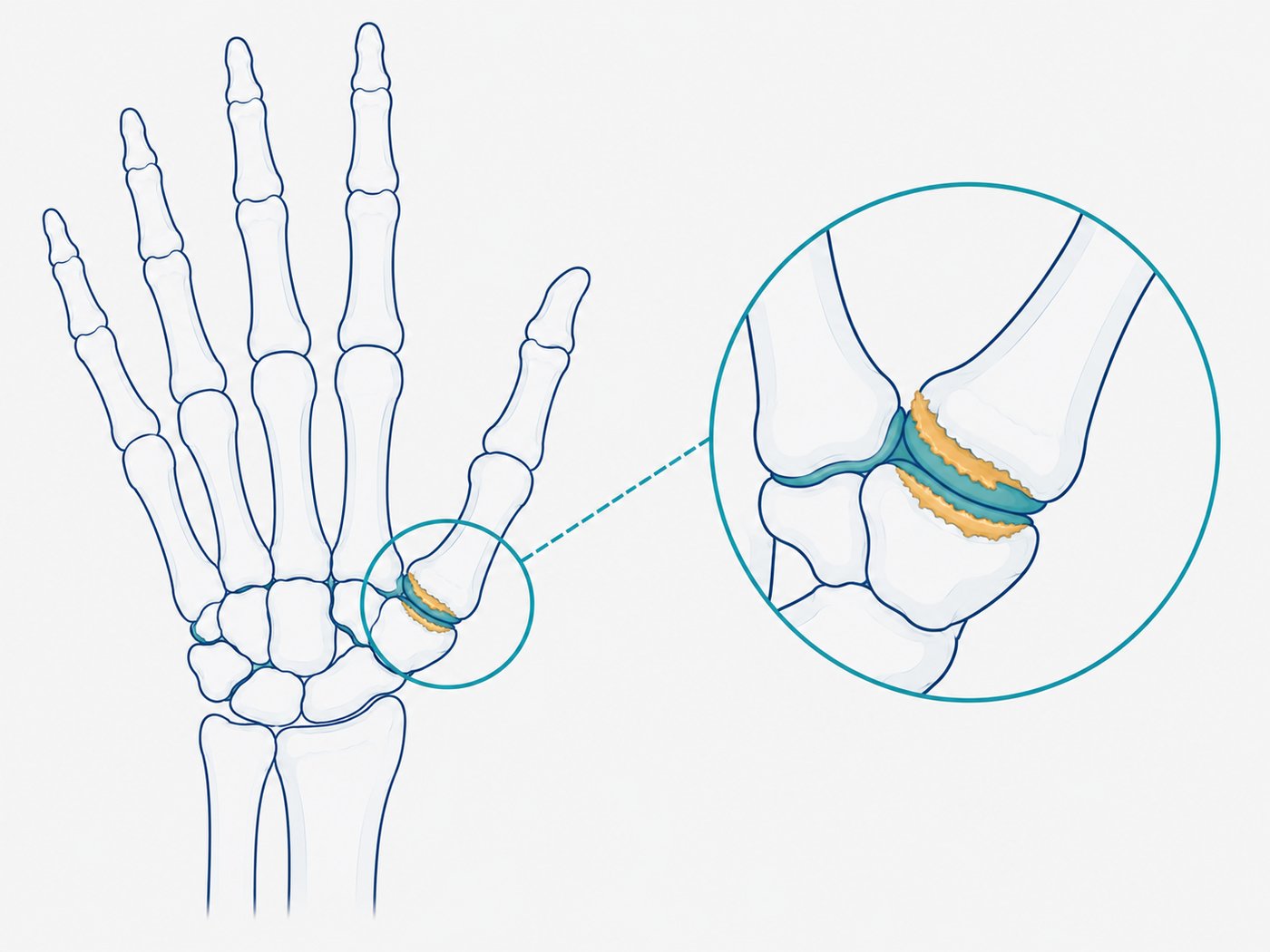
Thumb base arthritis: when every pinch hurts
Cartilage wear at the base of the thumb that turns simple actions such as opening a jar or turning a key into painful ones.
Thumb base arthritis is completely different from De Quervain’s - cartilage wear, not tendon inflammation - and it makes every “pinching” action such as opening a jar painful.
If every action requiring a “pinch” between the thumb and the fingers - opening a jar, turning a key, prolonged writing - has become painful, and you have tenderness at the base of the thumb close to the wrist, this may be arthritis of the carpometacarpal joint of the thumb, also known as “thumb base arthritis”.
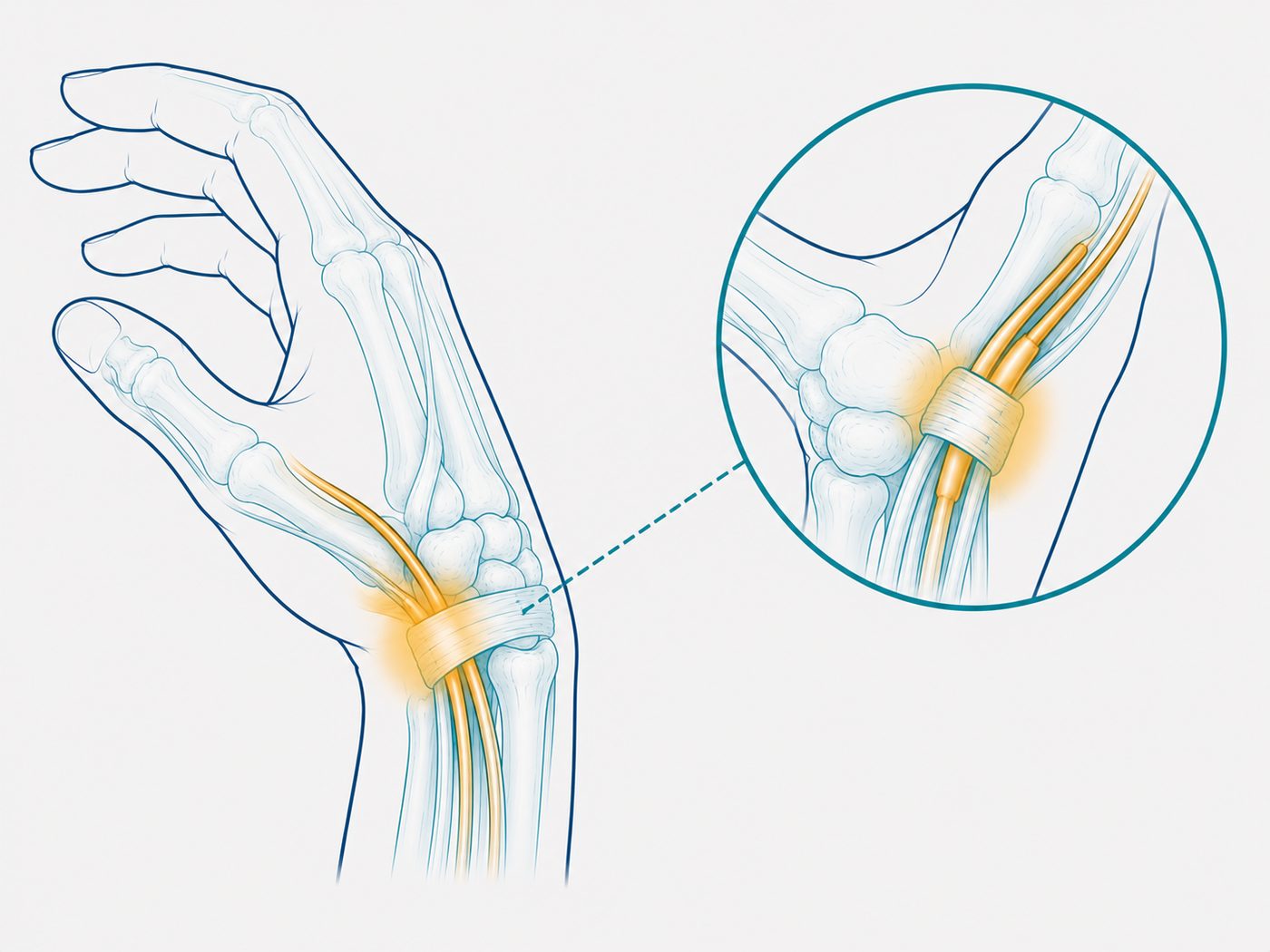
This is an entirely different problem from De Quervain’s, which involves inflammation of the tendons rather than cartilage wear, and so its treatment is different too.
How does it usually feel?
Symptoms can vary, but many describe:
- Pain at the base of the thumb, close to the wrist.
- Worsening with pinching actions such as opening a bottle or writing.
- Morning stiffness that improves with movement.
- A gradual reduction in grip and pinch strength.
- Sometimes a slight bony bump at the base of the thumb in advanced stages.
A simple test: try pinching a small object between the thumb and index finger. If that is the most painful movement, it points strongly toward this joint rather than the nearby tendons.
What causes thumb base arthritis?
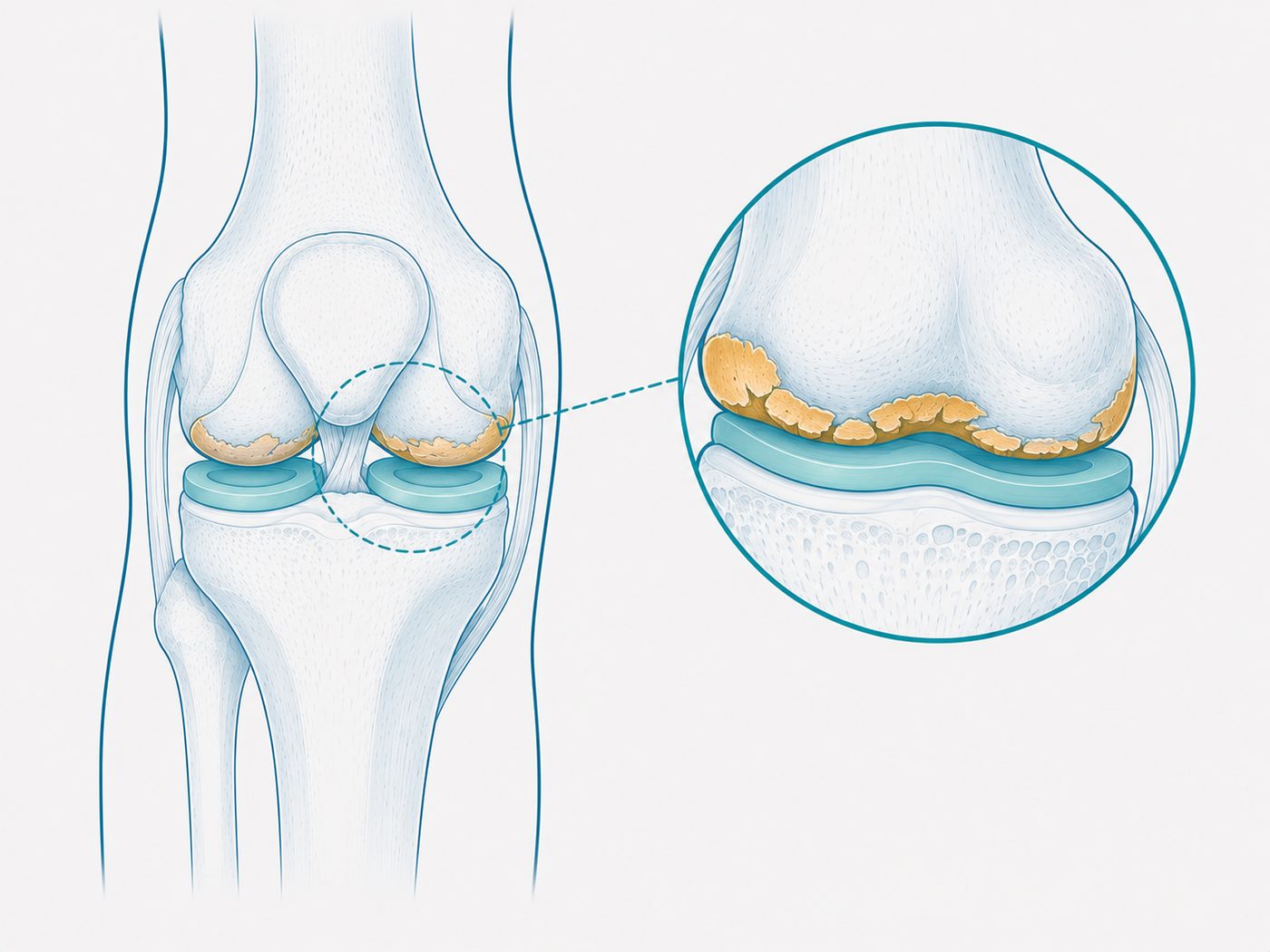
As with any other cartilage wear, this is accumulated load over the years on a joint that carries a lot of force relative to its size. The condition is more common in women over 50, and there is sometimes a hereditary component as well.
How can physiotherapy help?
Treatment combines targeted strengthening of the muscles around the thumb that help distribute the load on the joint, improving grip technique in everyday activities, and sometimes a temporary supportive splint during flare-ups. The aim is to reduce pain and preserve function over time.
When should you get checked?
If the pain becomes constant even at rest, grip strength drops noticeably, or the bony bump grows and limits movement - see a hand surgeon about further treatment options.
Frequently asked questions
No. De Quervain’s is inflammation of the tendons, and thumb base arthritis is cartilage wear in the joint itself - two entirely different mechanisms.
Yes, during flare-ups a supportive splint can significantly reduce the pain with gripping and pinching.
Only in advanced cases where the pain significantly interferes with daily function and has not responded to prolonged conservative treatment.
What’s worth remembering?
Thumb base arthritis is a common cause of hand pain in older age, and is completely different from De Quervain’s - identifying it correctly saves treatment aimed in the wrong direction.
- This is accumulated load over the years on a joint that carries a lot of force relative to its size; it is more common in women over 50.
- It’s identified by pain at the base of the thumb that worsens with pinching actions such as opening a bottle or writing.
- Pinching a small object between the thumb and index finger - if that is the most painful movement, it points to this joint rather than the nearby tendons.
Not sure if this is your situation? I’d be happy to give you a professional assessment and build a treatment plan that fits you.
Book a consultation callYou might also be interested in:
 Pain somewhere else?
Return to the interactive body map and pick an area
←
Pain somewhere else?
Return to the interactive body map and pick an area
←