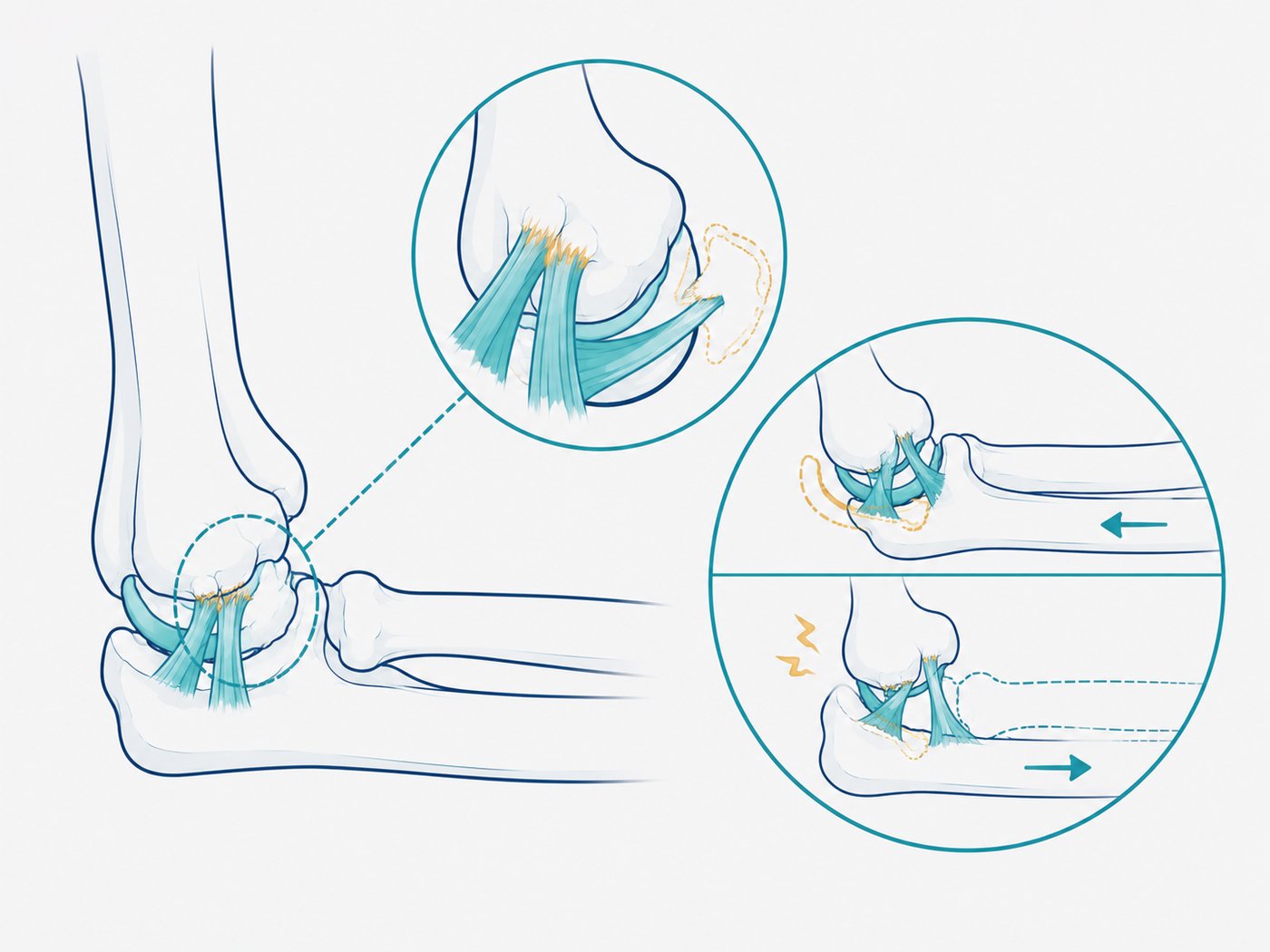
Elbow instability and dislocation: the second most dislocated joint
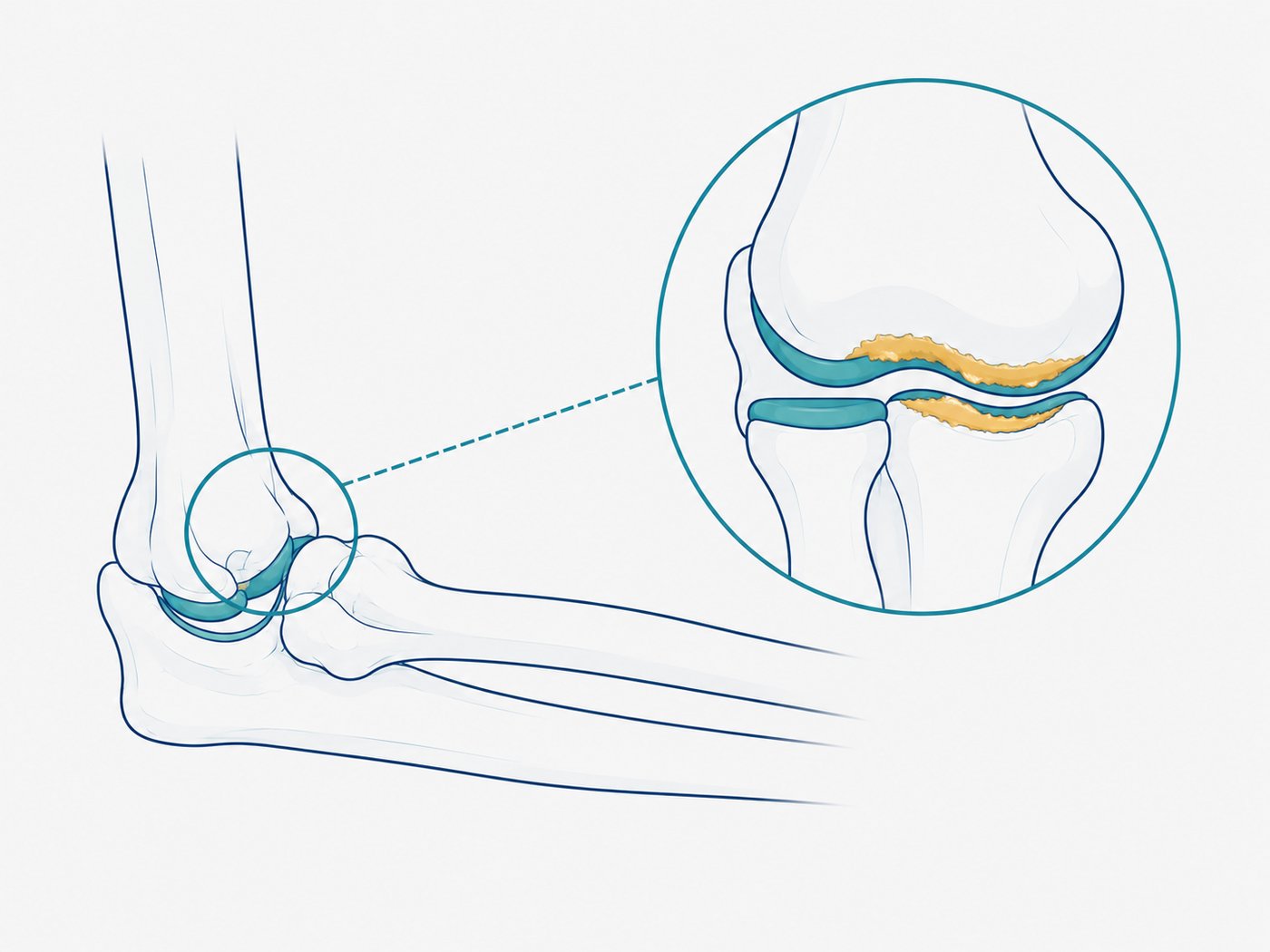
After the shoulder, the elbow is the second most commonly dislocated joint - and it sometimes leaves behind a persistent feeling of instability.
The elbow is the second most commonly dislocated joint in the body after the shoulder - and as with the shoulder, proper rehabilitation after the acute event is what determines whether a feeling of instability persists afterwards.
An elbow dislocation usually happens in a fall onto an outstretched hand, and although it sounds dramatic, in most cases the elbow can be put back in place and rehabilitated successfully. The problem starts when a feeling of insecurity or “looseness” in the elbow remains after the dislocation.
This is the second most commonly dislocated joint in the body after the shoulder, and here too, as with the shoulder, proper rehabilitation after the acute event is what determines whether a feeling of instability persists afterwards.
How does it usually feel?
Symptoms can vary, but many describe:
- Sharp pain and a visible deformity at the moment of the dislocation itself.
- After the reduction - significant swelling and pain.
- Later, in some patients: a feeling of instability with certain movements.
- Fear or hesitation about leaning on the outstretched hand.
- A reduction in the range of motion, mainly in full extension.
A feeling of instability that continues for months after the dislocation, and not only in the first weeks, is the sign that points to a need for more targeted rehabilitation of joint stability.
What causes an elbow dislocation?
Most dislocations happen in a fall onto an outstretched hand, common in contact sport, cycling or simply a trip. The severity of the damage to the ligaments supporting the elbow is what determines whether a feeling of instability remains after the initial recovery.
How can physiotherapy help?
Rehabilitation begins with gradually restoring the range of motion immediately after the elbow has been put back in place, to prevent permanent stiffness - a significant risk in the elbow more than in other joints. In parallel, strength and stability are built gradually, so that the muscles around the elbow compensate for any weakness remaining in the ligaments.
When should you get checked?
If there are repeat dislocations even in simple everyday movements, or a real feeling of instability that rehab isn’t improving - see an orthopedic specialist about further assessment.
Frequently asked questions
No, never attempt this. Go immediately to an emergency department or a qualified medical team.
In most cases a few weeks to months, depending on the severity of the damage to the ligaments.
In most cases no, if rehabilitation starts early - that is exactly the risk we are trying to prevent.
What’s worth remembering?
The elbow is more prone than most joints to developing stiffness after a dislocation, which is why starting controlled movement early is critical to a full recovery.
- Most dislocations happen in a fall onto an outstretched hand, common in contact sport, cycling or a trip.
- A feeling of instability that continues for months after the dislocation, and not only in the first weeks, points to a need for more targeted rehabilitation.
- Rehabilitation begins with gradually restoring the range of motion immediately after the elbow is put back in place, to prevent stiffness.
Not sure if this is your situation? I’d be happy to give you a professional assessment and build a treatment plan that fits you.
Book a consultation callYou might also be interested in:
 Pain somewhere else?
Return to the interactive body map and pick an area
←
Pain somewhere else?
Return to the interactive body map and pick an area
←