The Mulligan concept: Pain-Free movement, from the first session
An approach in manual therapy where the therapist guides the joint while you perform the movement that hurts.
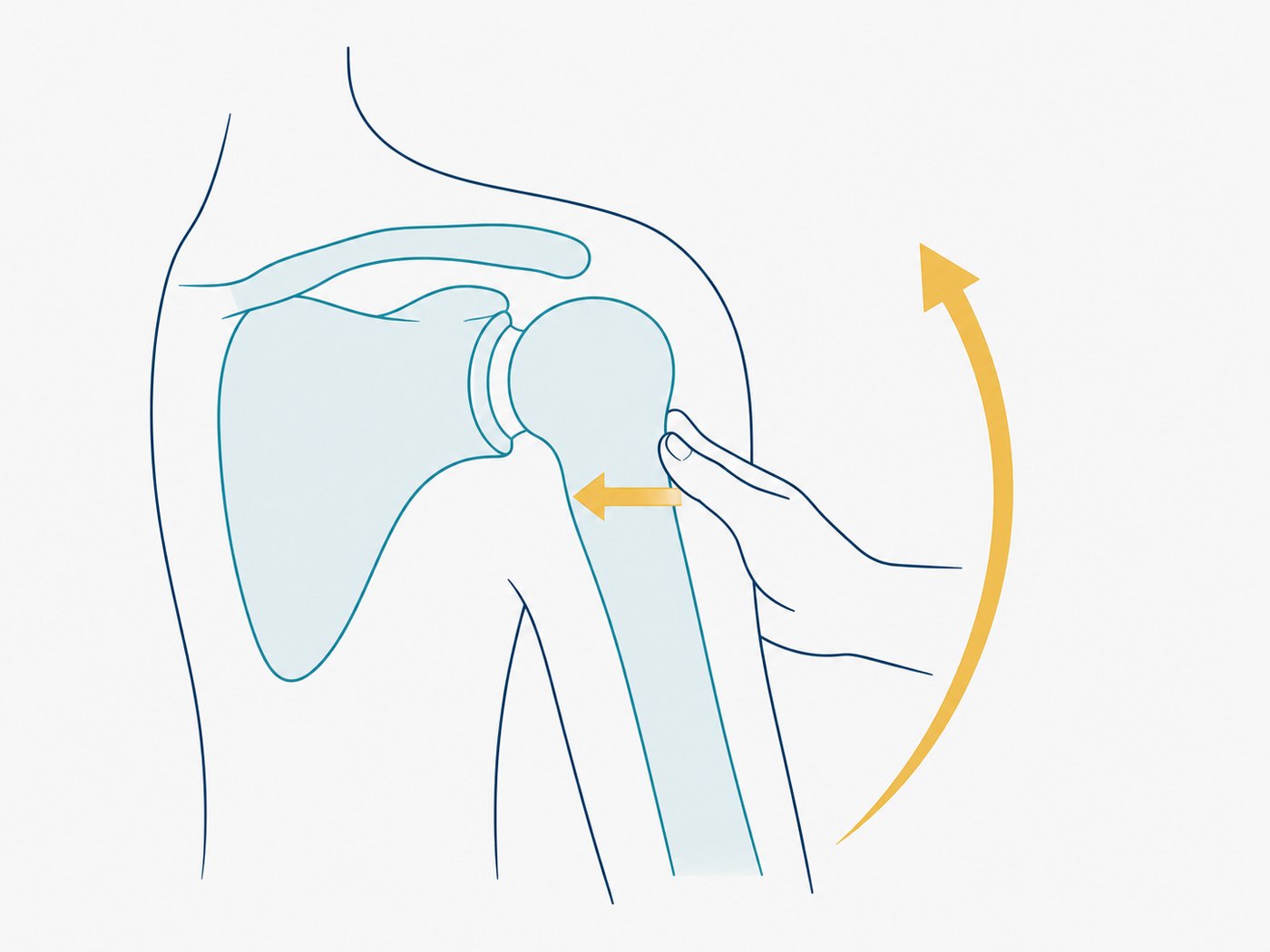
In the Mulligan concept, the therapist applies a gentle glide to the joint while the patient performs the restricted movement themselves. A central principle of the method is that treatment should be pain-free and show immediate improvement; otherwise, the direction is changed.
Most people know manual therapy as something that happens to them: they lie down, the therapist works, and they’re passive. The Mulligan concept is built differently.
In this method, the therapist applies a gentle glide to the joint, and at that same moment the patient performs the painful or stuck movement themselves. The combination of the two is the heart of the matter, and often makes it possible - already in the first session - to perform a movement that was restricted before.
What actually happens in treatment?
Say raising your arm to the side hurts at a certain point of the movement. Instead of stretching or pressing the area, the therapist holds the joint and adds a gentle glide, then asks you to raise the arm.
If the direction is right, the movement happens with less pain or through a greater range right at that moment. The movement is repeated several times, and sometimes a taping or an exercise is added to preserve the feeling between treatments.
The idea behind it is that sometimes the problem isn’t the amount of force, but the direction in which the joint moves during the movement.
The principle that most distinguishes the method
The Mulligan concept has a clear rule: Treatment should be pain-free, give immediate improvement, and hold up.
The practical meaning is very important: if the technique hurts, or no change is felt during the treatment itself, you don’t continue with the same technique. You change direction, grip, or angle, or conclude that this tool isn’t the right one.
That’s also why I value this approach: it doesn’t ask the patient "suffering to improve", and it gives immediate feedback on whether it’s helping or not.
What does the research say?
The approach has been studied in recent years across several areas, and the overall picture supports its use as part of treatment:
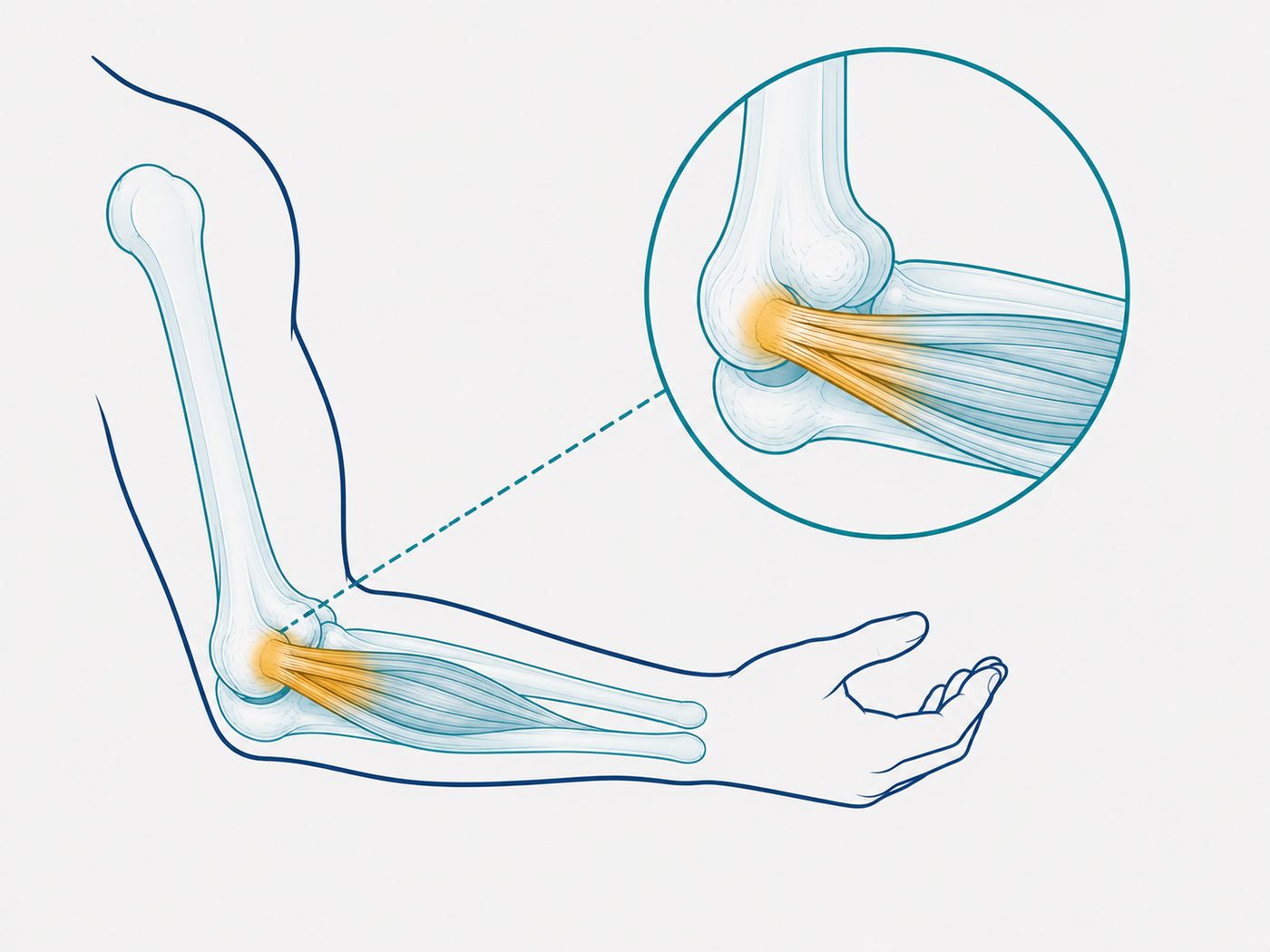
- Tennis elbow is among the extensively studied areas, with improvement in pain and grip strength
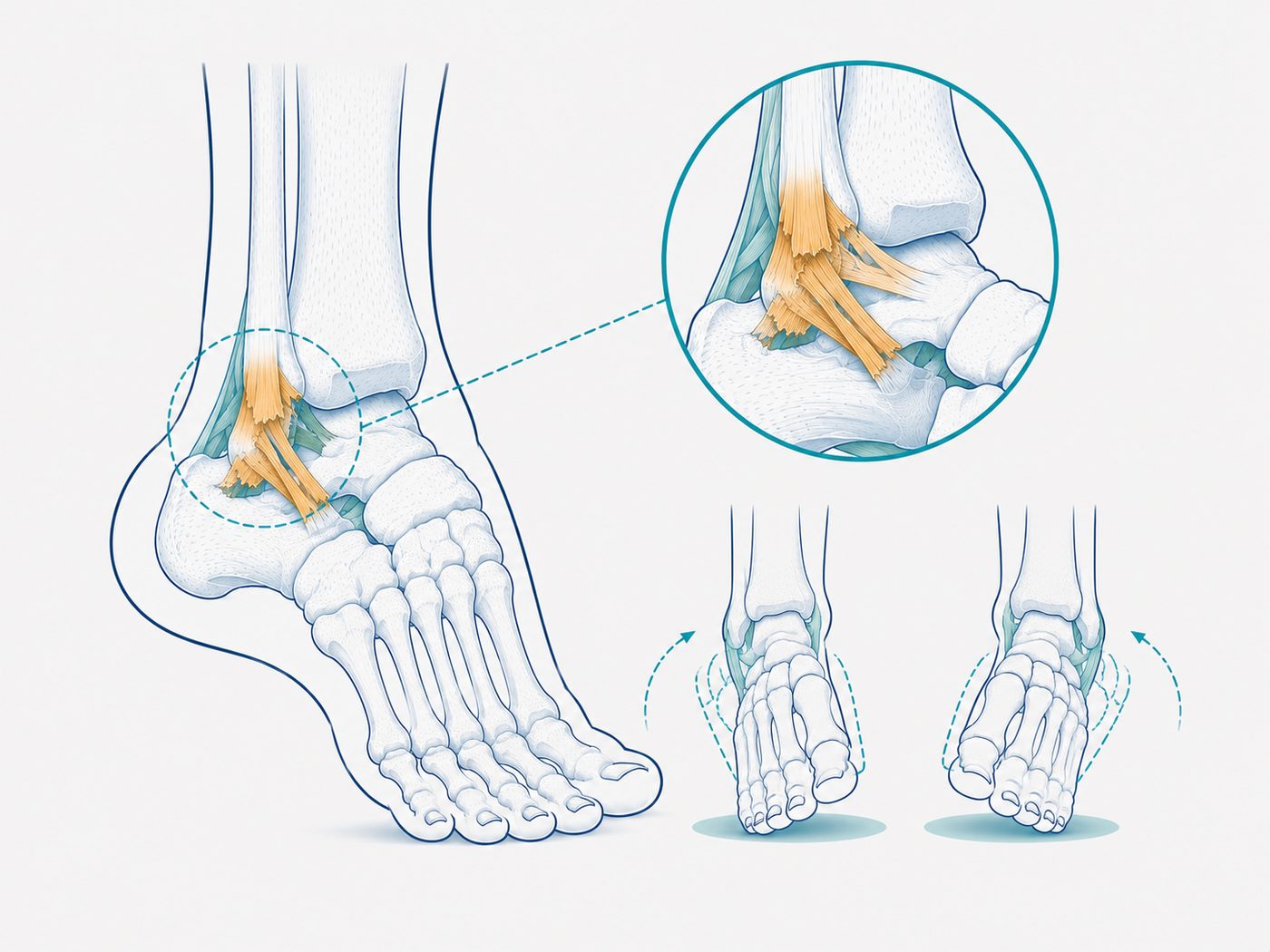
- The ankle after a sprain, with improvement in range of motion
- Neck, including an effect on headaches that originate in the neck
As with other manual techniques, the greatest effect comes when it’s combined with active exercise. The manual treatment opens the door, and the exercise is what preserves the change.
Who is it for?
The approach is especially suited to situations where There is a specific movement that catches or hurts, and not for widespread, general pain. It also suits those wary of vigorous manual treatment, since it’s gentle and based on cooperation.
As with any technique, examination comes first: if what’s limiting the movement isn’t the joint but another cause, a different tool is chosen.
Frequently asked questions
No. There’s no fast manipulation here and no "cracking". The movement is performed by you, in a controlled range, while the therapist adds a gentle glide.
One of the method’s hallmarks is that the change should be felt during the treatment itself. If there’s no change, that’s a sign to switch direction or tool.
Usually yes. Some techniques translate into a home exercise or a supporting taping, which preserve what was gained at the clinic.
Sometimes yes, especially when there’s a component of restricted movement. In chronic pain, the plan is usually broader and also includes work on load, sleep, and activity.
What’s worth remembering?
The Mulligan concept combines gentle manual mobilization with the patient’s active movement, and requires that treatment be pain-free and show immediate improvement. It’s an effective tool for movement that catches, especially when combined with exercise.
- In the Mulligan concept, the therapist adds a gentle glide to the joint while the patient performs the movement themselves.
- A central principle is that treatment should be pain-free and show immediate improvement; otherwise the direction is changed.
- The approach has been studied mainly in the elbow, ankle, and neck, and works especially well combined with exercise.
Not sure if this is your situation? I’d be happy to give you a professional assessment and build a treatment plan that fits you.
Book a consultation callYou might also be interested in:
 Pain somewhere else?
Return to the interactive body map and pick an area
←
Pain somewhere else?
Return to the interactive body map and pick an area
←