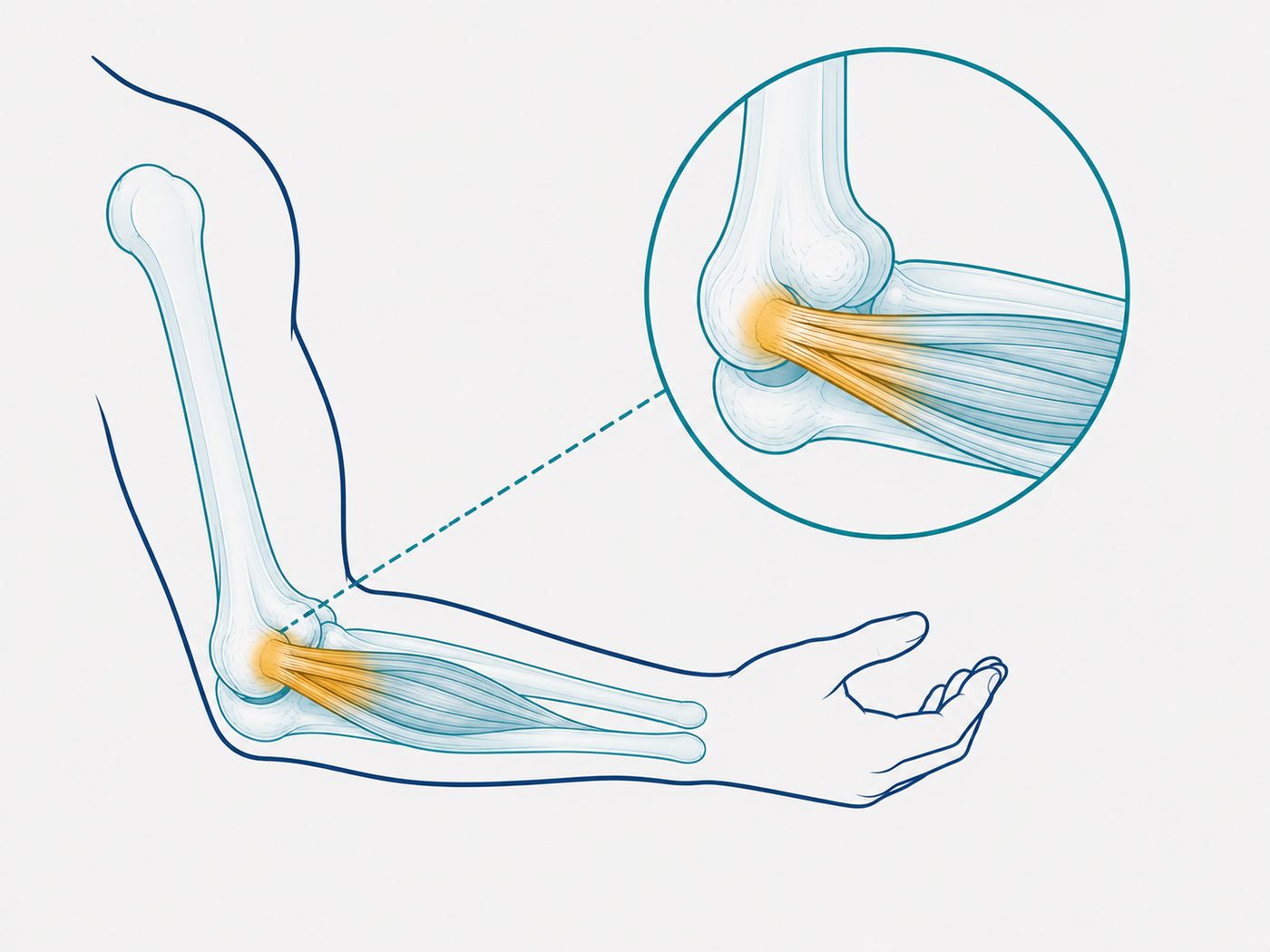
Tennis elbow: you don’t have to play tennis to suffer from it
Pain on the outer side of the elbow that appears when gripping, lifting or twisting the hand.
Most people with tennis elbow have never held a racket - the pain usually appears after prolonged work with a mouse, hand tools or repetitive wrist movements.
Most of the people who come to me with tennis elbow have never held a racket. The pain appears after prolonged work with the mouse, hand tools, strength training or repetitive wrist movements. At first it only bothers you during certain activities, and later even opening a bottle or lifting a kettle can hurt. The name is misleading, but the condition itself is very common in the general population.
What is tennis elbow?
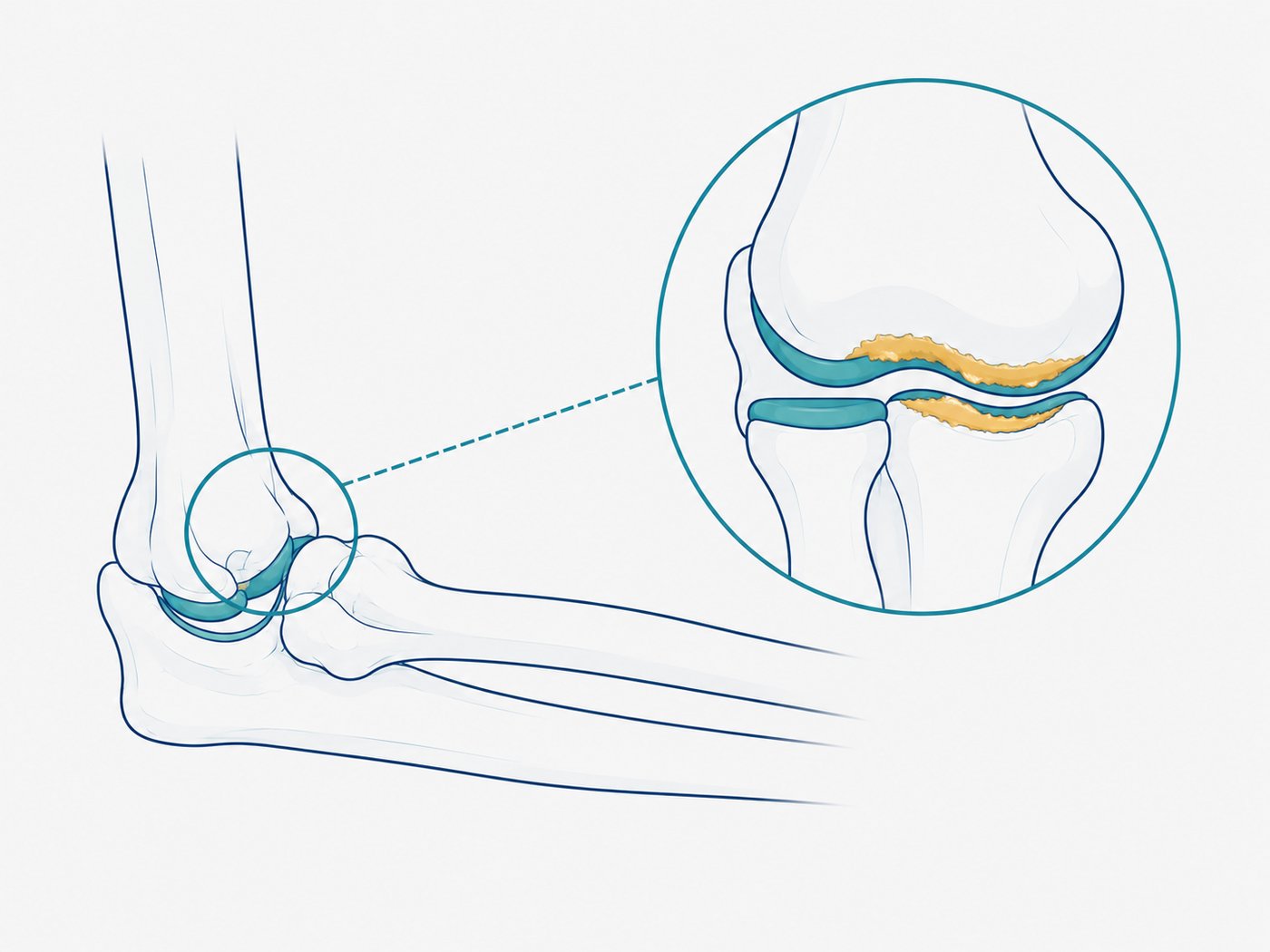
This is an irritation of the tendons connecting the forearm muscles to the outer side of the elbow - the opposite side to golfer’s elbow, but with a similar mechanism. It usually develops from repetitive load rather than a one-off event, which is why many people struggle to identify exactly when it started.
Notice whether the pain increases when you straighten the wrist upward while gripping (such as lifting a cup with the hand raised) - that is a characteristic movement which loads precisely the tendons involved.
How does it usually feel?
- Pain on the outer side of the elbow.
- Pain when gripping objects.
- Difficulty opening a jar.
- Pain when lifting bags.
- Tenderness to touch in the area.
How can physiotherapy help?
After an accurate assessment, we build a plan: load management, progressive strengthening that rebuilds the tendon’s tolerance, and guidance toward a safe return to work, sport, and daily activity. The goal is to treat what’s causing the pain, not just quiet it down temporarily.
Frequently asked questions
Not always. Sometimes temporary adjustments and a reduction in load are enough - for instance changing the height of the mouse or taking more frequent breaks.
Because the problem was first described in tennis players, but today it is far more common in the general population - especially in people who work long hours with their hands or at a computer.
It depends on how long you’ve had symptoms, the load involved, and how consistent you are with the rehab - the earlier you start, the faster it tends to go.
What’s worth remembering?
Tennis elbow is usually an overload injury rather than a problem that will disappear with rest alone. The right assessment and appropriate exercise can help you return safely to activity.
- This is an irritation of the tendons connecting the forearm muscles to the outer side of the elbow - the opposite side to golfer’s elbow, with a similar mechanism.
- It usually develops from repetitive load rather than a one-off event, which is why it is hard to identify exactly when it started.
- Pain that increases when straightening the wrist upward while gripping (such as lifting a cup) is a characteristic diagnostic movement.
Not sure if this is your situation? I’d be happy to give you a professional assessment and build a treatment plan that fits you.
Book a consultation callYou might also be interested in:
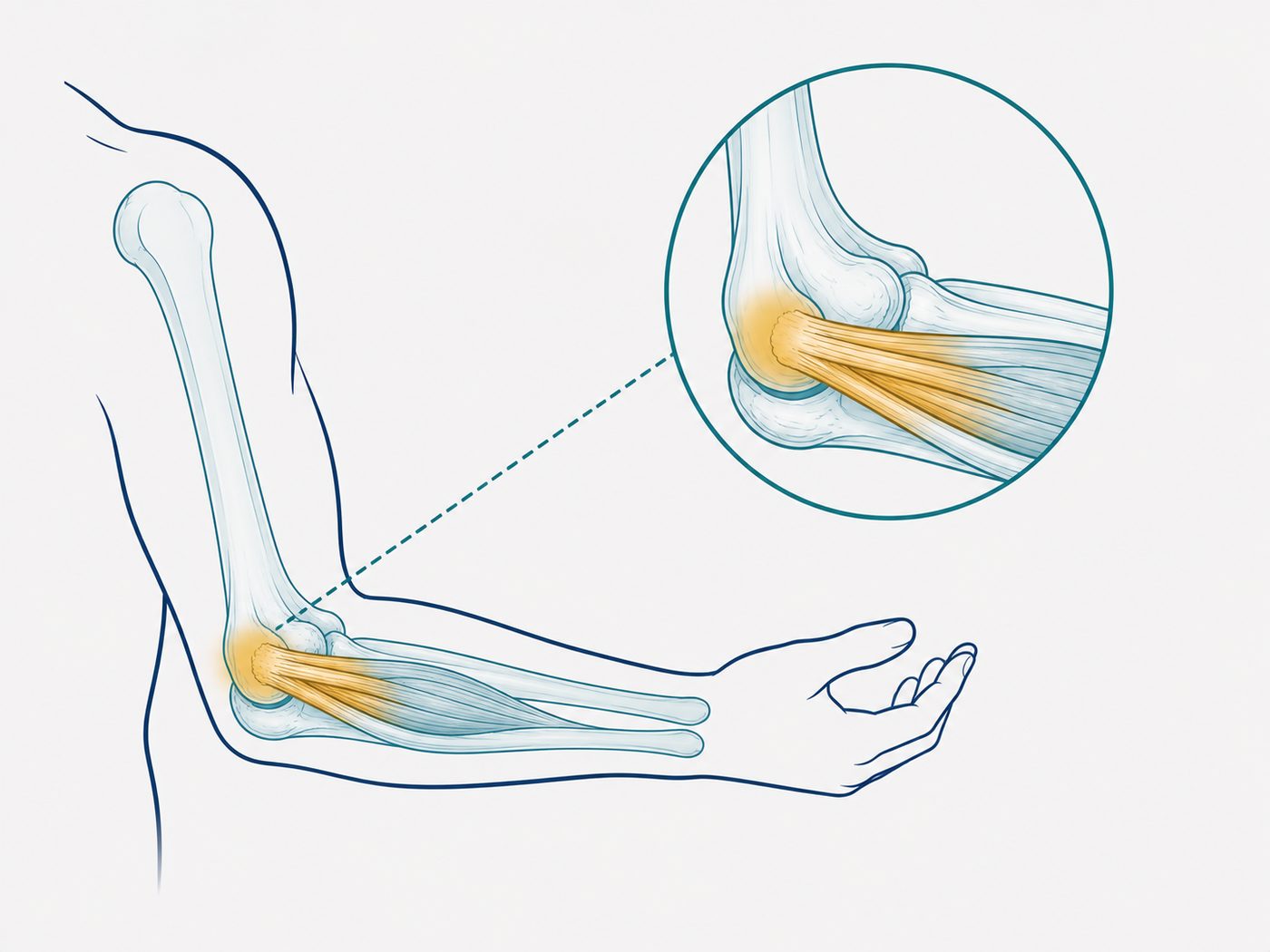
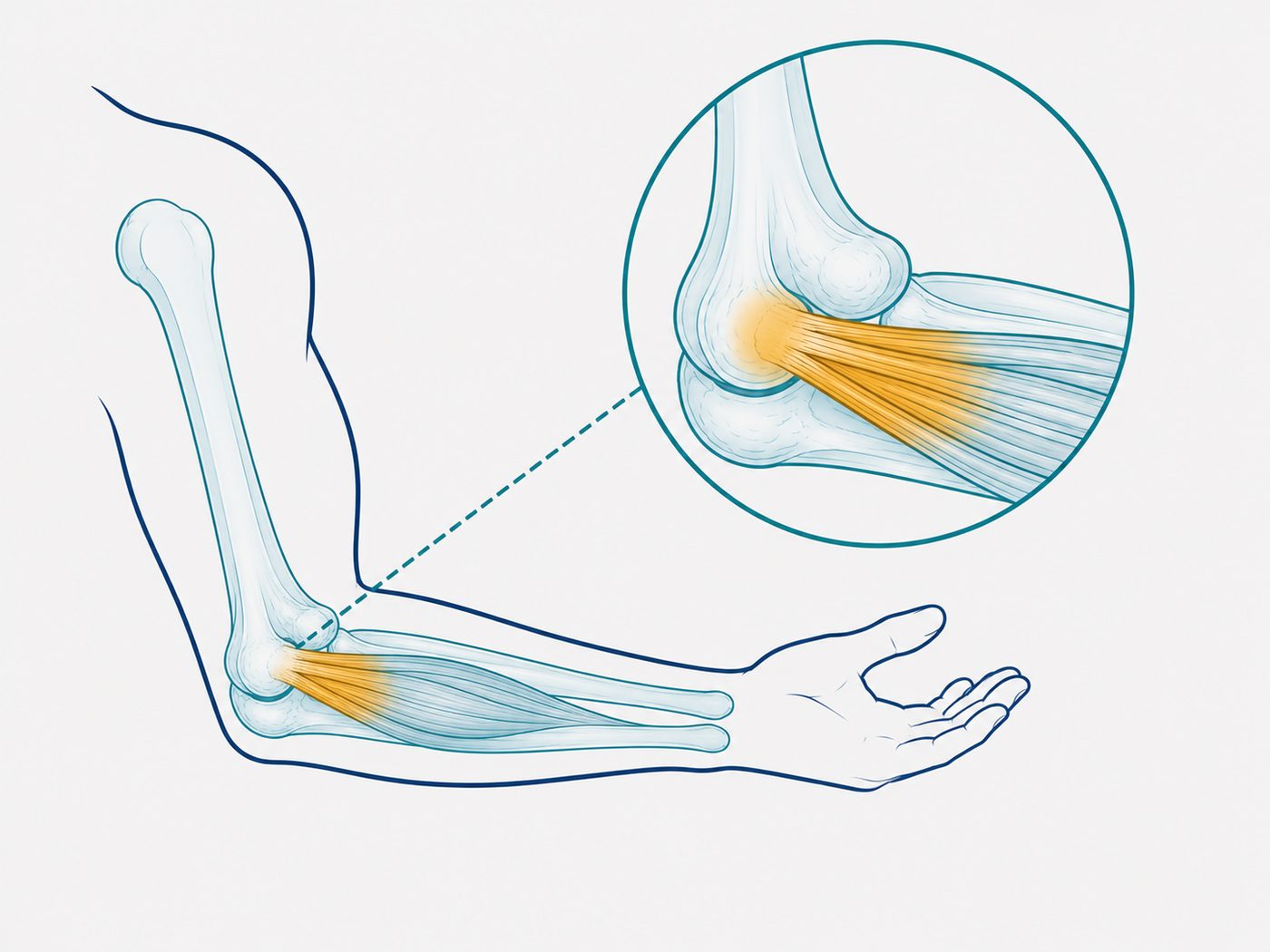
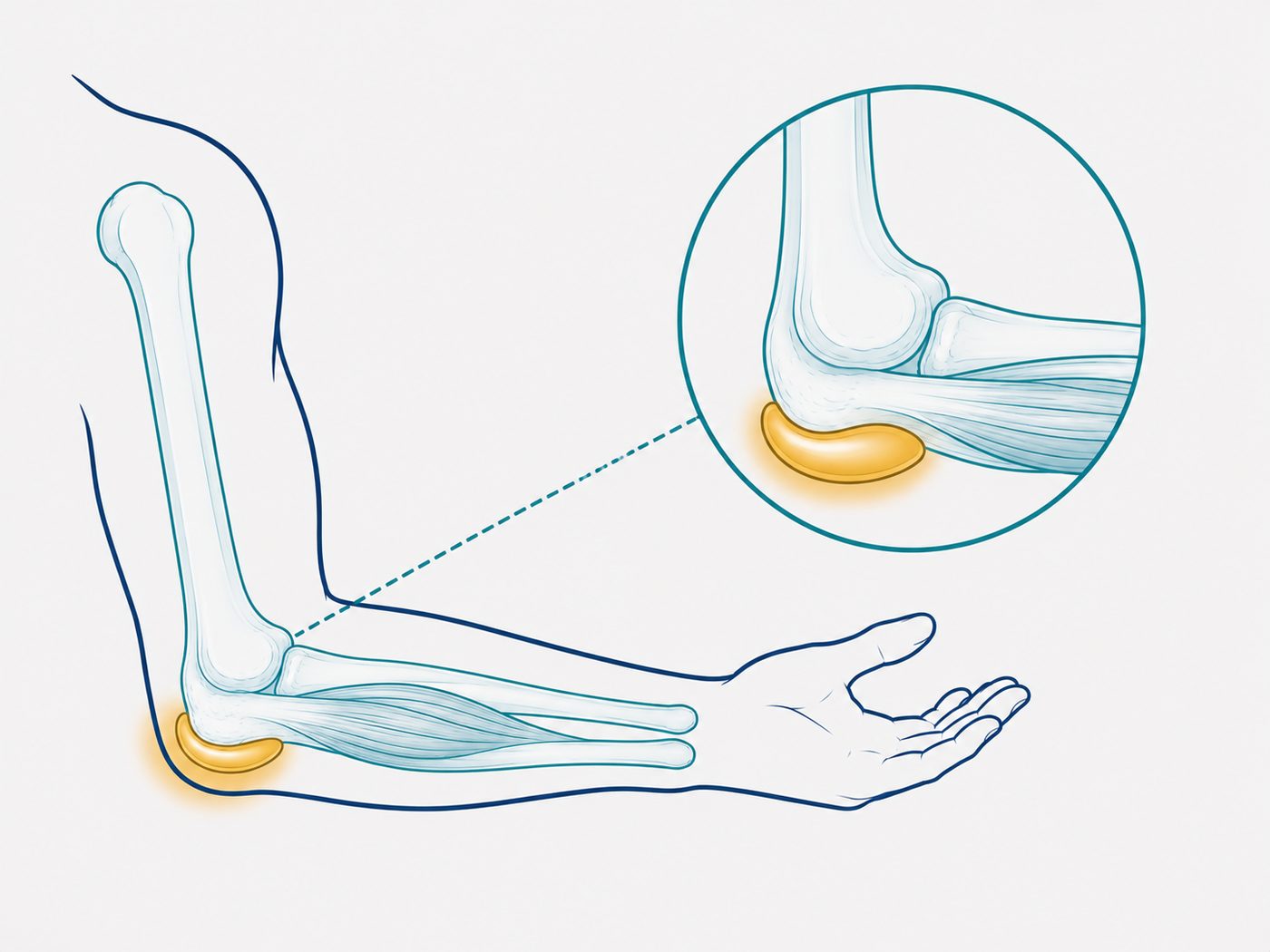
 Pain somewhere else?
Return to the interactive body map and pick an area
←
Pain somewhere else?
Return to the interactive body map and pick an area
←