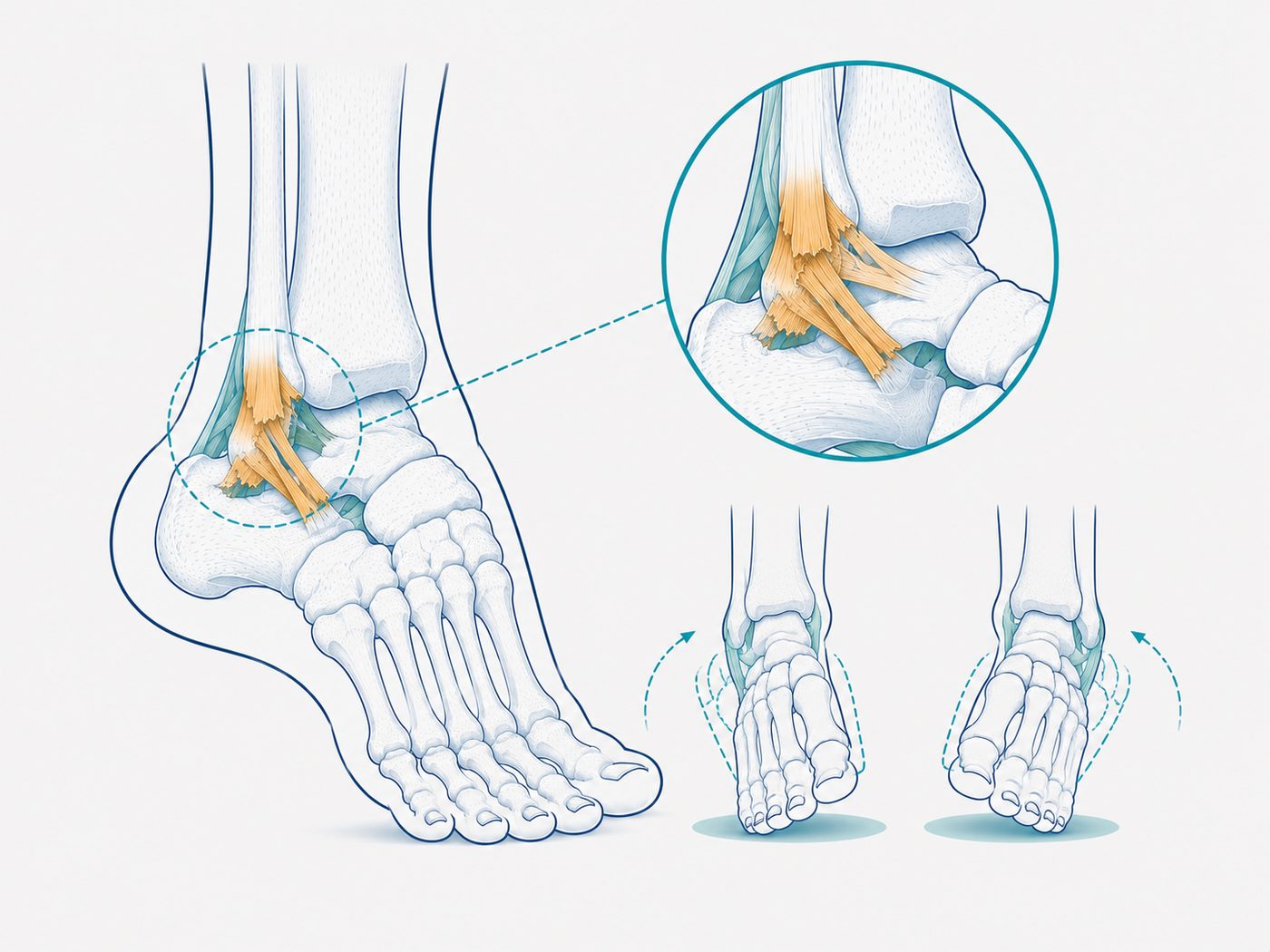
Ankle sprain: one of the most common injuries
Swelling, pain or difficulty bearing weight after rolling the ankle.
People often treat an ankle sprain as a minor injury that passes on its own - but proper rehabilitation, including balance work, is exactly the stage that prevents repeat sprains.
An ankle sprain can happen during sport, stepping off a curb or even one bad step. Although many people treat it as a minor injury, proper rehabilitation matters - it lowers the risk of repeat sprains and that unstable feeling.
What is an ankle sprain?
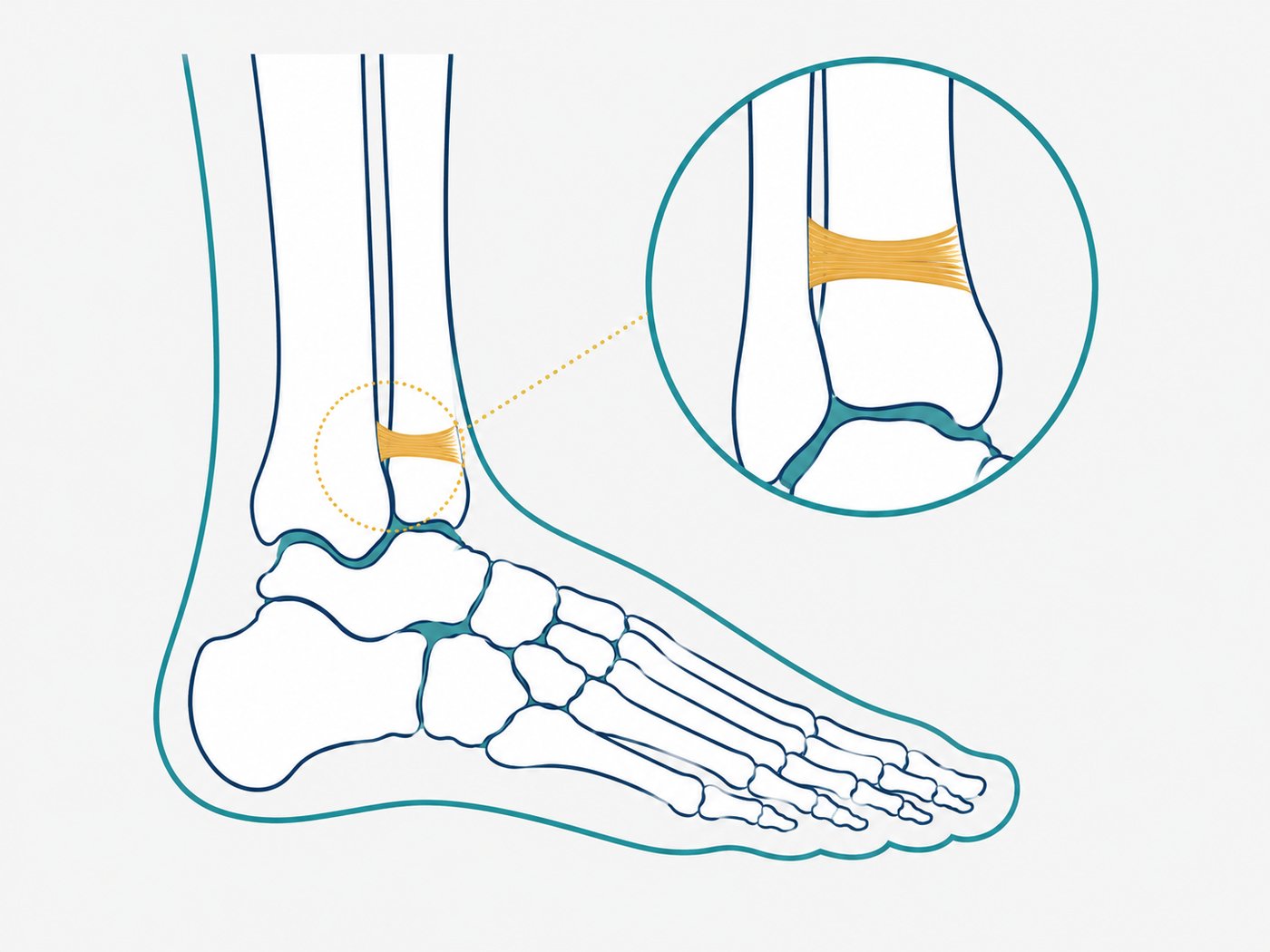
A sprain is a stretch or tear of one or more of the ligaments that stabilize the ankle. In most cases the injury is on the outer side of the ankle after the foot rolls inward - the classic movement of the ankle “opening up” on uneven ground or in an awkward landing.
In the first days after a sprain, gentle, controlled movement (within a pain-free range) beats complete rest - it keeps the joint mobile and shortens recovery, as long as there’s no suspicion of a fracture.
How does it usually feel?
- Immediate pain in the ankle.
- Swelling.
- Trouble putting weight on it.
- Bruising.
- A feeling of instability.
- You can’t bear any weight at all on the leg
- Sharp, pinpoint tenderness over the bone itself (not just the soft tissue)
- The swelling or bruising is unusually large
- The ankle looks deformed
How can physiotherapy help?
After an assessment, we build a rehab plan: restoring range of motion, strengthening the ankle and calf, balance and movement-control work, and preparing for a safe return to work or sport - that last stage is exactly what most people skip, and exactly what prevents repeat sprains.
Frequently asked questions
If there’s a lot of pain or you can’t put weight on it, get checked to rule out a fracture - there are clear clinical criteria for when an X-ray is really needed.
It depends on how the ankle functions, not just how much time has passed - two people with the same sprain can need completely different timelines.
Yes - especially if rehab wasn’t finished. That’s why it’s important to complete it, not just wait for the pain to go down.
What’s worth remembering?
Even if the pain eased after a few days, the ankle still needs rehabilitation. Proper treatment can help restore stability and confidence and prevent repeat injuries.
- An ankle sprain is a stretch or tear of the ligaments, usually following the foot rolling inward.
- Gentle controlled movement in the first days is preferable to complete immobilization, where there is no suspicion of a fracture.
- Full rehabilitation includes balance and movement-control work - the stage that most affects whether sprains keep coming back.
Not sure if this is your situation? I’d be happy to give you a professional assessment and build a treatment plan that fits you.
Book a consultation callYou might also be interested in:
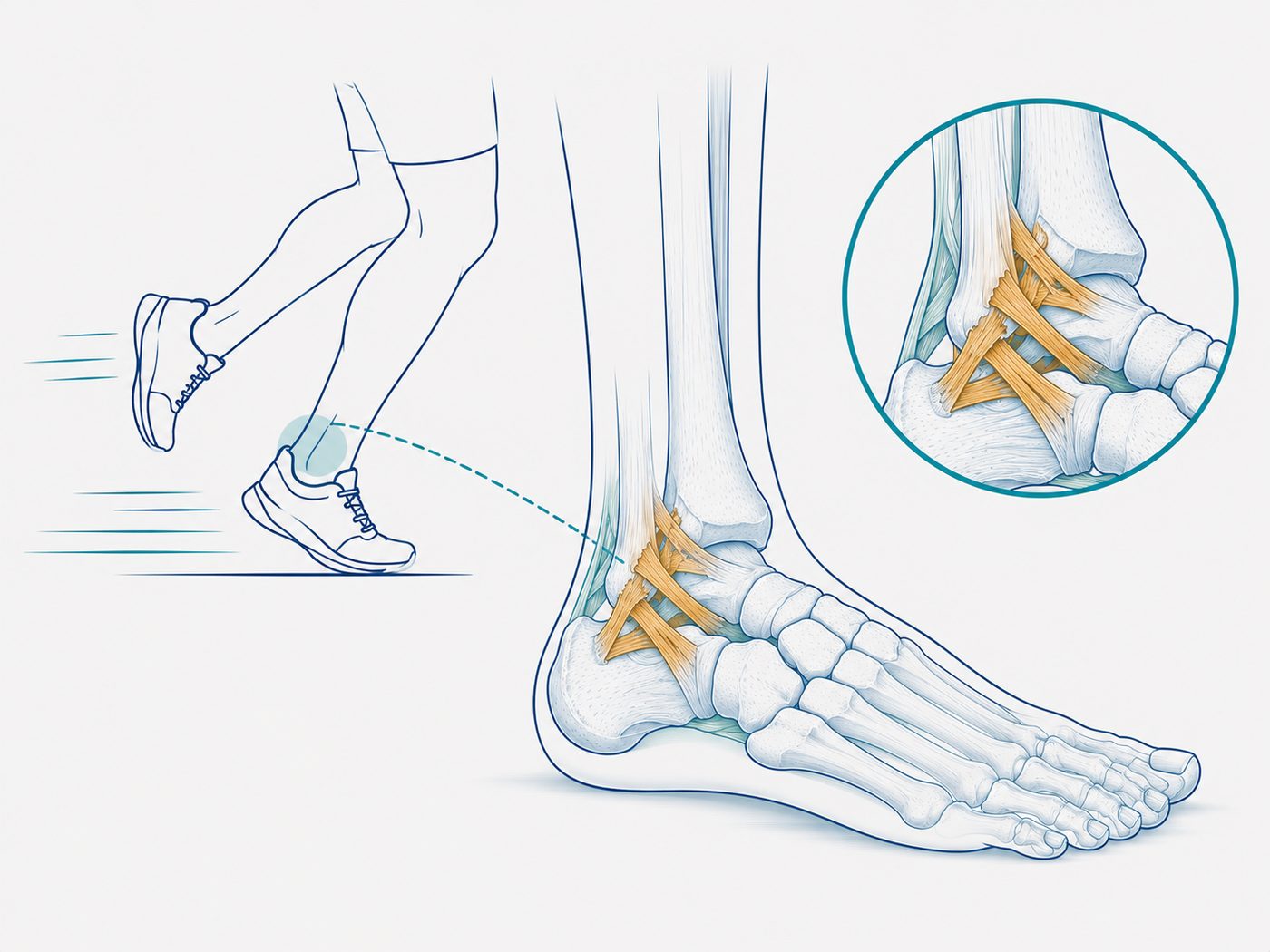
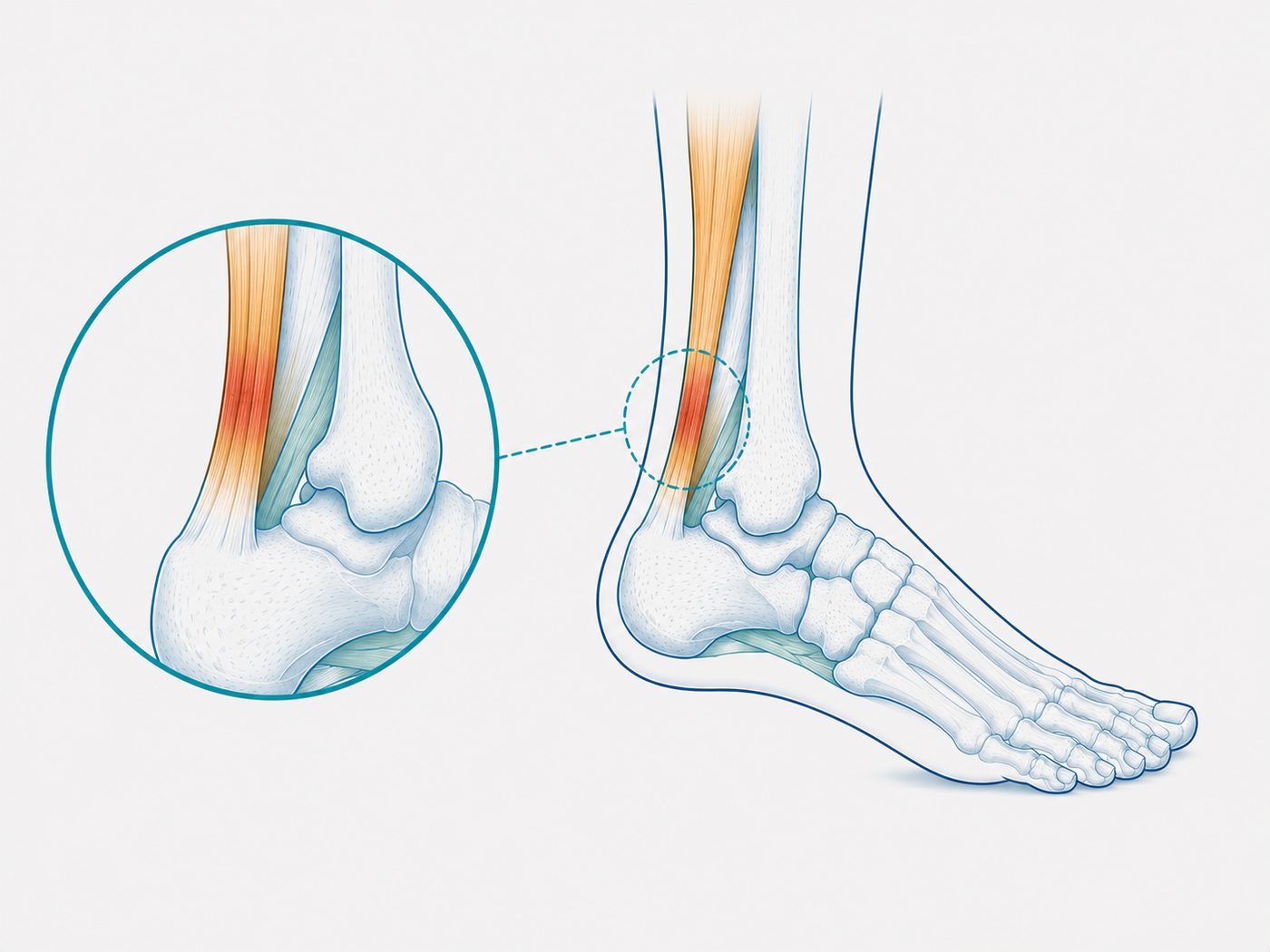
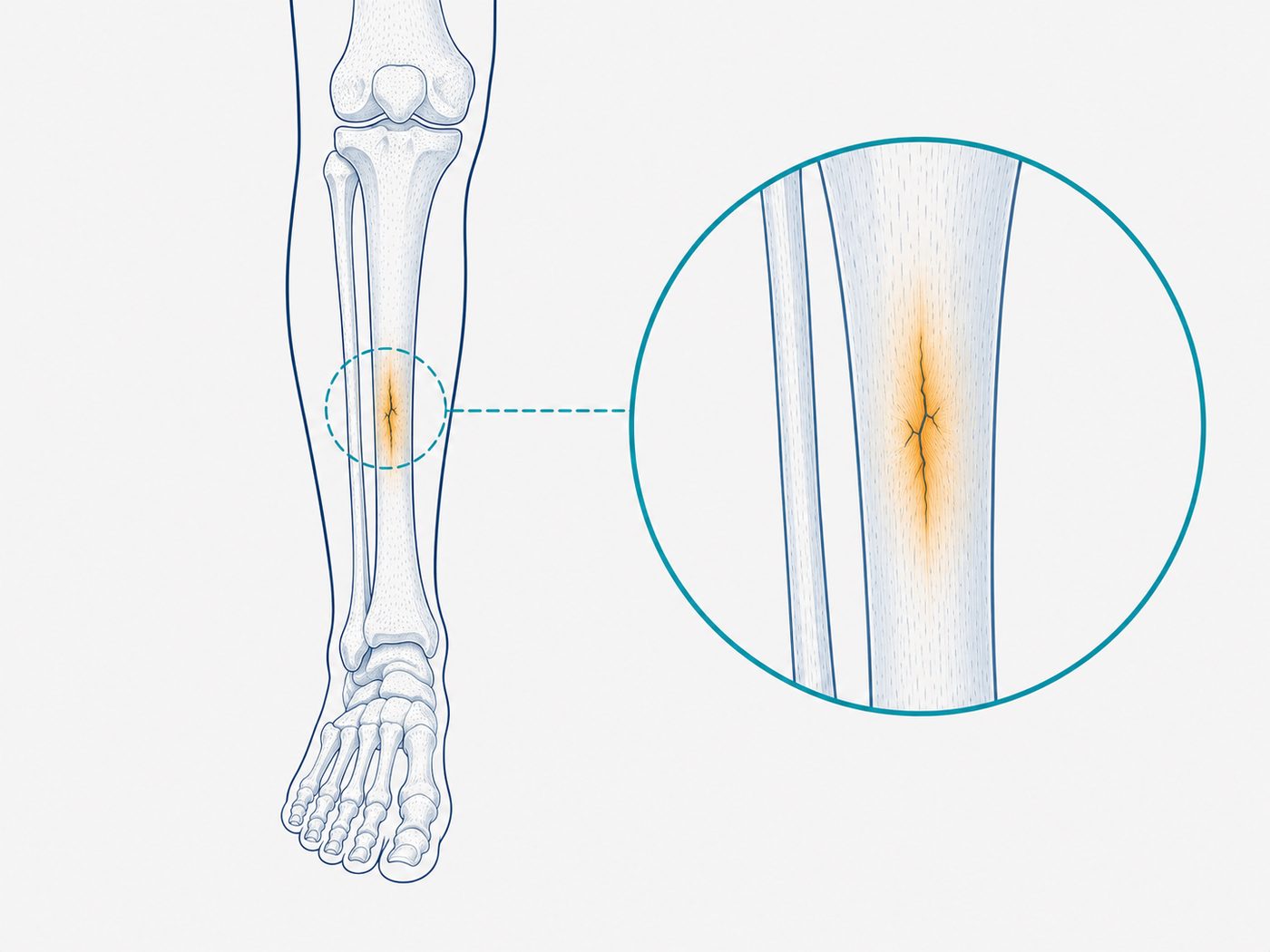
 Pain somewhere else?
Return to the interactive body map and pick an area
←
Pain somewhere else?
Return to the interactive body map and pick an area
←