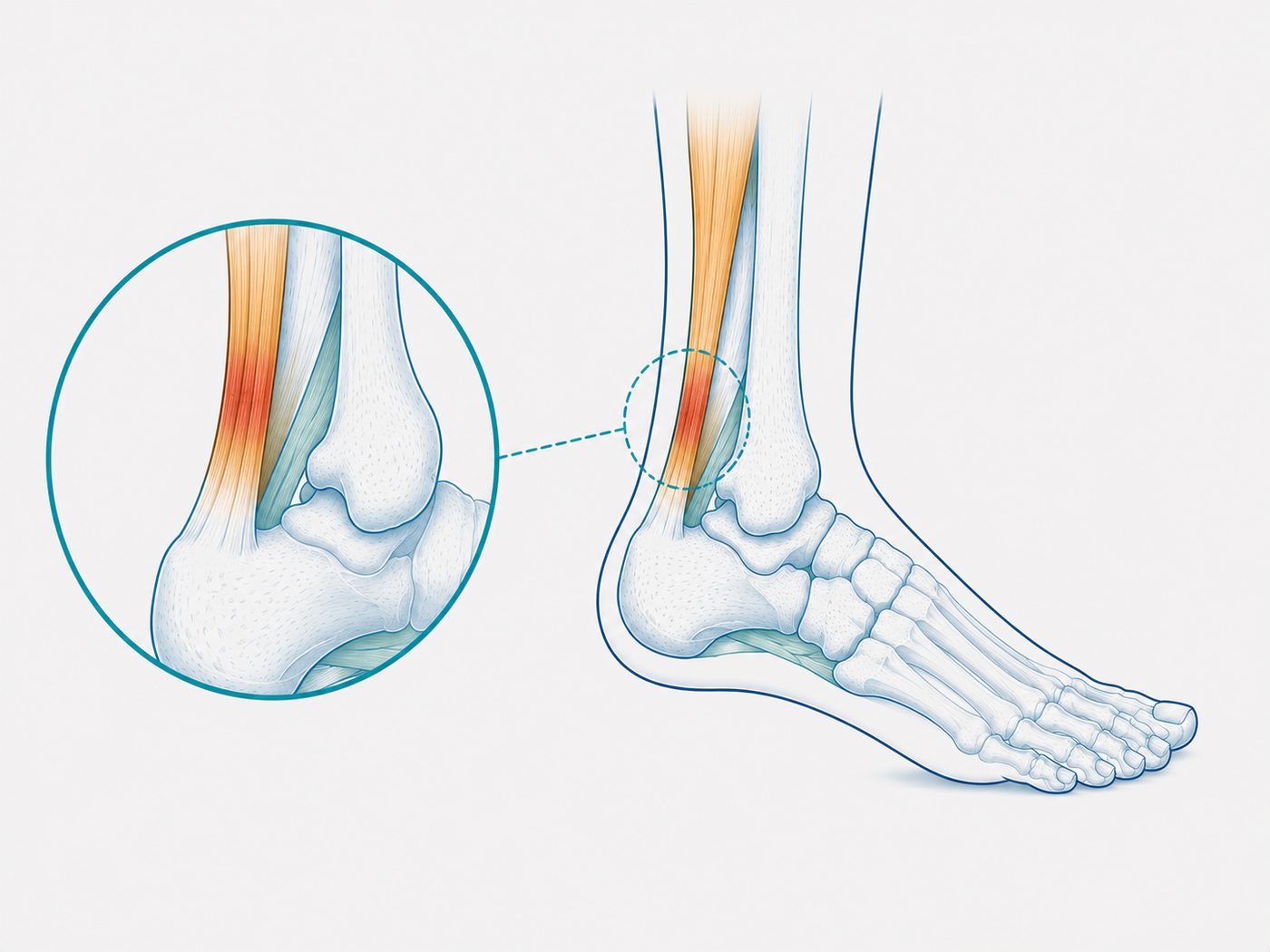
Achilles tendinopathy: why does every step hurt?
Pain that appears when walking, running or starting activity and changes through the day.
Pain above the heel that appears when walking or running, especially in the first steps of the morning, is usually a sign of overload on the Achilles tendon - and it responds well to a tailored loading and strengthening program.
If you have started feeling pain above the heel while walking, running or climbing stairs, the Achilles tendon may be responding to load. This is one of the most common injuries in runners, but by no means only in runners. A sharp change in activity, a return to training or load at work can all cause it. The characteristic pattern - strong pain in the first steps of the morning that eases within a few minutes - is usually the first clue that points me toward this diagnosis.
What is the Achilles tendon?
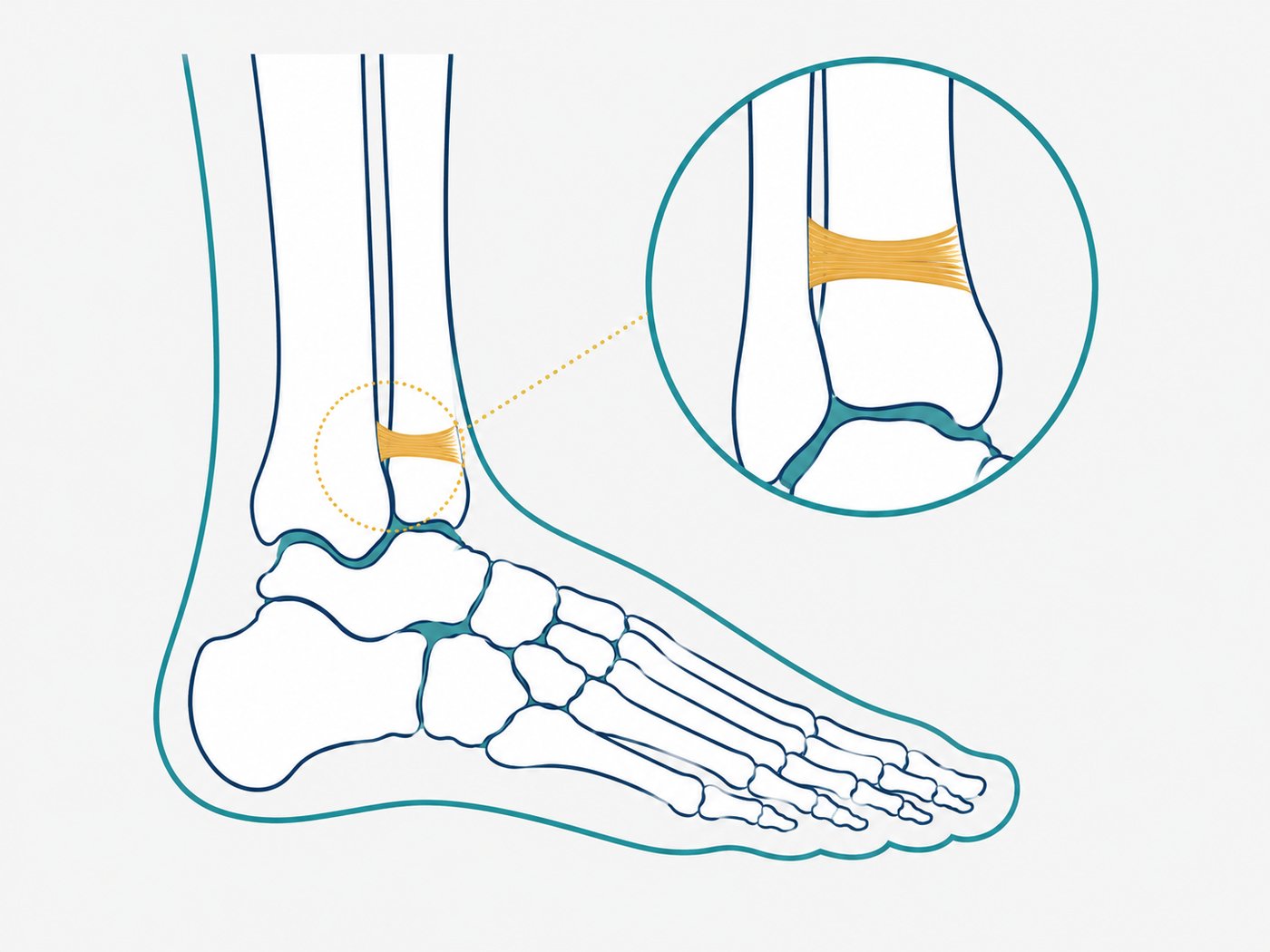
The Achilles tendon connects the calf muscles to the heel bone, and it is the strongest tendon in the body. With every step, jump or run it absorbs high loads - in running it is required to absorb loads that can reach several times body weight - which is why it matters to look after it with appropriate loading and gradual strengthening.
If the pain “disappears” after a few minutes of warming up and then returns after the activity, that isn’t a reason to ignore it. The temporary disappearance is misleading, but the tendon is still loaded and needs treatment, not just a warm-up.
How does it usually feel?
- Pain above the heel.
- Stiffness in the first steps of the morning.
- Tenderness to touch.
- Pain when running or jumping.
- Temporary improvement after warming up, with the pain returning later.
- A sudden “kick” sensation in the heel, usually with a “snap” sound
- Difficulty or inability to stand on tiptoe
- Sudden, extreme weakness in the foot
Why does it happen?
In most cases there is no single event that caused the problem. It’s usually a combination of load beyond the tendon’s current capacity, a change in training (such as a sudden switch to hill running) or returning to activity too quickly after a break.
How can physiotherapy help?
After a thorough examination, we build a plan: adjusted loads, progressive strengthening (mainly eccentric exercises, which work especially well for this tendon), and guidance toward a safe return to activity. The goal isn’t just less pain - it’s a tendon that handles load better over the long term.
Frequently asked questions
Not always. Sometimes you can continue activity while adjusting distance, pace and load - stopping completely isn’t always the best solution.
Ice may bring temporary relief, but it doesn’t address the cause. Proper rehabilitation is based mainly on load management and progressive exercise, not on symptomatic relief alone.
It varies from person to person - it depends on how long you’ve had symptoms and how consistently you do the rehab. Tendons heal more slowly than muscles, so patience is part of the process.
What’s worth remembering?
Achilles tendinopathy is usually the result of load rather than a “weak tendon”. With the right treatment, patience and gradual loading, a safe return to activity is achievable.
- The Achilles tendon responds to load beyond its capacity, usually following a sharp change in activity or returning to training too quickly.
- It’s identified by pain above the heel that improves temporarily with warming up and returns after activity.
- A sudden “kick” sensation with a “snap” sound and difficulty standing on tiptoe require immediate assessment to rule out a complete rupture.
Not sure if this is your situation? I’d be happy to give you a professional assessment and build a treatment plan that fits you.
Book a consultation callYou might also be interested in:
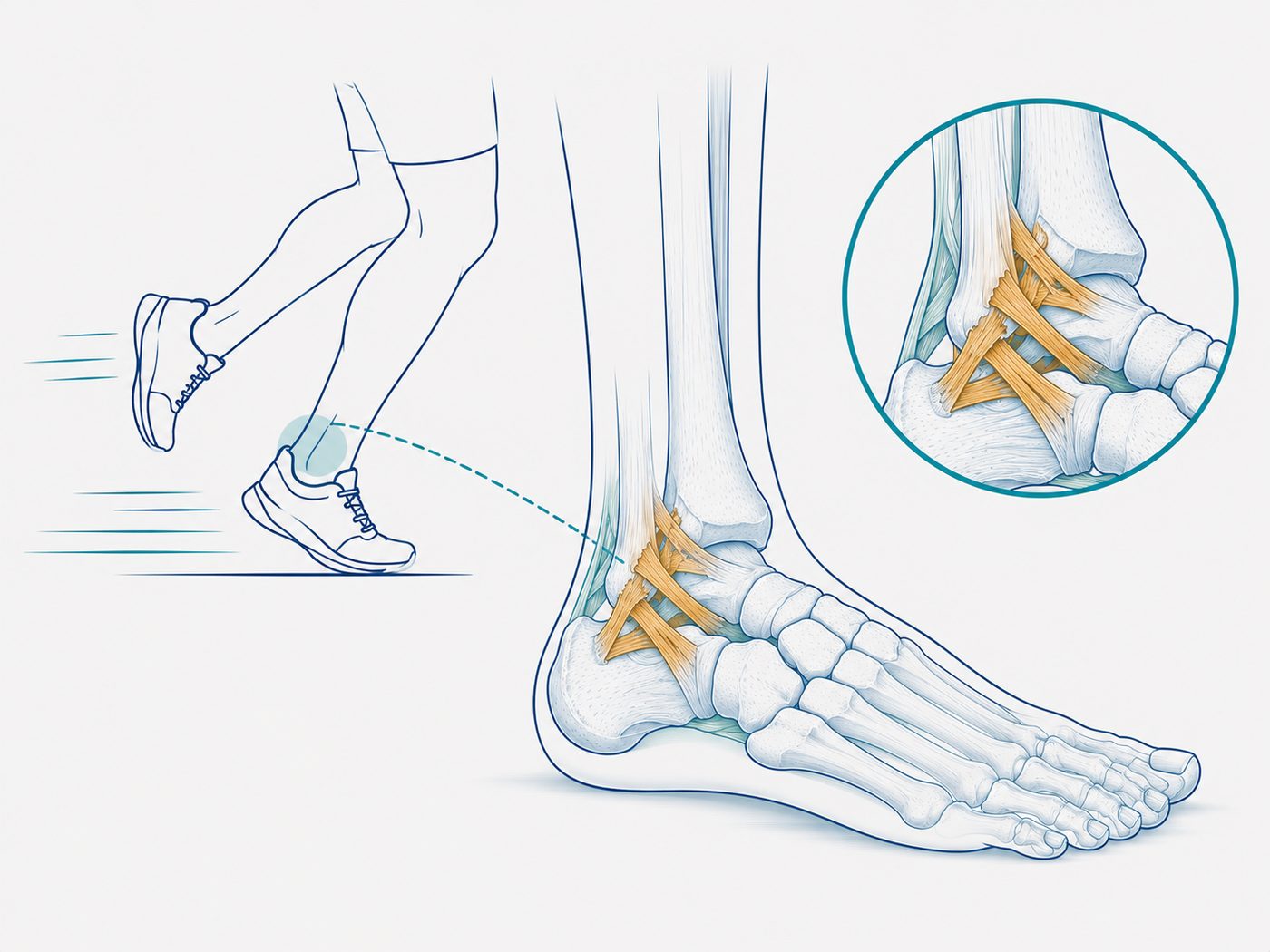
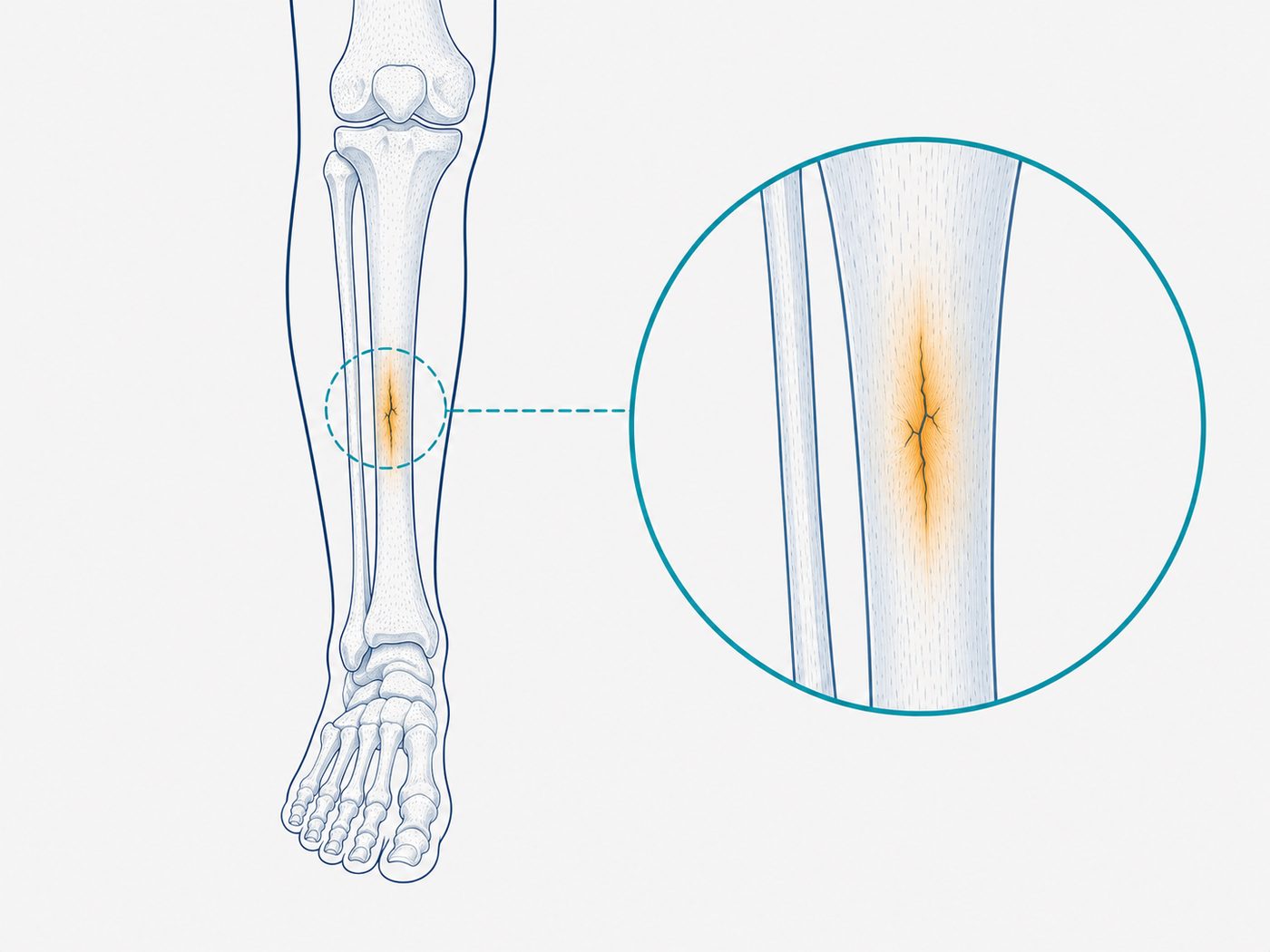
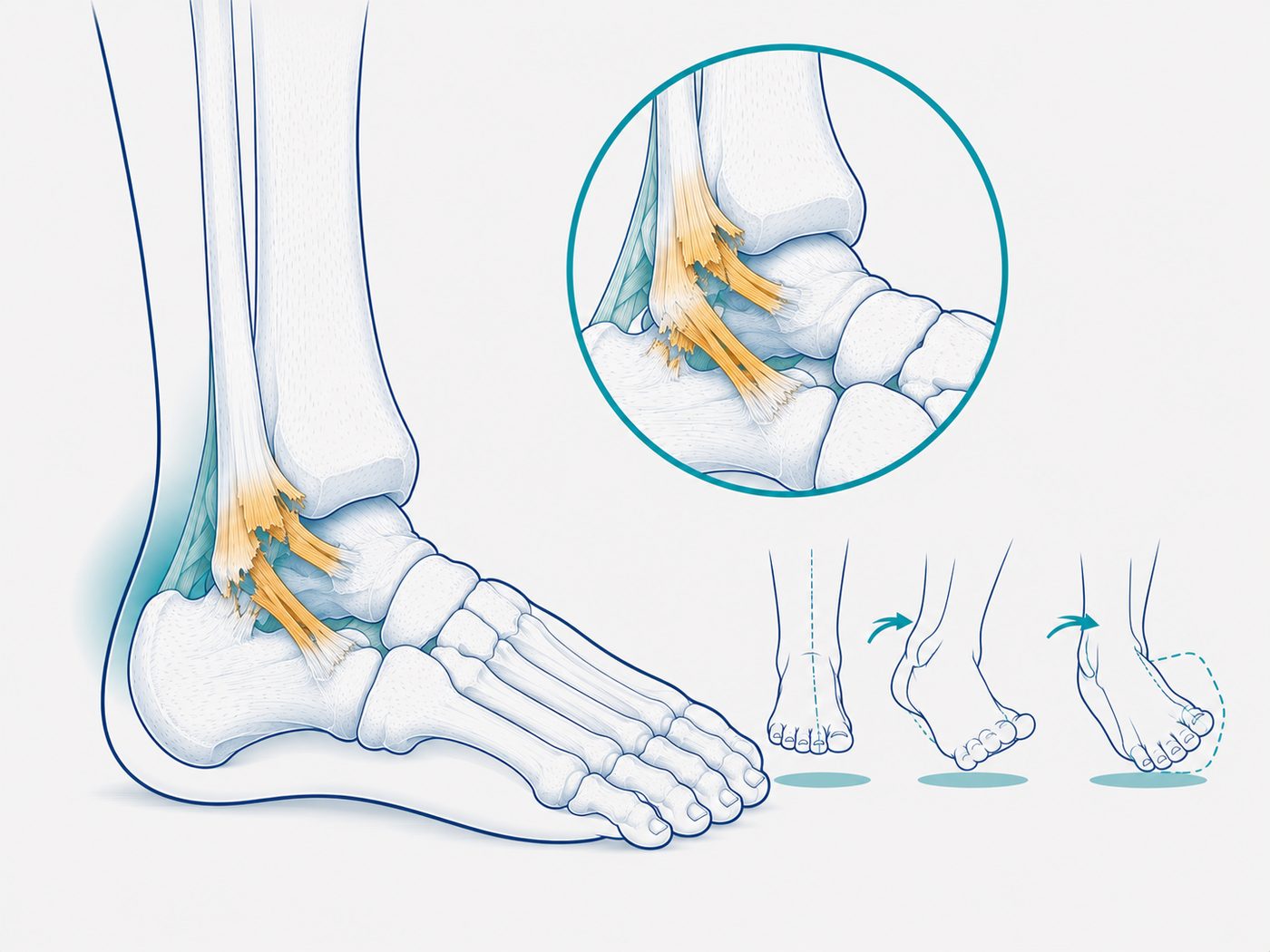
 Pain somewhere else?
Return to the interactive body map and pick an area
←
Pain somewhere else?
Return to the interactive body map and pick an area
←