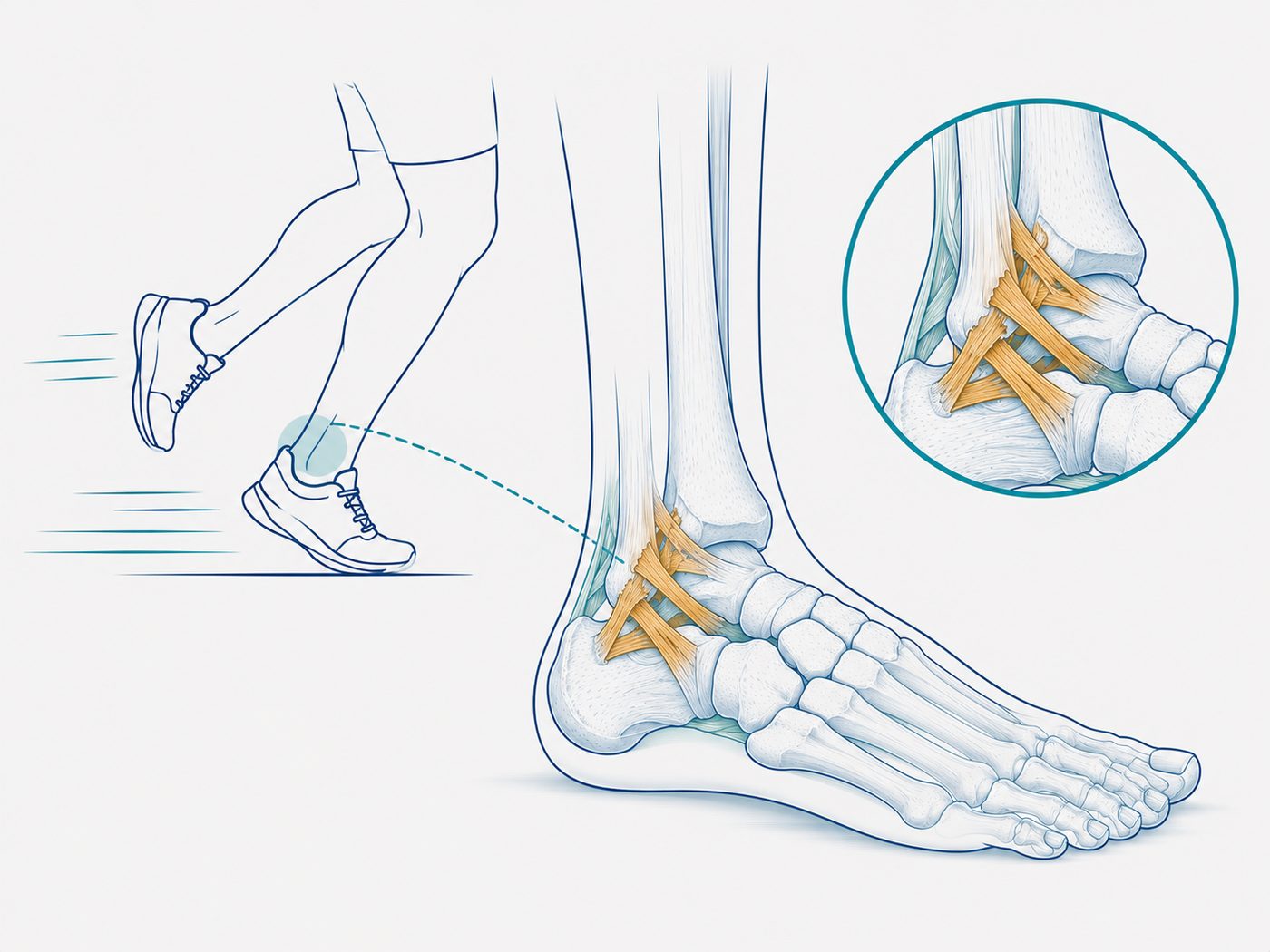
When is it safe to run again after an ankle sprain?
After an ankle sprain, return to running safely and in stages.
“When can I run again?” is usually the first question asked after an ankle sprain - and the answer doesn’t depend on the number of days that have passed, but on the actual state of the ankle.
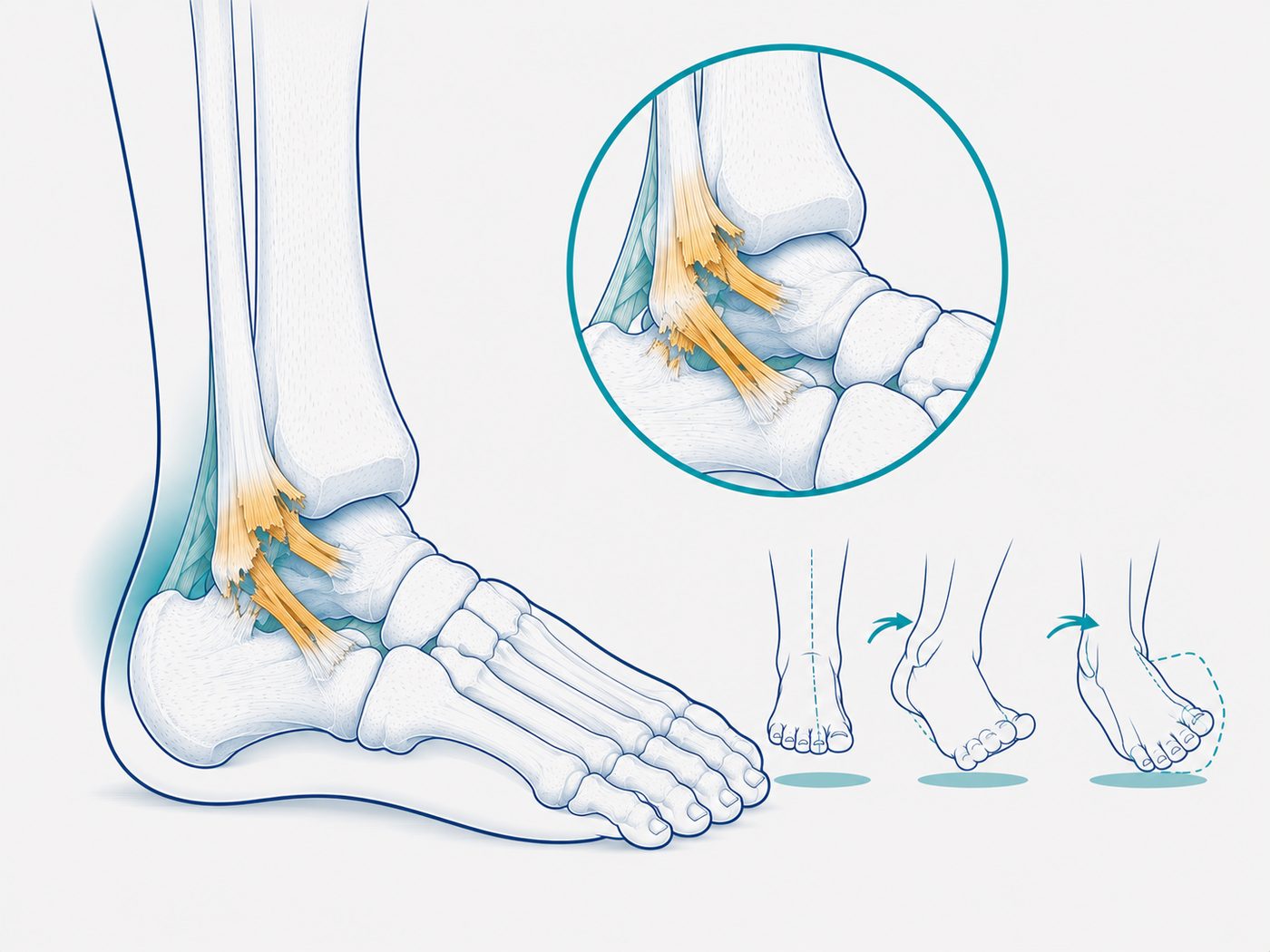
An ankle sprain is one of the most common injuries among runners, footballers, basketball players, and people who train in general. In most cases it’s damage to the ligaments that stabilize the ankle after a sharp twist of the foot. The pain often settles within a few days - but full recovery takes longer, and returning to running too early can lead to a repeat sprain, lasting pain, or a feeling of instability. “When can I go back to running?” is one of the first questions I hear - sometimes already at the first appointment - and the eagerness to get back is completely understandable.
When can I get back to running?
One of the most common questions is: “When can I run again?” The answer doesn’t depend on the number of days that have passed since the injury, but on the state of the ankle and its capacity to handle load.
Before returning to running, make sure the swelling has clearly come down, the range of motion is almost full, you can walk briskly without real pain, and strength and balance are back to a good level. You should also be able to stand on one leg, rise onto tiptoe, do light jumps, and change direction without real pain or a feeling of instability.
How do you return to running safely?
When the ankle is ready, return gradually. Start with brisk walking, move to alternating walking and light running, then extend the run and raise the pace according to how the ankle responds. If real pain, new swelling, or a limp appear after training - reduce the load and give the ankle more time to recover.
During rehab, don’t focus only on reducing pain. Strengthening the ankle and calf muscles, improving balance, practicing movement control, and jump-and-landing training are all a real part of a safe return to running. Studies show that people who don’t complete structured rehab are at higher risk of repeat sprains and chronic ankle instability.
Physiotherapy can help at every stage of recovery - from reducing pain and swelling, through rehabilitating range of motion and strength, to building a return-to-running program matched to the state of the ankle and the activity level of each patient. The aim of rehabilitation isn’t only to get back to running, but also to reduce the risk of repeat injury as far as possible and allow a safe return to the activity you love.
- Returning to running too early can lead to a repeat sprain, persistent pain or a feeling of instability.
- Before returning it is worth making sure the swelling has come down, the range of motion is almost full, and you can walk at a brisk pace without pain.
- Being able to stand on one leg, rise onto tiptoe and perform light jumps without pain or instability indicates readiness for a gradual return.
Not sure if this is your situation? I’d be happy to give you a professional assessment and build a treatment plan that fits you.
Book a consultation callYou might also be interested in:
 Pain somewhere else?
Return to the interactive body map and pick an area
←
Pain somewhere else?
Return to the interactive body map and pick an area
←