TMJ disorder: when every bite or yawn hurts
Pain, clicking or difficulty opening the mouth at the jaw joint - a very common condition that physiotherapy can help significantly.
TMJ disorder (TMJ/TMD) is one of the most common problems that almost nobody thinks of physiotherapy as a solution for - and it is estimated to affect around 20% of the adult population.
If you have pain in the area just in front of the ear, clicking or “popping” when opening the mouth, or difficulty opening the mouth wide - this may be TMJ disorder (TMJ/TMD), one of the most common problems that almost nobody thinks of physiotherapy as a solution for.
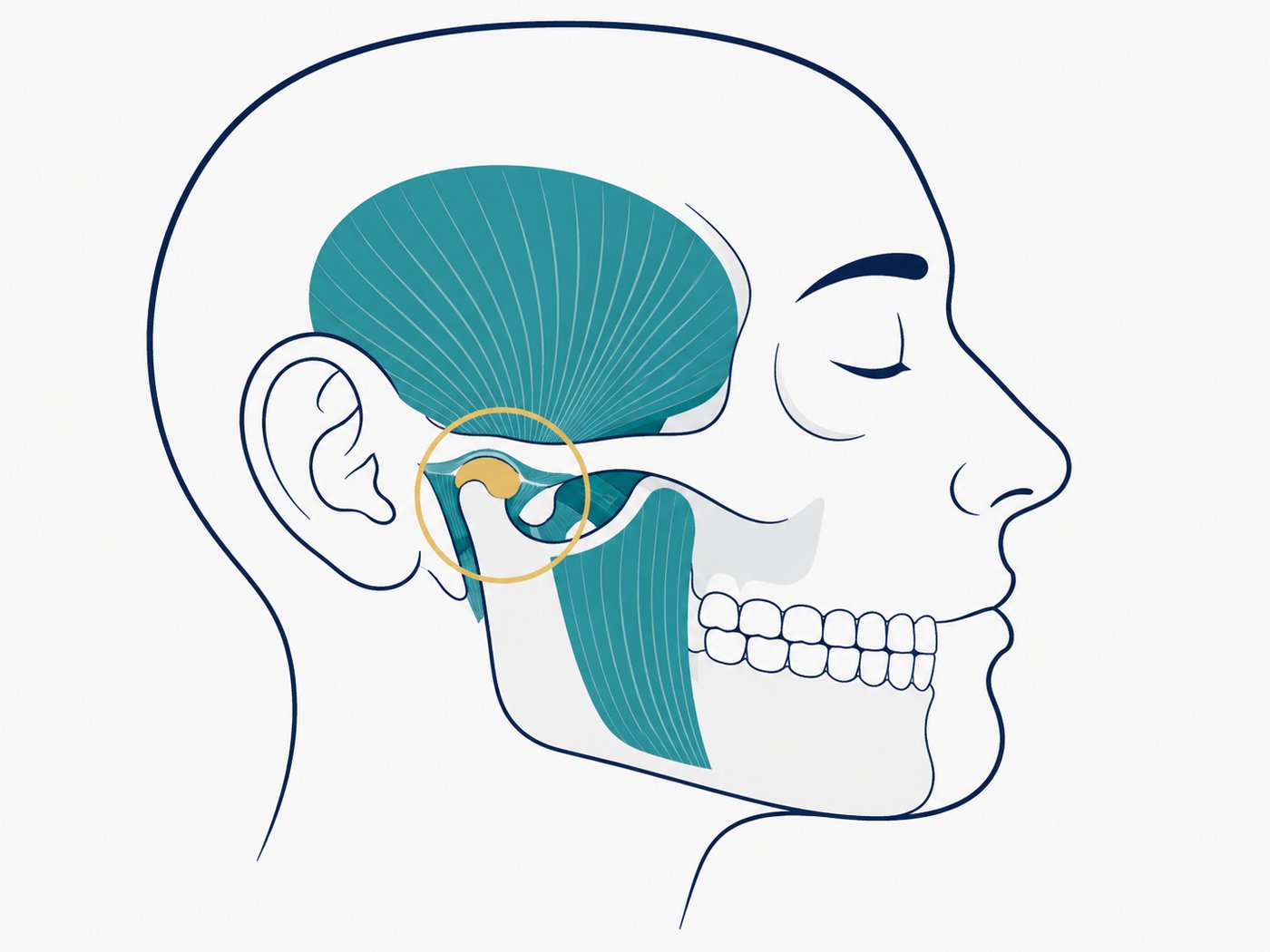
The jaw joint (the temporomandibular joint) is a ball-and-socket joint, exactly like the shoulder or the hip - and so, like any other joint in the body, it too can take on overload, muscle tension, and inflammation. The disorder is particularly common in women, and is estimated to affect around 20% of the adult population.
How does it usually feel?
Symptoms can vary, but many describe:
- Pain or tenderness in front of the ear, in the jaw or in the cheeks.
- Clicking, popping or a “grinding” sensation when opening and closing the mouth.
- Difficulty or pain opening the mouth wide, for example taking a large bite.
- Headache, mainly around the temples, that is worse in the morning.
- Sometimes temporary locking of the jaw in an open or closed position.
Notice whether you wake in the morning with jaw pain or a headache around the temples - that points strongly toward teeth grinding or jaw clenching during sleep, which is one of the most common causes.
What causes TMJ disorder?
The causes usually involve a combination of jaw clenching or teeth grinding (bruxism), mainly during sleep or under stress, poor head and neck posture that loads the jaw joint, and sometimes habits such as prolonged gum chewing or nail biting. Psychological stress and anxiety are also clearly linked to worsening symptoms.
How can physiotherapy help?
Physiotherapy treatment always includes the neck and shoulder blades, not only the jaw itself - because there is usually a close connection between them. Treatment combines manual release of the chewing and neck muscles, exercises to improve jaw movement, and guidance on reducing daily load, such as avoiding opening the mouth extremely wide or chewing gum for long periods.
Sometimes, in combination with a dentist, a night guard is also recommended to prevent damage from teeth grinding alongside the physiotherapy treatment.
When should you get checked?
If the jaw locks completely and you can’t open or close the mouth, there’s marked swelling or fever around the joint, or the pain comes with real hearing problems - see a doctor or an oral and maxillofacial surgeon.
Frequently asked questions
Yes, closely - the neck and jaw muscles work together, which is why effective treatment almost always addresses both.
Not always, but it’s one of the most common causes, so check it - especially if the pain is worst in the morning.
Almost never. Most cases respond well to conservative treatment - physiotherapy, sometimes combined with a night guard.
What’s worth remembering?
TMJ disorder is far more common than people think, and physiotherapy - which also addresses the neck - is an effective first line of treatment.
- The jaw joint is a ball-and-socket joint exactly like the shoulder or the hip, and so it can take on overload, muscle tension, and inflammation in the same way.
- It’s identified by pain in front of the ear, clicking when opening the mouth, and headaches around the temples that are worse in the morning.
- Waking with jaw pain or a headache around the temples points strongly toward teeth grinding or jaw clenching during sleep.
Not sure if this is your situation? I’d be happy to give you a professional assessment and build a treatment plan that fits you.
Book a consultation callYou might also be interested in:
 Pain somewhere else?
Return to the interactive body map and pick an area
←
Pain somewhere else?
Return to the interactive body map and pick an area
←