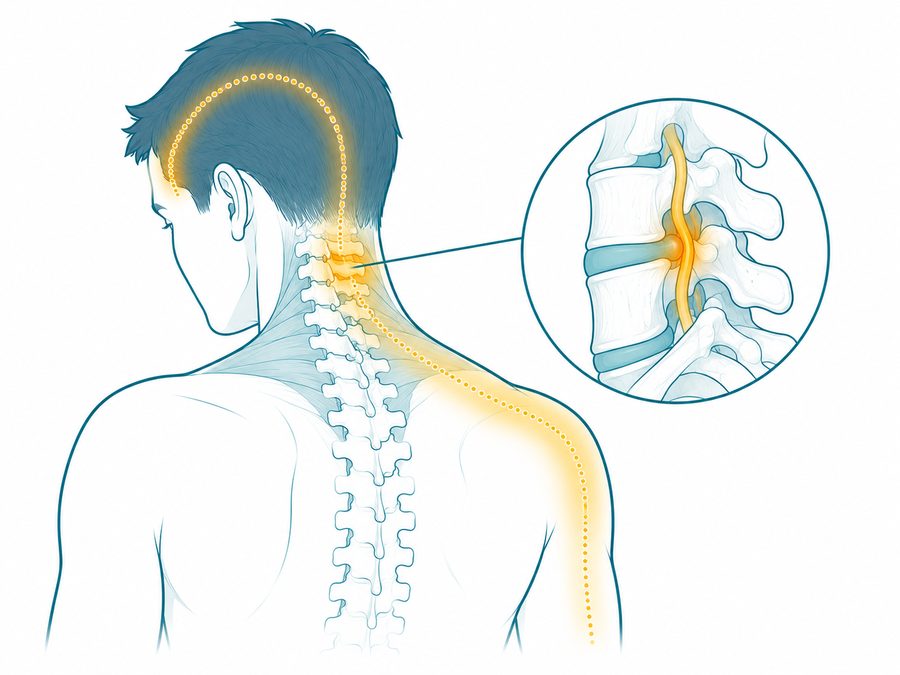
Cervicogenic headache: not every headache starts in the head
Headaches accompanied by neck pain or stiffness that worsen with certain movements.
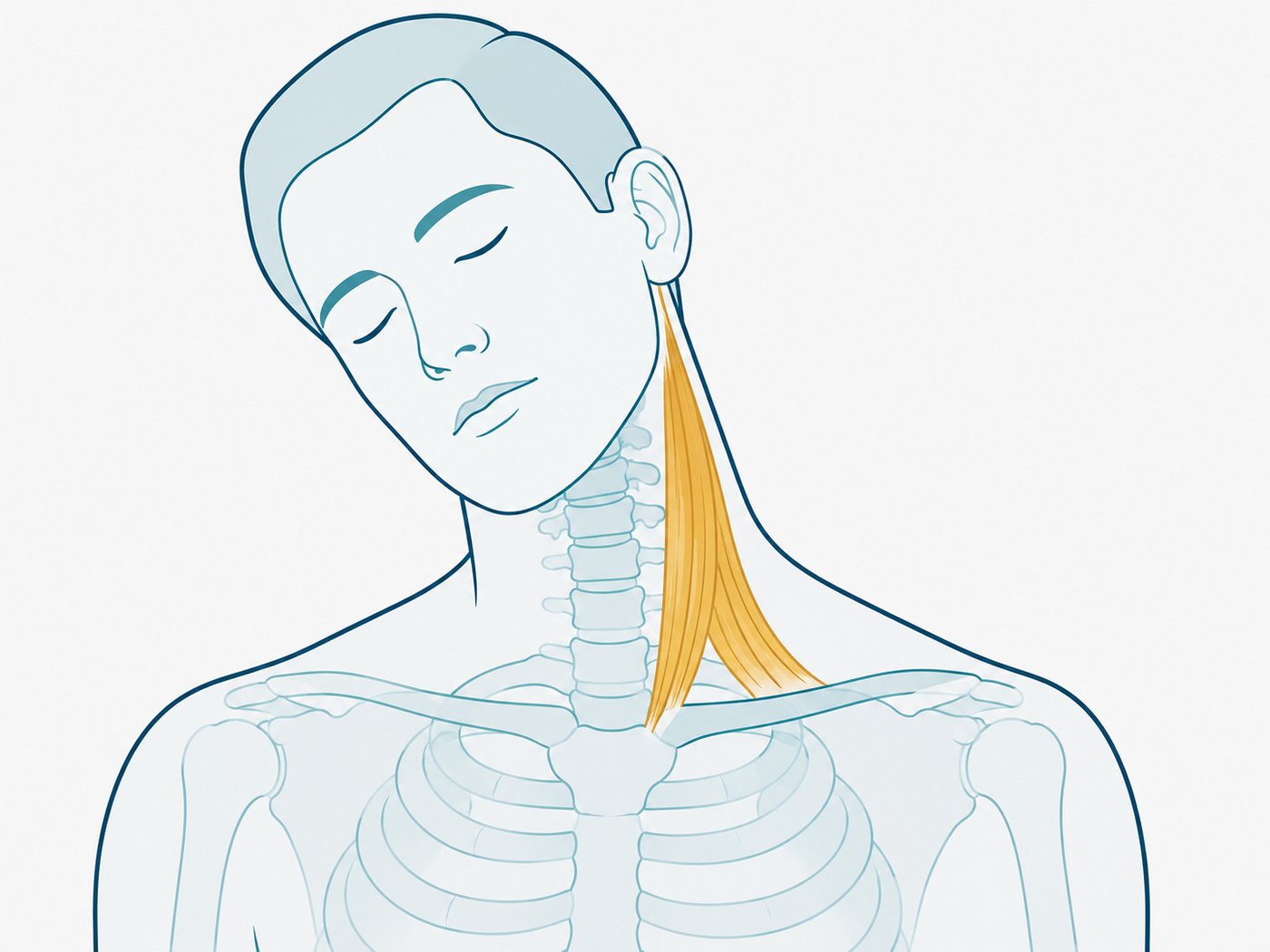
Headaches can originate in the neck - a point that surprises many patients who come in because of a headache and discover that treatment actually focuses on the neck, because neck movements make the pain worse.
Headaches can have many causes. In some people the source of the pain is actually in the neck, which is why certain movements, prolonged sitting or load on the neck muscles can increase the symptoms. This is a point that surprises many patients - they come to me because of headaches, not neck pain, and are astonished to find that treatment actually focuses on the neck.
What is a cervicogenic headache?
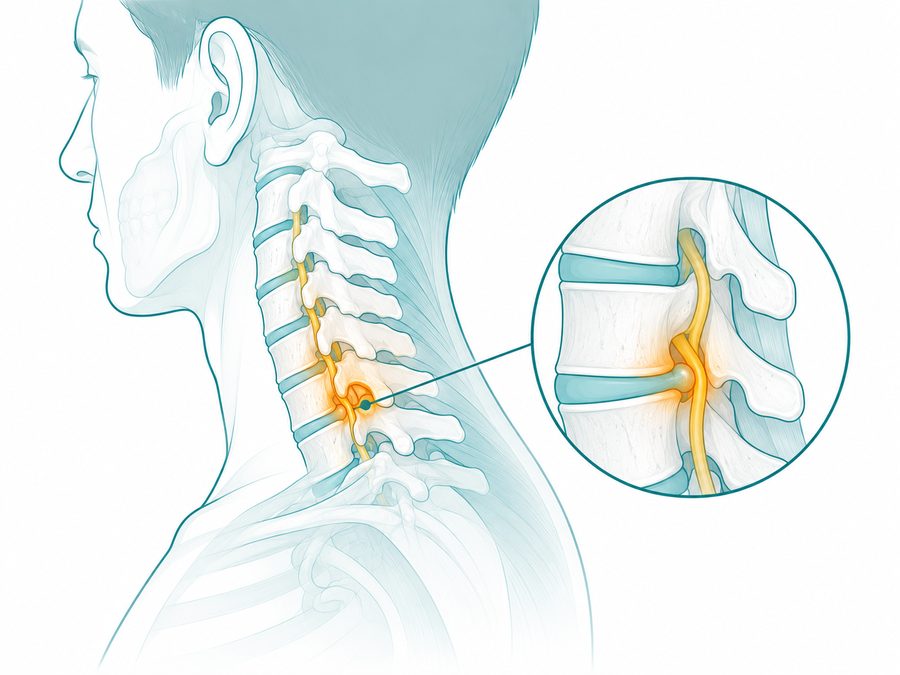
This is a headache originating in various structures in the neck area, such as joints, muscles or other tissues. The pain may start at the base of the skull and travel toward the head or around the eye. The main difference from an “ordinary” headache is that it almost always responds to the movement or position of the neck - if turning the head in a particular direction increases the pain, that is an important sign that guides me toward the diagnosis.
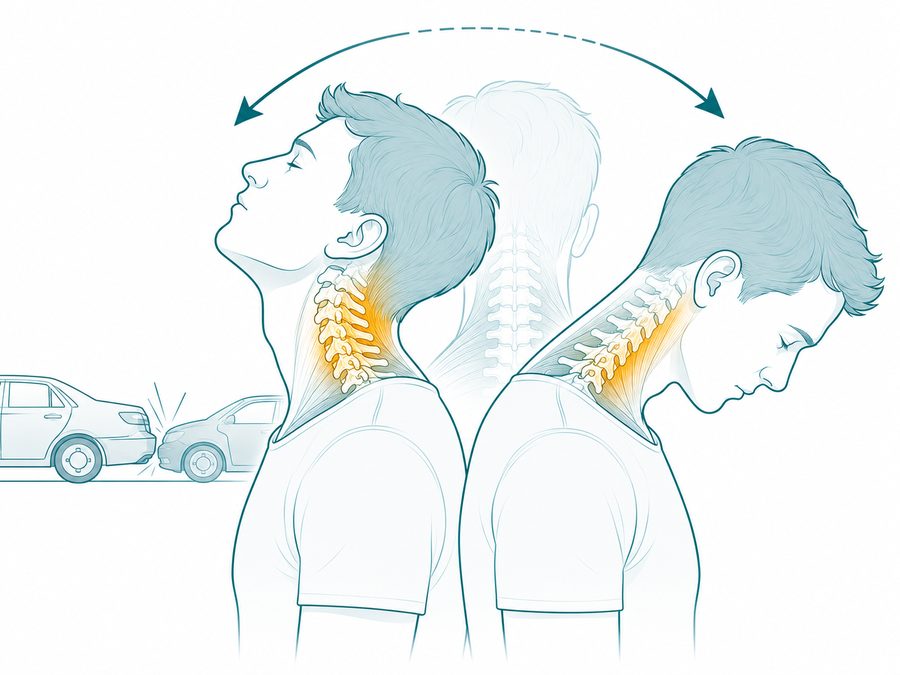
Try slowly turning your head from side to side and tilting it forward and back - if these movements reproduce or intensify your headache, that is a good sign that the source really is in the neck, and worth telling me during the assessment.
How does it usually feel?
The most characteristic signs I identify in patients:
- Pain that starts at the base of the skull.
- Stiffness in the neck.
- Pain on one side of the head.
- Worsening with neck movements.
- Tenderness in the neck muscles.
How can physiotherapy help?
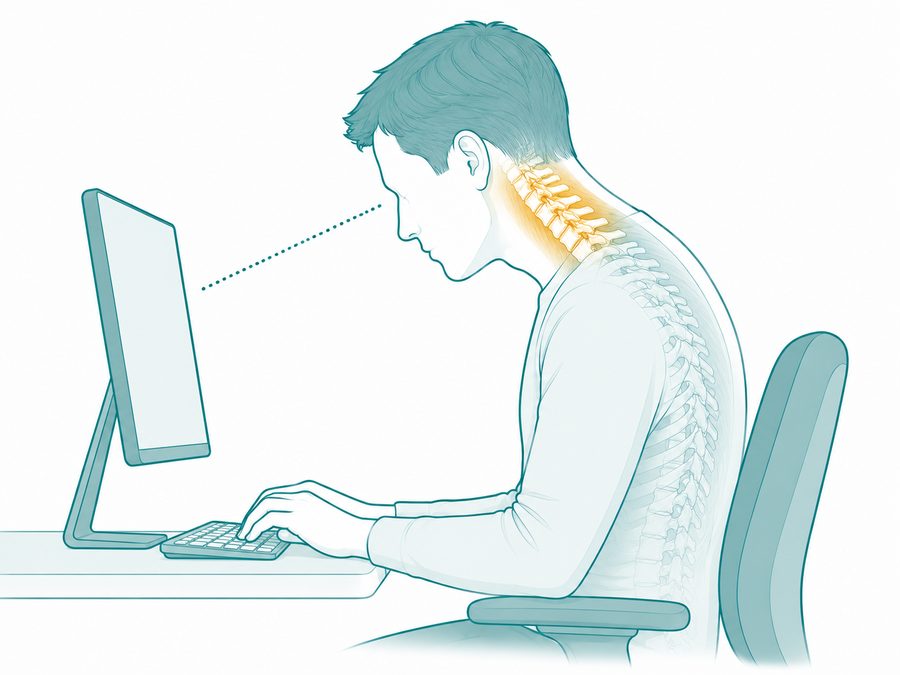
After an accurate assessment - including examining neck mobility and locating the precise source of the pain - I build a treatment plan that includes improving neck movement, targeted exercises, strengthening the supporting muscles, and practical guidance on reducing daily loads, such as sitting position or screen height at work.
Frequently asked questions
The assessment is based on the clinical story and the physical examination - I check the neck’s range of motion and see whether it reproduces the pain you know.
In most cases, no - adapted movement is an important part of rehabilitation, and avoiding it tends to worsen stiffness over time.
When should you get checked?
- The headaches keep recurring
- The pain is getting worse over time
- There is significant neck pain alongside the headaches
- The pain comes with dizziness or restricted head movement
What’s worth remembering?
Cervicogenic headaches can improve significantly when the source of the problem is treated rather than only the symptom. The right assessment and tailored physiotherapy can help reduce the pain and improve quality of life, and in most cases the improvement is felt within the first few weeks.
- A cervicogenic headache originates in joints, muscles or tissues in the neck area, and usually starts at the base of the skull and travels toward the head.
- The main difference from an “ordinary” headache: it almost always responds to the movement or position of the neck.
- A self-check - turning or tilting the head in a way that reproduces the pain - points toward this diagnosis.
Not sure if this is your situation? I’d be happy to give you a professional assessment and build a treatment plan that fits you.
Book a consultation callYou might also be interested in:
 Pain somewhere else?
Return to the interactive body map and pick an area
←
Pain somewhere else?
Return to the interactive body map and pick an area
←