Acute torticollis: when you wake up and your neck just won’t move
You woke up and the neck simply won’t move - acute torticollis is common, frightening in the first moment, and usually passes quickly with the right treatment.
Acute torticollis - a “stuck” neck in the morning - is a benign and very common muscular and joint problem, and although it is frightening in the first moment, it almost always passes quickly with the right treatment.
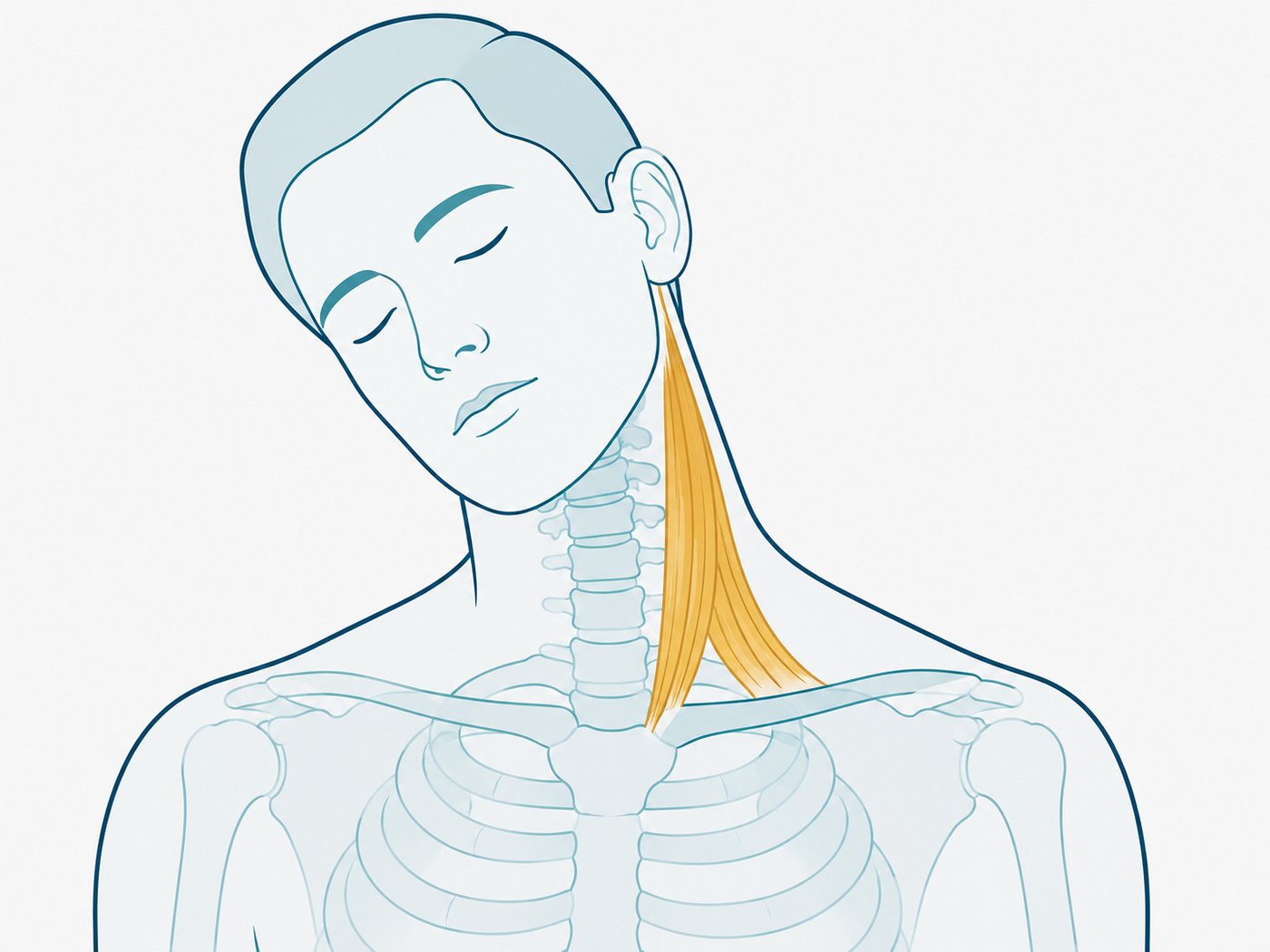
You wake up in the morning and suddenly - the neck is locked on one side, every movement hurts, and the head stays tilted at an uncomfortable angle. This is acute torticollis, or in everyday language a “stuck neck” - one of the most common presentations I see in the clinic, and although it is frightening in the first moment, it almost always passes quickly.
This acute torticollis - a benign muscle and joint problem - shouldn’t be confused with chronic or congenital torticollis, which are entirely different conditions.
How does it usually feel?
Symptoms can vary, but many describe:
- Sudden onset, usually right on waking in the morning.
- Sharp pain on one side of the neck that worsens on trying to turn the head.
- The head stays tilted at a fixed angle, usually toward the painful side.
- Significant difficulty or inability to turn the head to the opposite side.
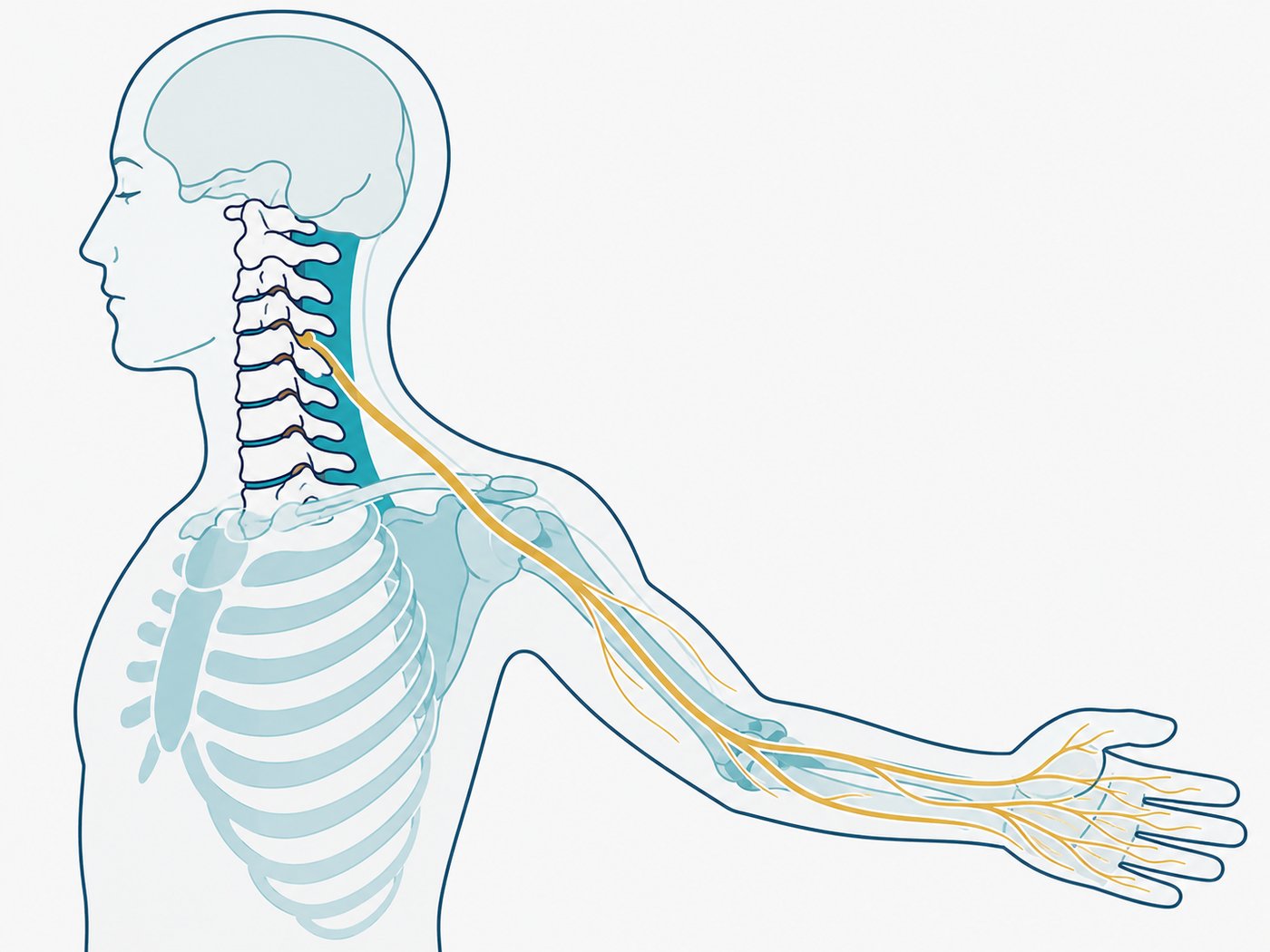
- Usually no numbness or weakness in the arm - an important reassuring sign.
No numbness or weakness in the arm is usually a reassuring sign - it points to a local muscular and joint problem rather than pressure on a nerve root.
What causes acute torticollis?
It’s usually a combination of an awkward sleeping position, direct cold on the neck such as an air conditioner left on overnight, or a sudden unusual movement of the neck the day before. The result is a protective muscle spasm and temporary locking of one of the small joints of the neck.
How can physiotherapy help?
Treatment in the acute stage focuses on settling the muscle spasm through gentle manual therapy and controlled movement - not complete rest, which actually prolongs the symptoms. In most cases there is significant relief within a few days, and sometimes already after a single first treatment.
When should you get checked?
If the pain comes with a high fever, a severe headache, marked neck rigidity or difficulty touching the chin to the chest - seek urgent medical assessment immediately, to rule out other causes unrelated to muscle or joint.
Frequently asked questions
In most cases from a day to a few days, particularly with early treatment.
Heat usually helps more at this stage, because it settles the muscle spasm. Just don’t apply heat or cold directly to the skin for long periods.
No. Gentle, graded movement within the limits of the pain usually helps more than complete rest.
What’s worth remembering?
Acute torticollis is common and frightening in the first moment, but almost always benign and quick to resolve with early treatment and controlled movement.
- Acute torticollis is usually caused by an awkward sleeping position, direct cold on the neck or a sudden unusual movement.
- It’s identified by sharp pain on one side of the neck with the head tilted at a fixed angle, usually without numbness or weakness in the arm.
- Treatment focuses on controlled movement rather than complete rest; in most cases there is significant relief within a few days.
Not sure if this is your situation? I’d be happy to give you a professional assessment and build a treatment plan that fits you.
Book a consultation callYou might also be interested in:
 Pain somewhere else?
Return to the interactive body map and pick an area
←
Pain somewhere else?
Return to the interactive body map and pick an area
←