+972-52-778-8022 Quick contact
HE

Neck

The neck is involved in almost every movement of the head and takes part in everyday activities like computer work, driving, and sleep. Prolonged load, an awkward posture, or a sudden movement can cause pain or stiffness.

Here you’ll find information to help you understand the common causes and the treatment options.

Pain when turning the headNeck stiffnessPain after workPain radiating to the armHeadachesLimited movement

How I treat neck pain

Neck pain often comes with headaches, dizziness or pain radiating to the arm. In the first session I assess movement, posture and daily load patterns, and build a plan that treats the source, not just the symptom.

Movement and posture assessmentRange, strength and nerve testing to locate the source of pain.
Gentle manual therapyJoint and muscle release at the pace your neck allows.
Exercise and habitsA program plus workstation adjustments that keep the pain from returning.
Book an assessment Initial assessment · 60 min · first appointment within 48 hours

Common conditions

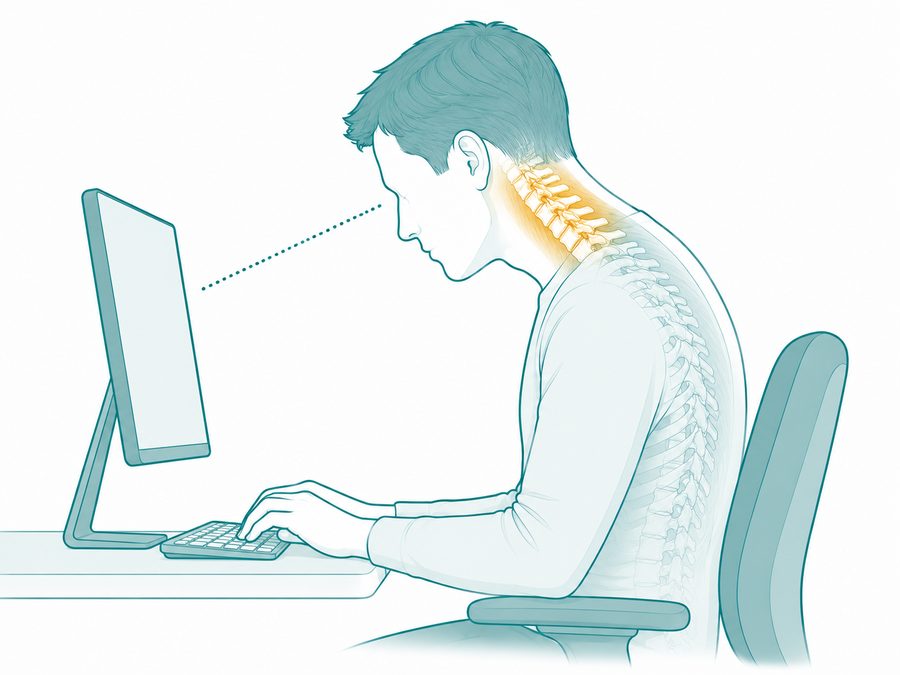
Neck stiff from the screen?
Pain or stiffness after working at a computer or prolonged phone use.
Neck Pain at the Screen? It Doesn’t Have to Be This Way4 min
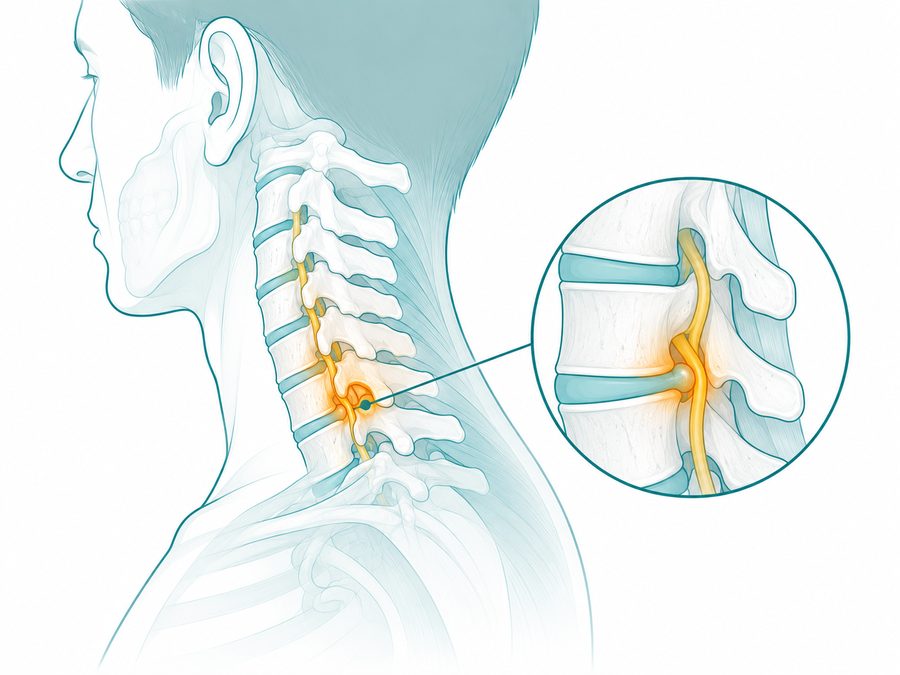
Neck pain radiating to the arm?
Neck pain radiating to the shoulder or arm, sometimes with numbness or weakness.
Cervical Disc Herniation: Not Every Radiating Arm Pain Means Surgery4 min
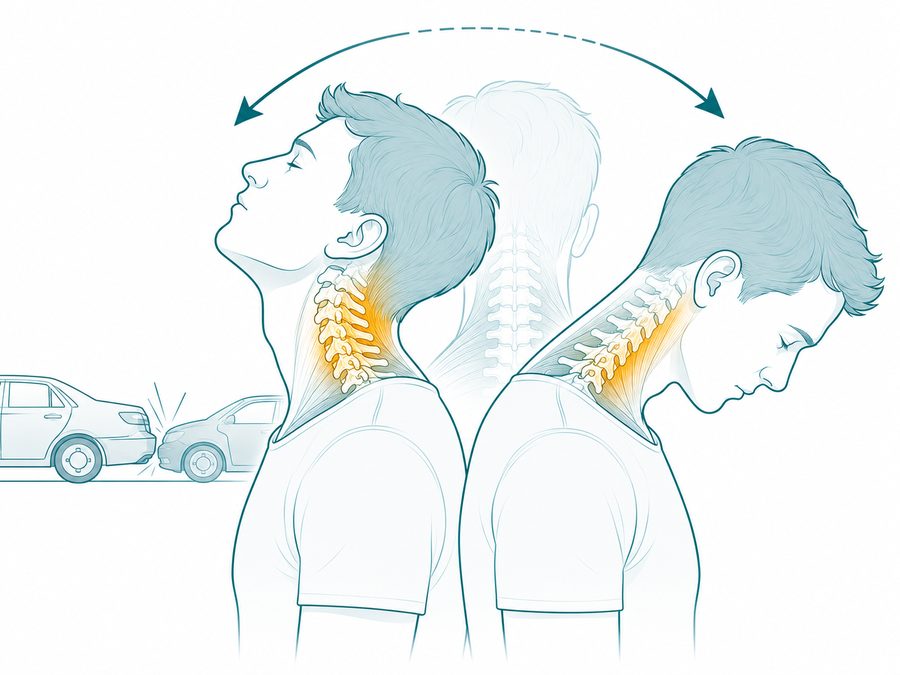
Neck pain after an accident?
Neck pain, stiffness, or headaches that appeared after a car accident or injury.
Whiplash: Even a Minor Accident Can Cause Pain4 min
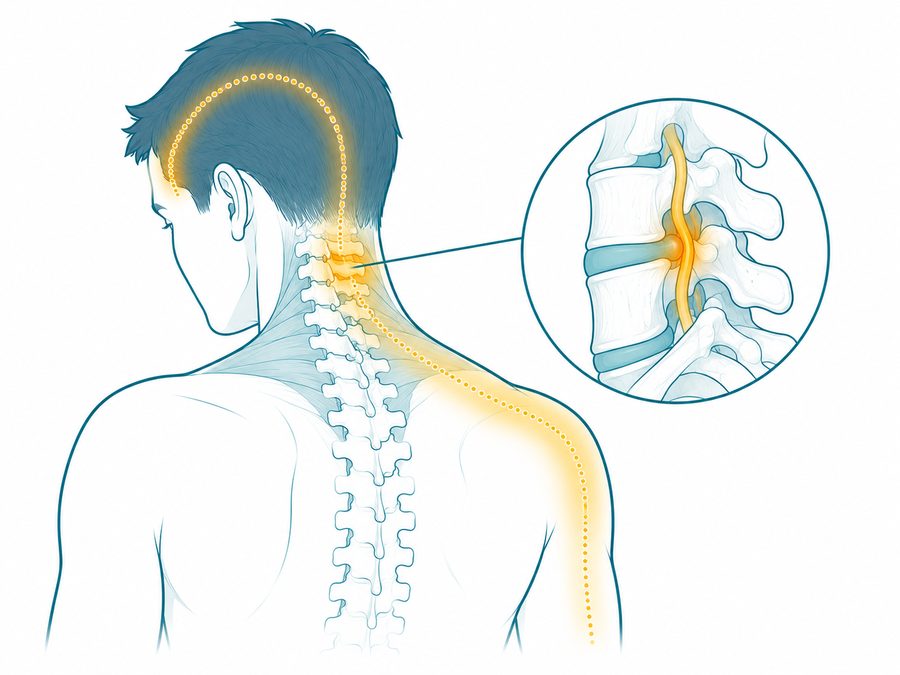
Headache starting from the neck?
Headaches accompanied by neck pain or stiffness, worse with certain movements.
Cervicogenic Headache: Not Every Headache Starts in the Head4 min
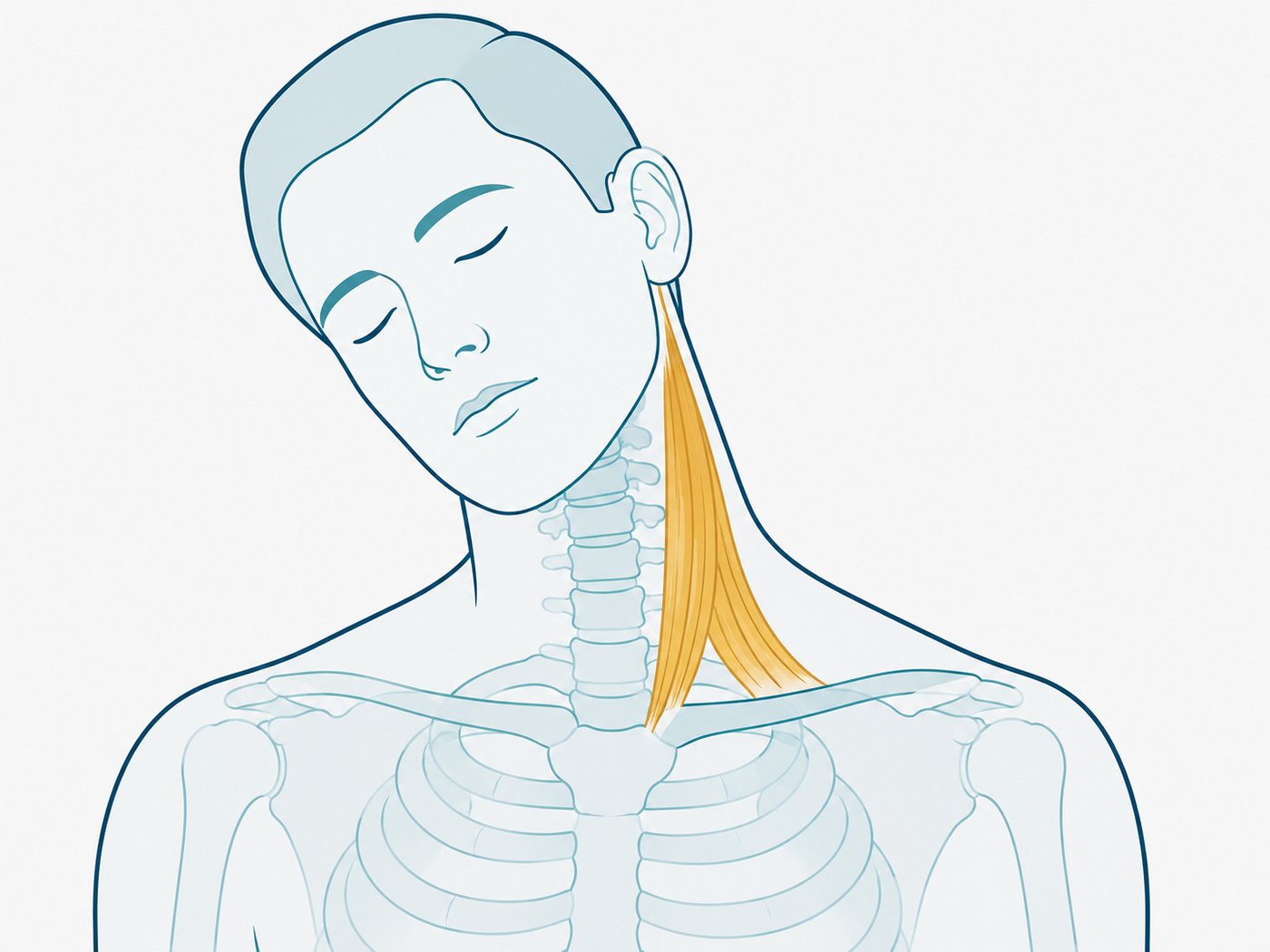
Woke up and your neck won’t move?
You woke up and your neck simply won’t move - acute torticollis is common, scary at first, and usually passes quickly with proper treatment.
Acute Torticollis: When You Wake Up and Your Neck Just Won’t Move4 min
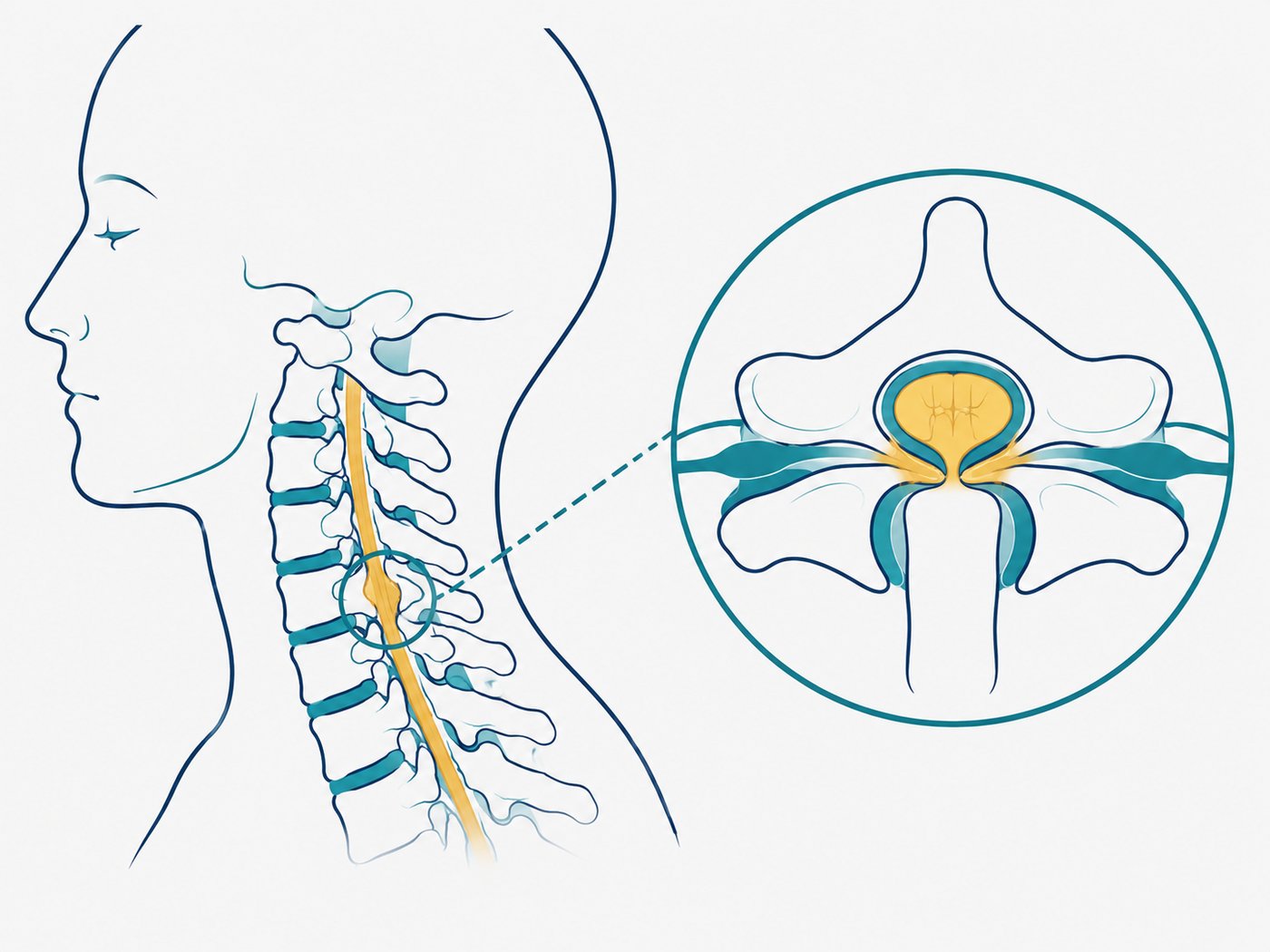
Numbness in both your arms and your legs?
A condition in which the canal that carries the spinal cord through the neck narrows - can affect both the arms and the legs.
Cervical Spinal Stenosis: When Pressure Reaches the Spinal Cord Itself4 min
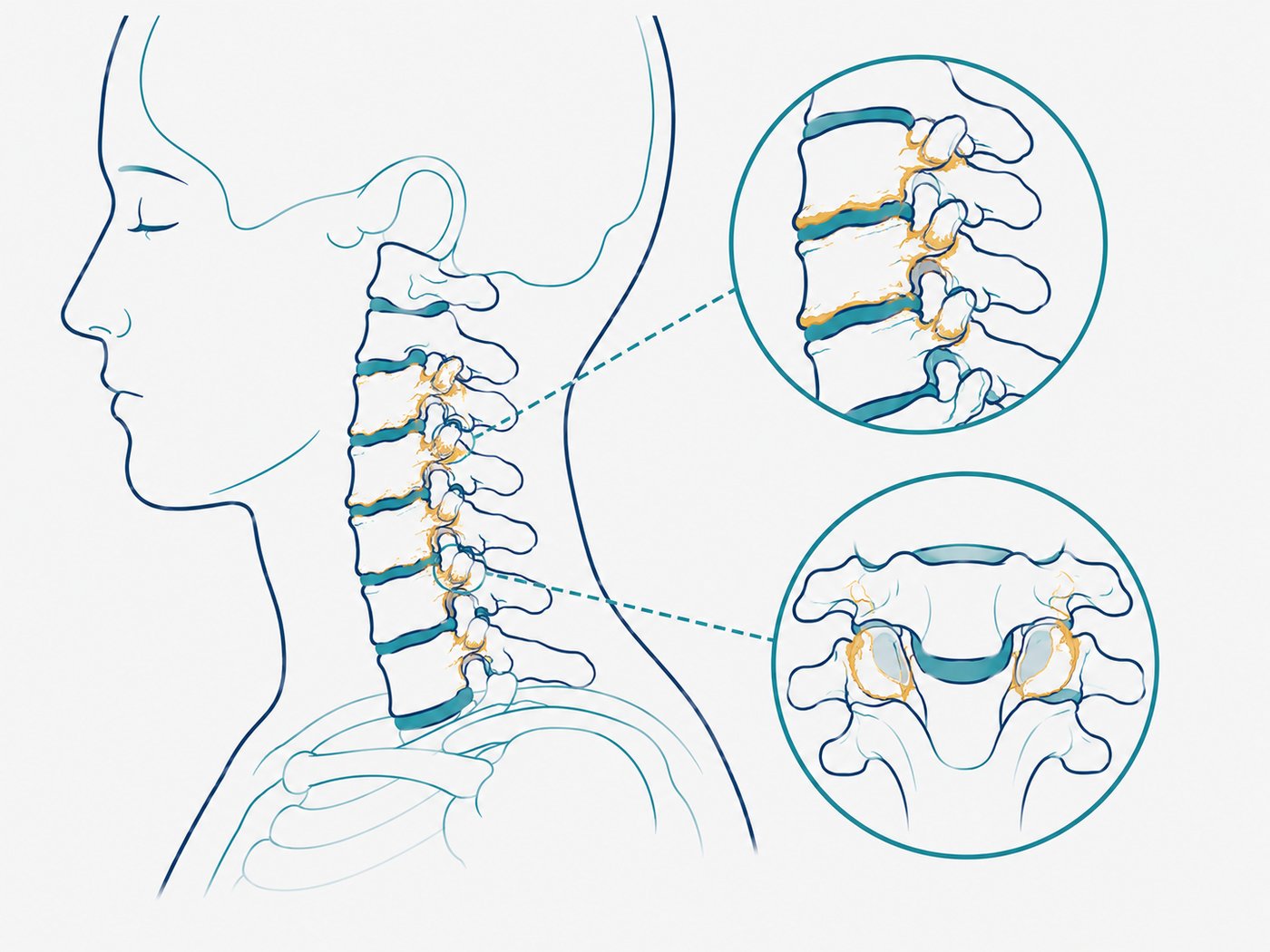
Is your neck gradually changing with age?
Degenerative changes in the cervical spine that exist in most people beyond a certain age - but cause symptoms in only some of them.
Cervical Spondylosis: When the Neck Gradually Changes with Age4 min
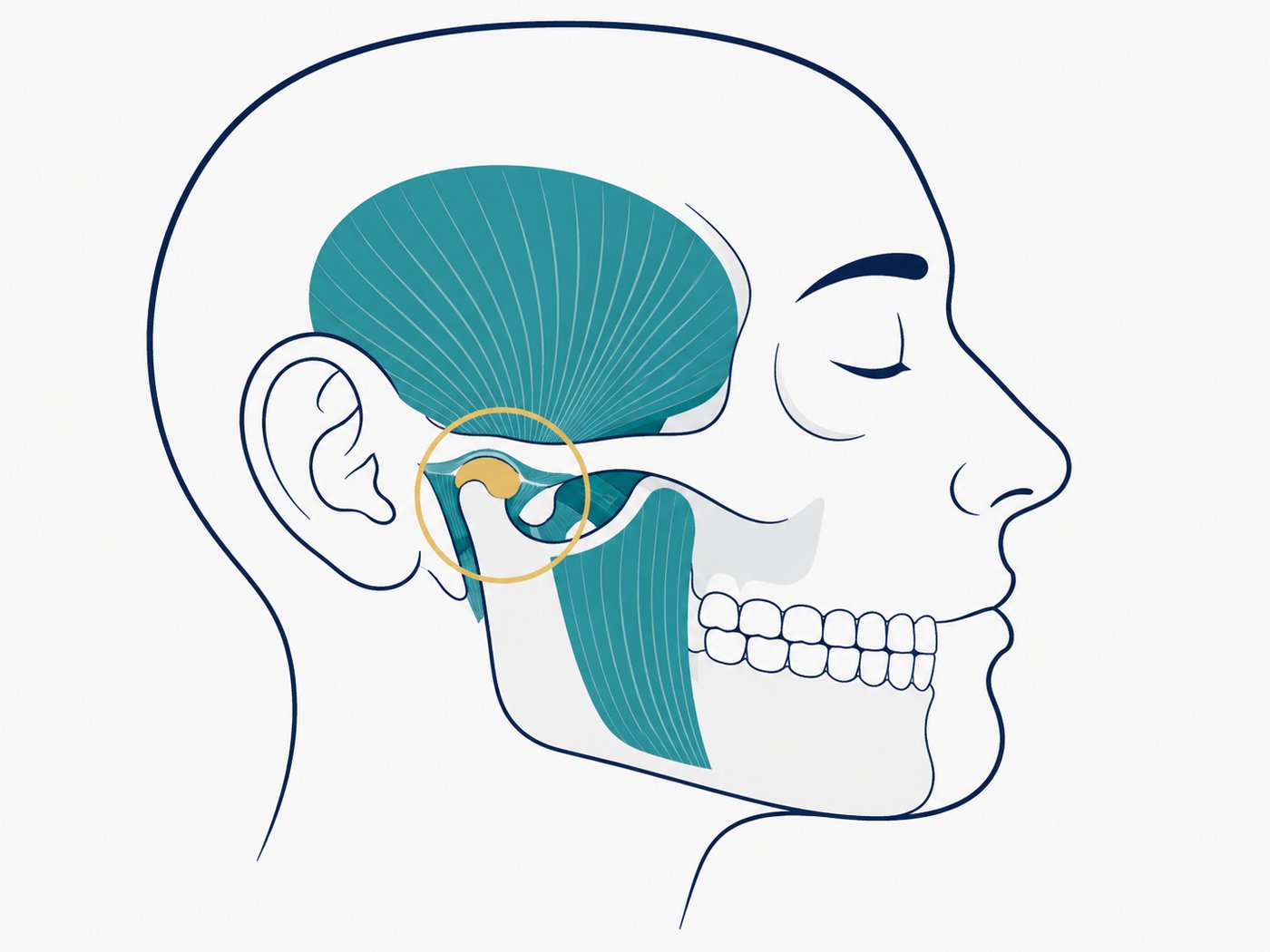
Does it hurt to chew or yawn?
Pain, clicking, or difficulty opening the mouth at the jaw joint - a very common condition that physiotherapy can significantly help with.
TMJ Disorder: When Every Bite or Yawn Hurts4 min

Frequently asked questions

No. Prolonged sitting can contribute to the load, but stress, physical activity, sleep, or degenerative changes can all be part of the causes.

In most cases, gentle, controlled movement is better than avoiding movement altogether, as long as it doesn’t significantly worsen the pain.

Not always. In most cases you can start with a clinical assessment, and only refer for further tests if needed.

It varies depending on the cause and the load, but many patients feel significant improvement with appropriate treatment and guidance.

When to get checked

It’s worth getting checked if the pain lasts several days without improvement, limits movement, or radiates to the arm. If the pain appeared after a significant injury or is accompanied by significant weakness or numbness, it’s recommended to get checked promptly.
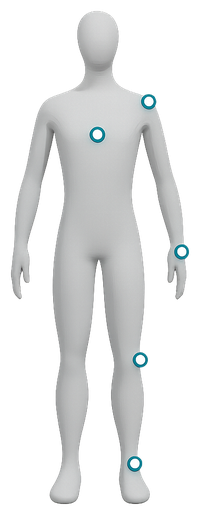
A 3D figure of the body map Pain somewhere else? Return to the interactive body map and pick an area

Ready to start your rehabilitation?

Have a question? I’m here for you.

Book a consultation call