Cervical disc herniation: not every radiating arm pain means surgery
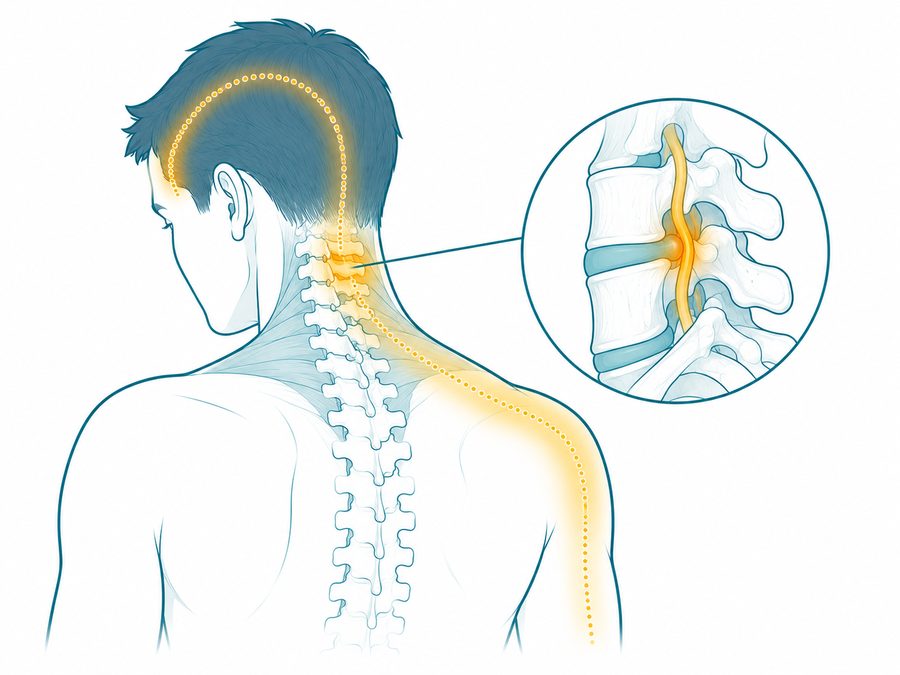
Neck pain radiating into the shoulder or arm, sometimes with numbness or weakness.
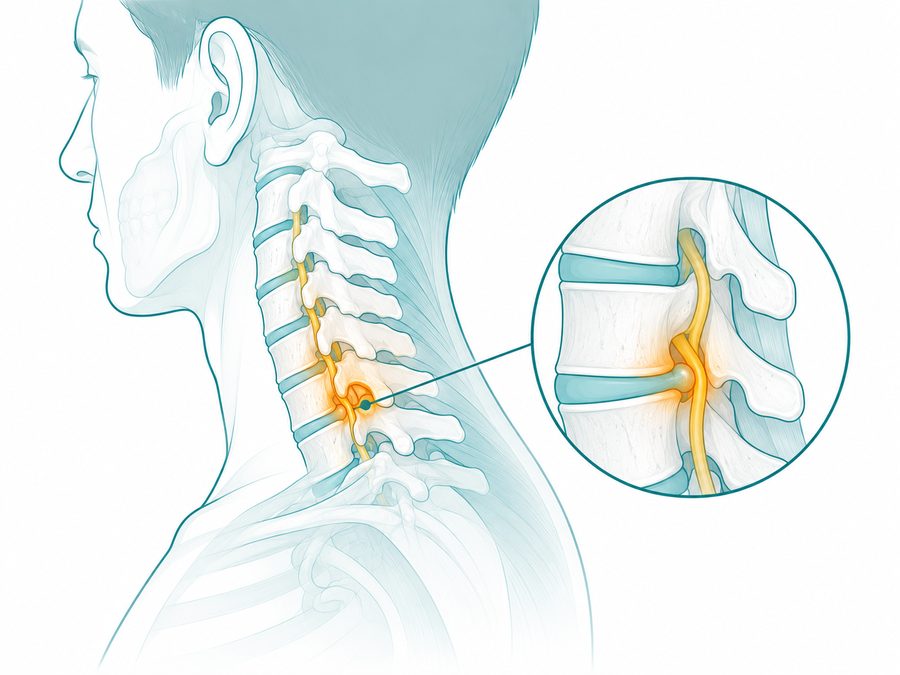
Neck pain radiating into the shoulder or arm raises an immediate fear of surgery - but in most cases a cervical disc herniation can be treated conservatively, without surgical intervention.
When neck pain starts radiating into the shoulder, the arm or the fingers, quite a few people immediately fear a severe herniated disc requiring surgery. In practice, in many cases the symptoms can be treated conservatively, and the first step is an accurate assessment - not the initial alarm the words in the imaging report cause.
What is a cervical disc herniation?
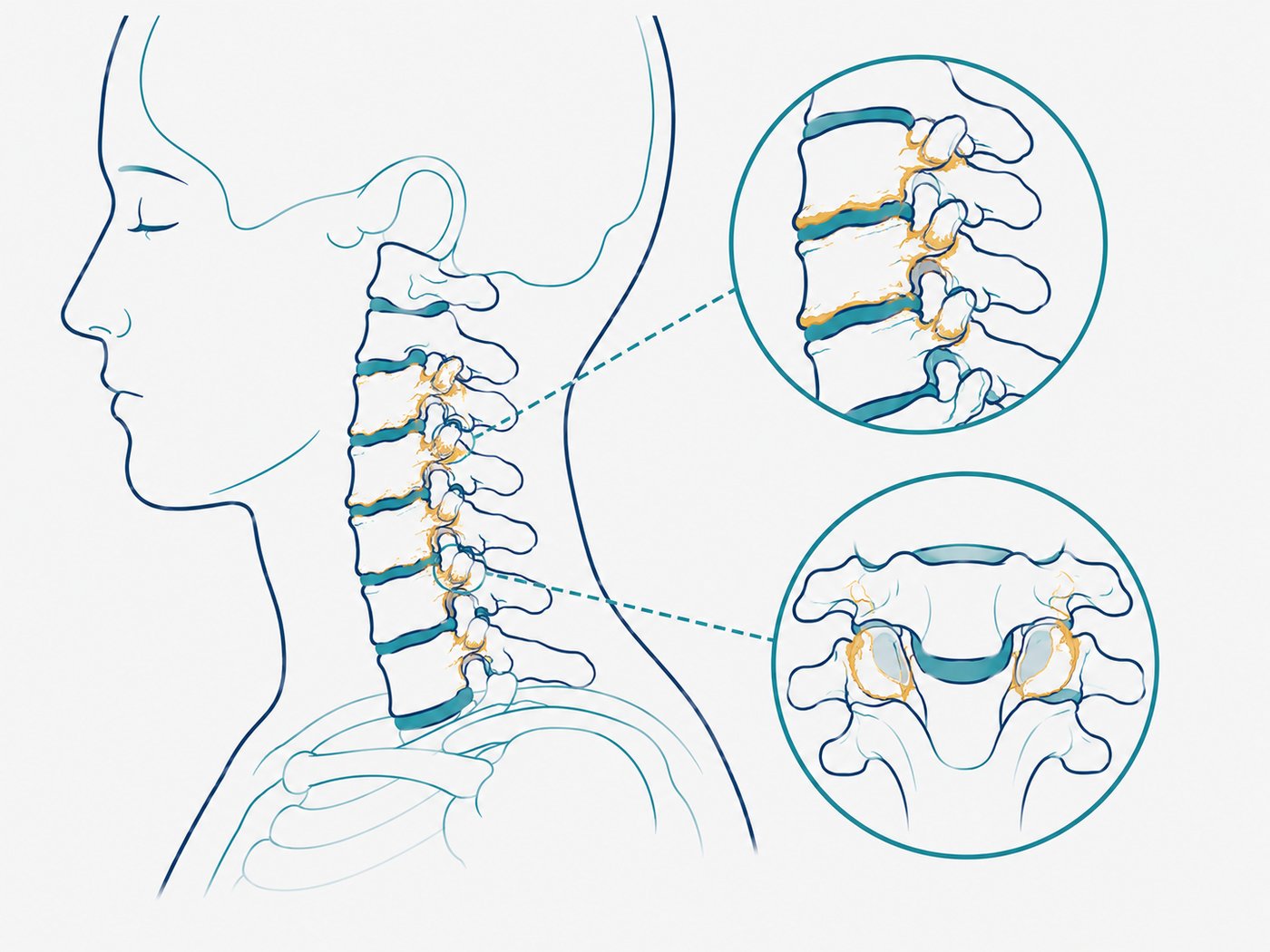
Between the vertebrae of the neck sit discs whose job is to absorb load and allow movement. When one of the discs bulges or tears, it can irritate a nearby nerve root and cause pain or radiation into the arm. Keep in mind that small herniations are also found in people with no symptoms at all - the imaging finding is only part of the picture, not the whole story.
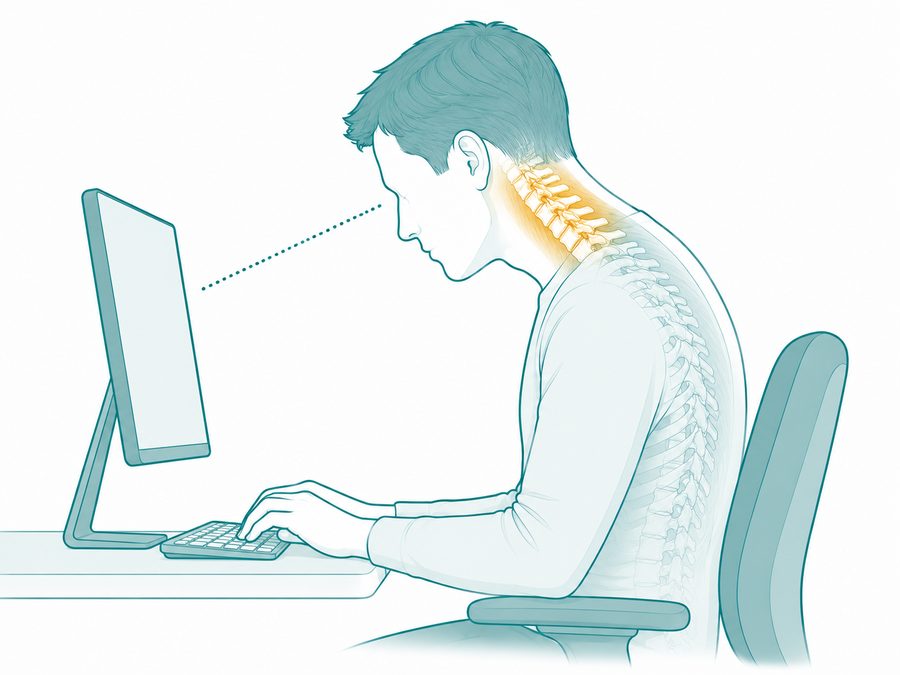
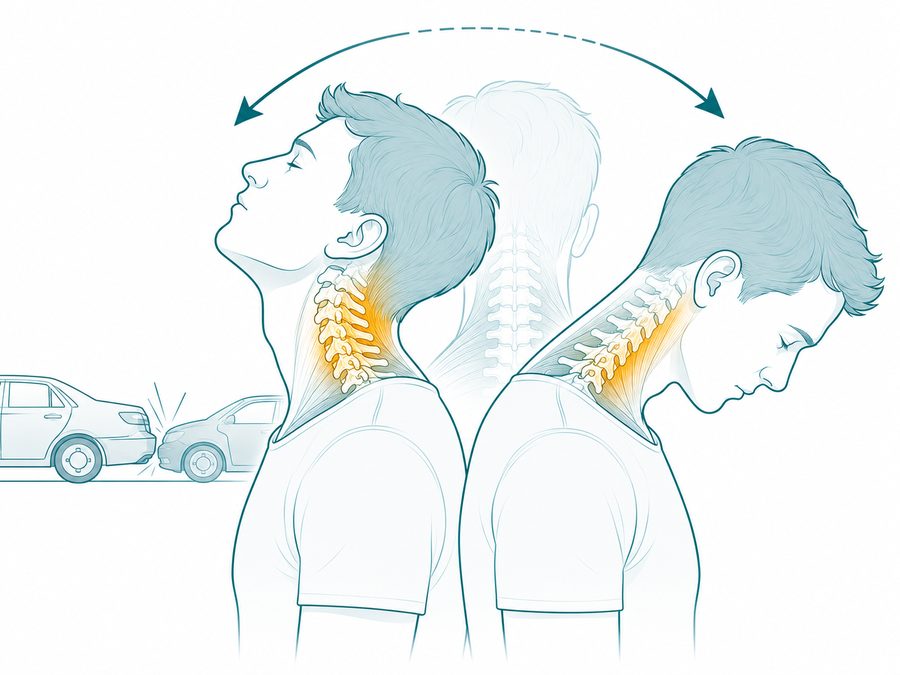
If you know which movement or position makes the pain or the radiation worse (tilting the head to a particular side, for example), that is very important information for the assessment - worth noticing and telling me about.
How does it usually feel?
- Neck pain.
- Radiation into the shoulder or arm.
- Numbness in the fingers.
- Sometimes weakness in the hand.
- Difficulty with neck movements.
- Progressive or worsening weakness in the hand
- Widespread or increasing numbness
- Disturbance of bladder or bowel control
- Difficulty walking or with balance
How can physiotherapy help?
Treatment is matched to the examination findings and can include exercises to improve movement, reducing loads, gradual strengthening and guidance on returning safely to work and daily activity - in most cases without needing surgical intervention.
Frequently asked questions
No. Most people don’t need surgery and improve with conservative treatment - surgery is reserved for cases with significant neurological symptoms that have not responded to treatment.
An MRI is only part of the assessment and has to be combined with a clinical examination - the imaging finding alone doesn’t determine the severity of the condition or the right plan.
If the pain radiates into the arm, there is numbness or weakness, or the symptoms aren’t improving - don’t wait too long before starting a proper assessment process.
What’s worth remembering?
A cervical disc herniation doesn’t necessarily mean you will need surgery. The right assessment, a tailored rehabilitation plan and persistence can help many people return to full function.
- A cervical disc herniation happens when a disc between the vertebrae bulges or tears and irritates a nearby nerve root; small herniations are also found in people with no symptoms at all.
- It’s identified by neck pain radiating into the shoulder or arm, sometimes with numbness or weakness.
- Most people don’t need surgery; worsening weakness, widespread numbness or disturbed bladder control require urgent assessment.
Not sure if this is your situation? I’d be happy to give you a professional assessment and build a treatment plan that fits you.
Book a consultation callYou might also be interested in:
 Pain somewhere else?
Return to the interactive body map and pick an area
←
Pain somewhere else?
Return to the interactive body map and pick an area
←