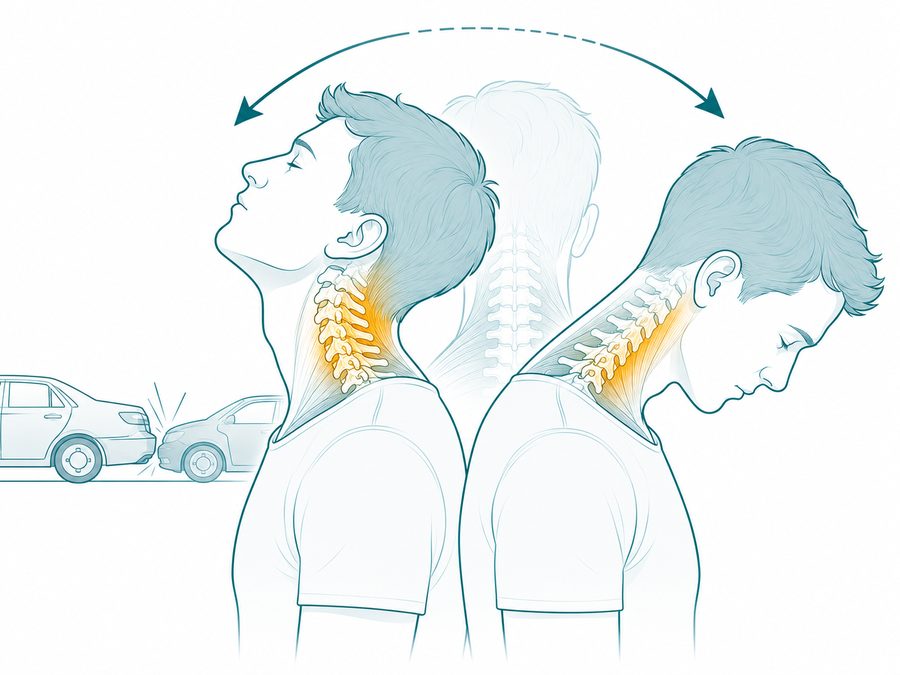
Whiplash: even a minor accident can cause pain
Neck pain, stiffness or headaches that appeared after a road accident or a blow.
With whiplash, some people feel fine on the day itself and only later develop neck pain or headaches - this is exactly the characteristic pattern, not a sign that something has got worse.
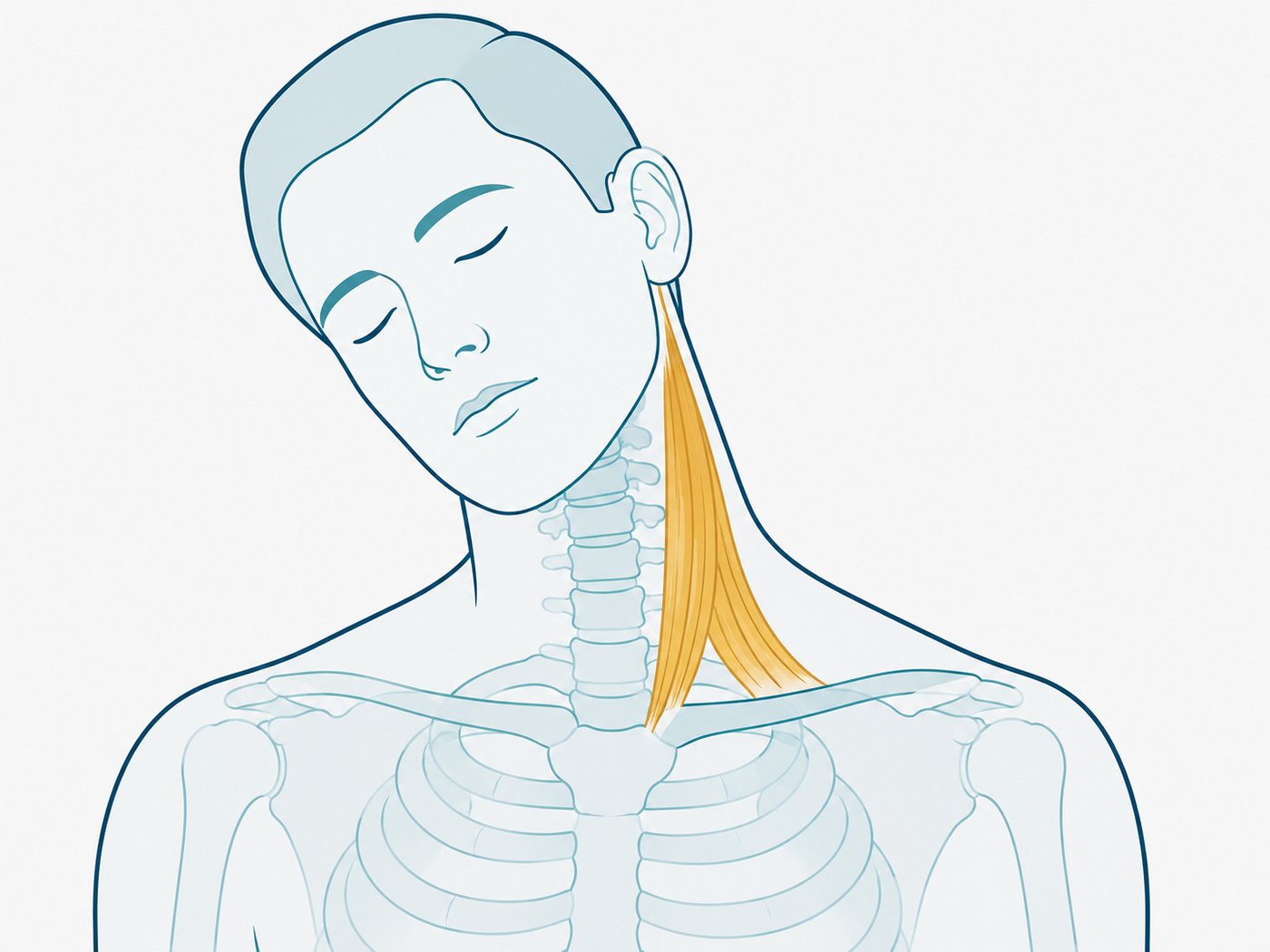
After a road accident, even at low speed, some people feel fine on the day itself and only later develop neck pain, stiffness or headaches. This condition is known as “whiplash” and results from rapid movement of the head and neck at the moment of impact. I hear quite a few people who are surprised by it - “the impact was minor, why does it only hurt now?” - and that is exactly the characteristic pattern of whiplash.
What is whiplash?
Whiplash isn’t an injury to one single structure, but a response of the muscles, ligaments and joints of the neck to a sharp, rapid movement - forward and back within a fraction of a second. The symptoms vary from person to person, which is why a structured assessment matters rather than relying on the first impression alone.
If you have had a similar event, don’t wait more than a few days for the symptoms to “pass on their own” before seeking assessment - starting guided movement relatively early is generally linked to better recovery than immobilization and prolonged rest.
How does it usually feel?
- Neck pain.
- Stiffness in movement.
- Headaches.
- Pain in the shoulders.
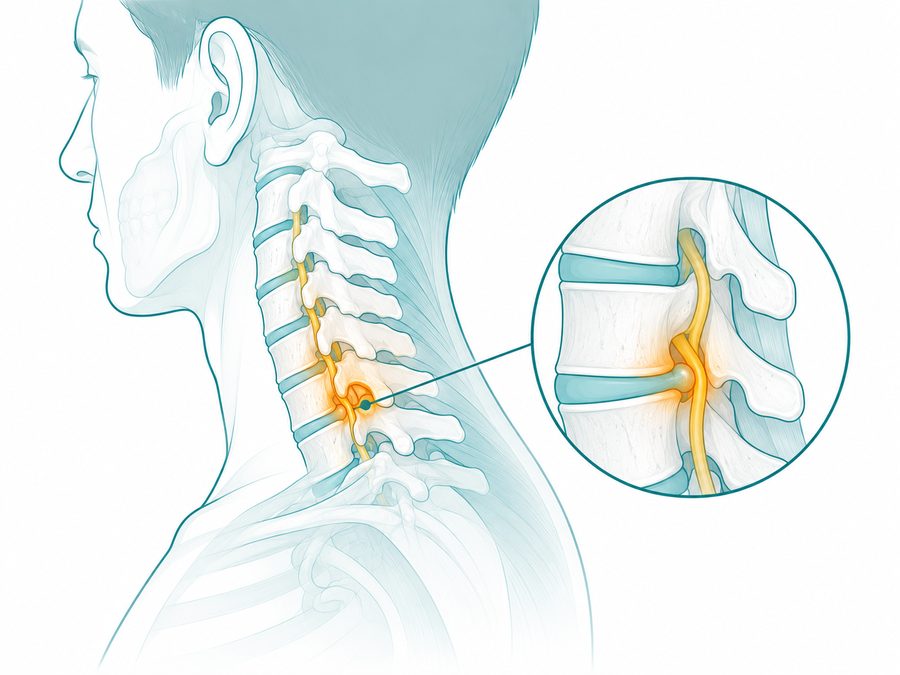
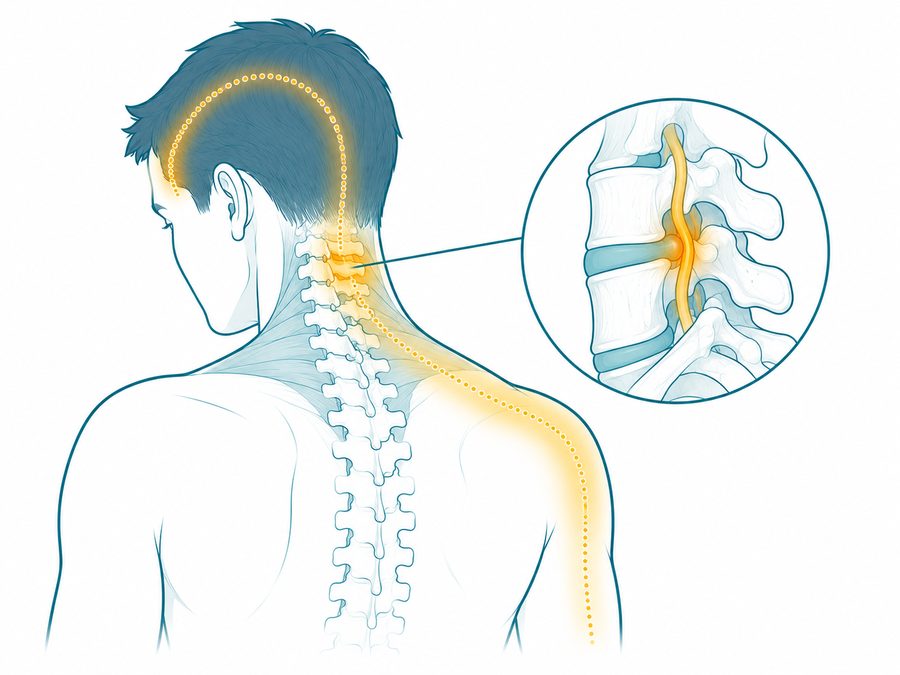
- Sometimes dizziness or radiating pain into the arm.
- There is numbness or significant weakness in the arm
- Severe dizziness or visual disturbances
- Significant difficulty moving the head
- A severe, unusual headache unlike any you have had before
How can physiotherapy help?
Treatment is matched to the examination findings and includes a gradual restoration of movement, targeted exercises, reducing loads and guidance on returning safely to routine - at a pace that respects what the body is ready for at each stage.
Frequently asked questions
A short rest may help in the first days, but in most cases return to movement gradually, with guidance - resting too long actually tends to lengthen recovery.
This is a well-recognized and common phenomenon after whiplash and isn’t unusual - the body doesn’t always “report” the injury immediately, and sometimes takes time to respond.
If the pain is significant, there is radiating pain into the arm, dizziness, or the symptoms aren’t improving within a few days.
What’s worth remembering?
Most people improve over time and with appropriate rehabilitation. Early assessment and a structured treatment plan can help you return quickly and safely to activity.
- Whiplash isn’t an injury to one structure, but a response of the muscles, ligaments and joints of the neck to a sharp, rapid movement.
- Starting guided movement relatively early is generally linked to better recovery than immobilization and prolonged rest.
- Numbness or significant weakness in the arm, or severe dizziness, require urgent assessment.
Not sure if this is your situation? I’d be happy to give you a professional assessment and build a treatment plan that fits you.
Book a consultation callYou might also be interested in:
 Pain somewhere else?
Return to the interactive body map and pick an area
←
Pain somewhere else?
Return to the interactive body map and pick an area
←