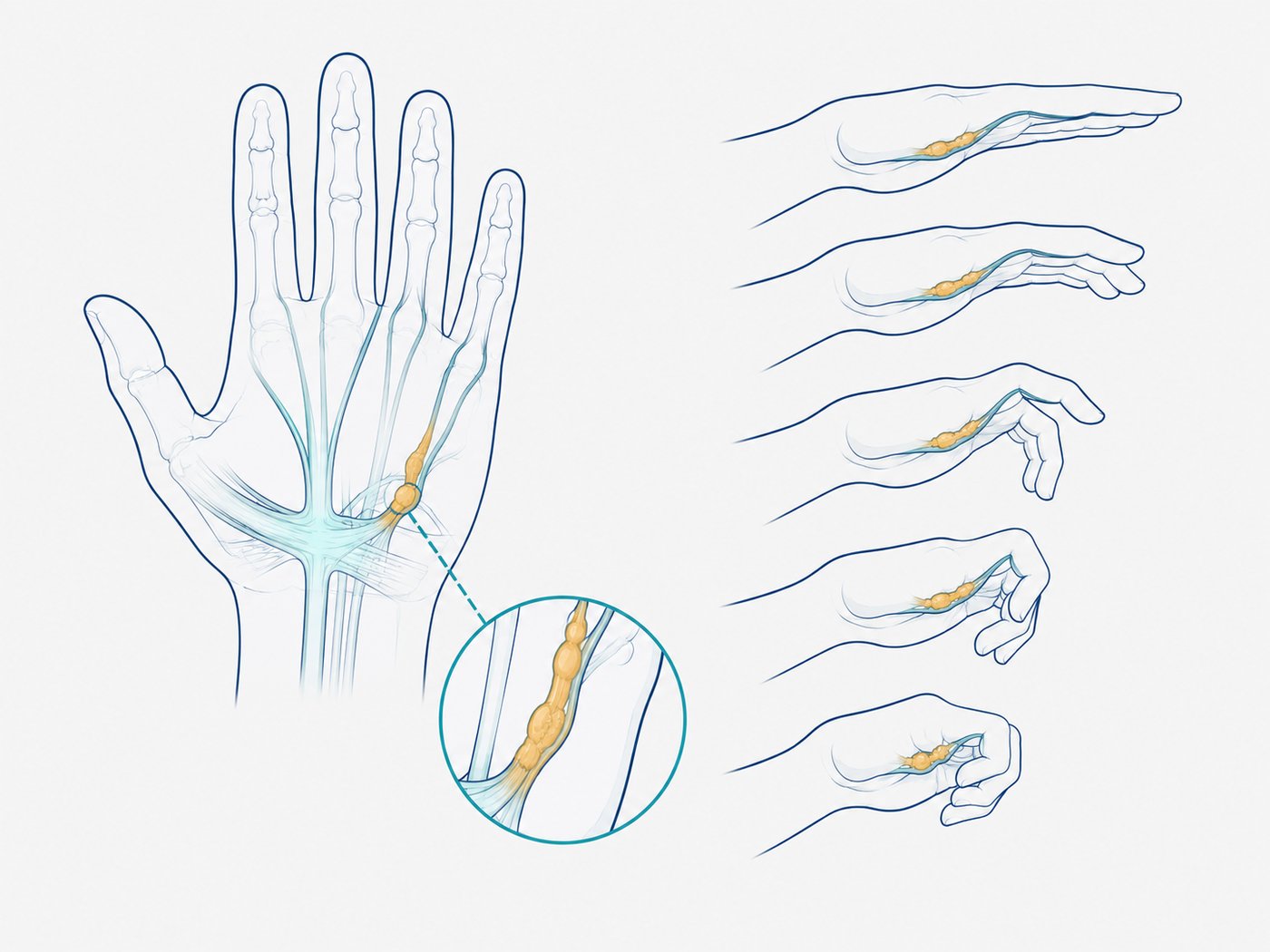
Trigger finger: when a finger locks and then snaps
A finger that catches in flexion and then snaps suddenly straight - particularly common in people with repetitive manual load.
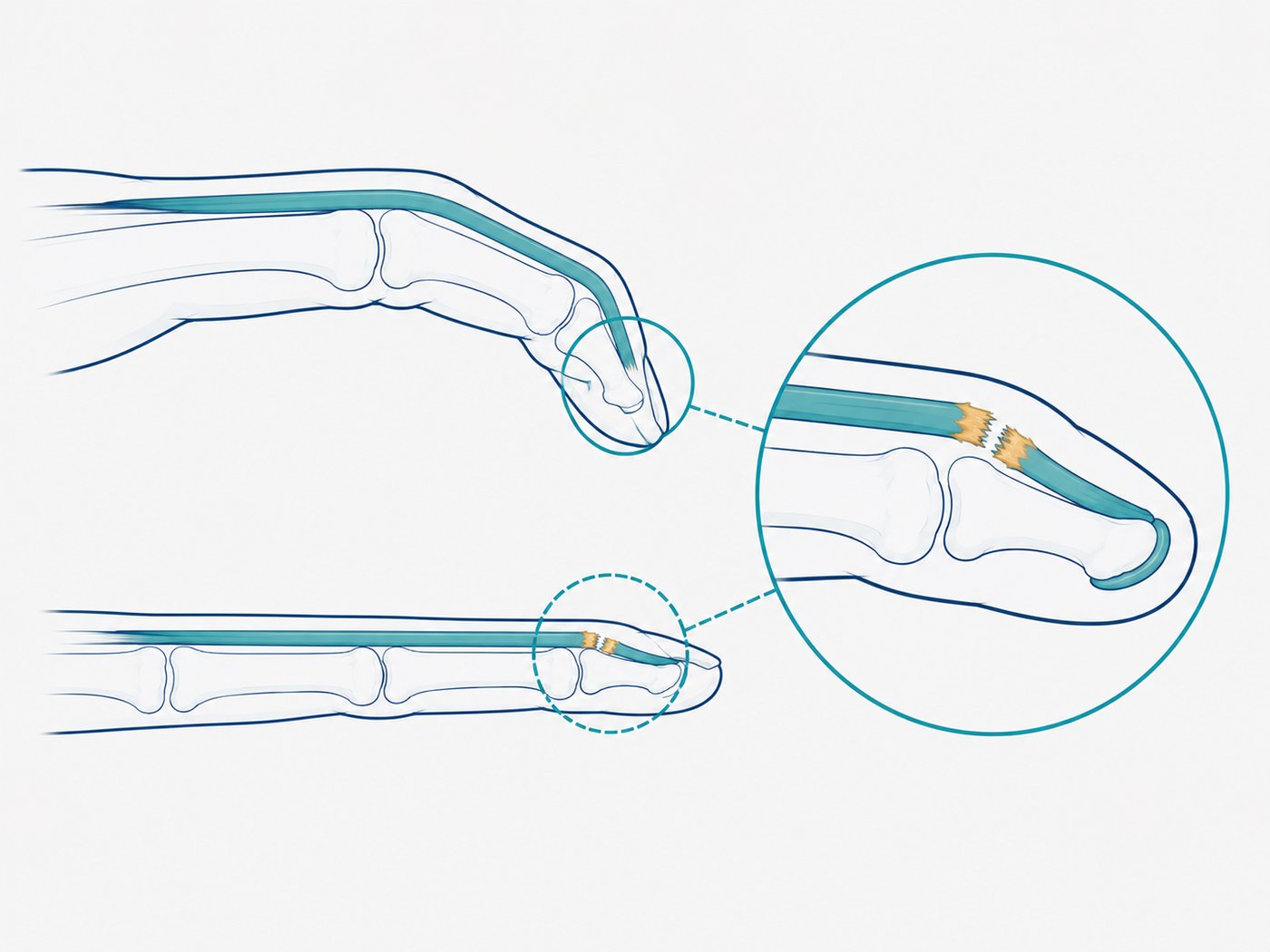
Trigger finger is caused when the tendon that bends the finger struggles to glide smoothly through the sheath that holds it - and it is significantly more common in people with diabetes.
If you feel that one of your fingers, usually the thumb, middle or ring finger, “catches” in flexion and then releases suddenly with a snapping or clicking sensation - this is a common condition called trigger finger.
The problem arises in the tendon that bends the finger, when it struggles to glide smoothly through the tendon sheath that holds it close to the bone.
How does it usually feel?
Symptoms can vary, but many describe:
- A sensation of locking or catching in the finger during flexion.
- A sudden “snap” as the finger straightens, sometimes painful.
- Tenderness or a small painful lump at the base of the finger in the palm.
- Stiffness that is more noticeable in the morning.
- In advanced cases - the finger becomes completely stuck in flexion.
Notice whether it gets worse after activities requiring a strong, sustained grip, such as hand tools, a steering wheel or rackets - that gives a good steer for the direction of treatment and load adjustment.
What causes trigger finger?
Repetitive load on the hand and fingers, mainly in jobs or hobbies requiring a strong, sustained grip, is a major factor. Trigger finger is also significantly more common in people with diabetes, and sometimes appears alongside carpal tunnel syndrome or De Quervain’s tenosynovitis, since all three share a similar mechanism of load on the tendons of the hand.
How can physiotherapy help?
Treatment usually combines a temporary reduction in load on the finger, gentle tendon-gliding exercises, and sometimes a night splint that prevents prolonged flexion during sleep - the stage at which much of the morning stiffness develops. In mild to moderate cases this is usually enough to reduce the symptoms significantly.
When should you get checked?
If the finger gets stuck bent and can’t be straightened at all, there’s heat or redness around the joint, or the symptoms don’t improve after a few weeks - see an orthopedic specialist about a possible injection or further treatment.
Frequently asked questions
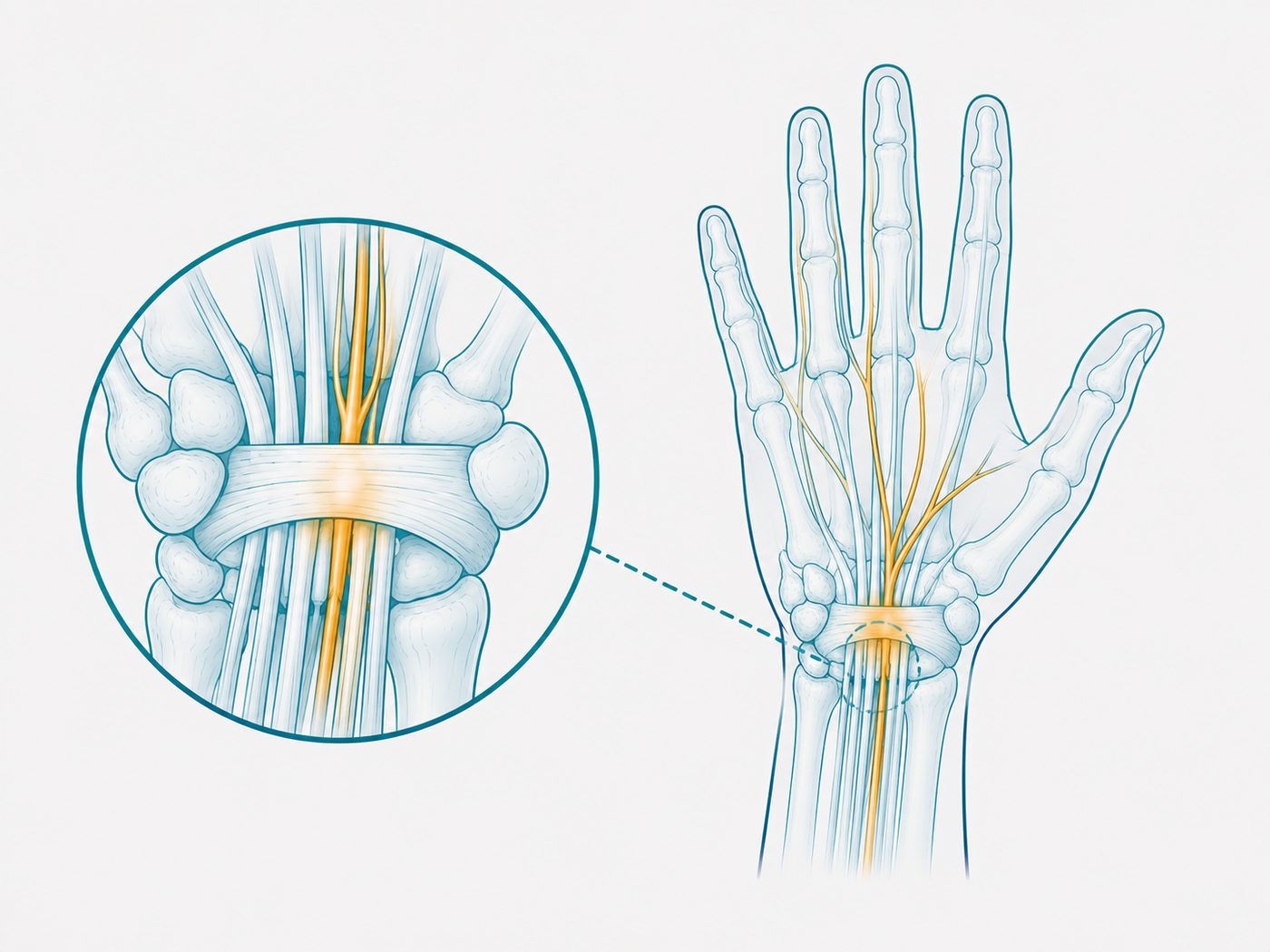
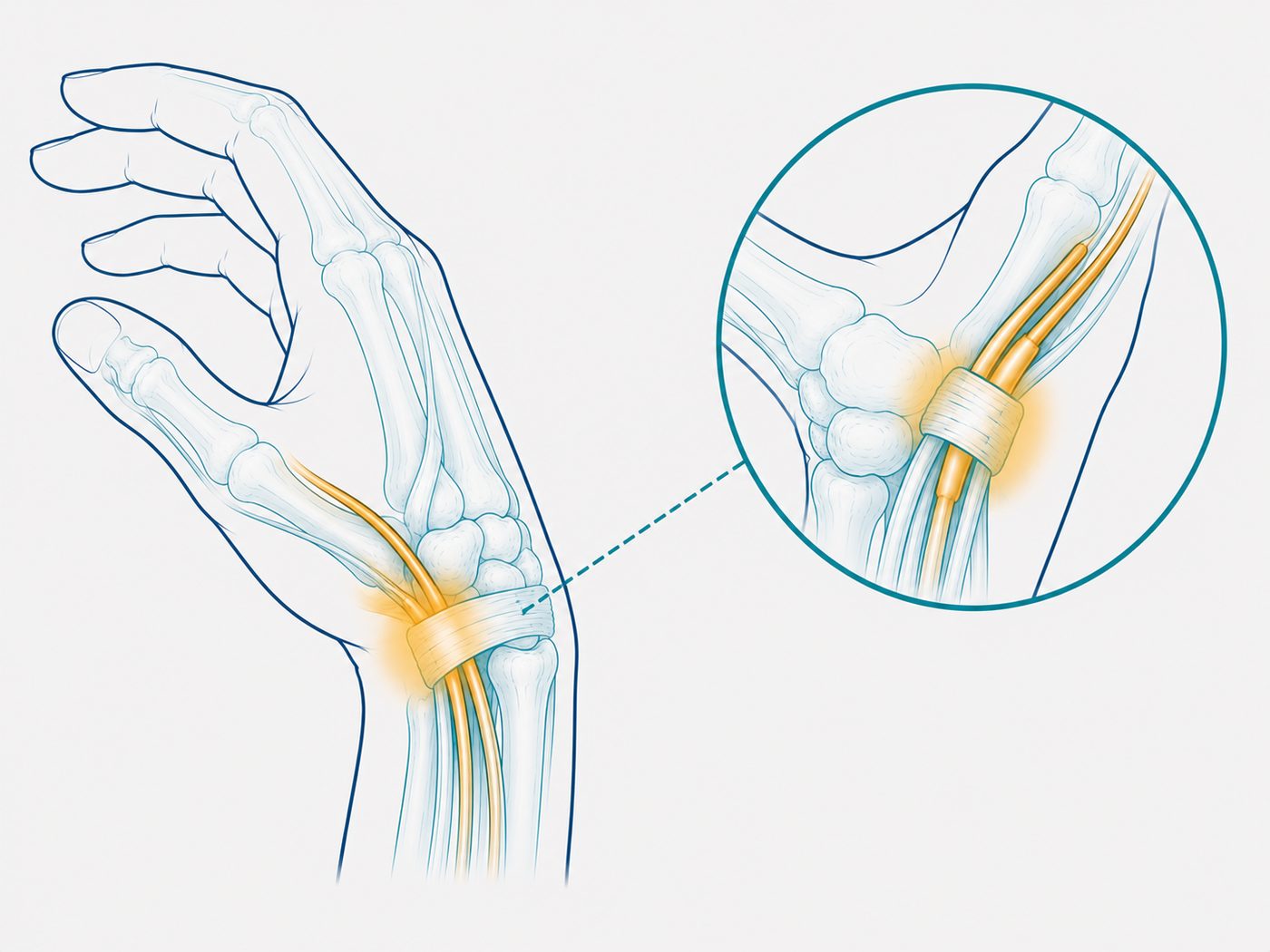
There is a connection - both problems arise from load on tendons and nerves in the hand, and they sometimes appear together, but they are separate mechanisms.
Sometimes, in the early stages, yes - with reduced load. But if it continues beyond a few weeks, get assessed rather than wait for it to get worse.
Not in most cases. Surgery or injection is reserved for cases that have not responded to conservative treatment.
What’s worth remembering?
Trigger finger responds well to early treatment - the less you wait, the greater the chance of avoiding an injection or surgery.
- It’s identified by a sensation of locking or catching in flexion, followed by a sudden, painful “snap” as the finger straightens.
- Worsening after activities requiring a strong, sustained grip, such as hand tools or a steering wheel, guides the direction of treatment.
- In advanced cases the finger can become completely stuck in flexion - a sign that calls for early attention.
Not sure if this is your situation? I’d be happy to give you a professional assessment and build a treatment plan that fits you.
Book a consultation callYou might also be interested in:
 Pain somewhere else?
Return to the interactive body map and pick an area
←
Pain somewhere else?
Return to the interactive body map and pick an area
←