Home / Knowledge Center / Understanding Pain
Article series · 4 partsUnderstanding Pain
Why pain persists even when the tests look fine, what to do when you start fearing movement, and what actually helps you get back to your life.
Four short parts that build on each other - from how the pain system works to getting moving again with confidence. Best read in order.
 1
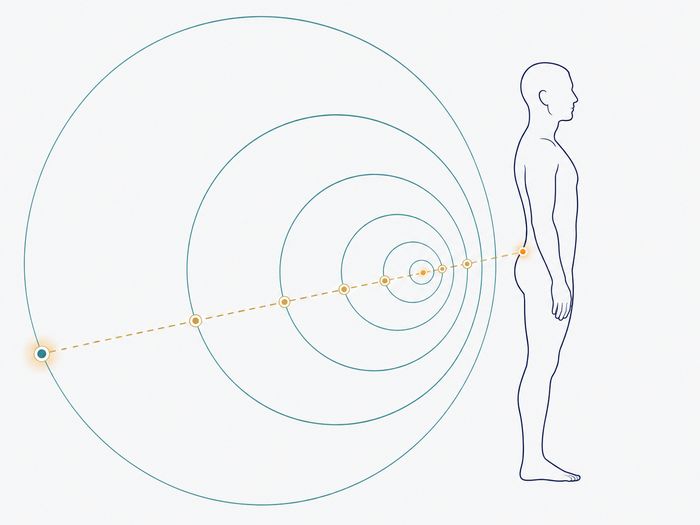
1Pain Is Not a Damage Meter
"If it hurts this much - does that mean serious damage?" How the pain system really works, and what to make of MRI findings.
3 min read ←
 2
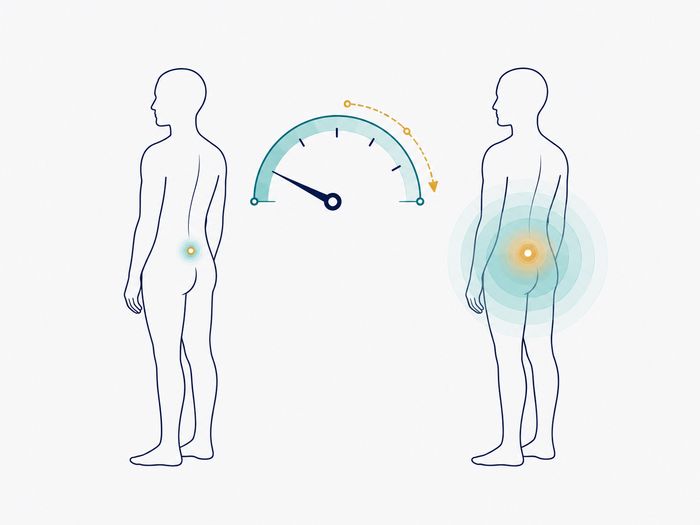
2Why Pain Can Stay
"Tests look fine but it still hurts?" Why pain can stick around after the injury has improved - and no, it is not in your head.
3 min read ←
 3
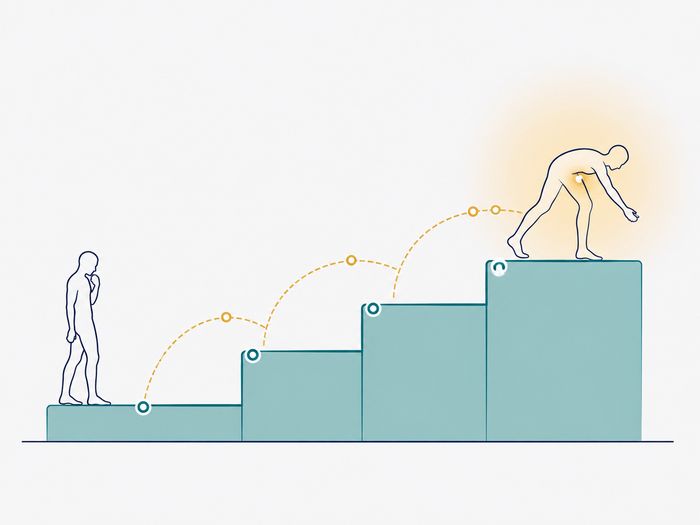
3When You Start Fearing Movement
"Second-guessing every movement?" The fear-avoidance cycle, and three paths back to moving with confidence.
4 min read ←
 4
4What Actually Helps
Not a list of tips: five principles that pull it all together - from understanding to an actual plan.
4 min read ←
And if something in this series sounds like your situation - that is exactly what a professional assessment can turn into a plan that fits you.
Not sure if this is your situation? I’d be happy to give you a professional assessment and build a treatment plan that fits you.
Book a consultation call
The content on this page is for general information and guidance only, doesn’t constitute a medical diagnosis, and isn’t a substitute for professional examination by a doctor or licensed physiotherapist.
When should you seek medical attention right away?
If the pain comes with a high fever, weakness that keeps getting worse, a change in bladder or bowel control, severe night pain that wakes you and doesn’t improve with rest, or a sudden inability to use the limb - these are signs that justify prompt medical assessment rather than waiting.