Pain Is Not a Damage Meter: How Your Pain System Works
Why strong pain does not necessarily mean serious damage, what actually shapes pain intensity, and what to make of imaging findings. Part one of the "Understanding Pain" series.
Pain is always real - but its intensity does not necessarily reflect the amount of tissue damage. Pain is an experience that often serves a protective role, and it is shaped not only by what happens in the tissue but also by context, past experience, stress, and sleep. This understanding is not philosophy - it changes what you actually do about the pain.
Two people, one finding, very different pain
A familiar picture from the clinic: two people the same age, with a similar finding on imaging. One goes about life, works out, and barely feels a thing. The other struggles to get up from a chair.
That gap does not come down to one thing - pain is shaped by many factors, and differences that imaging cannot see can play a part too. But it illustrates an important principle: pain does not work like a fuel gauge wired to the tissue. It works more like an alert system.
The protection system - and its calibration
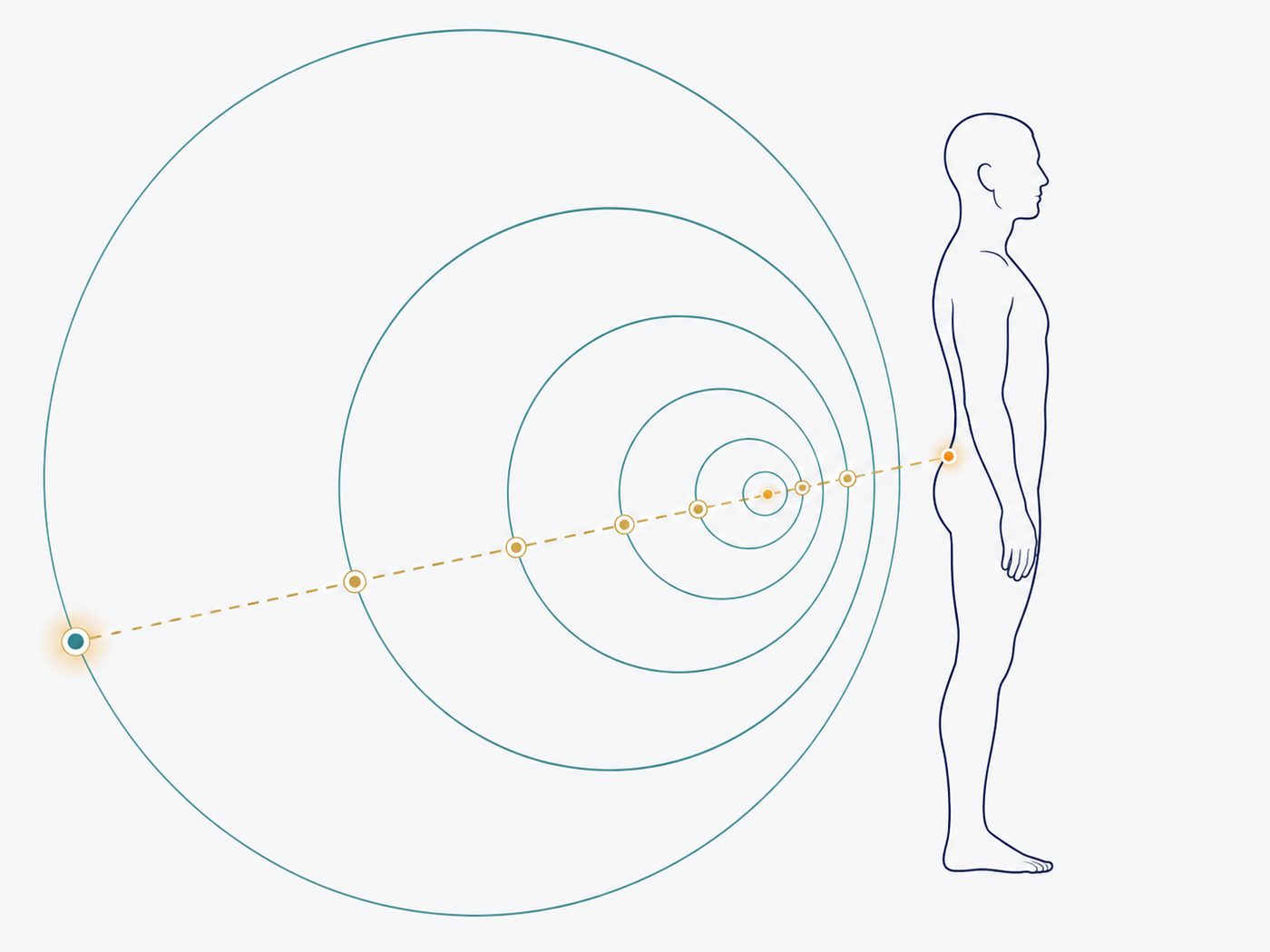
Think of a car alarm. Its job is to warn when something threatens the car, and it does an important job. But we all know an alarm that is calibrated too high - the kind that goes off when a cat walks past.
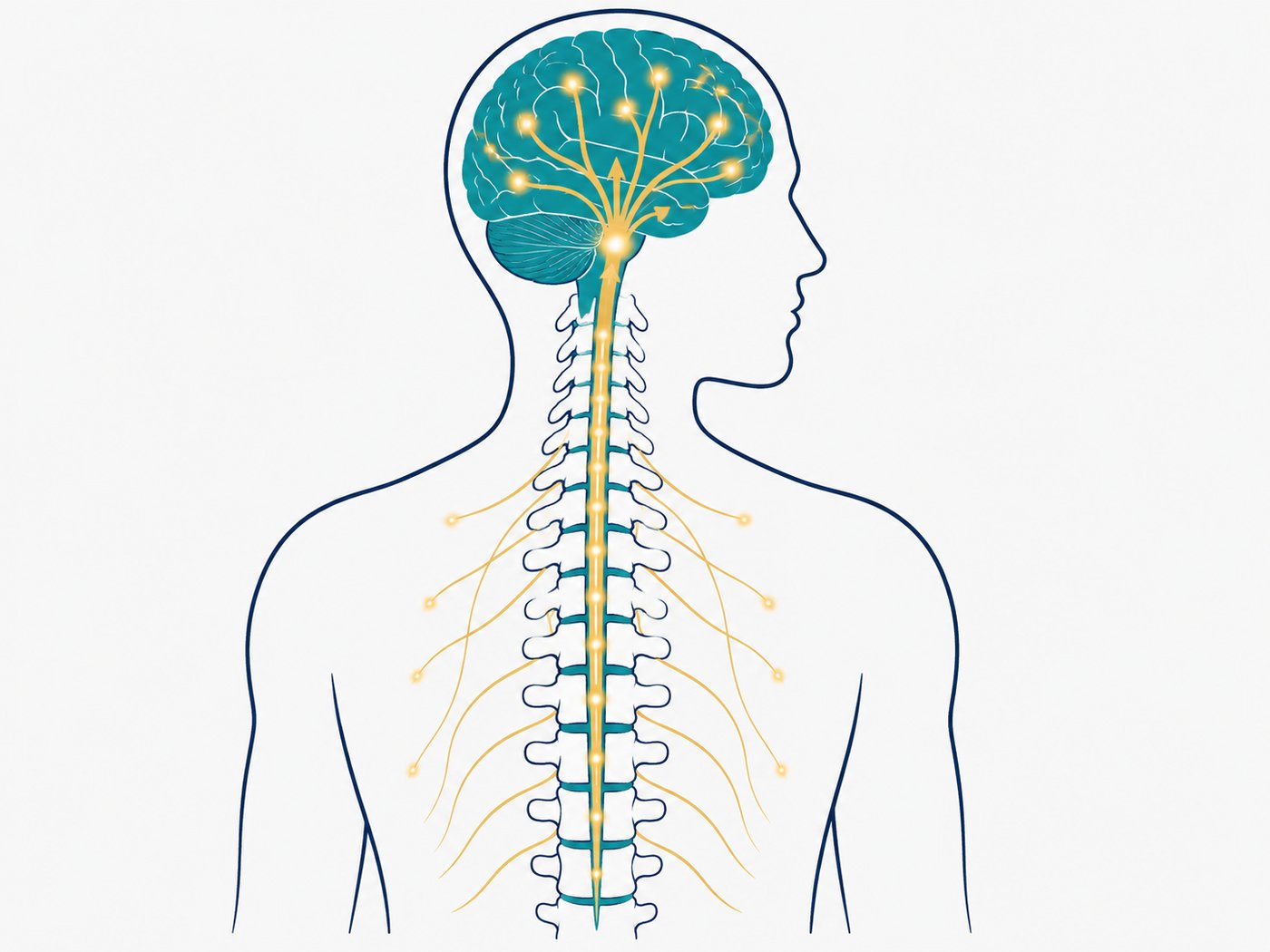
The pain system is similar in this way: it weighs information from the tissues, but also other things - what you have been through before, how much you slept, how stressed you are right now, and even what you believe is happening in your body. All of these shape how much protection is needed at the moment. That is one of the reasons the same movement can hurt with different intensity at different times, without a clear parallel change in the tissue.
And it is worth saying plainly: none of this means the pain is "in your head". Your pain is one hundred percent real, in every case. The question science has opened up is what shapes it - and the answer is broader than the state of the tissue alone.
The gap runs in both directions
Damage without pain. Athletes who finish a game and only discover in the evening that they were injured; soldiers who report wounds they never felt in real time. When the system is busy with something more critical, it can silence an alert even when there is real injury.
Strong pain without new damage. The back that "goes out" during a small, familiar movement - bending down for a sock, rolling over in bed. The pain is real and sometimes intense, but a movement like that rarely causes new damage; what happened is that the system responded forcefully. And the other side matters just as much: in an acute situation, after a blow or a fresh injury, pain absolutely can reflect tissue damage - and then it is treated accordingly.
What about the MRI?
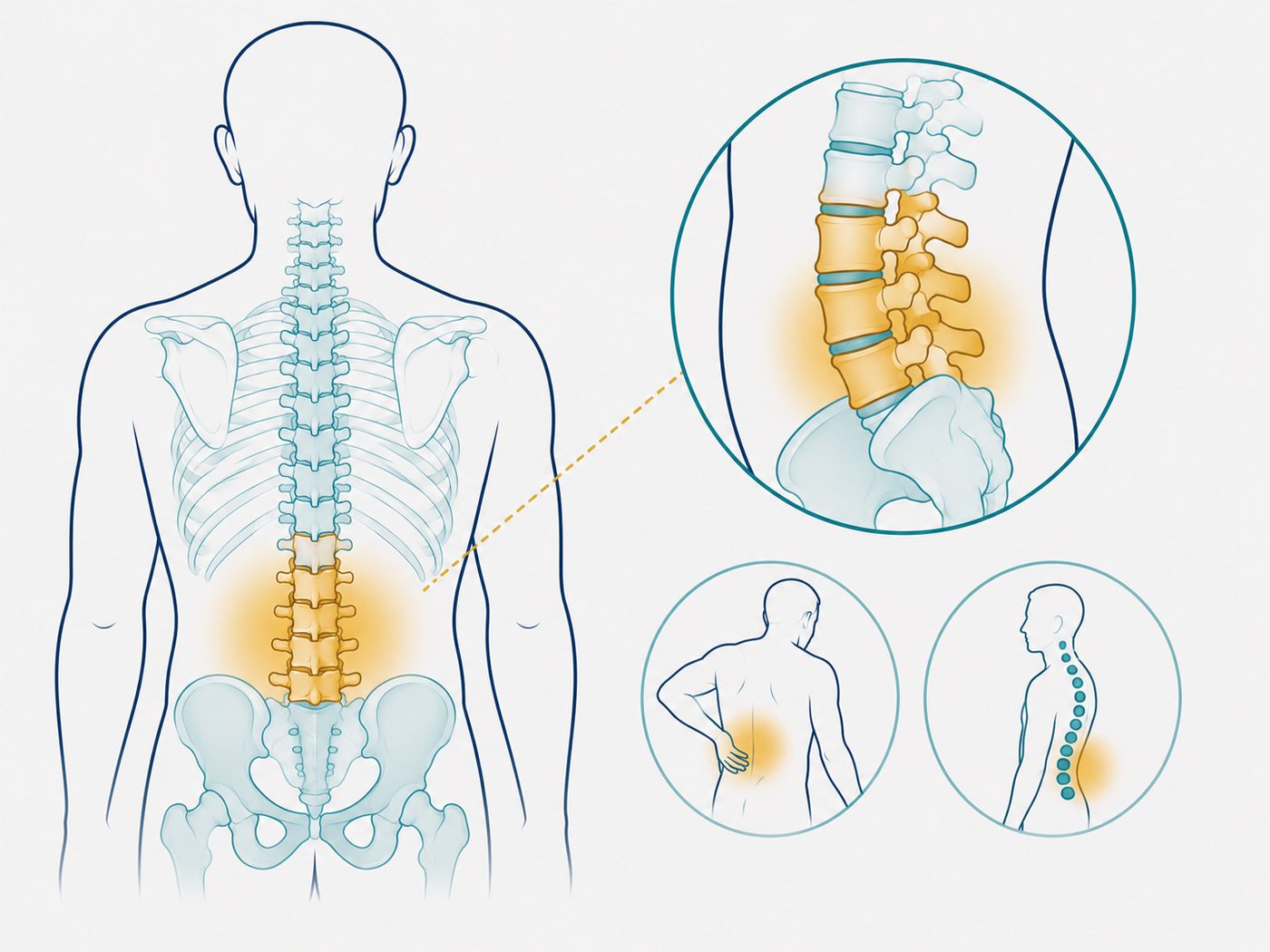
Here lies one of the important findings of the past decade: a large systematic review of imaging in more than 3,000 people with no pain at all found that certain degenerative findings - such as disc degeneration and bulges - are common in them too, and become more common with age. Put simply: some of what shows up on imaging is a natural part of aging, like graying hair, and not necessarily the source of the pain.
That does not make imaging worthless - far from it. An imaging finding does not always explain the pain on its own, so it is interpreted together with your story, your function, and the examination - and pain without a finding is not "imagined".
Why this matters in practice
Because someone who believes every pain signals damage acts accordingly: cautious with every movement, avoiding, waiting. And in persistent pain, prolonged avoidance is often exactly what maintains the limitation. When you understand that pain is also shaped by sleep, stress, overall load, and confidence in movement - more ways to influence it open up, beyond waiting for the tissue to "fix itself".
That is the foundation of this series. The next part is live: why pain can stay even after the body has improved, what to do when you start fearing movement, and what actually helps with persistent pain. In the meantime, a practical tool that already lives on this site: pacing in chronic pain.
Worth getting checked, without special urgency: pain that lasts beyond a few weeks with no trend of improvement, pain that keeps intensifying, or pain that gets in the way of daily life and sleep - all deserve a professional assessment, even just to know where you stand.
Needs urgent assessment: new pain after a significant injury, progressing weakness in an arm or leg, new trouble controlling bladder or bowels, or fever and unexplained weight loss alongside the pain. Isolated signs like passing numbness or one painful night are common and usually not dangerous - what they mean depends on the full picture.
Understanding pain is a tool, not a substitute for professional assessment.
Frequently asked questions
Not necessarily. Pain intensity is shaped by many factors beyond the state of the tissue - context, stress, sleep, and past experience. In an acute situation after an injury, pain can reflect real tissue damage, which is why new and unusual pain gets checked.
No. Pain is always real, even when imaging shows nothing. Imaging sees structure, not pain - and the diagnosis comes from combining your story, the examination, and your function.
Not necessarily. Certain degenerative findings are common in people with no pain at all, and become more common with age. An imaging finding does not always explain the pain on its own, so it is interpreted together with your story, function, and examination.
- Your pain is always real - but its intensity is not a direct meter of tissue damage.
- Pain intensity is also shaped by context, past experience, stress, and sleep - not only the tissue.
- Degenerative imaging findings are common in people without pain - they are interpreted in clinical context.
- New, unusual pain or worrying signs - get checked. Understanding is a tool, not a substitute for assessment.
This article draws on the IASP definition of pain (2020), the systematic review of imaging in asymptomatic populations (Brinjikji et al., 2015), and the principles of Pain Neuroscience Education.
Not sure if this is your situation? I’d be happy to give you a professional assessment and build a treatment plan that fits you.
Book a consultation callYou might also be interested in:
 Pain somewhere else?
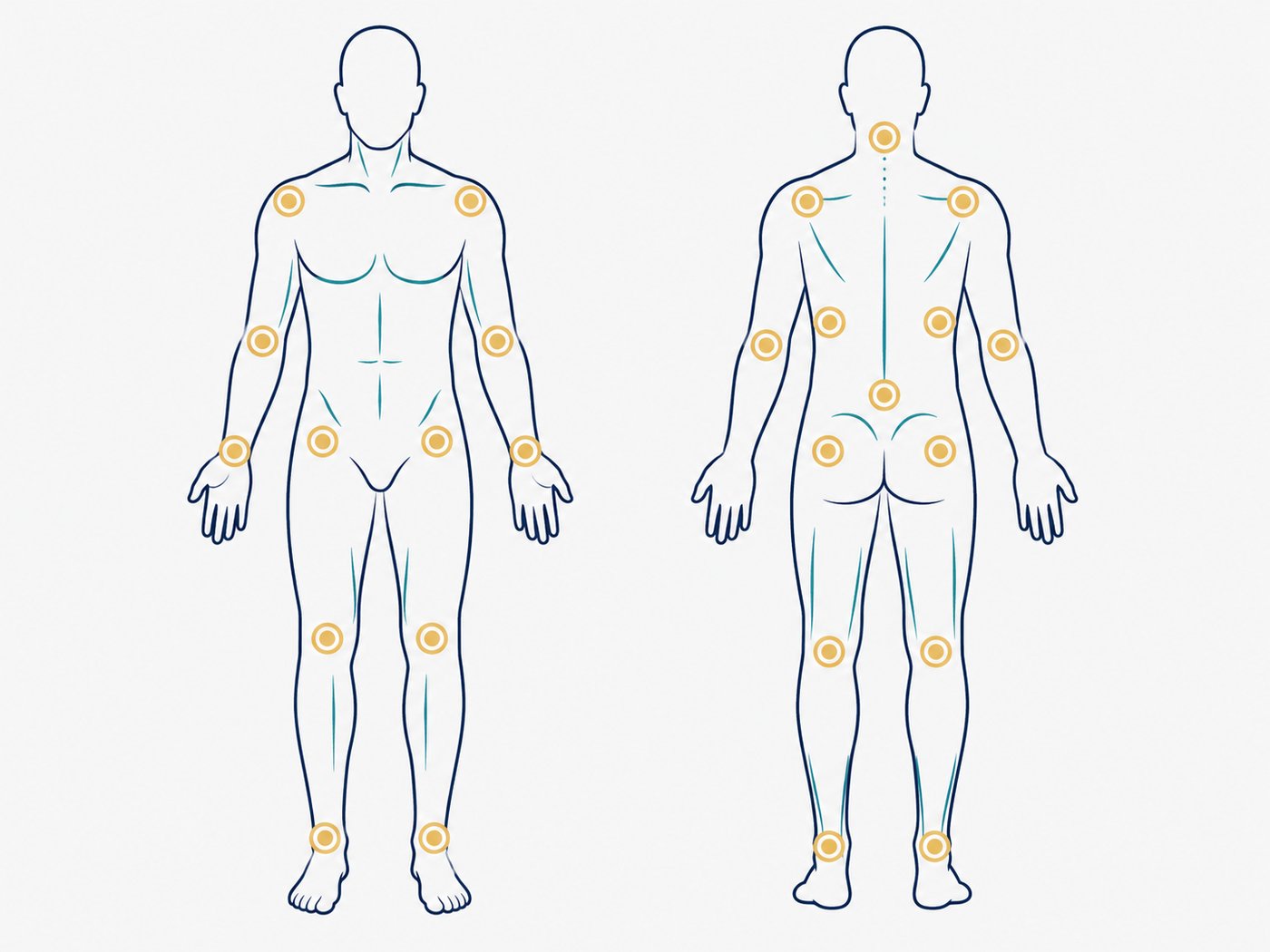
Return to the interactive body map and pick an area
←
Pain somewhere else?
Return to the interactive body map and pick an area
←