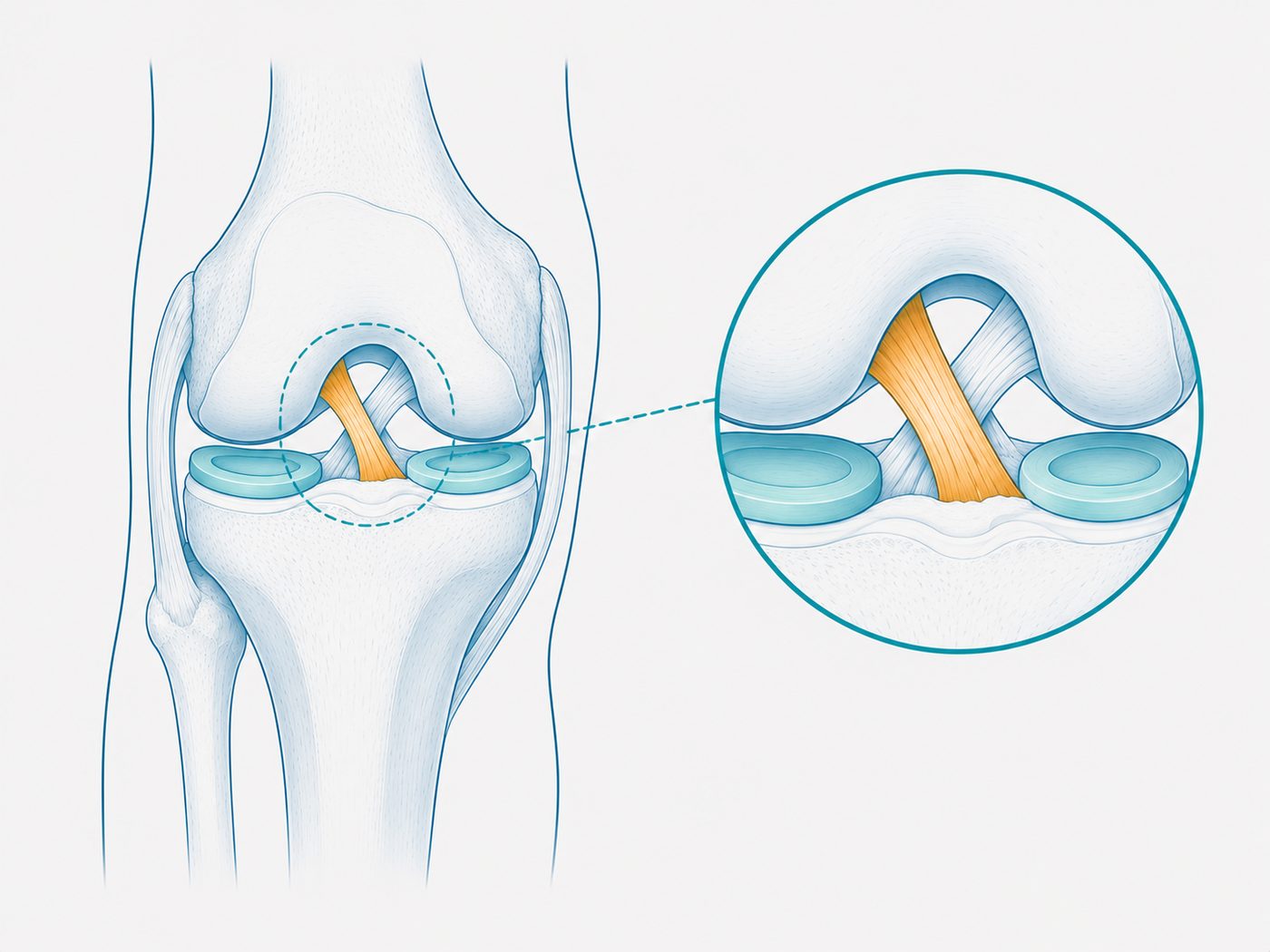
ACL tear: what really matters to know
Swelling and instability after a change of direction or a landing.
An ACL tear usually shows up as a sudden “pop” in the knee, swelling and a feeling of instability - and it doesn’t always require surgery; with the right assessment and structured rehabilitation, a high level of function is achievable.
If during a game, a run or a change of direction you suddenly felt a “pop” in the knee, followed by pain, swelling or a sense that the knee can’t be trusted - the first thought was probably: “Have I torn my ligament?”
This is one of the injuries that worries athletes most, but people who don’t play sport can experience it too. The good news is that an ACL tear doesn’t necessarily mean the end of the activity you love. With the right assessment and a structured rehabilitation process, a high level of function is achievable - including athletes who return to competitive level.
What is the anterior cruciate ligament?
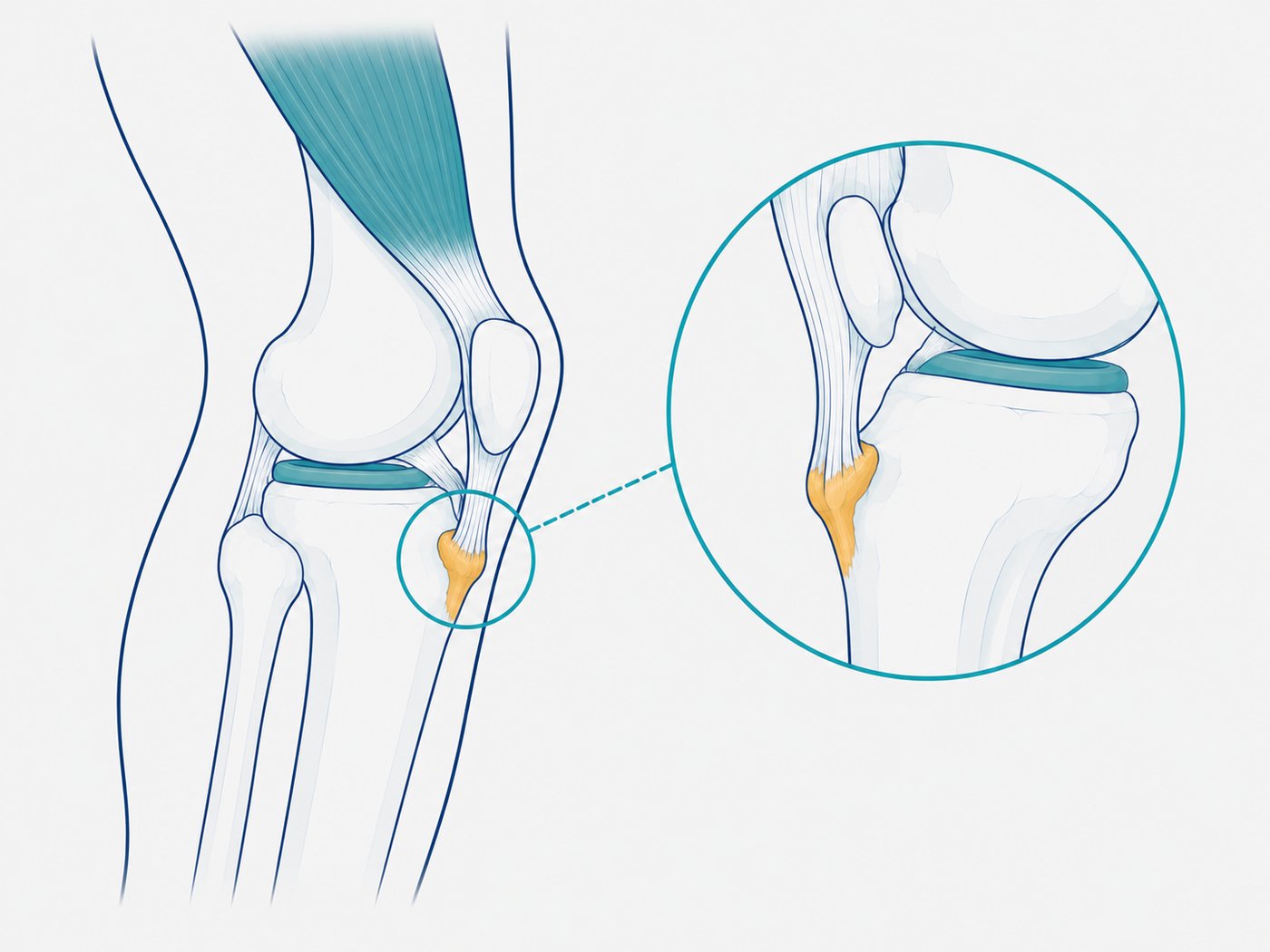
The anterior cruciate ligament (ACL) is one of the most important ligaments for knee stability. It helps control the movement of the knee during running, jumping, stopping and changes of direction - primarily preventing the shin from “sliding” forward relative to the thigh.
In the first days after a suspected injury, avoid “testing” the stability of the knee yourself (such as deliberately twisting it) - it adds no reliable information and may worsen an accompanying injury that has not yet been diagnosed.
How does it usually feel?
Many people describe:
- A “pop” sensation at the moment of injury.
- Swelling that appears within a short time.
- Pain that makes it hard to continue the activity.
- A feeling that the knee “gives way” or is unstable.
Not all of these signs have to appear, which is why a proper assessment matters rather than relying on a first impression alone.
Is surgery always needed?
No. The decision depends on your activity level, how stable the knee is, additional injuries (such as to the meniscus) and your personal goals. Some patients manage to return to a high level of function without surgery, and for others surgery will be the more suitable option - it is a shared decision with the orthopedic surgeon, not an automatic one.
How can physiotherapy help?
Physiotherapy is a central part of rehabilitation - whether or not surgery is chosen. The process includes restoring range of motion, improving strength, stability and movement control, and later preparing for a safe return to activity and sport - including rehabilitation that prepares the knee for the specific movements of the sport you are returning to.
Frequently asked questions
Not necessarily. You can walk even with a complete tear - which is exactly why you shouldn’t rely on how it feels, and why a professional clinical examination matters so much.
An MRI is an important tool, but the decision is also based on the clinical examination and actual function, not only on what is visible in the image.
In many cases, yes, after appropriate rehabilitation and meeting strength and control targets - not according to a fixed timetable, but according to functional tests showing the knee is genuinely ready.
What’s worth remembering?
An ACL tear is a significant injury, but it doesn’t have to stop you. The right assessment, structured rehabilitation and patience can make all the difference on the way to a safe return.
- An ACL tear usually happens during a sudden change of direction or a poor landing, and comes with a “pop” sensation, swelling and pain.
- The decision about surgery depends on activity level, knee stability and accompanying injuries - it isn’t automatic.
- Physiotherapy is a central part of rehabilitation, whether before surgery, after it, or as treatment in its own right.
Not sure if this is your situation? I’d be happy to give you a professional assessment and build a treatment plan that fits you.
Book a consultation callYou might also be interested in:
 Pain somewhere else?
Return to the interactive body map and pick an area
←
Pain somewhere else?
Return to the interactive body map and pick an area
←