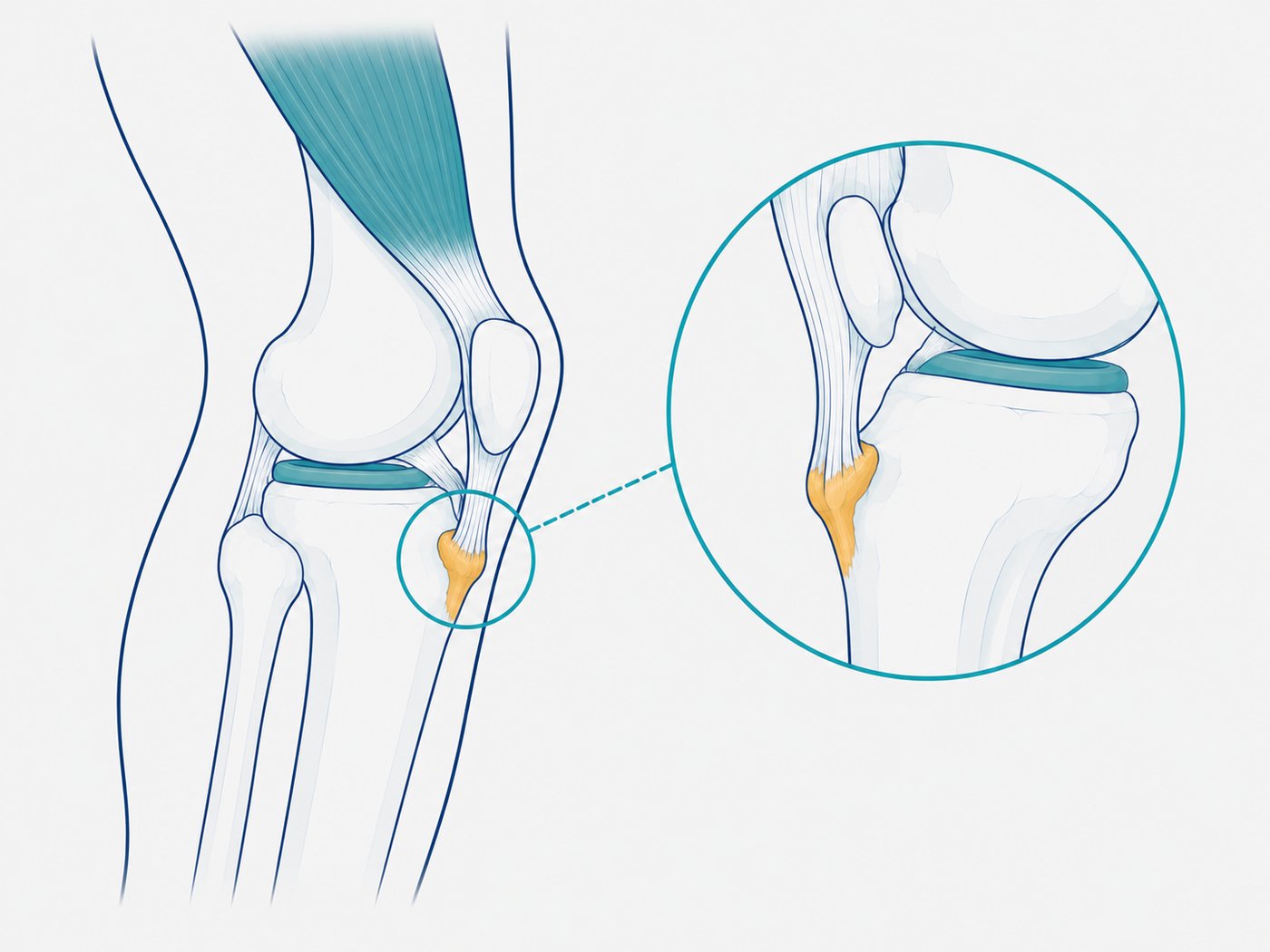
Osgood-Schlatter: the athletic teenager’s knee pain
Pain and a bump below the knee in teenagers during a growth spurt, very common in young athletes.
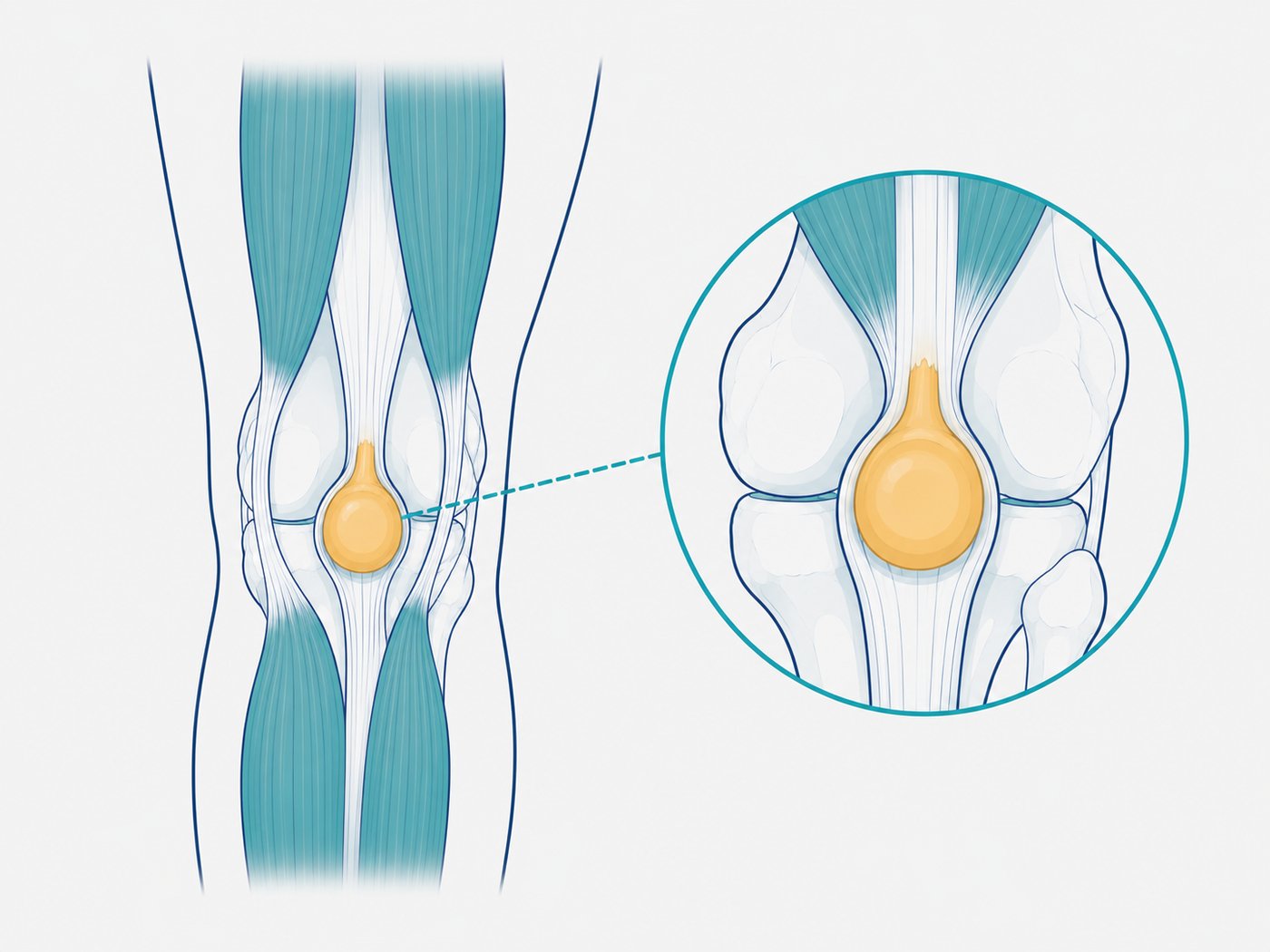
Osgood-Schlatter isn’t an “injury” in the usual sense, but a response of the growth plate in the shin bone to repetitive load exactly during the period when the bone is still growing - very common in adolescent athletes.
If you have a teenager complaining of pain below the kneecap, exactly where there is a small bump that sticks out more than on the other side - and they are also active in sports involving a lot of running, jumping or kicking - this is probably Osgood-Schlatter, one of the most common causes of knee pain in adolescence.
It’s not an “injury” in the usual sense, but a response of the growth plate in the shin bone to repetitive load, exactly while the bone is still growing. In most cases it resolves on its own over time - but manage it properly so the pain doesn’t get worse.
How does it usually feel?
Symptoms can vary, but many describe:
- Pain and local swelling below the kneecap, at the tibial tuberosity.
- Worsening with running, jumping, kneeling or climbing stairs.
- Tenderness to direct touch on the bump.
- Tightness in the quadriceps muscle that worsens the symptoms.
- Sometimes it appears in both knees at once.
If the pain improves significantly with rest and worsens again on returning to sport, and there is also a slight bump sticking out more than on the other side - that is a very characteristic clinical pattern for Osgood-Schlatter.
What causes Osgood-Schlatter?
During periods of rapid growth, the quadriceps muscle is usually not flexible enough to keep up with the rate at which the bone is growing. The repeated tension it applies through the patellar tendon onto the growth plate, combined with repetitive sporting load, causes irritation and pain in the area.
How can physiotherapy help?
The central treatment is proper load management - not stopping sport altogether, but temporarily matching it to the level of pain, alongside gentle stretching of the quadriceps and hamstrings and gradual strengthening around the knee. In most children the symptoms resolve within months to one or two years, as the bone finishes growing.
When should you get checked?
If the pain is especially severe and long-lasting, comes with fever or marked redness, or an acute (rather than gradual) injury is suspected - get assessed to rule out conditions that need different care.
Frequently asked questions
In most cases no, but rather to match the load to the level of pain at that stage - stopping completely is usually neither necessary nor desirable.
In most cases yes, once the bone finishes growing, but proper load management along the way significantly reduces the pain in the meantime.
Sometimes a small bump remains even after the pain has gone completely - this isn’t a functional problem, only a slight cosmetic change.
What’s worth remembering?
Osgood-Schlatter is very common in adolescent athletes and in most cases resolves on its own - the key is proper management of the activity load rather than stopping sport altogether.
- It appears in teenagers active in sports involving a lot of running, jumping or kicking, during a growth spurt.
- It’s identified by pain and a bump below the kneecap that worsen with running, jumping or climbing stairs.
- In most cases it resolves on its own over time, but managing the activity properly matters in order not to aggravate the pain.
Not sure if this is your situation? I’d be happy to give you a professional assessment and build a treatment plan that fits you.
Book a consultation callYou might also be interested in:
 Pain somewhere else?
Return to the interactive body map and pick an area
←
Pain somewhere else?
Return to the interactive body map and pick an area
←