IT band syndrome: when pain on the side of the knee stops your run
Sharp pain on the outer side of the knee that appears right in the middle of a run - one of the most common injuries in runners.
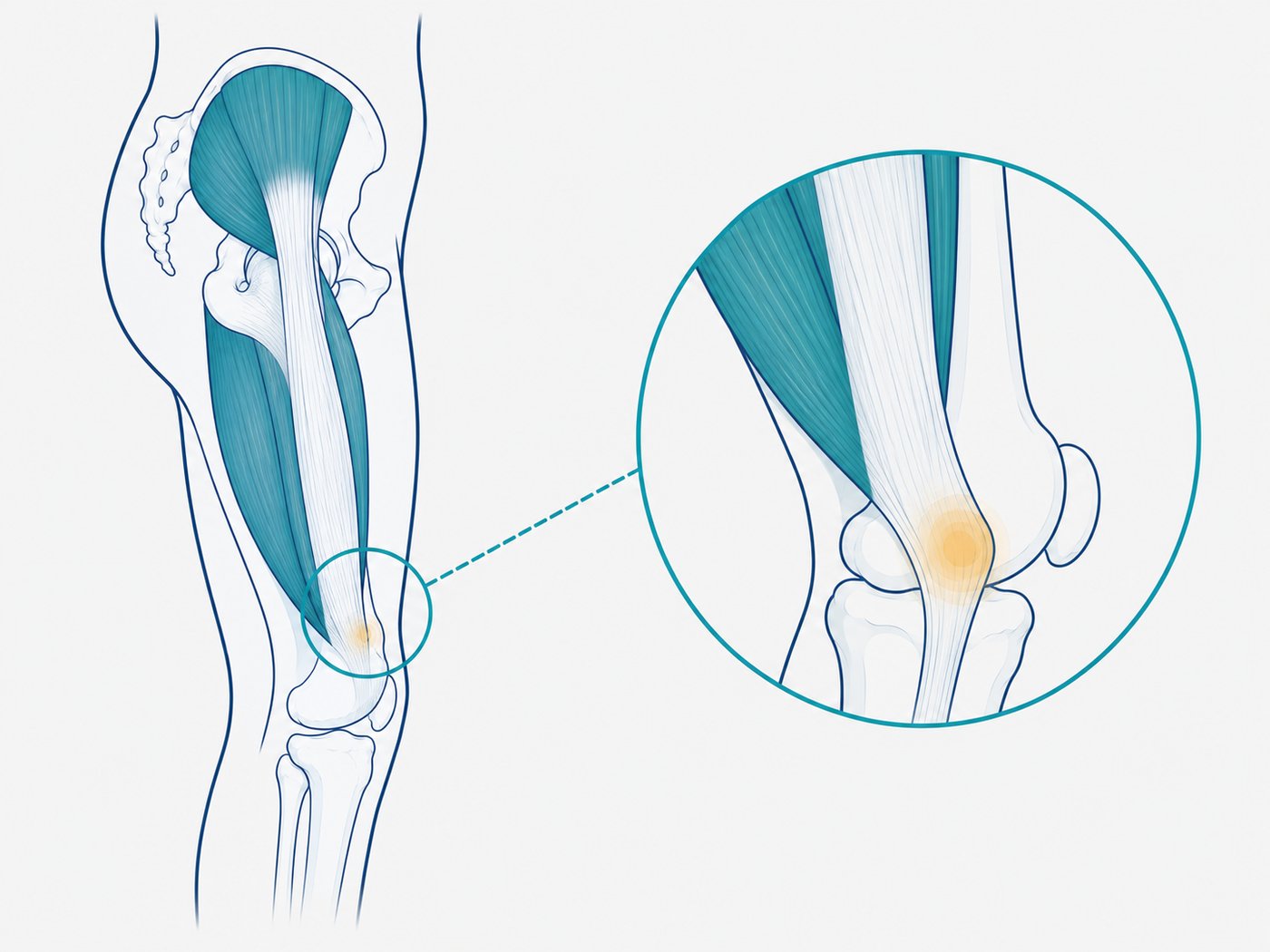
IT band syndrome is one of the most common injuries in runners - sharp pain on the outer side of the knee that appears after a consistent running distance and disappears almost immediately when you stop.
If you are a runner and feel sharp, focal pain on the outer side of the knee that usually appears after a consistent few minutes of running and disappears almost immediately when you stop - that is a very classic pattern of IT band (iliotibial band) syndrome.
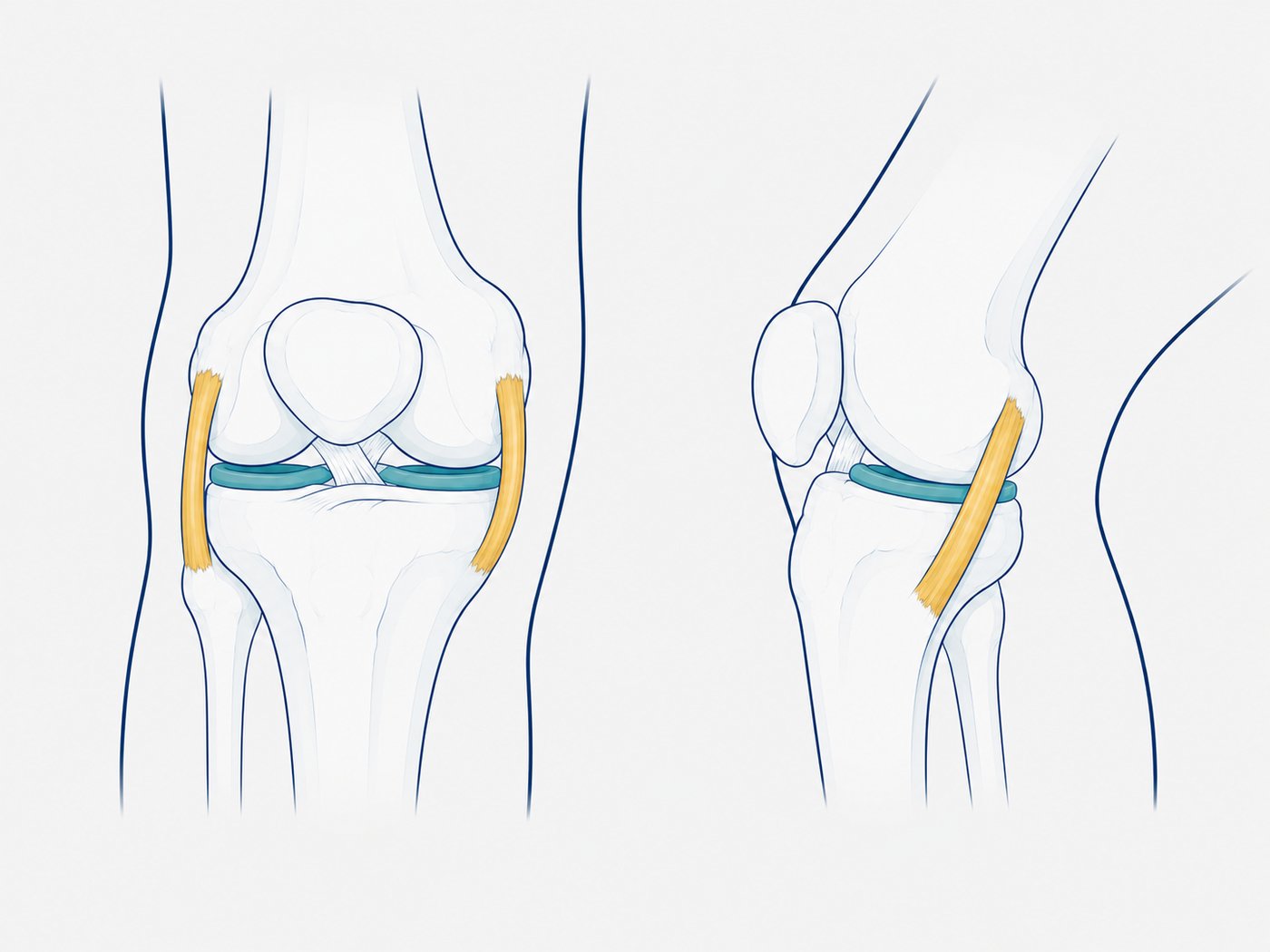
This band runs along the outer side of the thigh, from the pelvis down to below the knee, and its job is to stabilize the knee during walking and running. The problem arises when there is repeated friction between it and the structures beneath it.
How does it usually feel?
Symptoms can vary, but many describe:
- Sharp, focal pain on the outer side of the knee.
- The pain usually appears after a consistent running distance rather than at the start.
- Almost immediate relief on stopping the run or switching to walking.
- Worsening going down stairs or running downhill.
- Sometimes a slight “clicking” sensation on the side of the knee.
If you can notice after exactly how many minutes the pain starts to appear on each run - that is precise information which really helps identify the pattern and build a gradual return-to-running plan.
What causes IT band syndrome?
It’s usually a combination of increasing running volume or intensity too quickly, weakness in the lateral glute muscles that are meant to stabilize the pelvis during running, and sometimes repeatedly running on the same side of a cambered road. This is a classic overuse injury, not a permanent structural problem.
How can physiotherapy help?
Treatment focuses first on temporarily reducing running volume to let the tissue settle, alongside strengthening the glute and hip muscles responsible for pelvic stability during running. The running pattern itself is usually assessed and adjusted as well, including step rate, to reduce the repeated stress on the band.
The return to running is gradual, based on distances rather than on how it feels alone - that is what prevents the pain coming back quickly.
When should you get checked?
If the pain starts to appear right at the beginning of the run, persists during ordinary walking, or comes with significant swelling in the knee - get assessed to rule out an additional problem in the joint itself.
Frequently asked questions
Usually not completely, but rather to reduce volume and intensity temporarily, work on the necessary strengthening, and then return gradually.
Stretching the band itself gives only partial, temporary relief - strengthening the glute muscles is what really prevents recurrence.
Usually a few weeks with a structured plan, but it depends on the running volume you are aiming for and on the load that has built up.
What’s worth remembering?
IT band syndrome is an overuse injury that responds very well to targeted strengthening and a gradual return to running - in most cases without needing to stop running altogether.
- The IT band runs from the pelvis to below the knee; the problem arises from repeated friction between it and the structures beneath it.
- It usually combines increasing running volume or intensity too quickly with weakness in the lateral glute muscles.
- Identifying precisely the distance at which the pain starts on each run helps build a gradual return plan.
Not sure if this is your situation? I’d be happy to give you a professional assessment and build a treatment plan that fits you.
Book a consultation callYou might also be interested in:
 Pain somewhere else?
Return to the interactive body map and pick an area
←
Pain somewhere else?
Return to the interactive body map and pick an area
←