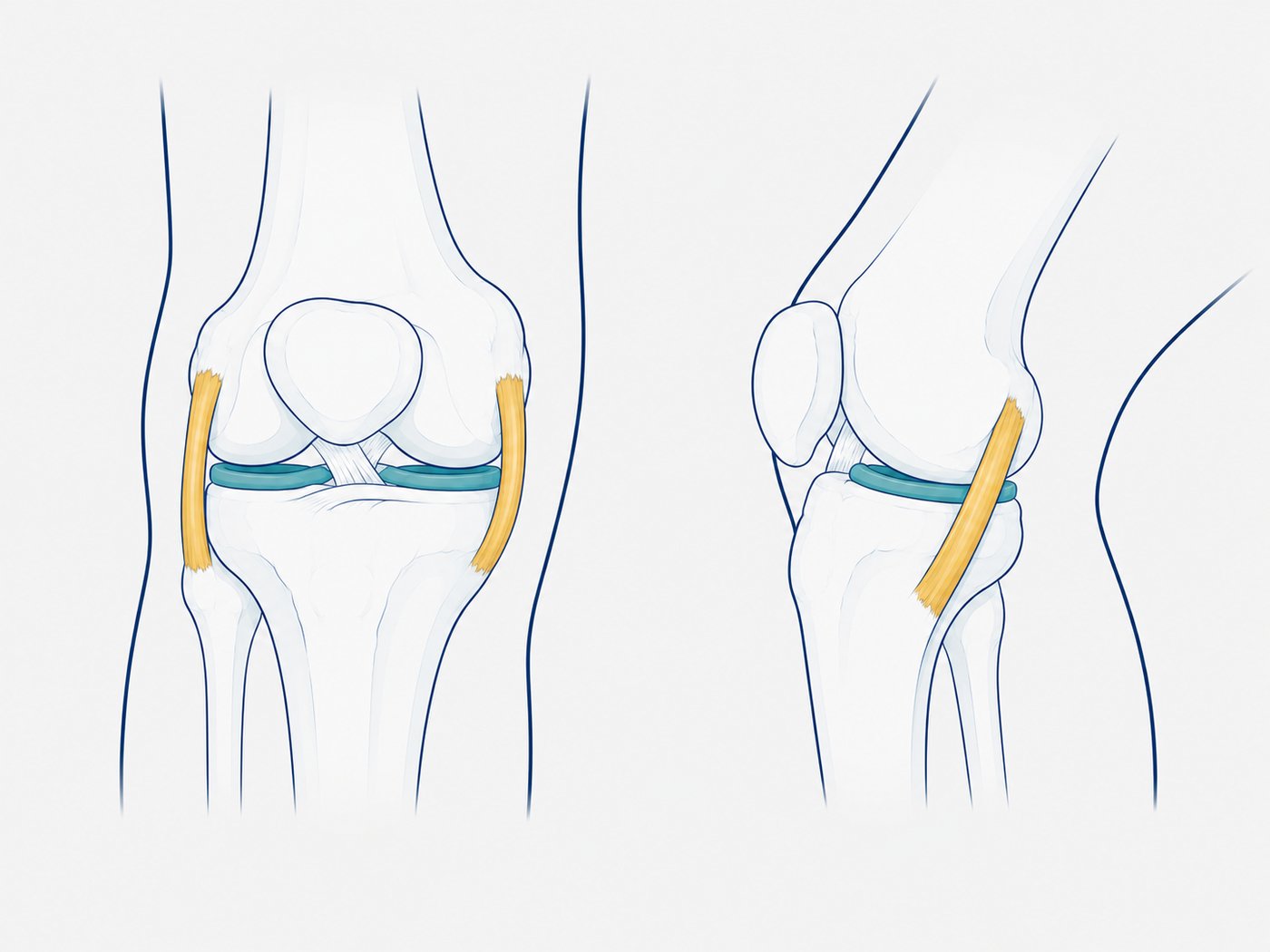
MCL and LCL sprains: when a blow from the side shakes your stability
An injury to the medial (MCL) or lateral (LCL) collateral ligament of the knee - common in contact sport, different from an ACL injury.
A collateral ligament sprain of the knee (MCL/LCL) is different from an ACL injury - it usually happens from a direct blow to the side rather than a non-contact twist, and usually has a better prognosis.
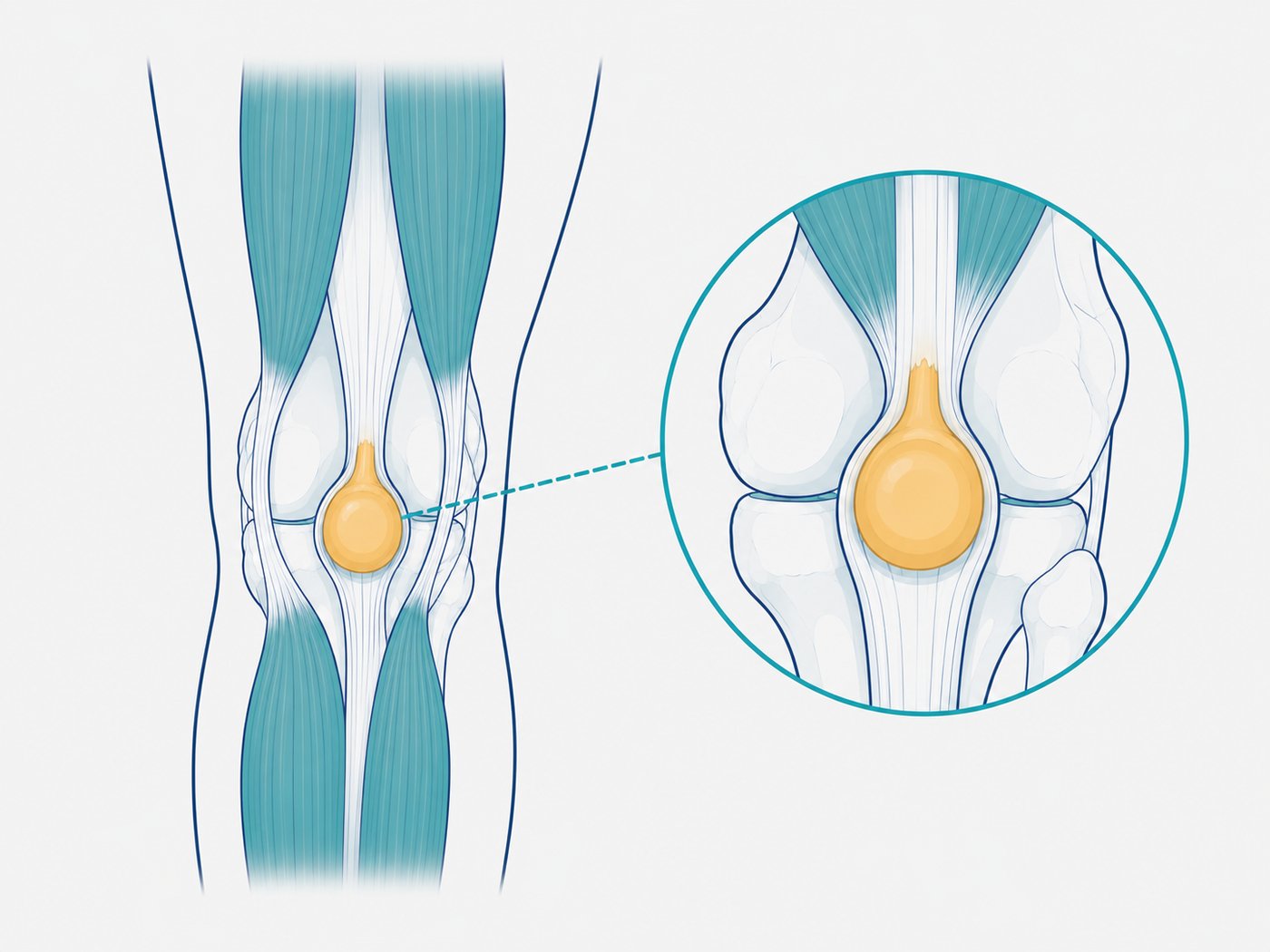
If you took a blow to the side of the knee, in football for example, or the knee twisted sharply during sport, and now there is pain on its inner or outer side - this may be a sprain of one of the collateral ligaments: the medial collateral ligament (MCL) or the lateral collateral ligament (LCL).
Unlike an injury to the anterior cruciate ligament (ACL), which usually happens with a sudden twist without contact, collateral ligament injuries are particularly common from a direct blow to the side - and they usually have a better prognosis.
How does it usually feel?
Symptoms can vary, but many describe:
- Focal pain on the inner or outer side of the knee.
- Local swelling at the site of injury, usually less dramatic than in an ACL injury.
- A feeling of instability, mainly with sideways movements.
- Pain that worsens with direct pressure on the injured ligament.
- Some difficulty walking, depending on the severity of the injury.
Unlike an ACL injury, here there is usually no sense of “immediate, significant swelling” - and that is information which helps distinguish between the injuries at an early stage.
What causes a collateral ligament sprain?
Most injuries are caused by a direct blow to the side of the knee, common in football, basketball and other contact sport, when the knee is forced inward or outward. Sometimes a sudden twist under load can also damage these ligaments, though less often than in the ACL injury mechanism.
How can physiotherapy help?
Most collateral ligament injuries are successfully treated conservatively - rehabilitation includes controlling the swelling in the early stage, gradually restoring the range of motion, and staged strengthening of the muscles around the knee that support its stability. Most athletes can return to full activity within a few weeks, depending on the severity of the sprain.
When should you get checked?
If there is a significant feeling of instability that persists beyond the first weeks, or a suspicion of an accompanying injury to another ligament or to the meniscus - see an orthopedic specialist and considering imaging.
Frequently asked questions
In most cases no - collateral ligament injuries generally respond better to conservative treatment and over a shorter time.
Only in particularly severe cases, mainly where there is a combined injury involving other ligaments. Most cases are treated successfully without surgery.
It depends on the severity of the sprain, but for most mild to moderate injuries - within a few weeks of structured rehabilitation.
What’s worth remembering?
Collateral ligament injuries of the knee are common in contact sport and usually respond well to conservative treatment, unlike an ACL injury, which generally requires a different approach.
- Most injuries are caused by a direct blow to the side of the knee, common in football and contact sport.
- Unlike an ACL injury, here there is usually no immediate, significant swelling - information that helps distinguish between the injuries at an early stage.
- They are identified by focal pain on the inner or outer side of the knee that worsens with direct pressure on the injured ligament.
Not sure if this is your situation? I’d be happy to give you a professional assessment and build a treatment plan that fits you.
Book a consultation callYou might also be interested in:
 Pain somewhere else?
Return to the interactive body map and pick an area
←
Pain somewhere else?
Return to the interactive body map and pick an area
←