
Postural stiffness from sitting: it’s not just the chair’s fault
Stiffness, pain or a feeling of load after working at a computer or sitting for a long time.
The problem with prolonged sitting isn’t one “wrong” posture - it is that the body stays in one position for a long time without changing; the answer is movement, not a “perfect posture”.
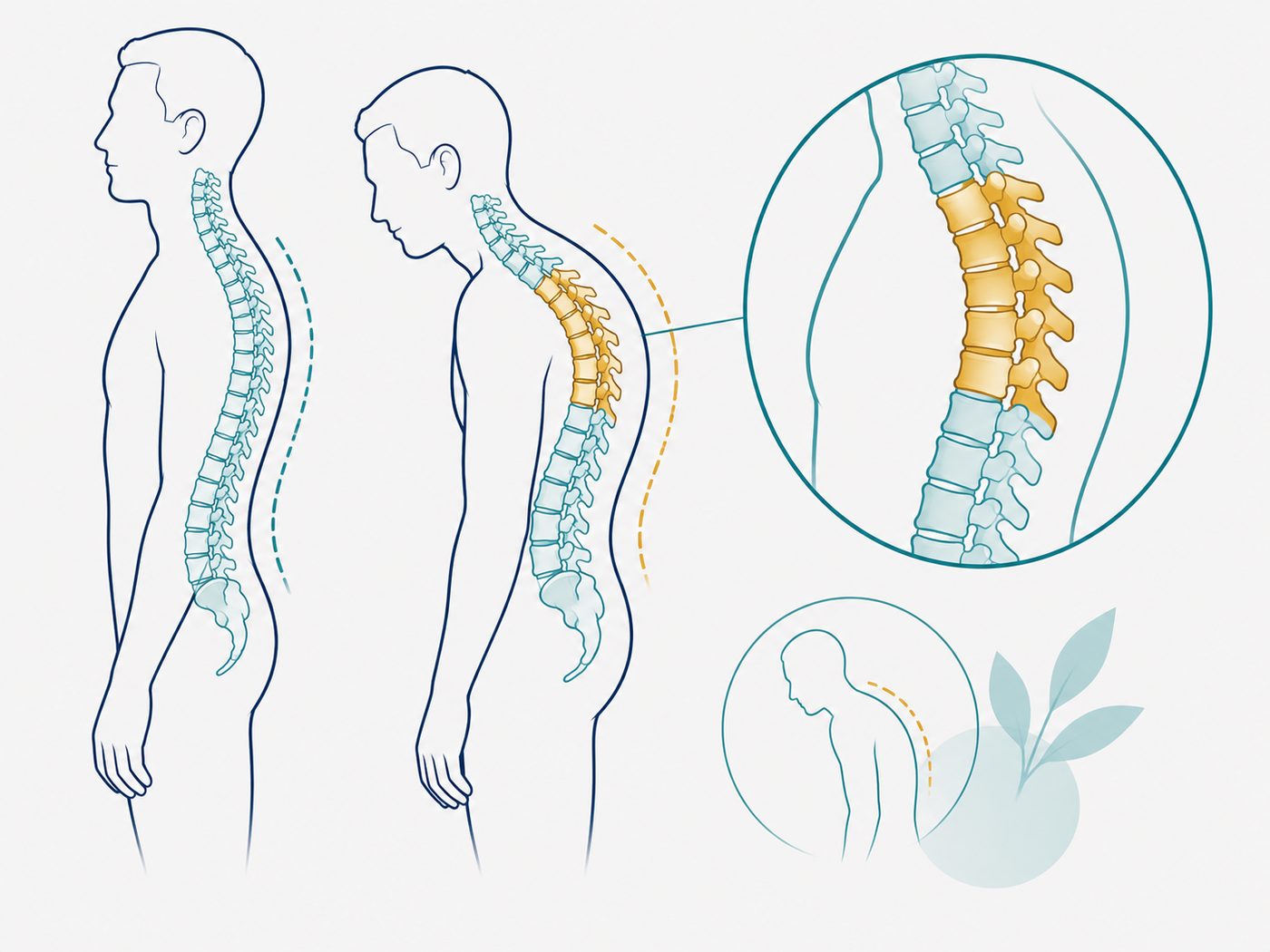
Many people work long hours at a computer and feel that by the end of the day the neck, shoulders and upper back are seized up. Usually the problem isn’t one “wrong” posture, but that the body stays in one position for a long time without changing and without movement. This is a point I emphasize a lot in the clinic, because many patients come looking for “the perfect posture” - and when they understand that the answer is movement rather than a fixed position, it changes their whole approach.
Why does it happen?
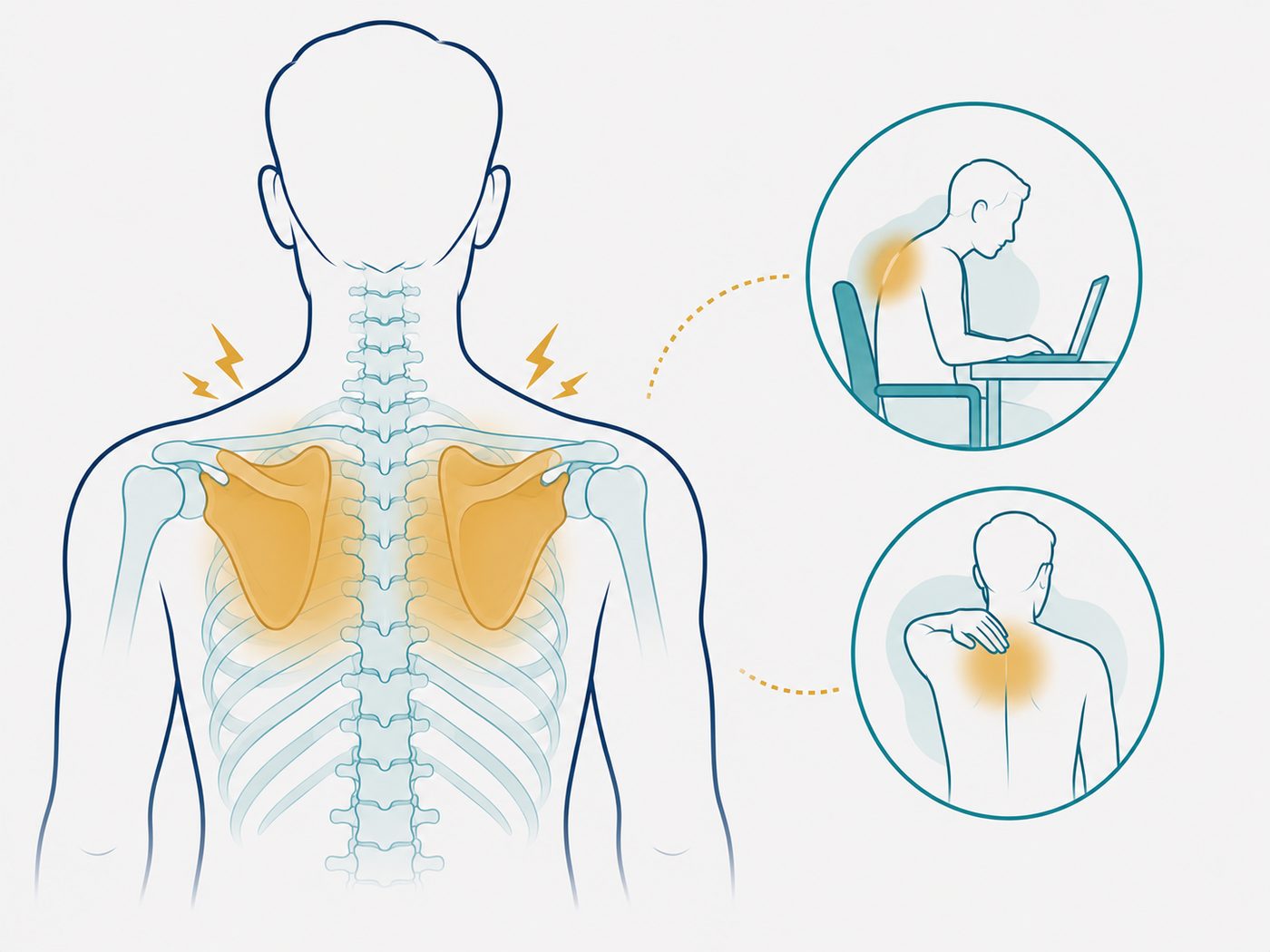
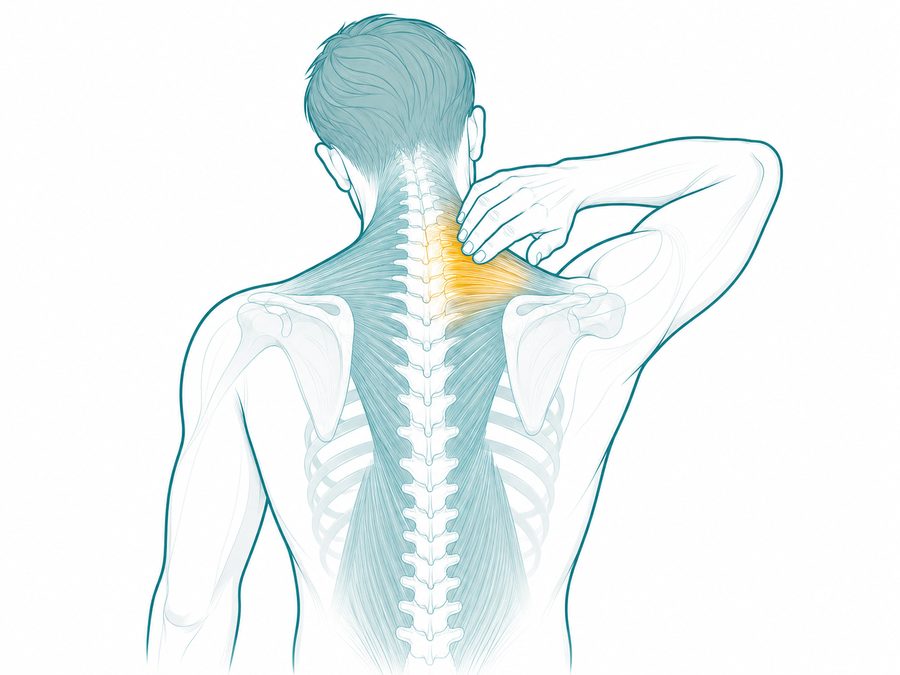
When you sit for a long time, the muscles and joints work statically - holding the same position again and again without a break. Over time stiffness, muscular fatigue and a feeling of load can appear, particularly in the neck, upper back and shoulders - the areas that carry the greatest static load in prolonged sitting.
Try the “one minute in every 30” rule - every half hour, stand up for a minute, stretch your arms overhead and roll your shoulders backward a few times. It sounds like very little, but over a full working day it makes a significant difference.
How does it usually feel?
- Stiffness in the neck.
- Pain between the shoulder blades.
- Fatigue in the shoulders.
- Pain that builds toward the end of the working day.
- Improvement after standing up and moving.
How can physiotherapy help?
Treatment includes assessing movement and postural patterns, adjusting the work environment, mobility and strengthening exercises, and guidance on building movement breaks into the day - so that the new habits really do last over time and not only in the first week.
Frequently asked questions
No, and that is exactly the point. The best posture is the one that changes through the day - no single position, even one that looks “correct”, is good when held for hours on end.
It’s advisable to build short breaks and movement into the working day regularly - even a minute every half hour makes a noticeable difference.
Sometimes adjusting the workstation helps, but movement and exercise matter no less - a “perfect” chair without movement will still lead to stiffness.
What’s worth remembering?
The body likes movement. Even a good work environment won’t replace short breaks, changes of position and regular exercise through the day.
- Prolonged static sitting holds the same position again and again, leading to stiffness and muscular fatigue, mainly in the neck, upper back and shoulders.
- The “one minute in every 30” rule - standing up and stretching briefly every half hour - makes a significant difference over a full working day.
- The typical pain builds toward the end of the working day and improves after standing up and moving.
Not sure if this is your situation? I’d be happy to give you a professional assessment and build a treatment plan that fits you.
Book a consultation callYou might also be interested in:
 Pain somewhere else?
Return to the interactive body map and pick an area
←
Pain somewhere else?
Return to the interactive body map and pick an area
←