Pain between the shoulder blades? causes and the right way to treat it
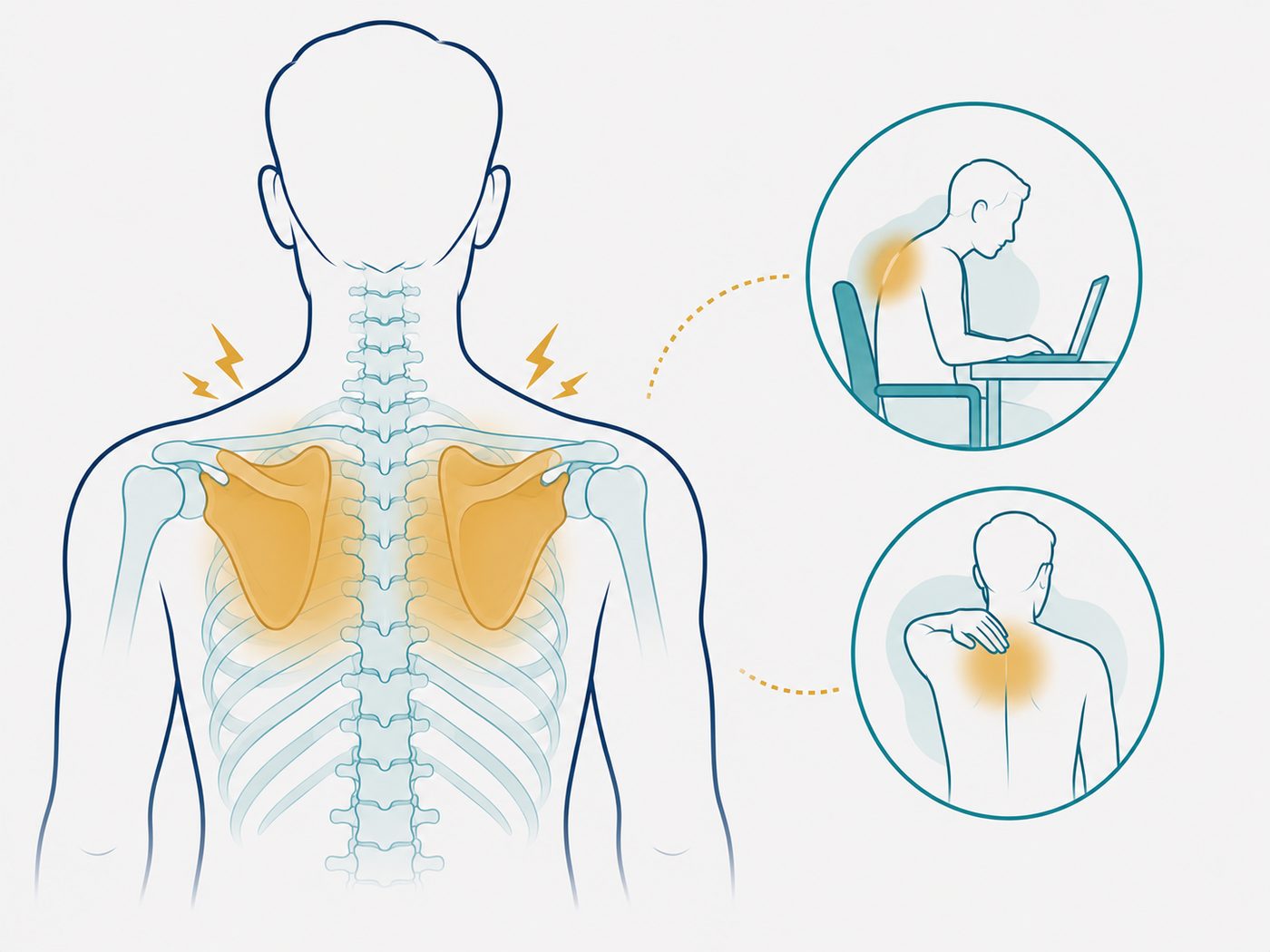
Pain that appears with prolonged sitting or at the end of a working day.
Upper back pain is easy to neglect because it is less “dramatic” than lower back pain - but current research shows the problem is less about “bad posture” and more about a lack of movement over time.
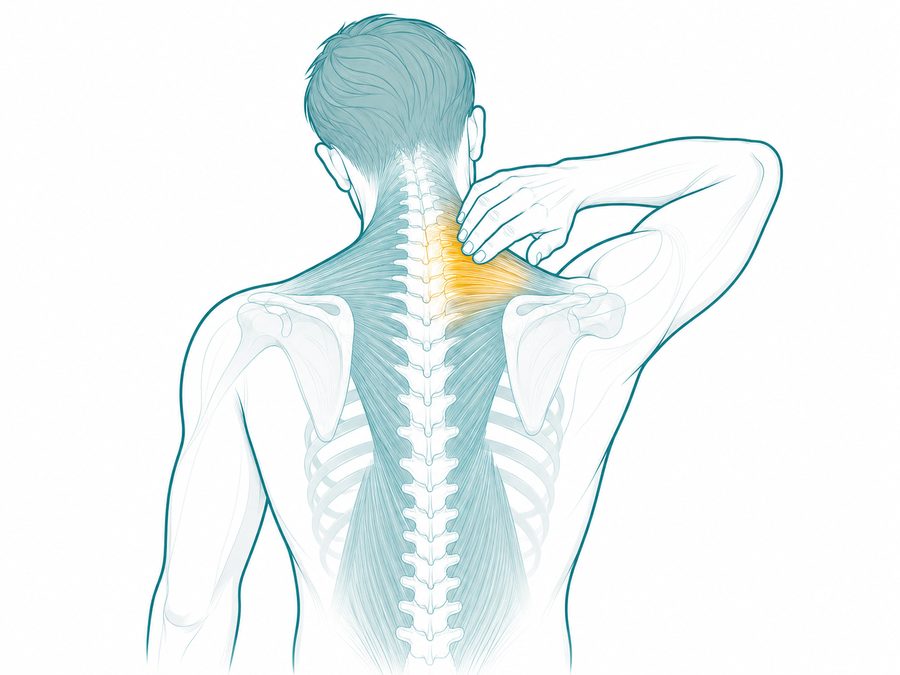
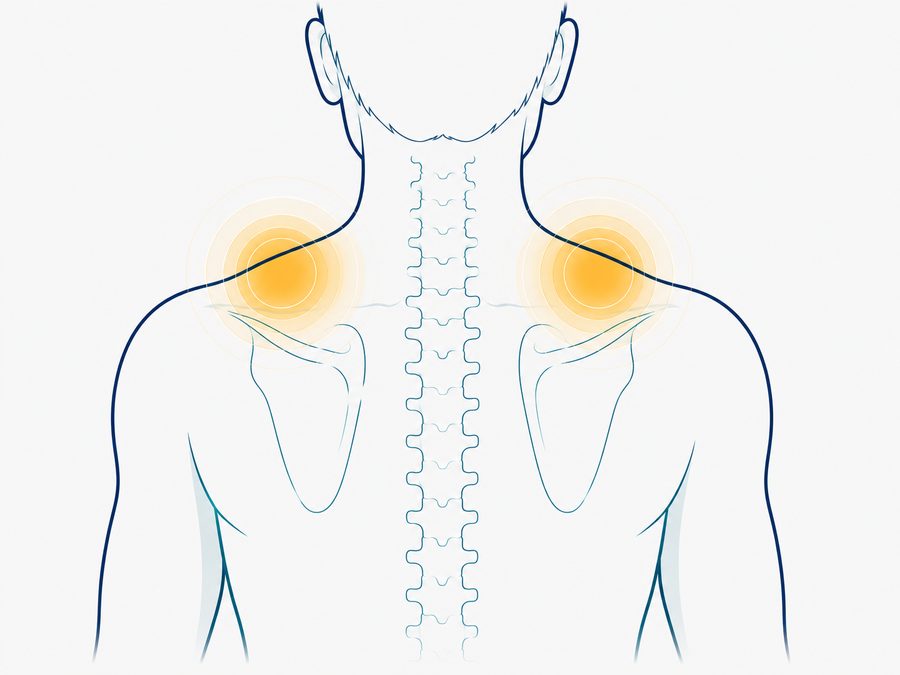
Pain in the upper back, between the shoulder blades, is one of the easiest areas to neglect - because it is less “dramatic” than lower back pain, yet it can significantly interfere with daily function and sleep quality. Many of the patients who come to me with this pain say they “just got used to it” - until it starts interfering at night too, and then they realise it needs to be addressed at the root rather than ignored.
Where does it come from?
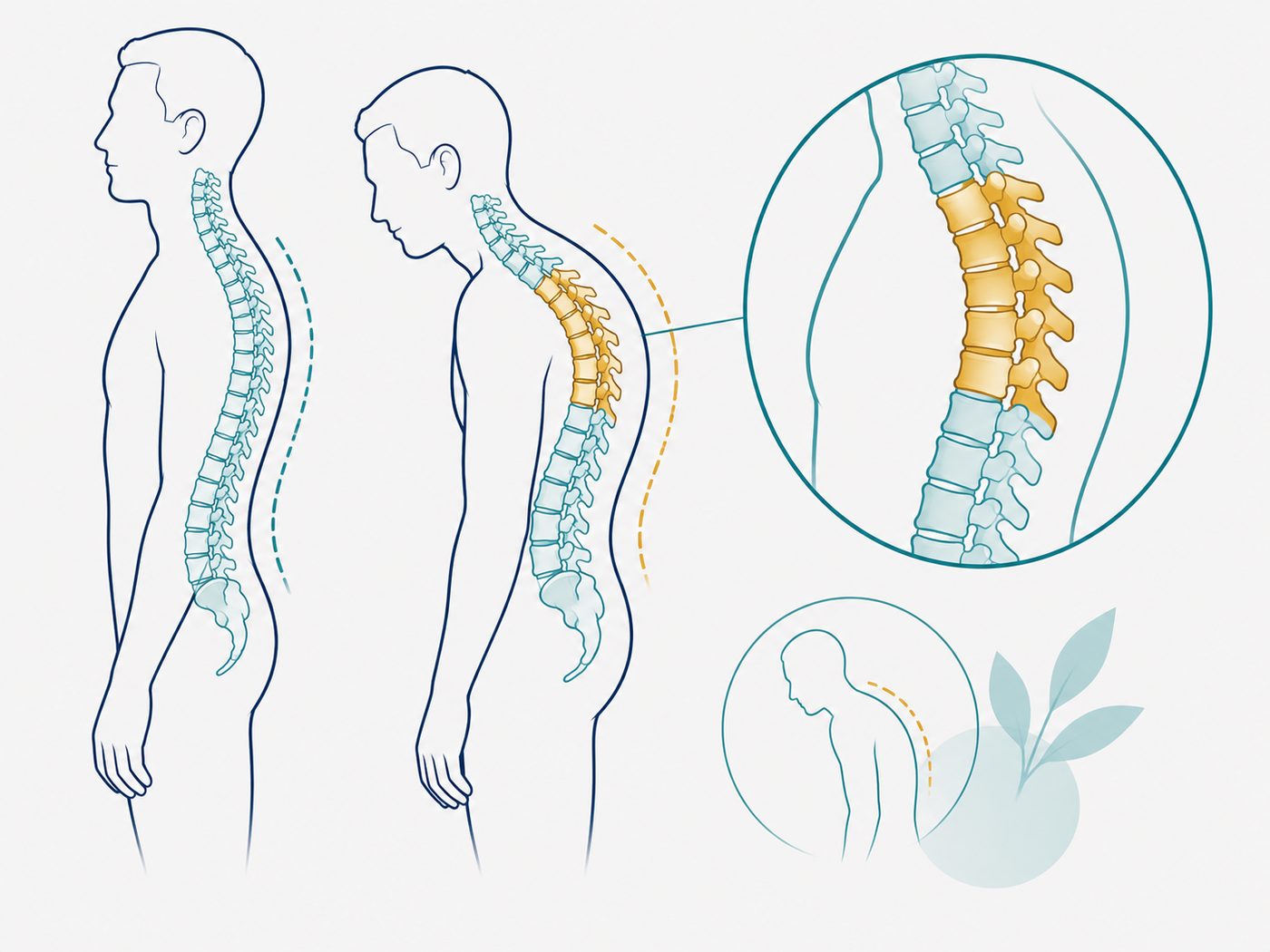
Mainly from long hours in the same position without moving - hours at a screen, the back rounding and the shoulders drifting forward. It’s worth knowing that current research shows the problem is less the “wrong posture” itself and more the lack of movement - muscles aren’t built to hold a constant load for hours without a break, even if the posture is “good”. Static load on the shoulder blades, such as carrying a heavy bag on one shoulder day after day, creates an imbalance that accumulates. Weakness in the upper core muscles, the ones responsible for holding the back upright over time, makes other muscles compensate and fatigue. And sometimes it comes from mental stress that accumulates quite literally as a “weight” on the back - this isn’t a cliché, there is a real link between psychological stress and contraction of the upper back muscles. Many people describe pain that builds toward the end of a working day, especially after long hours at a screen.
What actually helps?
Strengthening the upper back and shoulder blade muscles is the foundation - not to “be strong”, but so those muscles can hold a load over time without fatiguing in the middle of the day. Chest stretches (the chest shortens in most people who sit a lot) help balance the forward pull that rounds the back. And most important of all - change position and move often through the day, rather than looking for one “perfect sitting posture” and sticking to it; it is the variety that keeps the muscles from fatiguing, not any static position.
One stretch worth building into every day
Stand in a doorway, place both palms on the frame at shoulder height, and step gently forward until you feel a comfortable stretch across the chest and the front of the shoulders. Hold for 20-30 seconds and breathe deeply. Build it in 2-3 times a day, especially after sitting for a long time.
When is it worth seeing a physiotherapist?
- The pain keeps coming back at the end of working days
- There is a feeling of “locking” or difficulty taking a deep breath
- The pain doesn’t improve with rest
- There is noticeable weakness in the back muscles
- The stretches bring no relief after a few days
- The upper back muscles aren’t built to hold a constant load for hours without a break, even when posture is technically “good”.
- Carrying a heavy bag on one shoulder day after day creates an imbalance that builds up over time.
- Strengthening the upper back and shoulder blade muscles is the foundation - not to “be strong” but so they can hold a load over time without fatiguing.
Not sure if this is your situation? I’d be happy to give you a professional assessment and build a treatment plan that fits you.
Book a consultation callYou might also be interested in:
 Pain somewhere else?
Return to the interactive body map and pick an area
←
Pain somewhere else?
Return to the interactive body map and pick an area
←